
Post
Can Correcting Your Posture Help Reduce Brain Fog? A Guide to Structural Clarity
Hello, I am Director Song Jeong-hyeon, a practitioner specializing in acupotomy and structural restoration.
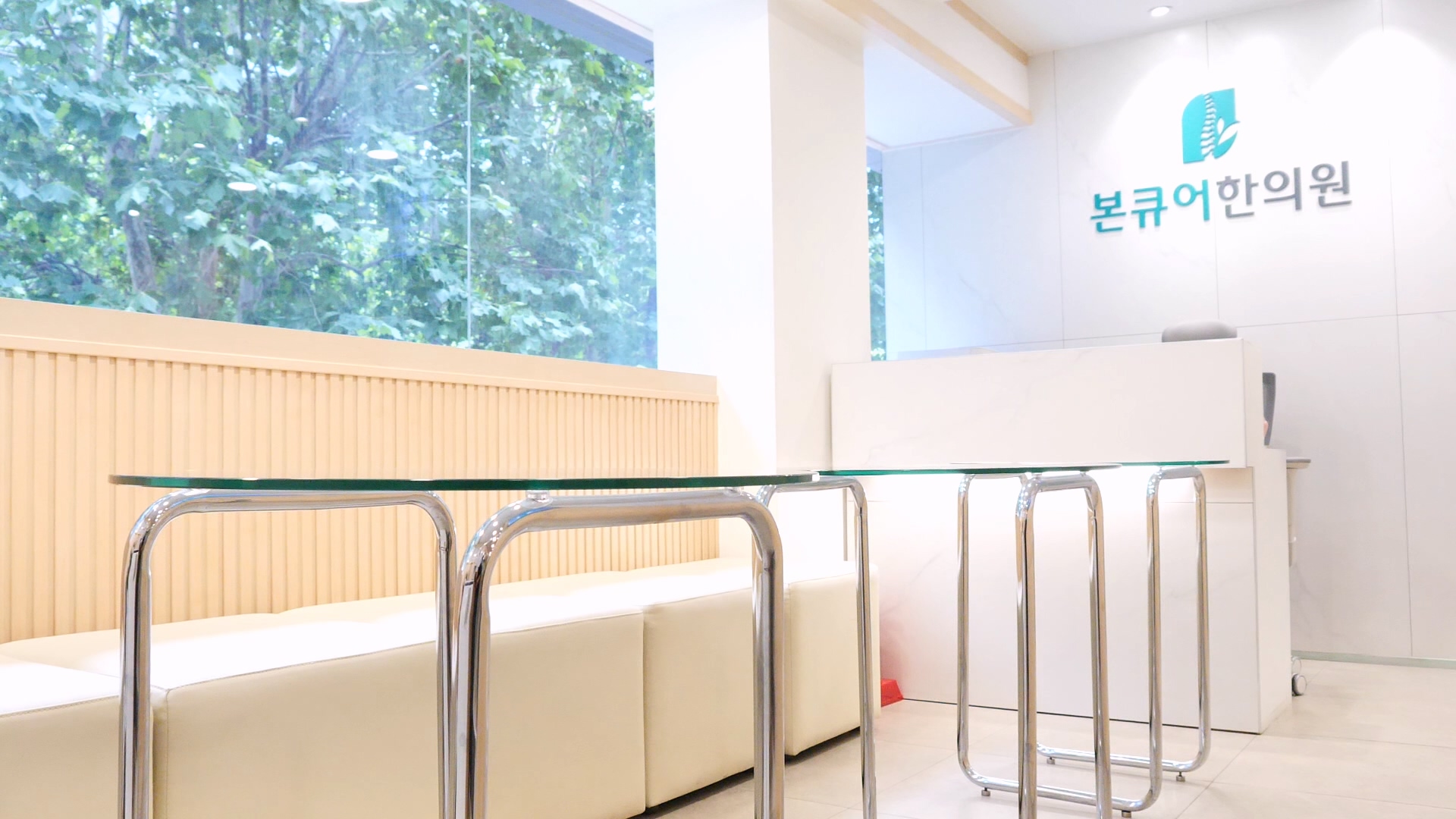
Posture correction refers to the systematic realignment of the skeletal framework, particularly the spine, to restore natural physiological function and balance. At Bonecure, we focus on identifying the root causes of structural integrity issues and their relation to cognitive health, helping patients regain mental clarity through personalized treatment plans. Rather than requiring dozens of sessions to see results, our goal is to provide efficient treatment where patients can often feel shifts in their symptoms, though the speed of recovery varies by individual. Please note that individual results may vary depending on the patient's condition and the chronicity of their symptoms.
Exploring the Link Between Spinal Alignment and Cognitive Clarity
Spinal alignment is the precise anatomical positioning of the vertebrae that allows for optimal nervous system communication and biomechanical efficiency. When the spine is properly aligned, the body expends minimal energy on structural maintenance, theoretically freeing up resources for complex cognitive tasks. Conversely, a misaligned spine can create a cascade of physiological stressors that may manifest as mental fatigue or clouded thinking.
Defining Brain Fog in the Context of Musculoskeletal Health
Brain fog is not a distinct medical diagnosis but rather a collection of symptoms characterized by confusion, forgetfulness, and a marked lack of mental focus or clarity. From a musculoskeletal perspective at Bonecure, this condition often correlates with chronic tension and structural imbalances that disrupt the nervous system's equilibrium. When the skeletal system is out of alignment, the brain may divert significant metabolic resources to managing compensatory muscle movements and maintaining balance against gravity. This diversion can lead to a subjective feeling of "cloudiness" that persists even after rest. Clinical observations suggest that individuals with chronic neck tension often report a significant level of cognitive discomfort and difficulty in sustaining attention. While various systemic factors contribute to cognitive fatigue, addressing the physical structure provides a necessary foundation for neurological efficiency and sustained mental performance.
The Impact of Forward Head Posture on Mental Focus
Forward head posture, often called "tech neck," occurs when the head shifts anteriorly from the center of the shoulders, placing immense strain on the cervical spine. The average human head weighs approximately 10 to 12 pounds, but even slight forward tilts significantly increase the effective weight on the neck muscles. This mechanical stress tightens the suboccipital muscles, which are densely packed with sensory receptors. Constant overstimulation of these receptors can lead to a state of sensory overload, making it difficult for the brain to filter out irrelevant information. In my experience at Bonecure, patients with a pronounced forward shift often report a decline in concentration during sustained work periods. Restoring the natural curvature of the neck helps stabilize these signals, reducing the cognitive load required to process spatial orientation and posture maintenance throughout the day.
Why Traditional Korean Medicine Treatment Addresses the Root Cause
Traditional Korean Medicine (TKM) treatments for cognitive clarity focus on the holistic integration of the body's structural pathways to resolve underlying imbalances. At Bonecure, we utilize structural restoration to address the root physical causes of brain fog, focusing on structural alignment rather than just addressing symptoms. By combining manual Chuna therapy with precision acupotomy, we aim to release deep-seated adhesions in the fascia that have formed over years of poor posture. These adhesions can restrict the flow of nerve signals and vital circulation, creating a state of internal stagnation. Unlike generalized approaches, we emphasize the individual's unique spinal configuration. This personalized approach ensures that the structural correction is impactful and supports mental performance. While individual recovery times vary, our focus is on an compressed and efficient diagnostic process that seeks immediate improvement in structural function.
How Cervical Misalignment Restricts Cerebral Blood Flow and Nerve Function
Cervical misalignment involves a deviation from the healthy C-shaped curve of the neck, which can lead to mechanical pressure on vital vascular and neural pathways. This structural distortion often results in decreased efficiency of blood delivery to the brain and may irritate the autonomic nervous system. At Bonecure, we analyze these misalignments to understand their impact on the patient's overall physiological and cognitive state.
The Vascular Connection Between Neck Health and Brain Oxygenation
Proper oxygenation of the brain depends on the unobstructed flow of blood through the vertebral arteries, which travel through the small openings in the cervical vertebrae. When the neck is misaligned, these arteries can become slightly compressed, potentially reducing the efficiency of blood reaching the brain. Clinical observations suggest that even minor structural impediments can contribute to symptoms of dizziness, headaches, and a lack of mental focus. At Bonecure, we have observed that correcting cervical curvature can improve subjective blood flow comfort and cognitive alertness in clinical case reports. The brain requires a constant supply of oxygen to function optimally, and structural restoration aims to normalize these vascular pathways, providing the brain with the consistent nourishment it needs for executive functions.
Nerve Compression and its Role in Cognitive Fatigue
Nerve compression occurs when structural abnormalities or tight soft tissues apply pressure to the spinal nerves, leading to altered sensory input and systemic stress. The cervical spine houses nerves that regulate not only movement but also autonomic functions. When these nerves are irritated by a misaligned vertebra, the body may remain in a state of "sympathetic dominance," also known as the fight-or-flight response. This chronic state of low-level stress consumes mental energy, leaving the individual feeling perpetually drained or "foggy." Clinical evaluations at Bonecure often involve checking for these neural impingements that contribute to a noticeable reduction in perceived energy and vitality. Relieving this pressure through targeted structural restoration may help shift the body back into a parasympathetic state, which is conducive to focused mental states and recovery.
Addressing Chronic Pain to Resolve Secondary Focus Issues
Chronic pain acts as a constant "background noise" in the nervous system, significantly impairing an individual's ability to concentrate. When the spine is misaligned, chronic muscle tension forces the brain to continuously process discomfort, which competes with other cognitive demands. Studies have shown that patients with chronic musculoskeletal issues often experience a decline in working memory and attention span. At Bonecure, we integrate treatments like Acupotomy and Structural Restoration: A Guide to Precision Care at Bonecure to reduce this pain burden. By addressing the source of physical discomfort, the brain is no longer forced to prioritize pain management over cognitive processing. In some clinical case reports, a reduction in pain levels resulted in an improvement in focus and productivity. It is important to recognize that cognitive issues are often secondary to persistent physical stress.
Bonecure Approach Using Acupotomy and Structural Restoration
Acupotomy is a specialized form of treatment that utilizes a small, blade-like needle to release chronic adhesions and scar tissue within the musculoskeletal system. This precision technique allows for the restoration of mobility in deep tissue layers that are often unreachable by traditional manual therapies. At Bonecure, we combine this methodology with comprehensive structural restoration to ensure efficient recovery.
Acupotomy for Releasing Soft Tissue Adhesions in the Cervical Spine
Acupotomy, or "needle-knife" therapy, is specifically designed to target and release micro-adhesions in the fascia and muscles. These adhesions often form due to chronic poor posture, locking the vertebrae in a misaligned position. By using a specialized tool with a precision tip, we can release these tight bands of tissue, allowing the spine to return to its natural state. This process is crucial because manual adjustments alone may not be permanent if the surrounding soft tissue remains fibrotic. At Bonecure, we prioritize a highly hygienic clinical environment for every procedure. Patients should be aware that possible side effects include temporary localized pain, slight bruising, or a very rare risk of infection at the site. The release of these deep tissues is often a turning point for patients seeking to improve their mental clarity through physical correction.
Integrating Acupuncture for Back Pain to Balance the Entire Kinetic Chain
The human body functions as a continuous kinetic chain; an issue in the lower back can directly influence the alignment of the neck. At Bonecure, we often integrate targeted acupuncture for back pain into our focus-related treatment plans to ensure the entire spinal column is supported. Chronic lumbar issues can cause compensatory shifts in the cervical regions, leading to the postural imbalances that cause brain fog. By stabilizing the foundation of the spine, we create a balanced framework. In my clinical practice, I have found that addressing the entire kinetic chain streamlines the recovery process compared to localized treatment. This holistic approach ensures that the structural restoration addresses both the symptoms and the foundational misalignments that contribute to long-term fatigue.
Clinical Notes on Structural Realignment and Neurological Recovery
Neurological recovery through structural realignment is a process that involves the recalibration of the nervous system. At Bonecure, we have documented numerous case reports where patients experienced improved cognitive markers following a structured treatment plan tailored to their specific needs. Rather than prescribing a fixed, lengthy number of sessions, we focus on high-impact treatments that aim for efficient and observable changes in the patient's symptoms and range of motion, tailored to each individual's needs. We use objective measures, such as whole-spine X-ray analysis, to track changes in the spinal curve. This evidence-based approach helps us provide realistic expectations, emphasizing that while many feel immediate relief, individual results vary based on age, lifestyle, and the chronicity of the structural issues.
Comparing Structural Correction Methods for Enhanced Mental Performance
Comparing different correction methods involves evaluating the physiological impact of various therapeutic approaches. While many options exist for managing symptoms, it is important to understand how each method contributes to long-term structural stability. At Bonecure, we advocate for an integrated approach that combines traditional wisdom with modern precision techniques.
Traditional Physical Therapy versus Integrated Acupotomy at Bonecure
Traditional physical therapy often focuses on strengthening muscles through exercise. Integrated acupotomy at Bonecure utilizes a mechanical approach to release deep-seated adhesions. By combining the precision of the needle-knife with Chuna therapy, we aim to facilitate structural changes and support the body's natural recovery process. In my clinical observations, patients incorporating acupotomy into their routine often see improvements more efficiently. We often recommend using acupotomy to 'unlock' the structure and then using specialized exercises to maintain it, ensuring better alignment and long-term stability.
Comparing Short Term Relief with Root Cause Structural Correction
While methods like occasional massages provide temporary comfort, root cause structural correction at Bonecure aims to address the skeletal and fascial architecture to support long-term health and alignment. This process offers the potential for significant long-term benefits for cognitive health. While a massage might reduce tension for a day or two, successful structural restoration can improve the alignment for much longer periods. Many patients report lasting energy as their physical alignment improves. Addressing the root cause is an investment in long-term mental and physical well-being.
The Role of a Specialized Korean Medicine Clinic in Cheongdam for Executive Health
A specialized Korean medicine clinic in the Cheongdam district provides a unique environment for professionals seeking to optimize their performance. At Bonecure, we understand the high-stress demands of modern professional life and the specific postural issues that arise from long hours at a desk. Our clinic integrates advanced structural restoration techniques like Improving Balance and Coordination through Spinal and Jaw Correction: A 2026 Bonecure Guide to support our clients' health and well-being. By focusing on the intersection of spinal health and cognitive function, we offer specialized care in addition to standard wellness approaches. Clinical evidence, including case studies published by Director Song Jeong-hyeon, supports the use of these integrated methods for improving symptoms of fatigue and mental fog.
Frequently Asked Questions
Q. Can correcting my posture really eliminate brain fog and focus issues?
Yes, correcting spinal alignment may help reduce brain fog by improving blood flow efficiency and reducing nerve irritation. Some patients at Bonecure have reported feeling improvement in mental clarity soon after their structural restoration treatment, though individual results may vary depending on the patient's condition.
Q. What is acupotomy and how does it help with concentration?
Acupotomy is a specialized form of treatment using a precision tip to release tightened tissues and adhesions in the deep fascia. By relaxing the muscles around the neck and spine, it helps restore proper circulation, which can enhance focus. It is designed for efficiency and addressing deep structural causes.
Q. Are there any side effects to the structural treatments at Bonecure?
As with any clinical procedure, acupotomy may involve minor side effects such as temporary pain, slight bruising, or a very rare risk of infection. At Bonecure, we prioritize safety by using single-use equipment and following strict clinical protocols. Most patients find that these minor effects resolve quickly.
Q. How many sessions are typically needed to see an improvement in focus?
At Bonecure, we do not adhere to a fixed rule of 10 or 20 sessions for everyone. Our priority is a highly efficient treatment plan designed to help patients feel a difference as soon as possible, depending on their specific condition. The total number of sessions depends on the individual's specific structural condition and lifestyle.
Q. Does Bonecure provide traditional acupuncture for back pain alongside focus treatments?
Yes, because the spine is a continuous kinetic chain, treating back pain is often essential for stabilizing the neck and improving focus. We integrate various treatments to ensure the entire skeletal system is balanced, preventing future misalignments and supporting systemic health.
Q. Is the improvement in mental clarity immediate after posture correction?
Many patients experience a sense of lightness and relief immediately after treatment. While true neurological stability improves as the body adapts to its new alignment, our goal is to ensure each patient feels a tangible improvement in their symptoms from the very first sessions.
Q. Is there scientific evidence linking cervical health to brain function?
Yes, clinical case reports, including those published by Director Song Jeong-hyeon, suggest that correcting cervical curvature can improve symptoms like headaches and cognitive fog. By normalizing vascular and nervous system pathways, structural restoration has a positive impact on overall brain function.
Key Takeaways
- Structural-Cognitive Link: Proper spinal alignment is essential for unobstructed nerve function and circulation, directly impacting mental clarity.
- Efficient Acupotomy: Bonecure utilizes precision acupotomy to release deep-seated adhesions, aiming to support structural improvement and relief, though the degree and speed of improvement may vary by individual.
- Holistic Integration: Addressing the entire kinetic chain is necessary to stabilize the cervical spine and support long-term improvement in brain fog symptoms.
- Professional Optimization: Tailored structural restoration can support professionals seeking sustained mental performance and energy.
For personalized consultation on how structural restoration can help your focus, please visit our clinic.
Bonecure / Director Song Jeong-hyeon
FAQ
- Can correcting my posture really eliminate brain fog and focus issues?
- Yes, correcting spinal alignment may help reduce brain fog and improve focus by improving cerebral blood flow and reducing nerve irritation. While individual results vary, many patients at Bonecure report improved mental clarity after their structural restoration treatment. This occurs as the physical barriers to neurological efficiency are removed.
- What is acupotomy and how does it help with concentration?
- Acupotomy is a specialized form of acupuncture using a small, blade-like tip to release tightened tissues and adhesions in the deep fascia. By relaxing the muscles around the neck and spine, it helps restore proper circulation to the brain, which can enhance focus. It is particularly effective for chronic cases where traditional massage has failed.
- Are there any side effects to the structural treatments at Bonecure?
- As with any clinical procedure, acupotomy may involve minor side effects such as temporary pain at the site, slight bruising, or very rarely, infection. At Bonecure, we prioritize safety by using sterile, disposable tools and following strict clinical protocols for every session. Most patients find that these minor effects resolve quickly within a few days.
- How many sessions are typically needed to see an improvement in focus?
- The duration of treatment depends on the severity of the spinal misalignment and how long the symptoms have been present. Chronic cases often require a series of 10 to 20 sessions over several weeks to achieve stable structural correction and lasting cognitive benefits. We provide a personalized timeline after an initial assessment.
- Does Bonecure provide traditional acupuncture for back pain alongside focus treatments?
- Absolutely, because the spine is a continuous structure, treating back pain is often essential for stabilizing the neck and improving overall focus. We integrate various traditional Korean medicine treatments to ensure the entire skeletal system is balanced. This comprehensive approach helps prevent future misalignments and supports systemic health.
- Is the improvement in mental clarity immediate after posture correction?
- Some patients experience a sense of lightness and immediate relief from tension after the first few sessions at Bonecure. However, true neurological recovery and sustained focus usually improve gradually as the body adapts to its new, correct alignment. Stability is key, and lasting results are typically seen after the completion of the recommended treatment plan.
- Is there scientific evidence linking cervical health to brain function?
- Yes, clinical case reports, including those published by Director Song Jeong-hyeon, suggest that correcting cervical curvature can improve symptoms of dizziness, headaches, and cognitive fog. These studies indicate that normalizing vascular and nervous system pathways through structural restoration can have a positive impact on overall brain function. We continue to monitor and document these outcomes to provide evidence-based care.