
Post
Improving Balance and Coordination through Spinal and Jaw Correction: A 2026 Bonecure Guide
Hello, I am Dr. Song Jeong-hyeon, a Korean Medicine doctor who has focused on Acupotomy and structural restoration for many years.
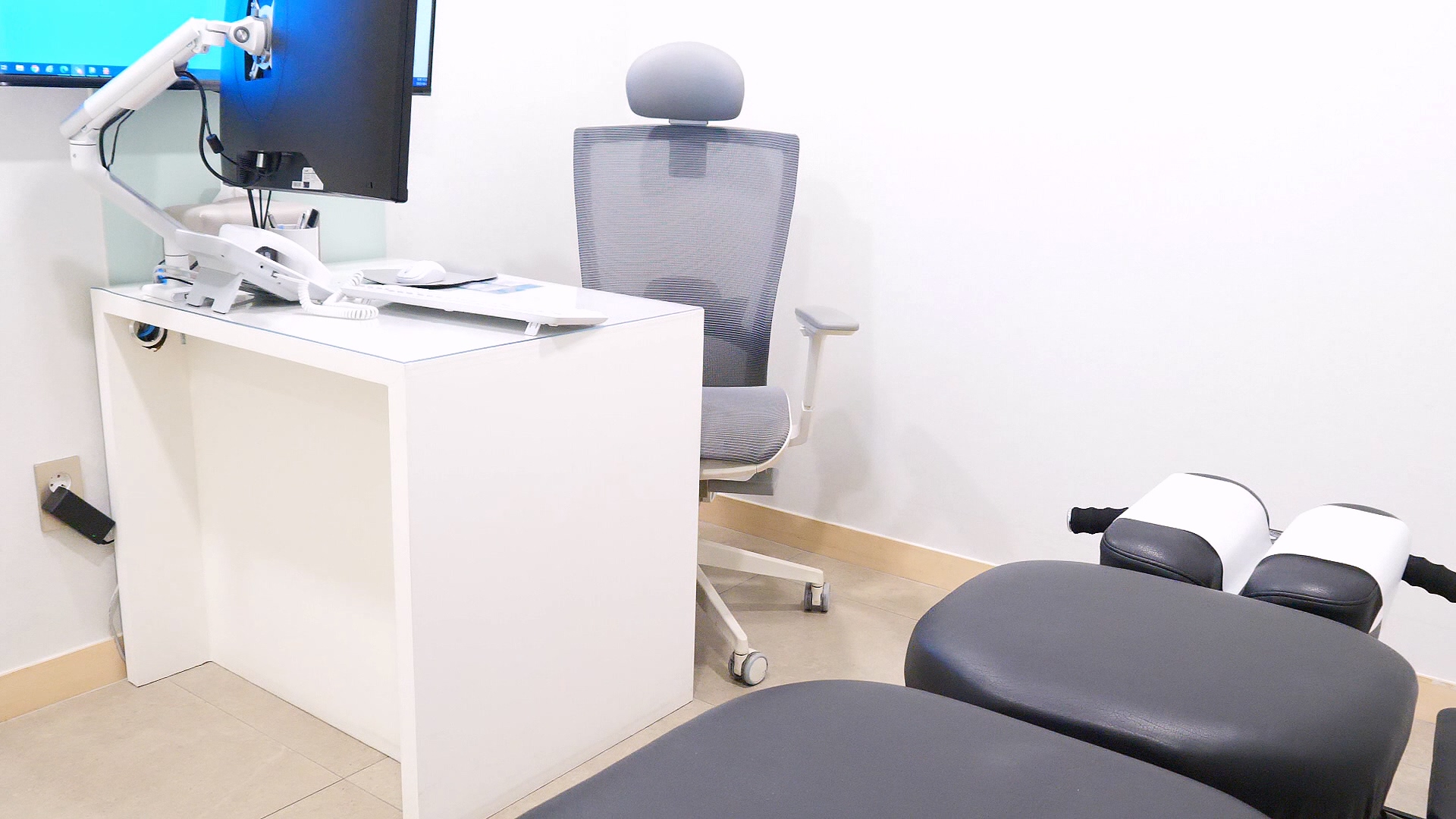
Improving balance and coordination through spinal and jaw correction is not merely about posture; it is about restoring the fundamental communication between your brain and body. Many people suffer from subtle dizziness or unsteadiness that persists despite normal scans. At Bonecure Korean Medicine Clinic, we often find that the root cause lies in the misalignment of the temporomandibular joint (TMJ) and the upper cervical spine, which disrupts the body's natural equilibrium sensors.
Understanding the Connection Between Spinal Alignment and Jaw Balance
The relationship between the jaw and the spine is a fundamental bio-mechanical link that regulates the body's center of gravity and neurological feedback loops. This connection ensures that the brain receives accurate information about the body's position in space, which is essential for maintaining fluid movement and physical stability. When this structural axis is compromised, the nervous system may struggle to coordinate basic motor tasks, leading to chronic fatigue or coordination disturbances. By identifying the root causes of pain and restoring the body’s overall balance through personalized treatment plans, we aim to help each patient regain a healthy daily life.
The Role of the Jaw as a Balance Sensor
The jaw serves as a sophisticated balance sensor because it is densely populated with proprioceptive nerves that communicate directly with the brainstem. At Bonecure, we emphasize that the alignment of the jaw is critical for the vestibular system's accuracy. When the TMJ is tilted or compressed, it can send conflicting signals to the brain, creating a sense of instability. In our clinical experience, correcting these micro-alignments often leads to immediate functional changes that the patient can perceive. While many patients experience a significant shift during their first visit, chronic cases of structural imbalance may require sustained care to stabilize the new alignment. While the procedure is generally safe, patients should be aware that temporary jaw soreness or mild discomfort is possible as the muscles recalibrate. These results are specific to individual cases and may vary based on the patient's condition.
How Cervical Alignment Influences Global Coordination
Cervical alignment, specifically the relationship between the first and second vertebrae, acts as the gateway for neural transmission between the brain and the rest of the body. If the upper neck is misaligned, it creates a cascading effect of muscular tension throughout the spine, which directly impairs global coordination and gait. Clinical observations suggest that even minor shifts in the cervical axis can disrupt the firing patterns of the spinal cord. At Bonecure, we focus on restoring this symmetry to ensure that proprioceptive signals are clear and unobstructed. By stabilizing the neck, we allow the body to rediscover its natural center of gravity, which often leads to more confident movement. However, it is essential to understand that structural restoration is a progressive process. Results vary based on the patient's age and the duration of their structural deformity, and multiple sessions are typically necessary to achieve a stable, long-lasting correction.
Identifying Symptoms of Structural Imbalance
Symptoms of structural imbalance often manifest in ways that seem unrelated to the spine or jaw, such as unexplained dizziness, difficulty walking in a straight line, or frequent tripping. Patients may also experience localized issues like chronic neck stiffness or clicking sounds in the jaw, which serve as early warning signs of a deeper coordination problem. At Bonecure, we use objective measures like the Visual Analog Scale (VAS) to track symptom intensity. In our clinical practice, we aim to help patients with chronic dizziness by improving structural alignment, which is intended to support the body's natural balance mechanisms. These symptoms are signals from the autonomic nervous system that the body's physical architecture is under stress. Ignoring these signs can lead to more complex conditions like cervicogenic vertigo. Patients should be prepared for a thorough assessment, as identifying the exact point of adhesion or tilt is the first step toward recovery.
The Science of Improving Balance and Coordination Through Spinal and Jaw Correction
This scientific approach focuses on Functional Cerebrospinal Therapy (FCST) to realign the cranial-cervical junction, thereby optimizing the flow of neurological signals and restoring equilibrium. By addressing the structural relationship between the skull, the jaw, and the spine, we can influence the central nervous system's ability to process balance information. This method is based on the principle that a balanced structure leads to a balanced function, allowing the body to heal itself from the inside out. At Bonecure, we combine traditional Korean medicine treatments—including Chuna therapy and Acupotomy—with modern diagnostic approaches to design impactful recovery plans.
FCST and the Neurological Pathway to Equilibrium
FCST works by utilizing the jaw as a lever to balance the relationship between the cranium and the cervical spine. This process targets the suboccipital muscles and the dura mater, which are often under excessive tension in individuals with coordination issues. In our practice at Bonecure, we have observed that normalizing the space between the atlas and the skull can significantly reduce neurological interference. Clinical notes from individual case reports, including those involving post-concussion syndrome, indicate that structural realignment can lead to improved physical stability. For instance, the goal of these targeted corrections is to facilitate a measurable improvement in the patient's sense of equilibrium. It is important to remember that these results are individual and cannot be guaranteed for every person. The procedure involves precise adjustments that may cause minor, temporary headaches or fatigue in a small percentage of patients. Consistent follow-up is necessary to maintain the integrity of the newly established neurological pathways.
The Relationship Between the TMJ and Proper Proprioception
The TMJ is more than a joint for chewing; it is a primary source of proprioceptive input for the entire body. When the TMJ is misaligned, the brain receives distorted information about the head's position, leading to compensatory shifts in the pelvis and shoulders. At Bonecure, we analyze these compensations to understand how jaw dysfunction is affecting global balance. By restoring the correct vertical and horizontal dimensions of the jaw, we can effectively "reset" the body's internal GPS. In our clinical observations, individual patients presenting with long-term Meniere’s-like symptoms have shown improvements in balance after completing a comprehensive course of structural care tailored to their needs. However, because the jaw is involved in constant daily activity, the recovery process requires patient compliance with posture. Some may experience localized muscle fatigue as the body adapts to a more symmetrical alignment, but this is usually a sign of positive functional change.
Structural Realignment for Enhanced Physical Stability
Structural realignment aims to correct the physical deviations that force the body to work harder just to stand upright. When the spine is properly aligned, the muscular effort required to maintain balance is minimized, which increases overall physical stamina. At Bonecure, we utilize whole-spine X-ray analysis via our partner medical institutions to visualize these deviations and plan a precise course of treatment. In our clinical experience, restoring the natural curves of the spine has helped many individuals walk with greater ease and stability. Addressing pelvic and cervical alignment can be highly beneficial for individuals dealing with recurring instability, helping them regain functional balance. It is crucial to note that while many feel a sense of immediate lightness, true structural stability is built over time. Minor bruising or temporary stiffness after manual therapy is common. Each patient’s recovery timeline is unique, and those with long-standing structural issues may require a more intensive initial phase of care.
Integrative Treatment Methods for Chronic Coordination Issues
Integrative structural care combines traditional manual techniques with precision instruments like the Acupotome to release adhesions and decompress the nervous system. This multi-faceted approach ensures that both the hard structures, like bones, and the soft tissues, such as fascia and ligaments, are addressed simultaneously. By removing the physical barriers to movement, we can facilitate a more complete recovery of coordination and balance. Our clinic devotes itself to identifying root causes rather than simply relieving symptoms.
Acutomy for Adhesion Release and Tissue Recovery
Acutomy, or specialized needle-scalpel therapy, is a cornerstone of our approach for releasing deep-seated tissue adhesions that restrict movement. These adhesions often form around the joints and spine due to chronic inflammation, acting as physical anchors that prevent proper alignment. At Bonecure, we use Acutomy to precisely target these areas, allowing for the restoration of normal tissue elasticity. This technique is particularly effective for patients who have found little relief from standard therapies. In clinical settings, we have seen that releasing adhesions in the cervical region can alleviate the tension contributing to vertigo symptoms. However, because Acutomy is a specialized procedure, it may cause temporary local soreness, minor bleeding, or infection in rare cases. It is a highly focused intervention that requires a thorough understanding of anatomy. Its effectiveness is enhanced when combined with structural alignment therapies to ensure long-term functional balance.
Acupuncture for Back Pain and Neural Decompression
Acupuncture for Back Pain: Structural Alignment and Root Cause Recovery is an essential component of our integrative strategy. While balance often starts with the jaw and neck, the lower back and pelvis provide the foundation for stable coordination. At Bonecure, we use specialized acupuncture to decompress the nerves and reduce the muscular guarding that accompanies spinal misalignment. By calming the nervous system and improving circulation, we create an environment conducive to structural healing. In my practice, I have seen individuals with chronic lower back tension find that their overall coordination improves as their pain levels decrease. Individual case reports often show a significant reduction in pain scores during the course of treatment. Nevertheless, it is important to acknowledge that results vary, and patients with degenerative conditions may require ongoing maintenance to manage symptoms and prevent further structural decline.
Chuna Manual Therapy for Structural Symmetry
The Science Behind Rapid Functional Relief After Chuna Therapy: A 2026 Professional Guide explains how manual manipulation can restore joint mobility. Chuna therapy at Bonecure involves specific movements designed to realign the spine and extremities, correcting functional imbalances. This therapy is highly personalized, focusing on the specific needs of each patient’s musculoskeletal system. In many cases, we observe that correcting a tilted pelvis or a rotated vertebra can provide an immediate sense of improved balance. Our clinical notes include instances where patients experienced renewed stability after just a few sessions. It is essential to pair Chuna with corrective exercises to prevent the body from returning to old patterns. While Chuna is generally very comfortable, some patients may feel a temporary "healing crisis" with mild fatigue for a day or 두 as the body reorganizes itself. As with all treatments, individual responses will vary.
Comparing Structural Correction with Conventional Symptom Management
Understanding the difference between treating a symptom and addressing a root cause is vital for long-term health. While medication is a common approach for managing dizziness, structural correction offers an alternative by focusing on the physical alignment that may contribute to these symptoms. By comparing these approaches, patients can make an informed decision about their path to recovery.
| Feature | Bonecure Structural Care | Conventional Symptom Management |
|---|---|---|
| Primary Focus | Root cause structural realignment | Immediate symptom relief |
| Methods Used | FCST, Acutomy, Chuna, Acupuncture | Medication, general physical therapy |
| Neurological Impact | Normalizes proprioception and nerve flow | Focuses on sensory signal modulation |
| Long-term Goal | Sustainable structural integrity | Targeted relief from discomfort |
| Patient Involvement | Postural education and exercises | Primarily passive treatment |
The Difference Between Symptomatic Relief and Root Cause Care
Symptomatic relief provides a service by reducing immediate pain, and it can be complemented by structural care which focuses on the underlying physical alignment. At Bonecure, we believe that unless the underlying structural cause is corrected, symptoms may return or migrate. For instance, taking medication for dizziness may stop the sensation, but it won't fix a misaligned jaw that is misfiring signals to the brain. Our approach focuses on the 3D alignment of the spine and TMJ to ensure the mechanical foundation is sound. In our clinical observations, patients who undergo root cause care often find they no longer need to rely on temporary fixes for coordination issues. While the root cause approach may require more effort initially, it aims to provide a sustainable solution that enhances overall physical resilience. We emphasize that when your bones smile, life smiles.
Long-term Benefits of Restoring Structural Integrity
Restoring structural integrity offers benefits that go far beyond the resolution of a single symptom. A balanced body experiences less wear and tear on the joints and a more efficient nervous system. At Bonecure, we emphasize that a healthy structure is the basis for a vibrant life. Patients who achieve long-term structural symmetry frequently report higher energy levels and a greater sense of well-being. Furthermore, maintaining proper alignment can help prevent the development of certain degenerative joint conditions. Consistent structural care and long-term maintenance are generally recommended to support lasting physical stability and prevent the recurrence of discomfort. It is important to remember that maintaining this integrity requires a commitment to healthy lifestyle choices and regular check-ups. While the benefits are significant, they are best sustained through a collaborative effort between the doctor and the patient.
Clinical Observations and Safety Guidelines at Bonecure
Transparency and safety are paramount when undergoing structural correction. At Bonecure, we utilize clinical evidence and detailed observations to guide our treatment protocols and ensure the best possible outcomes for our patients. Understanding the risks and the nature of the recovery process helps patients navigate their journey with confidence and clarity.
Insights from Traditional Medicine Clinical Notes
Our Traditional Medicine Clinical Notes: Structural Integrity and Evidence-Based Documentation at Bonecure Clinic provide a wealth of information on our protocols. These notes detail case studies, such as the management of complex autonomic dysfunction through structural care. Dr. Song Jeong-hyeon: Precision Acupotomy and Impactful Structural Recovery at Bonecure illustrates how these methods are applied to clinical challenges. We have seen improvements in objective scales like the Beck Depression Inventory (BDI) when structural issues are resolved in specific individuals. However, these case reports represent individual results and are not a guarantee of success for every patient. Each case is documented with precision to ensure our treatments are always grounded in ongoing clinical learning and reality.
Navigating Risks and Individual Variability in Treatment
Every medical intervention carries some level of risk, and structural correction is no exception. At Bonecure, we are committed to disclosing potential side effects, which may include localized tenderness, minor bruising, or a temporary increase in symptoms during the adjustment period. These reactions are typically mild and resolve within a few days. Individual variability plays a major role; factors such as genetics, past injuries, and current lifestyle influence the pace of recovery. For example, a patient with a history of trauma may require a slower adjustment period compared to someone with a minor postural issue. We conduct a thorough initial consultation to assess these factors and develop a safe, personalized plan. It is crucial for patients to communicate any discomfort, as this feedback allows us to adjust the treatment for maximum safety while respecting the body's natural limits.
What to Expect During the Recovery Process
The recovery process for structural issues is often non-linear. At Bonecure, we educate our patients on what to expect, from the immediate relief of acute tension to the stabilization of the spine and jaw. During the first sessions, the focus is on reducing inflammation and releasing adhesions. As treatment progresses, the focus shifts toward reinforcing the new alignment through Chuna and targeted exercises. Many patients find that their sense of balance improves gradually, with episodes of dizziness becoming less frequent. It is important to maintain a patient mindset. While we strive for immediate functional improvement—where the patient can often feel the difference right away—the ultimate goal is a stable and resilient structure. We encourage regular monitoring to ensure that the recovery is staying on track and that the patient is empowered with the tools they need for lasting health.
Key Takeaways
- Root Cause Focus: Effective balance improvement requires addressing the structural relationship between the TMJ and the cervical spine.
- Integrative Techniques: Combining FCST, Acutomy, and Chuna targets both bones and soft tissues for a comprehensive recovery.
- Immediate Change: Patients often experience immediate functional improvements, though chronic conditions require sustained stabilization care.
- Safety First: Potential side effects like temporary soreness or minor bruising are typically mild and managed through professional care.
- Individual Results: Clinical observations show improvements in stability, but outcomes vary based on individual structural state and history.
Frequently Asked Questions
Q. What is the primary goal of spinal and jaw correction for balance?
The primary goal is to restore structural symmetry between the TMJ and the cervical spine. This alignment helps normalize the nervous system's signals, leading to improved balance. By addressing the root structural cause, we aim to provide a more sustainable solution than simply masking symptoms with medication.
Q. How long does it take to see improvements in coordination?
Many patients experience immediate functional changes during or right after a session. However, chronic conditions typically require a series of treatments for long-term stabilization. Results vary based on the individual's structural state and how long they have had the imbalance.
Q. Are there any side effects associated with Acutomy or spinal correction?
Some patients may experience temporary soreness, minor bruising, or localized tenderness at the site of treatment. For Acutomy, there is a small risk of temporary bleeding or infection. These reactions are generally mild and subside within a few days. We discuss all potential risks during the initial consultation.
Q. Does Bonecure provide acupuncture for back pain alongside jaw correction?
Yes, we utilize specialized acupuncture and Acutomy to address the muscular tensions in the back that often accompany jaw and spinal imbalances. This integrative approach ensures that the entire structural foundation of the body is supported, leading to better stability.
Q. Is jaw correction painful?
The correction techniques, such as FCST, are designed to be precise. While some pressure or minor discomfort may be felt during the adjustment, the process is structured to be as comfortable as possible. Any temporary soreness afterward is usually a sign that the muscles are adapting to a new position.
Q. How much does a typical treatment course cost at a Korean medicine clinic in Cheongdam?
Costs vary significantly based on the complexity of the case and the specific therapies required. Because we provide personalized structural care, we recommend a direct consultation for a detailed assessment. This allows us to provide a clear explanation of the investment required for your recovery.
Q. Can this treatment help with dizziness or vertigo caused by neck issues?
Cervicogenic dizziness often stems from misalignments in the neck and jaw that interfere with proprioceptive signals. By correcting these structural issues, many patients find relief from coordination disturbances. However, it is important to remember that individual results vary and a professional diagnosis is necessary.
I hope this guide has provided you with a clearer understanding of how structural integrity affects your balance. If you are struggling with coordination issues, please feel free to reach out for a consultation.
Bonecure / Dr. Song Jeong-hyeon
FAQ
- What is the primary goal of spinal and jaw correction for balance?
- The primary goal is to restore the structural symmetry between the temporomandibular joint and the cervical spine. This alignment helps normalize the nervous system's signals, leading to improved balance and coordination. By fixing the root structural cause, we aim to provide a more permanent solution than simply masking symptoms with medication.
- How long does it take to see improvements in coordination?
- While some individuals may notice a difference in stability shortly after a session, chronic conditions typically require a series of treatments. Results vary based on the individual's structural state, health history, and how long they have had the imbalance. Most patients begin to see meaningful change after 5 to 10 sessions, but long-term stability often takes longer.
- Are there any side effects associated with Acutomy or spinal correction?
- Some patients may experience temporary soreness, minor bruising, or localized tenderness at the site of treatment. These reactions are generally mild and subside within a few days as the body begins the healing process. We discuss all potential risks and individual sensitivities during the initial consultation to ensure the safest possible experience.
- Does Bonecure provide acupuncture for back pain alongside jaw correction?
- Yes, we utilize specialized acupuncture and Acutomy to address the muscular tensions and adhesions in the back that often accompany or contribute to jaw and spinal imbalances. This integrative approach ensures that the entire structural foundation of the body is supported, leading to better overall coordination and stability.
- Is jaw correction painful?
- The correction techniques, such as FCST, are designed to be precise rather than forceful. While some pressure or minor discomfort may be felt during the adjustment, the process is structured to be as comfortable as possible for the patient. Any temporary soreness afterward is usually a sign that the muscles are adapting to a new, healthier position.
- How much does a typical treatment course cost at a Korean medicine clinic in Cheongdam?
- Costs vary significantly based on the complexity of the case and the specific combination of therapies required for each individual. Because we provide personalized structural care, we recommend a direct consultation for a detailed assessment. This allows us to provide a clear explanation of the value and the investment required for your specific recovery journey.
- Can this treatment help with dizziness or vertigo caused by neck issues?
- Cervicogenic dizziness often stems from misalignments in the upper neck and jaw that interfere with proprioceptive signals. By correcting these structural issues, many patients find relief from coordination disturbances and a renewed sense of stability. However, it is important to remember that individual results vary and a professional diagnosis is necessary to determine the cause of your dizziness.