
Post
Restoring Balance: A 2026 Structural Guide to Managing Vestibular Migraine
Hello, I am Director Song Jung-hyun.
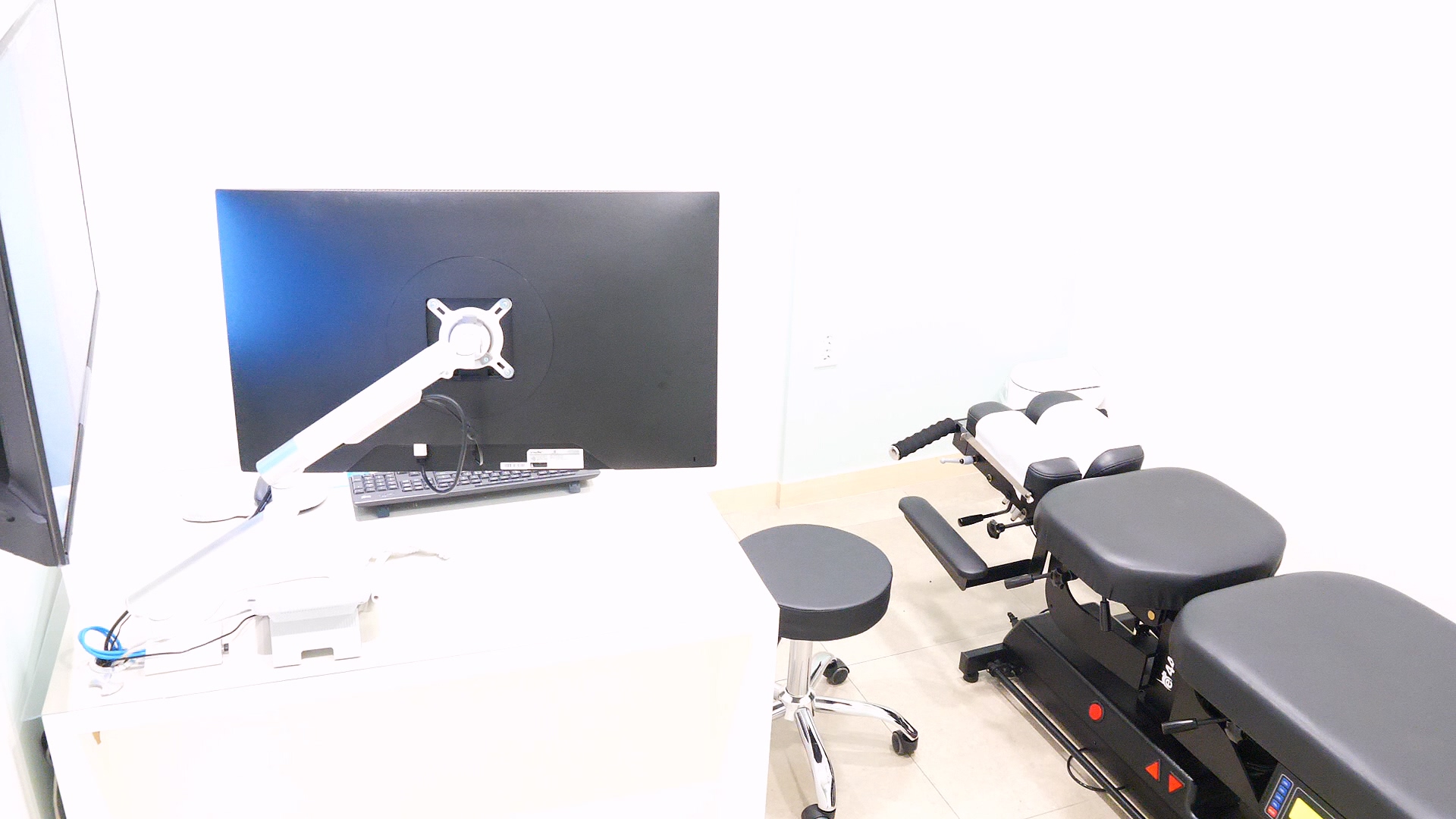
I have dedicated my career to refining structural restoration techniques to help patients reclaim their quality of life. Vestibular migraine is a complex neurological condition characterized by recurrent episodes of vertigo or dizziness in individuals with a history of migraine symptoms. At BonCure Korean Medicine Clinic, we believe that restoring the structural alignment of the body is a critical step toward achieving sustainable neurological health and functional balance.
Understanding Vestibular Migraine and Its Impact on Balance
Vestibular migraine is defined as a primary headache disorder where the vestibular system, responsible for balance and spatial orientation, is significantly affected. Unlike traditional migraines that focus on localized pain, this condition disrupts the sensory processing centers of the brain. This results in persistent dizziness, lightheadedness, and sensitivity to motion that can last from minutes to several days. Understanding the neurological triggers and the role of the central nervous system is essential for developing an effective management plan.
Defining Vestibular Migraine Beyond the Typical Headache
While most people associate migraines with throbbing pain on one side of the head, a vestibular migraine frequently presents without any headache at all. In my clinical observations, a significant portion of patients experience dizziness as their primary symptom rather than head pain. This specific condition involves the sensitization of the trigeminovascular system, where the signals for pain and balance become intertwined. In my clinical experience, chronic dizziness and tinnitus are frequently linked to long-standing structural tension in the upper cervical region. By focusing on the underlying nervous system hypersensitivity, we can begin to address why the brain is misinterpreting balance signals. It is not just about stopping a headache. It is about recalibrating the internal sensors that tell your body where it is in space. This holistic view is necessary because the brain and the body do not function in isolation from one another.
Common Symptoms and the Challenge of Accurate Diagnosis
Accurate diagnosis remains a significant challenge because the symptoms often overlap with other inner ear disorders like Meniere's disease or BPPV. Patients often describe a sensation of rocking, spinning, or being on a boat, which can be accompanied by extreme sensitivity to light and sound. Clinical observations indicate that a notable portion of the general population may suffer from this condition, yet many remain undiagnosed for years. The diagnostic process at BonCure involves a comprehensive review of the patient's medical history and structural assessment. We look for patterns where movement triggers specific neurological responses. Because symptoms can fluctuate, it is important to document the frequency and duration of every episode. Some treatments may focus on symptom relief, but our approach emphasizes identifying and addressing underlying dysfunctions for long-term stability. A precise evaluation is the first step toward a personalized recovery plan that focuses on long-term stability alongside the management of acute vertigo episodes.
The Anatomical Link Between Cervical Spine Health and Vertigo
There is a profound anatomical connection between the upper cervical spine and the vestibular nuclei located in the brainstem. The first two vertebrae, known as the atlas and axis, house critical pathways for nerves and blood vessels that serve the inner ear and brain. When these structural elements are misaligned, they can create mechanical stress that irritates the autonomic nervous system. In my practice, I have observed that addressing these specific structural imbalances can significantly help in reducing subjective discomfort and stabilizing the vestibular system. This irritation can manifest as vestibular dysfunction, leading to the dizziness associated with migraines. Clinical experience shows that a significant majority of migraine sufferers also report neck pain, suggesting a strong cervicogenic component. By focusing on the alignment of the cervical spine, we can reduce the neurological noise that triggers vestibular episodes. Restoring this delicate anatomical balance may play an important role in chronic migraine management and balance restoration.
A Structural Approach at our Korean Traditional Medicine Clinic Cheongdam
Structural medicine is a therapeutic philosophy that views the body as an integrated framework where the alignment of bones and the tension of soft tissues directly influence organ function. At BonCure, we apply this principle to neurological conditions by focusing on how the physical architecture of the neck and spine affects brain health. By identifying areas of mechanical restriction and nerve compression, we can implement targeted therapies that encourage the body to heal itself. This approach moves beyond symptom suppression toward fundamental physical restoration.
How Spinal Misalignment Contributes to Vestibular Dysfunction
Spinal misalignment, particularly in the upper neck, can lead to a condition known as proprioceptive interference. When the small muscles surrounding the cervical vertebrae are chronically tight, they send conflicting signals to the brain regarding the head's position. This conflict between what the eyes see and what the neck feels is a primary driver of dizziness. At BonCure, we analyze the 'Whole Spine' X-ray to identify even minor deviations in the 2026 standard of spinal care. These misalignments can impede the flow of cerebrospinal fluid and increase pressure on the cranial nerves. Over time, this mechanical stress sensitizes the nervous system, making it more prone to migraine triggers. Correcting these deviations is not just about bone health. It is about clearing the pathways for neurological communication. When the spine is properly aligned, the brain can process sensory information more accurately, which naturally reduces the frequency and intensity of vestibular flare-ups and associated discomfort.
Oriental Medicine for Chronic Pain and Its Effect on Migraine Frequency
Korean Traditional Medicine offers a unique perspective on chronic pain by addressing the flow of vital energy and the balance of internal systems. In the context of migraines, we focus on resolving 'stagnation' in the tissues surrounding the head and neck. By using refined techniques, we can modulate the body's inflammatory response and improve the resilience of the nervous system. Clinical observations suggest that patients undergoing integrative care may experience a reduction in migraine frequency and improved neurological resilience over time. This is achieved by combining manual therapy with herbal prescriptions that nourish the nerves and stabilize the vascular system. At BonCure, we emphasize that chronic pain is a signal of a deeper structural or systemic imbalance. By addressing the 'root' rather than just the 'branch', we provide a foundation for lasting health. This integrative approach ensures that the patient's entire physiology is supported during the recovery process, leading to better outcomes and a lower risk of future relapses.
The Importance of Restoring Blood Flow to the Brainstem and Inner Ear
Optimal blood circulation is vital for the health of the vestibular system and the brainstem, which are highly sensitive to oxygen deprivation. The vertebral arteries pass through the cervical vertebrae, meaning any structural shift can potentially restrict blood flow to the posterior part of the brain. At BonCure, our goal is to eliminate these mechanical obstructions to ensure the brain receives the nutrients it needs. Improved circulation helps flush out metabolic waste and reduces the chemical irritation of the nerves. Through consistent structural therapy aimed at improving cranial blood flow, it is possible to support the inner ear's circulatory environment and promote functional recovery. When the inner ear receives a steady supply of oxygenated blood, it can function more efficiently, reducing the risk of vertigo. Understanding the Autonomic Nervous System Test for Structural and Neurological Health in 2026 is often helpful in assessing how well the body is regulating these vital circulatory functions. Ensuring vascular health is a cornerstone of our comprehensive structural restoration strategy.
BonCure Specialized Acupotomy and Chuna Therapy for Restoration
Specialized interventions like Acupotomy and Chuna involve the precise manipulation of both soft tissue and skeletal structures to restore functional harmony. Acupotomy utilizes a specialized, blade-like tool to release chronic adhesions in the fascia, while Chuna focuses on the manual realignment of the joints and bones. Together, these therapies provide a dual-action approach that addresses the mechanical causes of neurological irritation. These methods are designed to produce functional improvements while fostering long-term structural integrity through specialized care. However, it is important to note that results may vary among patients, and multiple sessions are often required to achieve stable structural goals.
Acupotomy: Utilizing Specialized Tools to Release Soft Tissue Adhesions
Acupotomy is a specialized technique that uses a flat-headed needle to perform blunt dissection of fibrotic tissues. In chronic conditions, the muscles and fascia in the neck can become 'glued' together through micro-scarring, which restricts movement and compresses nerves. At BonCure, we use this tool to release these adhesions, thereby restoring the elasticity of the soft tissues. This process encourages the regeneration of healthy tissue and reduces the physical triggers for migraines. In some instances, some patients may experience progressive comfort even early in the process while seeking structural support. However, it is important to note that potential side effects such as localized soreness, temporary bleeding, or minor bruising may occur. For more details on what to expect, you may read our Acupotomy Side Effects and Safety: A 2026 Clinical Guide by Bonecure. This procedure is essential for those whose symptoms are rooted in deep-seated structural tension.
Correcting the Axis: Chuna Therapy and Cervical Realignment
Chuna therapy is a manual procedure where the practitioner uses their hands and specialized tables to correct the positioning of the spine. For vestibular migraine sufferers, we focus heavily on the upper cervical region to relieve pressure on the brainstem. This realignment helps restore the natural curvature of the neck, which is often lost due to poor posture or trauma. At BonCure, our Chuna techniques are grounded in anatomical science and tailored to the individual's specific structural needs. By improving the mechanics of the neck, we allow the nervous system to transition from a state of constant 'fight or flight' to one of relaxation and repair. This shift is critical for reducing the sensitivity that leads to migraine attacks. Consistent realignment sessions help reinforce better postural habits, making the body more resilient to environmental stressors. In my experience, patients who prioritize structural alignment often report an improvement in their overall balance and a reduction in chronic lightheadedness.
Comparing Integrative Korean Medicine with Conventional Symptom Management
When comparing approaches, it is helpful to look at how different methods target the pathology of the condition. BonCure focuses on a restorative model that seeks to improve the physical environment of the nervous system by addressing underlying structural triggers. While various management options exist, our approach emphasizes the restoration of spinal alignment and blood flow through Acupotomy, Chuna, and herbal medicine to support long-term stability and neurological harmony. Our approach aims to address both underlying factors and symptom management as part of comprehensive care.
Insights from a Korean Medicine Doctor Blog: Clinical Observations
Clinical observations provide evidence-based insights into how patients respond to structural restoration in real-world settings. By analyzing data from individual cases, we can identify which techniques are most effective for specific symptoms like vertigo or tinnitus. These observations help us refine our protocols at BonCure to ensure that every patient receives advanced care in 2026. Sharing these insights is part of our commitment to transparent and evidence-based medicine.
Analysis of Traditional Medicine Clinical Notes on Vestibular Recovery
My clinical notes suggest that vestibular recovery is most successful when treatment is both intensive and consistent. For instance, while individual results vary, many patients begin to notice a gradual improvement in balance and functional stability as they progress through a structured course of Acupotomy. We use objective scales to measure progress, ensuring that the patient's subjective relief is matched by functional improvements. At BonCure, we also track postural changes through imaging to confirm that the structural goals are being met. It is common for a patient to start with significant distress and see that discomfort drop as their neck alignment improves. These clinical records are invaluable for predicting the trajectory of a new patient's recovery. They allow us to set realistic expectations and provide a clear roadmap for the journey back to health.
Addressing Women Health and Hormonal Factors in Migraine Management
Vestibular migraines are significantly more common in women, with research suggesting that hormonal fluctuations during the menstrual cycle or menopause can act as major triggers. At BonCure, we integrate this understanding into our structural approach by supporting the endocrine system through specialized herbal medicine. Clinical data shows that women are significantly more likely to experience migraines than men, highlighting the need for gender-specific care. We find that when the body is under structural stress, it is less able to handle the neurological impact of hormonal shifts. By stabilizing the cervical spine, we can lower the overall 'threshold' for migraine triggers. This means that even when hormones fluctuate, the nervous system remains more stable and less likely to react with a vertigo episode. This holistic approach ensures that we are not just treating a neck, but a person with a complex and interconnected physiological system.
Long-term Maintenance and the Goal of Sustainable Lifestyle Recovery
The ultimate goal of treatment at BonCure is to empower patients to maintain their health through sustainable lifestyle habits. Once structural alignment is achieved, we focus on postural education and specific exercises to strengthen the supporting muscles of the spine. Recovery is an ongoing process of physical maintenance. We encourage our patients to be mindful of 'tech neck' and other modern stressors that can undo the progress made during treatment. While Acupotomy and Chuna provide the initial correction, the patient's daily habits determine the longevity of those results. Periodic maintenance sessions may be beneficial for some individuals, especially those with high-stress jobs or previous injuries. Our aim is to provide you with the tools and the structural foundation to live a life free from the fear of the next migraine attack. True health is the ability to move through the world with confidence and balance, knowing your body is properly aligned and supported.
Key Takeaways
- Vestibular migraine often presents as dizziness or vertigo rather than a traditional headache, requiring a specialized diagnostic approach.
- Structural misalignment in the cervical spine can irritate the brainstem and vestibular nuclei, acting as a primary trigger for episodes.
- BonCure utilizes specialized Acupotomy to release soft tissue adhesions and Chuna therapy to realign the vertebrae for neurological relief.
- Improved blood flow to the inner ear and brainstem is essential for maintaining balance and reducing the frequency of migraine attacks.
- Long-term recovery depends on a combination of structural restoration and sustainable lifestyle habits to maintain spinal health.
Frequently Asked Questions
Q. What exactly is a vestibular migraine and how does it differ from vertigo?
A vestibular migraine is a nervous system problem that causes repeated dizziness or vertigo in people who have a history of migraine symptoms. Unlike typical vertigo which might be caused by inner ear crystals, this condition is often linked to sensitive pain pathways in the brain and structural tension in the neck. At BonCure, we address both the neurological and mechanical components of this disorder.
Q. How does BonCure approach the treatment of vestibular migraine?
At BonCure, I focus on the structural integrity of the cervical spine. By using Acupotomy to release tight tissues and Chuna therapy to realign the vertebrae, we aim to reduce the neurological irritation that triggers migraine episodes and dizziness. This helps the brain process sensory information more accurately and reduces overall sensitivity.
Q. Are there any side effects associated with Acupotomy or acupuncture?
As with any clinical procedure, some patients may experience temporary soreness at the site of treatment, minor bruising, or lightheadedness. There is also a small risk of localized bleeding or infection. These effects are usually transient. I always conduct a thorough consultation to ensure the treatment is appropriate for your specific condition.
Q. How many sessions are typically required to see an improvement?
The number of sessions varies significantly depending on the chronicity and severity of your symptoms. While some patients report feeling a change after just a few sessions, chronic cases involving deep structural issues often require a structured plan over several weeks. Typical results vary based on your unique physical condition.
Q. What is the cost of vestibular migraine treatment at your clinic?
The cost depends on the specific combination of therapies such as Acupotomy, Chuna, and herbal medicine required for your case. We provide a detailed explanation of the value and process during your initial consultation. During this visit, we can discuss your personalized care plan and the investment required for your recovery.
Q. Can I receive Korean traditional medicine treatment while taking Western migraine medication?
Yes, many patients use an integrative approach to manage their health. Our goal is to address the underlying structural causes of your pain and dizziness, which can often work in harmony with your existing medical regimen. Please disclose all current medications during your consultation so we can coordinate your care safely.
Q. Is the relief from Acupotomy and Chuna therapy permanent?
While these treatments aim for fundamental structural improvement, maintaining the results depends on lifestyle habits and posture. We focus on 'root cause' recovery to provide long-lasting stability, though periodic maintenance may be beneficial for some individuals. Consistent care and postural awareness are key to preventing the recurrence of structural imbalances.
If you are struggling with persistent dizziness or balance issues, I am here to help you find the root cause. You are welcome to visit for a detailed structural analysis.
BonCure Korean Medicine Clinic / Director Song Jung-hyun
FAQ
- What exactly is a vestibular migraine and how does it differ from vertigo?
- A vestibular migraine is a nervous system problem that causes repeated dizziness or vertigo in people who have a history of migraine symptoms. Unlike typical vertigo which might be caused by inner ear crystals, this condition is often linked to sensitive pain pathways in the brain and structural tension in the neck. At Bonecure, we address both the neurological and mechanical components of this disorder.
- How does Bonecure approach the treatment of vestibular migraine?
- At Bonecure, I focus on the structural integrity of the cervical spine. By using Acupotomy to release tight tissues and Chuna therapy to realign the vertebrae, we aim to reduce the neurological irritation that triggers migraine episodes and dizziness. This helps the brain process sensory information more accurately and reduces overall sensitivity.
- Are there any side effects associated with Acupotomy or acupuncture?
- As with any clinical procedure, some patients may experience temporary soreness at the site of treatment, minor bruising, or lightheadedness. These effects are usually transient and a sign that the body is responding to the release of tissue tension. I always conduct a thorough consultation to ensure the treatment is appropriate for your specific condition and safety.
- How many sessions are typically required to see an improvement?
- The number of sessions varies significantly depending on the chronicity and severity of your symptoms. While some patients report feeling a change after just a few sessions, chronic cases involving deep structural issues often require a structured plan over several weeks. Typical results vary from person to person based on their unique physical condition.
- What is the cost of vestibular migraine treatment at your clinic?
- The cost depends on the specific combination of therapies such as Acupotomy, Chuna, and herbal medicine required for your case. We provide a detailed explanation of the value and process during your initial consultation. During this visit, we can discuss your personalized care plan and the investment required for your recovery.
- Can I receive Korean traditional medicine treatment while taking Western migraine medication?
- Yes, many patients use an integrative approach to manage their health. Our goal is to address the underlying structural causes of your pain and dizziness, which can often work in harmony with your existing medical regimen. Please disclose all current medications during your consultation so we can coordinate your care safely.
- Is the relief from Acupotomy and Chuna therapy permanent?
- While these treatments aim for fundamental structural improvement, maintaining the results depends on lifestyle habits and posture. We focus on 'root cause' recovery to provide long-lasting stability, though periodic maintenance may be beneficial for some individuals. Consistent care and postural awareness are key to preventing the recurrence of structural imbalances.