
Post
A 2026 Guide to Structural Balance and Functional Recovery in Korean Traditional Medicine
Greetings. I am Dr. Jeong-hyeon Song, a practitioner dedicated to the art of Acupotomy and structural recovery.
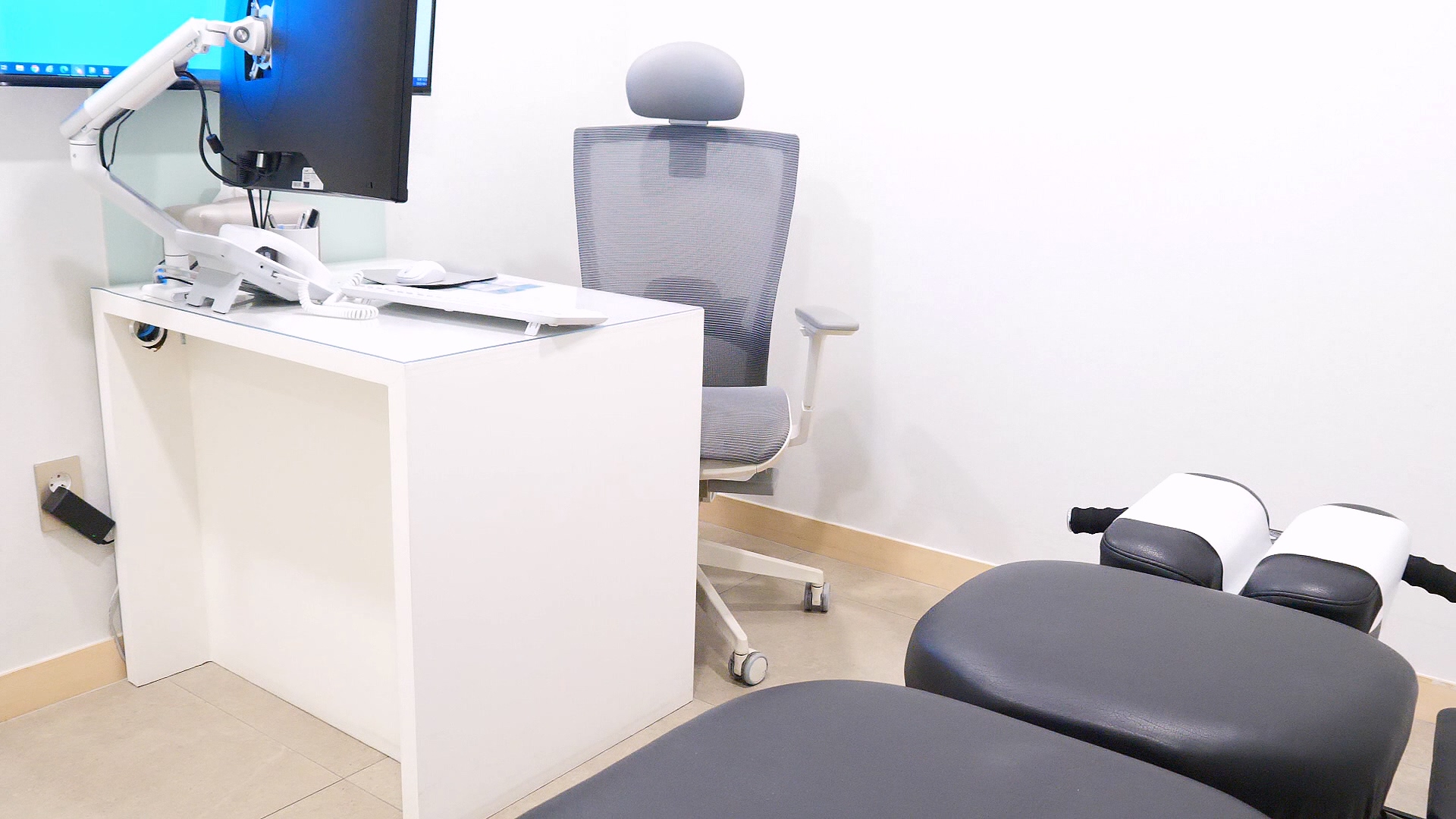
For those struggling with persistent pain or functional disorders, it is often necessary to look beyond the surface to find the underlying cause of nerve compression and structural misalignment. At Bonecure Korean Medicine Clinic, we provide a specialized approach that integrates musculoskeletal alignment with neurological health. Rather than simply suppressing symptoms, we focus on identifying the root causes of dysfunction—such as spinal misalignments—and restoring the body’s overall balance through personalized treatment plans. By combining traditional Chuna therapy and Acupotomy with modern diagnostic approaches, we aim to offer a path toward wellness that is both comprehensive and evidence-based.
Understanding the Holistic Framework of Structural and Neurological Health
Korean Traditional Medicine (KTM) as practiced at Bonecure defines health as the harmonious alignment of the skull and spine. We view chronic symptoms not as isolated issues but as indicators of systemic structural imbalance. Unlike approaches that solely focus on localized pain, our framework seeks to identify whether a patient's condition stems from nerve entrapment, autonomic nervous system irregularities, or spinal curvature issues. This perspective is vital for addressing complex conditions that often evade standard treatments. By prioritizing structural integrity, we facilitate the body's natural ability to regulate and heal itself, ensuring that recovery is deep-rooted and sustainable across the entire physiological system.
Structural Misalignment and Its Impact on Systemic Function
At Bonecure, we emphasize that the body’s structure is the foundation of its function. Misalignments in the cranial or spinal architecture often lead to various functional disorders that are not always visible on standard imaging. When the structural framework is compromised, it can lead to nerve compression and impaired circulation, manifesting as chronic pain or autonomic dysfunction. For instance, we focus on how the arrangement of the upper cervical spine can influence neurological pathways. Our clinical experience indicates that addressing these structural issues is essential for patients suffering from persistent discomfort. By correcting the structural root, we provide a more stable foundation for health. Research into KTM methodologies suggests that restoring spinal balance can significantly improve a wide range of functional symptoms, from dizziness to internal organ performance, highlighting the critical link between form and function.
Distinguishing Parkinson’s Disease from Parkinsonism and Tremors
Addressing movement disorders requires a nuanced understanding of their origins. It is crucial to distinguish between Parkinson’s Disease—a degenerative condition related to dopamine deficiency—and Parkinsonism, which refers to similar symptoms caused by other factors. In my clinical practice, I have observed that many patients labeled with Parkinsonism actually suffer from functional issues that respond well to structural correction. While Parkinson’s Disease requires long-term management to slow progression, Parkinsonism often shows more immediate improvement when structural nerve pressures are relieved. At Bonecure, we target the suboccipital muscles and upper cervical vertebrae to alleviate symptoms like bradykinesia and tremors. By focusing on these specific structural points, we aim to stabilize the nervous system. Our goal is to manage symptoms effectively while providing patients with a clearer understanding of their specific condition and a realistic roadmap for their recovery journey.
The Role of Autonomic Balance in Sensory and Neurological Health
In our clinic, the health of the autonomic nervous system is inseparable from structural alignment. Every person has a unique physiological resilience, but structural tension often acts as a constant stressor on the nervous system. For example, conditions like 'Burning Back Syndrome' (Dorsal Burning Sensation) are frequently linked to nerve entrapment within the thoracic muscles or fascia. This is not merely a skin issue but a sensory abnormality reflecting underlying structural strain. At Bonecure, we conduct thorough evaluations to identify these entrapment points, allowing us to customize treatments that release physical tension and calm the nervous system. This personalized care ensures we are treating the person, not just the symptom. Clinical notes indicate that when structural balance is restored, patients often report improvements in anxiety and sleep quality, demonstrating the profound connection between physical alignment and neurological well-being.
Core Modalities: Acupotomy and Structural Nerve Release
Core modalities at Bonecure involve a synergistic combination of Acupotomy, Chuna therapy, and pharmacopuncture to restore structural equilibrium. These treatments are specifically designed to release fibrotic tissue, reduce nerve compression, and enhance the body's innate healing capacity. By addressing the physical adhesions that hinder movement and nerve flow, these modalities provide a robust foundation for treating chronic pain and complex functional disorders that have resisted conventional management.
Structural Restoration Through Advanced Acupotomy (Dochim)
Combining Acupotomy with Chuna therapy creates a synergistic effect for patients dealing with chronic structural issues. At Bonecure, we utilize Acupotomy—a specialized needle therapy with a blade-like tip—to perform adhesion release on fibrotic tissues that traditional needles cannot reach. This process is pivotal for restoring normal muscle length and relieving pressure on trapped nerves. For instance, in cases of spasmodic torticollis (Sakyung-jeung), we focus on releasing the hardened muscles of the neck to restore natural movement. These techniques are formulated based on clinical expertise to promote better circulation and nerve signaling. Furthermore, our approach emphasizes that physical release must be paired with spinal realignment to ensure lasting results. By integrating these methods, we provide a multi-layered strategy that recognizes the body’s interconnectedness, ensuring that structural restoration facilitates long-term recovery and improved physical vitality.
Nerve Release Techniques and Their Impact on Functional Symptoms
Acupotomy is widely recognized for its efficacy in managing musculoskeletal pain, but its benefits extend far into the realm of functional health, such as treating tinnitus or dizziness. When we perform nerve release at the cervical level, we are directly influencing the pathways that govern sensory perception. By reducing physical pressure on the nerves, we can alleviate the 'noise' or 'imbalance' that patients experience. At Bonecure, we integrate these treatments to address the patient as a whole. In my clinical observations, patients who receive targeted Acupotomy for chronic structural issues often report significant improvements in symptoms like ringing in the ears or lightheadedness. This phenomenon occurs because improved nerve conduction facilitates more accurate signal transmission to the brain. By optimizing the body's structural pathways, we create an environment where the nervous system can function without interference, bridging the gap between structural integrity and sensory clarity.
Personalized Physical Therapy: Enhancing Alignment and Movement
Our clinic offers tailored physical therapy and Chuna to complement the deep tissue release of Acupotomy. These techniques involve the manual manipulation of the spine and joints to restore proper alignment and mobility. At Bonecure, we use these therapies to stabilize the skeletal system, especially for patients with chronic postural imbalances or spinal curvatures. The focus is on correcting the physical 'frame' so that the released tissues can heal in the correct position. While results vary based on the individual's condition, many patients find the process essential for maintaining the gains made during needle therapy. It is important to note that structural correction is typically a cumulative process, and long-term stability requires consistent follow-up. By enhancing the body's structural alignment, these modalities serve as powerful tools for combating the chronic stagnation and pain that arise from years of postural neglect or injury.
Specialized Care at Bonecure: Adhesion Release and Tissue Recovery
Specialized care at Bonecure focuses on the critical link between skeletal alignment and the health of the soft tissues. We believe that when the body's structure is out of balance, it creates tension and fibrotic adhesions that hinder the flow of blood and nutrients. Our treatments are designed to release these physical barriers, allowing for true systemic recovery and regeneration of healthy muscle and nerve function.
Releasing Fibrosis for Enhanced Nerve and Muscle Function
At Bonecure, we specialize in advanced Acupotomy designed to release micro-adhesions and fibrotic tissues that have effectively 'glued' muscles and nerves together. Chronic pain and functional disorders are often exacerbated by poor circulation caused by these internal structural tensions. By using specialized tools, we perform adhesion release that encourages tissue recovery and restores the natural elasticity of the muscle. This method is particularly effective for patients with chronic conditions like spasmodic torticollis, where muscles have become permanently shortened or hardened. In my clinical experience, restoring this structural balance leads to an immediate improvement in movement and a reduction in pain. Clinically, we observe that as the physical barriers are removed, symptoms such as chronic headaches or abnormal sensations also show a trend of improvement. This approach addresses the underlying physical obstructions that prevent the body from healing naturally.
A Comparison: Symptom Management versus Structural Correction
When choosing a treatment path, it is helpful to compare the approaches of conventional symptom management and the structural methods we employ at Bonecure. While conventional methods are often essential for immediate relief, our structural approach focuses on long-term systemic stability. The following table highlights the differences between these two perspectives:
| Feature | Conventional Symptom Management | Bonecure Structural Approach |
|---|---|---|
| Primary Focus | Temporary relief (chemical/topical) | Root cause structural alignment |
| Primary Tools | Medication, Steroids, Surface Therapy | Acupotomy, Chuna, Nerve Release |
| View of the Body | Localized symptoms | Integrated skeletal/nervous system |
| Long-term Goal | Flare-up management | Functional recovery and stability |
By understanding these differences, patients can make an informed decision that aligns with their specific health goals and needs. Acupotomy Side Effects and Safety: A 2026 Clinical Guide by Bonecure provides further details on how we prioritize patient safety during these specialized procedures.
Utilizing Clinical Progress Records for Data-Driven Healing
The integration of detailed clinical notes is vital for tracking the objective progress of our patients at Bonecure. These records allow us to monitor changes in physical alignment, range of motion, and pain levels over time, ensuring that our treatments remain effective and personalized. For instance, our data suggests that when physical discomfort is alleviated through structural treatment, psychological anxiety levels often decrease as well. This data-driven approach allows us to refine our techniques for each individual case. By documenting the specific reactions to our nerve release therapies, we can adjust the treatment plan to better suit the patient's evolving needs. Providing patients with clear insights into their progress—often supported by X-ray comparisons—fosters a sense of partnership and trust in the healing journey. Our goal is to ensure that every patient’s recovery is documented with professional precision and scientific care.
Safety Protocols and Realistic Health Expectations in Korean Medicine
Safety protocols and realistic health expectations are the pillars of a successful therapeutic relationship. While our methods focus on natural recovery, it is important for patients to understand the scope and potential risks associated with clinical interventions like Acupotomy. At Bonecure, we emphasize transparency and patient education to ensure a safe and effective healing environment for all our visitors.
Managing Potential Side Effects and Treatment Limitations
Navigating your recovery at a Korean medicine clinic in Samseong-dong requires a clear understanding of both the potential benefits and the limitations of treatment. At Bonecure, we prioritize evidence-based information. While many seek our care for its root-cause approach, it is essential to manage health expectations. Treatments like Acupotomy may involve mild side effects, such as localized soreness, temporary bleeding, or minor bruising. These are typically managed through strict sterilization and professional oversight. Furthermore, chronic or degenerative conditions often require multiple sessions; for instance, significant changes in spinal alignment or chronic nerve issues are rarely resolved in a single visit. By consulting our resources or participating in detailed initial assessments, patients can understand their unique needs. We provide comprehensive notes to track objective progress, ensuring a transparent environment that respects the complexity of chronic structural and neurological issues.
Evidence-Based Insights from the Bonecure Clinical Perspective
In the modern age, access to reliable information is crucial for informed health decisions. Following a professional Korean Medicine Doctor's insights can provide patients with valuable knowledge regarding the latest clinical approaches to structural health. At Bonecure, we believe that education is a powerful tool for recovery. By explaining the mechanisms behind therapies like Acupotomy, we help patients understand what to expect. For example, understanding how Bonecure Acupotomy (Dochim) Therapy: A 2026 Guide to Structural Recovery works can alleviate anxiety and set the stage for better clinical outcomes. We encourage our patients to ask questions and seek clarification on any aspect of their care. This open communication ensures that the treatment plan is not only effective but also aligned with the patient's expectations. Demystifying traditional practices through scientific explanation highlights their relevance in contemporary healthcare.
Navigating Your Journey at Bonecure Clinic in Seoul
Choosing Bonecure Korean Medicine Clinic in Samseong-dong is the first step toward a more structurally focused health journey. We offer a modern environment where traditional wisdom meets contemporary medical standards. From the moment you enter, our focus is on identifying the structural misalignments that may be contributing to your chronic pain or functional issues. We utilize diagnostic tools, including whole-spine X-rays, to visualize the state of your skeletal system, allowing us to create a precise roadmap for your recovery. While many patients experience a sense of immediate relief after their first few sessions, it is important to commit to the full course of treatment for lasting results. We are here to support you every step of the way, providing the specialized care and professional guidance needed to restore your health. Discover How Structural Medicine Helps When X-rays and MRIs Look Normal: A 2026 Guide to Lasting Relief at Bonecure to see how our unique approach can benefit your quality of life.
Key Takeaways
- Structural Roots: Functional and neurological symptoms are often caused by misalignments in the skull and spine.
- Acupotomy (Dochim): A core treatment used to release fibrotic adhesions and relieve nerve entrapment.
- Neurological Distinction: We differentiate between degenerative diseases like Parkinson's and structural issues like Parkinsonism.
- Holistic Recovery: Structural alignment improves the autonomic nervous system, benefiting mental and physical health.
- Data-Driven Care: Objective tracking via X-rays and clinical notes ensures safe and effective treatment progress.
Frequently Asked Questions
Q. Can structural treatment help with symptoms like Parkinsonism?
Yes, while Parkinson’s Disease involves dopamine deficiency, Parkinsonism often stems from functional or structural issues. At Bonecure, we focus on relieving nerve pressure in the upper cervical area, which can lead to a significant reduction in tremors and stiffness for many patients.
Q. What is 'Burning Back Syndrome' and how do you treat it?
Burning Back Syndrome (배열증) is a sensory abnormality where the back feels hot or inflamed despite no skin issues. This is often caused by nerve entrapment in the thoracic spine area. We use Acupotomy to release the tight muscles and fascia, restoring normal nerve function and relieving the burning sensation.
Q. Is Acupotomy (Dochim) painful, and what are the side effects?
Acupotomy can cause more sensation than regular acupuncture because it involves releasing tough adhesions. However, it often provides more immediate relief for chronic pain. Common side effects include temporary soreness, minor bruising, or light bleeding at the site, which usually subside within a few days.
Q. How many sessions are needed for chronic structural conditions?
Because chronic conditions involve long-term tissue changes and fibrosis, multiple sessions are typically required. While some patients feel immediate relief, a full course of treatment (often 10 sessions or more depending on severity) is recommended to ensure structural stability and prevent recurrence.
Q. Does Bonecure treat spasmodic torticollis (Sakyung-jeung)?
Yes, we specialize in treating cases where the neck muscles have become fibrotic and shortened due to nerve signals. We use Acupotomy to physically release the adhesions in the neck muscles and combine it with structural correction to help restore a more natural head position.
Q. Why do you use X-rays if I’ve already had an MRI?
MRIs are excellent for looking at soft tissues, but whole-spine X-rays allow us to see the overall 'frame' and alignment of your body while standing. This helps us identify structural imbalances that might be missed on an MRI but are causing your chronic symptoms.
Q. Can structural treatment improve my anxiety or sleep?
Yes, structural misalignments often put the autonomic nervous system into a 'fight or flight' state. By releasing nerve pressure and correcting spinal alignment, we help balance the autonomic system, which can lead to improved sleep and reduced psychological anxiety.
For more information on how we can help you achieve structural balance and functional health, please contact us for a detailed consultation.
Bonecure / Dr. Jeong-hyeon Song
FAQ
- What specific skin conditions are treated with Korean traditional medicine?
- Korean medicine dermatology commonly addresses conditions such as atopic dermatitis, seborrheic dermatitis, psoriasis, acne, and hair loss. We treat these issues by identifying and correcting internal disharmony alongside external symptoms. This holistic approach aims to provide long-term stability rather than just temporary suppression of inflammation.
- How does acupuncture for back pain relate to skin health?
- Acupuncture helps regulate the autonomic nervous system and improves overall circulation, which are critical for healthy skin. By reducing chronic pain and systemic inflammation, the body creates a more favorable environment for skin recovery. At Bonecure, we often see that structural improvements lead to a visible reduction in dermatological irritation.
- What are the common side effects of needle therapy at a clinic?
- Patients may experience temporary soreness, minor bruising, or light bleeding at the site where the needle was inserted. These effects are generally mild and subside within a few days. It is important to note that individual reactions can vary, and we take every precaution to ensure a safe and sterile environment.
- Does moxibustion therapy in Seoul provide immediate relief for skin issues?
- While moxibustion promotes circulation and aids the immune response, it is typically part of a long-term management plan. Immediate relief is not guaranteed as chronic skin and structural conditions usually require multiple sessions to achieve stable results. It is best used as a complementary modality within a comprehensive care strategy.
- Why is the individual constitution important in Korean traditional medicine?
- Treatment is not one-size-fits-all because every individual has a unique physiological makeup. A practitioner evaluates your constitution to prescribe specific herbs and lifestyle modifications that address the root cause of your condition. This personalized approach ensures that the treatment is as effective as possible for your specific body type.
- Can seborrheic dermatitis be managed without steroid creams?
- Korean Traditional Medicine focuses on regulating the heat and moisture balance within the body to manage seborrheic dermatitis naturally. While steroids can provide quick relief, our approach aims for a more sustainable internal recovery. It is important to consult a professional to determine if this constitutional approach is suitable for your specific case.
- What should I look for when choosing a Korean traditional medicine clinic in Cheongdam?
- Look for a clinic like Bonecure that uses traditional medicine clinical notes and objective data to track your progress. It is also essential to choose a clinic that provides clear disclosures regarding the limitations and potential risks of treatment. A modern, evidence-based environment ensures that you receive the highest standard of professional care.