
Post
A 2026 Clinical Guide to Korean Medical Tourism Acupuncture and Structural Recovery
Korean medical tourism acupuncture represents a specialized healthcare sector where international patients travel to South Korea to receive advanced integrative treatments, such as acupotomy and Chuna therapy, aimed at restoring structural balance.
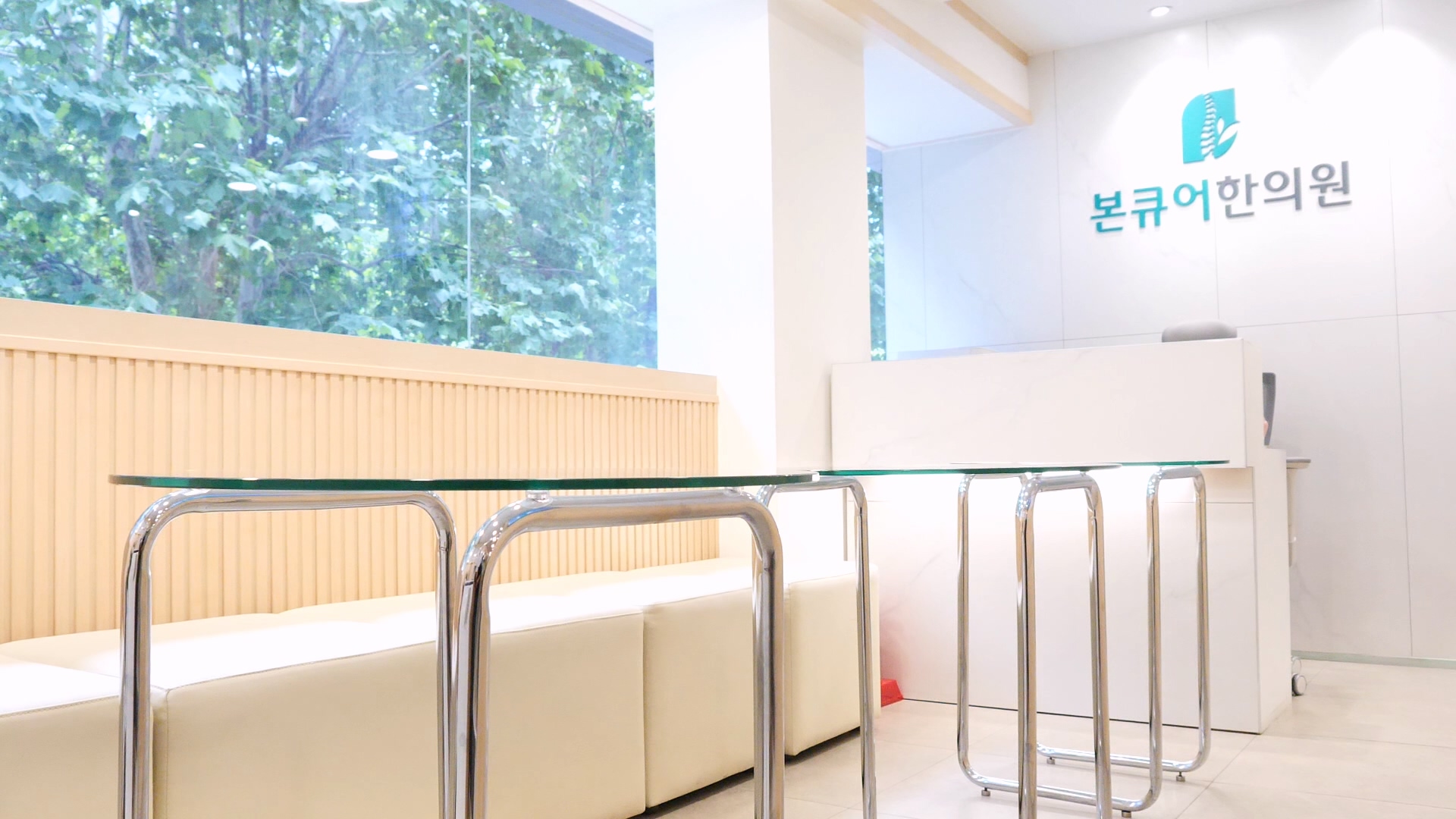
I am Dr. Song Jung-hyun, a practitioner dedicated to structural restoration through traditional techniques, and in this guide, I will share how our methodology helps patients regain their vitality.
Introduction to Korean Medical Tourism and Modern Acupuncture
Korean medical tourism is the practice of seeking high-quality traditional healthcare integrated with modern diagnostic technology within South Korea. This sector has seen significant growth as patients from over 190 countries seek alternatives to conventional pain management, focusing on the root causes of musculoskeletal dysfunction rather than just symptom suppression.
Defining Korean Traditional Medicine in the Global Healthcare Market
Korean traditional medicine has carved out a unique niche in the global healthcare market by blending ancient wisdom with rigorous scientific evidence. As of 2026, the global interest in integrative health has led thousands of international patients to seek specialized care in Seoul. Unlike traditional models that rely solely on herbal remedies, modern Korean practice utilizes sophisticated tools such as whole-spine X-ray analysis to verify structural misalignments. This evidence-based approach has positioned Korea as a leader in medical tourism, especially for those suffering from chronic conditions that have not responded to standard treatments. By focusing on the flow of energy and the physical alignment of the spine, practitioners provide a comprehensive healing environment. Patients often travel long distances because they value the high standard of clinical hygiene and the professional certification of practitioners who undergo years of specialized training. This commitment to quality ensures that the medical journey is both safe and effective for diverse populations.
Why International Patients Choose Acupuncture in Seoul
International patients frequently choose Seoul for acupuncture because the city offers an unparalleled density of specialized clinics equipped with the latest medical technology. The decision is often driven by the clinical focus on structural restoration, where the number of sessions required is determined individually to ensure gradual and sustainable improvement. Seoul clinics provide a seamless experience, combining traditional needle techniques with modern physical therapy modalities. Furthermore, the availability of English-speaking staff and international coordinators simplifies the complex process of medical travel. Many patients are referred by others who have seen tangible improvements in mobility and a decrease in reliance on pain medications. The cultural emphasis on holistic wellness, combined with cutting-edge research, makes Seoul a global hub for those seeking to resolve long-standing health issues. The efficiency of the Korean healthcare system also allows for rapid diagnosis and treatment, which is a significant advantage for travelers with limited time in the country.
The Evolution of Traditional Korean Medicine Treatment for Foreigners
Treatments for international visitors have evolved from simple wellness consultations to complex structural restoration programs tailored for global needs. Over the last 10 years, clinics have developed specialized protocols that address the specific health challenges faced by travelers, such as jet lag, postural stress from long flights, and acute injuries. These programs often include a combination of herbal prescriptions and manual therapies designed for immediate relief. Bonecure has been at the forefront of this evolution, ensuring that every international patient receives a personalized treatment plan based on objective data. The integration of digital health records and remote follow-up consultations allows patients to continue their recovery even after returning home. This evolution reflects a broader trend toward personalized medicine, where the patient's unique lifestyle and genetic background are considered. As the infrastructure for medical tourism continues to improve, the accessibility of high-quality Korean medicine will only increase, making it a viable option for millions worldwide.
Innovative Solutions for Chronic Pain Management
Chronic pain management involves the application of specialized needle techniques and manual adjustments to release physical adhesions in the soft tissue. This approach targets the underlying structural issues that cause persistent discomfort, providing a path toward long-term recovery rather than temporary masking of symptoms.
Acupuncture for Back Pain: Moving Beyond Temporary Relief
Acupuncture for back pain at a specialized level focuses on the deep layers of muscle and fascia where chronic tension resides. Statistics suggest that back pain affects approximately 80 percent of adults at some point in their lives, and for many, it becomes a recurring issue. In our clinical practice, we utilize specific acupuncture points that stimulate the nervous system to release natural painkillers while improving local blood circulation. By addressing the myofascial trigger points, we can alleviate the pressure on spinal nerves. This method is particularly effective for individuals who have tried conventional physical therapy without lasting success. A typical course of treatment may involve 10 to 15 sessions, depending on the severity of the spinal misalignment. The goal is to restore the natural curve of the spine, which reduces the mechanical load on the lower back. Patients often report improved flexibility and a significant reduction in the frequency of painful episodes after completing their individualized treatment protocols.
Comparing Chuna Manual Therapy and Western Physical Therapy
Chuna manual therapy is a traditional Korean technique that involves the hand-balancing of the body's structure to treat functional disorders. Chuna manual therapy emphasizes the alignment of the joints and the harmony of the entire musculoskeletal system to support functional recovery. During a session, the practitioner uses their hands and specialized tables to apply controlled pressure to the spine and limbs. This helps to correct subluxations that may be causing nerve interference. It is important to note that while both therapies aim to improve function, Chuna is often integrated with acupuncture to enhance the healing response. A 2026 Clinical Guide to Chuna Manual Therapy in Seoul: Science of Structural Recovery provides a deeper look into these techniques. Patients often find that the combination of manual adjustment and energetic stimulation provides a more comprehensive sense of relief. The following table highlights some of the key differences and similarities between these two popular approaches to physical rehabilitation.
| Feature | Chuna Manual Therapy | Western Physical Therapy |
|---|---|---|
| Primary Focus | Spinal alignment and joint balance | Muscle strengthening and range of motion |
| Tools Used | Manual manipulation and Chuna tables | Exercise equipment and ultrasound |
| Integration | Often combined with acupuncture/herbs | Often combined with medication/surgery |
| Diagnostic Basis | X-ray analysis and meridian theory | Biomechanical assessment and MRI |
| Philosophy | Holistic structural restoration | Functional rehabilitation of specific parts |
Oriental Medicine for Chronic Pain: A Structural Approach at Bonecure
At Bonecure, we believe that when your bones are in their correct positions, your entire body can function optimally. Our structural approach to chronic pain involves a meticulous examination of the patient's posture and bone alignment. We have observed that many chronic issues, including those lasting over 18 years in some patients, are rooted in neglected structural imbalances. By using a combination of acupotomy and Chuna, we work to break down scar tissue and realign the vertebrae. This process is not just about bones, it is about the entire network of nerves and vessels that the skeleton protects. Our methodology is backed by clinical notes that track patient progress using objective metrics. In our clinical experience, we focus on the systematic relief of tinnitus symptoms and the improvement of the patient's overall quality of life through targeted structural care. This evidence-based focus ensures that our international patients receive the highest standard of care during their stay at Bonecure, leading to a more stable and pain-free life.
Essential Services at a Korean Traditional Medicine Clinic in Cheongdam
Services at a Cheongdam-based clinic offer a luxury healthcare experience that combines traditional therapeutic modalities with personalized patient care. These clinics focus on systemic recovery, ensuring that both internal organs and external structures are in harmony for total wellness.
The Role of Moxibustion Therapy in Seoul for Systemic Recovery
Moxibustion therapy in Seoul involves the burning of dried mugwort on or near specific acupuncture points to facilitate thermal stimulation. This practice is essential for systemic recovery as it helps to warm the meridians and dispel coldness that may be trapped in the body. In a clinical setting, moxibustion is used to boost the immune system and improve digestive function, which are often compromised in patients with chronic pain. Modern clinics use smoke-free or filtered moxibustion techniques to ensure a comfortable environment for international guests. The heat generated by the mugwort penetrates deep into the tissues, promoting the dilation of blood vessels and enhancing the delivery of nutrients to injured areas. Many patients find the warmth to be deeply relaxing, which helps to reduce the physiological stress associated with chronic illness. When combined with other treatments, moxibustion can accelerate the overall healing process, making it a cornerstone of traditional Korean medicine. For more information, see the Chimdo (Acuknife) Therapy Benefits: A 2026 Guide to Structural Recovery at Bonecure.
Cupping Therapy in a Modern Korean Clinic: Safety and Benefits
Cupping therapy is a method where glass or plastic cups are placed on the skin to create suction, which helps to draw out toxins and improve blood flow. In a modern Korean clinic, this procedure is performed under strict sanitary conditions to prevent any risk of infection. The suction helps to release the fascia and relax tight muscles that are often the source of referred pain. While cupping can leave temporary circular marks on the skin, these usually disappear within 3 to 7 days. Patients often experience an immediate sense of lightness in their limbs after a session. It is particularly beneficial for those suffering from shoulder tension or respiratory issues. We ensure that every patient is screened for contraindications, such as certain skin conditions or blood disorders, to maintain the highest safety standards. The benefits of cupping extend beyond physical relief, as the process also helps to calm the nervous system and promote better sleep. This simple yet effective therapy remains one of the most requested services by international medical tourists.
Integrating Herbal Medicine for Women's Health and Internal Balance
Herbal medicine plays a vital role in maintaining internal balance, especially regarding women's health issues like hormonal regulation and postpartum recovery. Each prescription at Bonecure is customized based on a thorough consultation that includes pulse diagnosis and a review of the patient's medical history. We use high-quality, laboratory-tested herbs to ensure safety and potency. For patients traveling from abroad, we offer convenient packaging that is easy to transport and comply with international customs regulations. Herbal decoctions work synergistically with acupuncture to address issues such as amenorrhea, menstrual cramps, and the symptoms of menopause. By nourishing the blood and balancing the body's internal temperature, these herbs support the structural treatments performed in the clinic. We emphasize that herbal medicine is a gradual process, and patients are encouraged to follow their prescribed regimen for at least 3 months to see optimal results. This holistic approach ensures that the internal environment is conducive to the structural changes being made through manual therapy. A 2026 Clinical Guide to Korean Herbal Medicine Consultation and Structural Recovery explains this process in detail.
Advanced Clinical Techniques: The Acupotomy and Structural Correction
Advanced clinical techniques like acupotomy utilize specialized surgical-style needles to mechanically release adhesions and restore joint mobility. These procedures are grounded in both traditional meridian theory and modern anatomical science to provide targeted relief for complex musculoskeletal conditions.
Traditional Medicine Clinical Notes: The Science of Acupotomy
Acupotomy, also known as Chimdo, is a specialized technique that uses a flat-headed needle to perform micro-surgery on thickened or adhered soft tissues. This method is particularly effective for chronic conditions where traditional acupuncture may not penetrate deeply enough. In our clinical notes, we have documented how this technique releases the entrapment of nerves and blood vessels caused by long-term inflammation. By physically breaking down the adhesions, we allow the body to initiate its natural healing response and regenerate healthy tissue. The procedure is performed with precision, often guided by the practitioner's deep knowledge of anatomy. While the sensation can be intense during the procedure, many patients experience a significant increase in their range of motion immediately afterward. As with any invasive procedure, there is a small risk of localized bruising or soreness, but these are typically temporary. We have found that for patients with severe spinal stenosis or disc herniation, acupotomy can be a transformative component of their recovery plan. The science behind this technique continues to be validated through ongoing clinical research in Korea.
Structural Alignment and X-ray Analysis in Bonecure’s Methodology
At Bonecure, we utilize whole-spine X-ray analysis to provide a clear visual map of a patient's structural alignment. This diagnostic step is crucial because it allows us to identify the exact vertebrae that are out of position, which may be contributing to systemic issues like headaches or digestive problems. By comparing X-rays taken before and after a course of treatment, we can objectively measure the progress of our structural restoration efforts. This data-driven approach provides peace of mind to our international patients, who can see the physical changes in their skeletal structure. For example, patients with spinal misalignments may see measurable improvements in their structural balance through a personalized course of Chuna and acupotomy. We focus on the relationship between the skull, the spine, and the pelvis, as any imbalance in one area can affect the others. This methodology ensures that we are not just chasing symptoms but are working toward a stable and balanced foundation for the entire body. Our commitment to objective analysis sets us apart in the field of traditional medicine.
Patient Safety and Material Risks in Korean Medical Procedures
Patient safety is our highest priority, and we are transparent about the material risks associated with all medical procedures. While acupuncture and acupotomy are generally safe, patients may experience minor side effects such as temporary pain at the injection site, localized swelling, or slight bruising. In very rare cases, there is a risk of infection or nerve irritation, which is why we strictly adhere to sterile techniques and use single-use disposable needles. It is also important to understand that the effectiveness of these treatments can vary based on the individual's age, lifestyle, and the severity of their condition. Chronic or degenerative issues typically require multiple sessions over several weeks to achieve lasting results. We provide every patient with a detailed consent form that outlines these risks and expectations. During the initial consultation, we also screen for any underlying health issues that might affect the safety of the treatment. By maintaining a balance between the potential benefits and the risks, we ensure that our patients are well-informed and comfortable throughout their medical journey at Bonecure.
Choosing the Right Acupuncture Clinic in Seoul for Your Journey
Choosing the right clinic requires evaluating the facility's accessibility, the practitioner's expertise, and the level of communication support provided for international visitors. A well-chosen clinic serves as a partner in your health journey, providing both medical excellence and a supportive environment.
Accessibility and English Communication for Medical Tourists
For medical tourists, the ability to communicate effectively with their doctor is essential for a successful outcome. Many top clinics in Seoul, including Bonecure, offer dedicated English-speaking services to ensure that nothing is lost in translation. From the initial inquiry to the final follow-up, our international coordinators assist with scheduling, medical records, and travel logistics. The Cheongdam area is particularly well-suited for medical tourism, offering a variety of high-end accommodations and easy access to public transportation. We understand that traveling for medical care can be stressful, so we strive to make the process as smooth as possible. Our staff is trained to handle the unique needs of foreign patients, including providing detailed instructions on how to take herbal medicine and what to expect during recovery. By offering a high level of accessibility and clear communication, we help our patients feel confident and cared for during their stay in Korea. This personalized attention is a hallmark of the premium medical tourism experience in Seoul.
Clinical Approach to Structural Recovery for International Patients
We focus on helping international patients achieve recovery through a comprehensive structural approach. For patients suffering from chronic dizziness and neck pain, we utilize whole-spine X-ray analysis to identify potential misalignments in the cervical spine. By applying a combination of Chuna therapy and targeted acupotomy, we aim to stabilize symptoms and improve spinal alignment over a series of sessions. It is important to note that treatment outcomes and the duration of care vary significantly depending on the individual's condition, and results are not guaranteed for every patient. We continue to refine our techniques based on clinical observations to provide the most appropriate care for each person who visits Bonecure.
Final Checklist Before Visiting a Korean Medicine Doctor
Before you embark on your journey to visit a Korean medicine doctor, there are several steps you should take to ensure a smooth experience. First, gather all relevant medical records, including recent X-rays or MRI scans, to share with your practitioner. Second, verify the credentials of the clinic and ensure they are licensed to treat international patients. Third, communicate your health goals and any concerns clearly during your initial consultation. It is also helpful to research the specific treatments you are interested in, such as acupotomy or Chuna, to understand the process and potential risks. Make sure to check the clinic's policy on follow-up care and how they handle communication once you return to your home country. Finally, prepare for your stay by arranging for adequate rest between treatments, as the healing process can be taxing on the body. By being well-prepared, you can maximize the benefits of your medical tourism experience and start your path toward structural recovery with confidence. We look forward to welcoming you to Bonecure and helping you achieve your health goals.
Frequently Asked Questions
Q. What exactly is Korean Medical Tourism for acupuncture?
It refers to international patients traveling to Korea to receive high-quality, specialized treatments like acupuncture, Chuna therapy, and acupotomy. These treatments are often integrated with modern diagnostic tools like X-rays to ensure a high standard of care and objective results.
Q. Is acupuncture for back pain effective for chronic conditions?
Yes, many patients seek acupuncture for back pain because it addresses both soft tissue tension and structural alignment. While many see improvement, results can vary based on the individual, and chronic cases often require multiple sessions for sustained relief.
Q. Are there side effects to Korean traditional medicine treatments?
Common procedures like acupuncture or acupotomy may cause temporary pain, minor bruising, or localized swelling. While rare, infection or nerve irritation are potential risks, which is why we strictly follow all clinical hygiene and safety standards.
Q. Do I need a long-term stay for treatment at Bonecure?
The duration of your stay depends on the severity of your condition and your specific health goals. While some patients notice comfort after just one session, chronic structural issues typically require a series of treatments over several weeks.
Q. How does moxibustion therapy in Seoul differ from home kits?
Clinical moxibustion therapy in Seoul uses controlled thermal stimulation applied by licensed practitioners to enhance circulation and immunity. This professional application far exceeds the safety and precision of over-the-counter home kits.
Q. Can I see structural changes on an X-ray after treatment?
In many cases at our clinic, whole-spine X-ray analysis is used to monitor structural alignment before and after a course of treatment. This allows both the doctor and the patient to see objective changes, though individual results depend on the patient's baseline.
Q. How can I book a session at a Korean traditional medicine clinic in Cheongdam?
Most clinics in the Cheongdam area, including Bonecure, offer consultation bookings via email or messaging apps to accommodate international schedules. We provide English-speaking support to guide you through the appointment and travel process.
Key Takeaways
- Korean medical tourism provides access to advanced integrative treatments like acupotomy and Chuna therapy for chronic pain.
- Structural recovery at Bonecure focuses on realigning the spine and releasing tissue adhesions to address the root causes of dysfunction.
- Modern diagnostic tools, such as whole-spine X-rays, are used to provide objective evidence of structural changes and progress.
- Patient safety is maintained through sterile techniques and clear communication regarding the potential risks and individual nature of treatment results.
If you are seeking a comprehensive approach to pain relief and structural health, we invite you to consult with our specialists.
Bonecure / Dr. Song Jung-hyun
FAQ
- What exactly is Korean Medical Tourism for acupuncture?
- It refers to international patients traveling to Korea to receive high-quality, specialized treatments like acupuncture, Chuna therapy, and acupotomy. These treatments are often integrated with modern diagnostic tools like X-rays to ensure a high standard of care and objective results.
- Is acupuncture for back pain effective for chronic conditions?
- Yes, many patients seek acupuncture for back pain because it addresses both soft tissue tension and structural alignment. While many see improvement, results can vary based on the individual, and chronic cases often require multiple sessions for sustained relief.
- Are there side effects to Korean traditional medicine treatments?
- Common procedures like acupuncture or acupotomy may cause temporary pain, minor bruising, or localized swelling. While rare, infection or nerve irritation are potential risks, which is why we strictly follow all clinical hygiene and safety standards.
- Do I need a long-term stay for treatment at Bonecure?
- The duration of your stay depends on the severity of your condition and your specific health goals. While some patients notice comfort after just one session, chronic structural issues typically require a series of treatments over several weeks.
- How does moxibustion therapy in Seoul differ from home kits?
- Clinical moxibustion therapy in Seoul uses controlled thermal stimulation applied by licensed practitioners to enhance circulation and immunity. This professional application far exceeds the safety and precision of over-the-counter home kits.
- Can I see structural changes on an X-ray after treatment?
- In many cases at our clinic, whole-spine X-ray analysis is used to monitor structural alignment before and after a course of treatment. This allows both the doctor and the patient to see objective changes, though individual results depend on the patient's baseline.
- How can I book a session at a Korean traditional medicine clinic in Cheongdam?
- Most clinics in the Cheongdam area, including Bonecure, offer consultation bookings via email or messaging apps to accommodate international schedules. We provide English-speaking support to guide you through the appointment and travel process.