
Post
A 2026 Clinical Guide to Korean Herbal Medicine Consultation and Structural Recovery
A Korean herbal medicine consultation is a specialized diagnostic process that integrates traditional East Asian wisdom with contemporary structural analysis to identify the root causes of internal and external health imbalances.
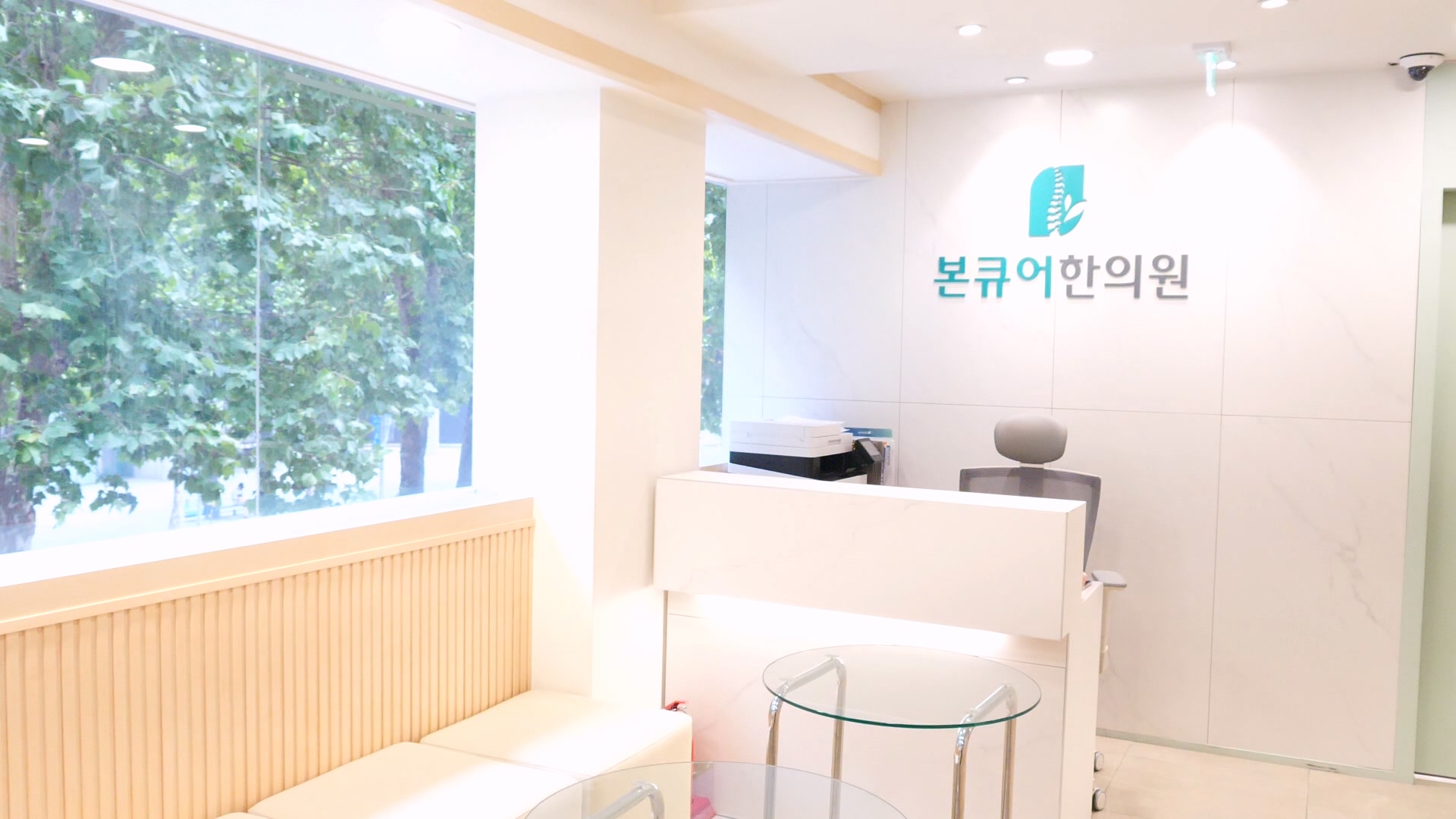
By seeking professional guidance, patients can access personalized treatment plans that go beyond symptom management to foster long-term physiological harmony and structural integrity. In this guide, I will share clinical insights from my experience at Bonecure to help you navigate your journey toward holistic recovery and functional balance in 2026.
Understanding Korean Herbal Medicine Consultation
A Korean herbal medicine consultation is defined as a comprehensive health assessment that utilizes the principles of Yin-Yang and the Five Elements alongside physical examinations to determine a patient's unique constitution and pathological state. This process is essential for tailoring herbal prescriptions and manual therapies to the individual's specific physiological needs. Unlike standardized medical approaches, this consultation prioritizes the interconnectedness of the body's systems, ensuring that every treatment aligns with the patient's internal environment and external structural requirements.
What to Expect During Your First Visit
When you first arrive for a Korean herbal medicine consultation at Bonecure, the process begins with a focused dialogue about your medical history and lifestyle. I prioritize understanding the nuances of your daily habits, as these often contribute to chronic structural imbalances. The initial session is designed to be highly compressed and efficient, usually lasting between 10 to 20 minutes, providing a focused window for a thorough physical assessment and constitutional typing. We utilize modern diagnostic tools in conjunction with traditional methods to create a clear picture of your health. During this time, I explain how structural deviations in the spine may be influencing your internal organ function. Patients often find that this impactful approach provides clarity on issues that were previously unexplained. It is important to remember that this is a collaborative process where your feedback is vital. By the end of the first visit, you will receive a personalized recovery roadmap designed to address both your immediate discomfort and long-term vitality.
The Philosophy of Structural Balance in Korean Medicine
The philosophy of structural balance in Korean medicine posits that the human body functions optimally only when its skeletal and muscular frameworks are correctly aligned. At Bonecure, we believe that "when your bones smile, life smiles," emphasizing the deep connection between physical posture and emotional well-being. My clinical practice focuses on the spine as the central axis of health, where even a minor misalignment can disrupt the flow of energy and blood, leading to chronic illness. Scientific literature, including my own case reports on spinal curvature, suggests that restoring the natural curve of the neck and back can significantly alleviate symptoms of autonomic dysfunction. We don't just look at where it hurts; we look at why the structure is failing to support the body’s functions. This structural perspective allows us to treat conditions like chronic fatigue and digestive issues by correcting the physical foundation. Achieving this balance requires a combination of specialized acupuncture techniques and constitutional herbal support for lasting recovery.
Core Diagnostic Tools: Beyond Simple Pulse Reading
Modern Korean traditional medicine utilizes advanced diagnostic tools that go beyond the traditional pulse reading to provide objective data for treatment planning. At Bonecure, we integrate whole-spine X-ray analysis to visualize the skeletal alignment and identify specific areas of compression or tension. This objective evidence is crucial for monitoring progress, as seen in clinical cases where spinal angles improved over a series of sessions. In addition to imaging, we use digital meridian analysis and autonomic nervous system testing to quantify the body's stress levels and energy distribution. These tools allow me to track how a patient’s internal state changes in response to structural corrections. By combining these modern metrics with traditional palpation and tongue diagnosis, we achieve a high degree of diagnostic precision. This evidence-based approach ensures that your treatment is not based on guesswork but on verifiable physiological data. Understanding these metrics helps patients stay motivated as they see their internal and external health improve over time.
Traditional Korean Medicine Treatment for Chronic Pain
Traditional Korean medicine treatment for chronic pain refers to a multi-modal therapeutic approach that utilizes acupuncture, herbal therapy, and manual techniques to reduce inflammation and restore functional mobility. This methodology focuses on identifying 'yuchak' or tissue adhesions that restrict blood flow and nerve signals, leading to persistent discomfort. By addressing these physical blockages, the treatment facilitates the body's natural healing processes, offering a path to recovery for those who have not found relief through conventional means.
Acupuncture for Back Pain and Joint Mobility
Acupuncture serves as a cornerstone for managing back pain and enhancing joint mobility by stimulating specific neurovascular points to modulate pain signals. In my practice at Bonecure, I utilize specialized needle techniques to release deep-seated muscular tension that contributes to spinal misalignment. While many patients report immediate relief from tension, it is important to note that chronic conditions often require a series of treatments to achieve stable results. In my clinical experience, the number of sessions required to improve range of motion depends on the individual's constitution and the severity of the stiffness, and a personalized plan is developed after a thorough consultation. The procedure helps increase local blood circulation, which is essential for repairing damaged tissues and reducing localized inflammation. I often combine acupuncture with Chuna manual therapy to reinforce the structural benefits of each session. Patients should be aware that while the procedure is generally safe, minor bruising or temporary soreness can occur as the body adjusts to the changes. You can learn more about these methods in this Acupuncture Clinic Gangnam Seoul: A 2026 Guide to Structural Recovery at Bonecure.
Advanced Acupotomy: Releasing Adhesions for Structural Recovery
Advanced acupotomy is a specialized technique using a scalpel-shaped needle to perform a minimally invasive release of stubborn soft tissue adhesions. This method is particularly effective for chronic pain that has become resistant to standard acupuncture. At Bonecure, I apply acupotomy to break down fibrotic tissues that lock the spine in a maladaptive posture. By physically releasing these adhesions, we can restore the space between vertebrae and improve nerve conduction. In my clinical practice, I have observed cases where addressing cervical adhesions through acupotomy helped manage chronic tinnitus symptoms. Please note that these are specific case observations and results may vary significantly between patients; a consultation is necessary to determine if this approach is suitable for your condition. Because this is a more intensive procedure, a thorough consultation is required to assess suitability. Potential side effects of acupotomy include localized soreness, temporary bruising, or, in rare cases, minor infection. It is important to discuss these risks and the individual nature of recovery with your practitioner before proceeding. This procedure is a vital tool for patients seeking structural restoration when traditional stretching and massage have failed to provide long-term relief.
Clinical Notes on Chronic Pain Management
My clinical notes on chronic pain management emphasize that recovery is a process of rebuilding the body's resilience rather than just removing a symptom. At Bonecure, we document every step of the journey, using objective markers like the Visual Analog Scale (VAS) to track pain intensity. Clinical observations at Bonecure suggest that many patients with chronic neck pain notice a positive shift in comfort when structural correction is applied, though the exact timeline and degree of improvement are highly individual and cannot be guaranteed. However, individual results vary based on the duration of the condition and the patient’s adherence to lifestyle recommendations. I often tell my patients that the goal is to reach a point where the body can maintain its own balance without constant intervention. We also monitor inflammatory markers and postural changes through periodic re-evaluations. This systematic approach allows us to refine the herbal prescriptions and needle techniques as the patient’s condition evolves. Maintaining a detailed clinical record ensures that we are always moving toward the goal of functional independence and structural stability.
Comparing Traditional Modalities: Cupping, Moxibustion, and Herbal Therapy
Comparing traditional modalities involves evaluating the unique therapeutic mechanisms of cupping, moxibustion, and herbal therapy to determine the most effective combination for a patient's specific health needs. Each modality addresses different aspects of the body's physiology—from blood circulation and thermal regulation to biochemical balance. Understanding these differences allows for a more targeted and efficient recovery process, ensuring that each treatment complements the overall goal of structural and internal harmony.
| Modality | Primary Mechanism | Best For | Typical Sensation |
|---|---|---|---|
| Acupuncture | Neuromodulation | Acute & Chronic Pain | Dull pressure, tingling |
| Acupotomy | Adhesion Release | Chronic Stiffness, Fibrosis | Sharp, deep release |
| Cupping | Myofascial Decompression | Muscle Tension, Detox | Suction, warmth |
| Moxibustion | Thermal Stimulation | Cold Stagnation, Immunity | Gentle, deep heat |
| Herbal Therapy | Biochemical Regulation | Internal Balance, Recovery | Natural, earthy taste |
Cupping Therapy in a Modern Korean Clinic
Cupping therapy in a modern clinic like Bonecure is used as a tool for myofascial decompression to improve lymphatic drainage and blood flow. By creating a vacuum on the skin's surface, cupping pulls stagnant blood and metabolic waste away from deep tissues, allowing fresh, oxygenated blood to circulate. This is particularly beneficial for patients who experience heavy sensations in their muscles due to poor posture or repetitive strain. In a clinical setting, we often use disposable cups to maintain the highest standards of hygiene. While the circular marks left behind are common, they typically fade within 3 to 7 days and are not painful. I find that cupping is an excellent preparatory step before Chuna manual therapy, as it softens the superficial fascia. For more information on manual techniques, see this A 2026 Clinical Guide to Chuna Manual Therapy Benefits and Structural Recovery. It is a gentle yet effective way to support the body’s detoxification processes and relieve external tension.
Moxibustion Therapy in Seoul: Benefits and Modern Applications
Moxibustion therapy involves the burning of dried mugwort near specific acupuncture points to introduce therapeutic heat into the body. In a modern Seoul clinic, we use smokeless and indirect moxibustion techniques to ensure a comfortable and safe experience for all patients. This therapy is highly effective for conditions characterized by "coldness" or stagnation, such as digestive issues and certain types of joint pain. The deep thermal stimulation helps to boost the immune system and improve the body's metabolic rate. During a session, patients usually feel a soothing, spreading warmth that promotes deep relaxation. We carefully monitor the skin's temperature to prevent any irritation, making it suitable even for those with sensitive skin. Clinical observations suggest that regular moxibustion can enhance the effects of herbal medicine by improving the body's absorption and utilization of nutrients. It is a vital component of our holistic approach, particularly during the colder months or for patients with chronic fatigue.
Tailored Herbal Prescriptions vs. General Supplements
Tailored herbal prescriptions are fundamentally different from general health supplements because they are formulated based on a precise constitutional diagnosis. At Bonecure, I customize each prescription to address the specific internal imbalances identified during the Korean herbal medicine consultation. While general supplements offer a one-size-fits-all approach, my formulas consider the synergistic relationship between various medicinal herbs to maximize efficacy and minimize side effects. For example, a patient with chronic inflammation and poor digestion requires a different herbal balance than one dealing with hormonal changes. We use high-quality, verified medicinal herbs that undergo rigorous testing for purity and potency. This personalized approach ensures that the herbs support the structural recovery process by providing the necessary biochemical building blocks for tissue repair. Patients often report improved energy levels and better sleep quality as their internal systems return to balance. Investing in a tailored formula means you are receiving medicine designed specifically for your body’s unique requirements and recovery goals.
Specialized Care at Bonecure: Women's Health and Autonomic Balance
Specialized care at Bonecure for women's health and autonomic balance involves targeted interventions that harmonize hormonal cycles and regulate the nervous system through structural alignment. This approach recognizes that the pelvic and spinal structures play a significant role in reproductive and neurological health. By ensuring the physical house of the body is stable, we create an environment where the nervous system can transition from a state of stress to a state of recovery and growth.
Korean Medicine for Women's Health and Hormonal Harmony
Korean medicine offers a unique perspective on women’s health by focusing on the 'Blood' and 'Qi' balance throughout different life stages. At Bonecure, I treat a wide range of concerns, from menstrual irregularities to menopausal symptoms, by addressing the underlying structural and constitutional factors. The alignment of the pelvis and lumbar spine is particularly important, as misalignments here can affect blood flow to the reproductive organs. Clinical evidence suggests that correcting these structural issues can help reduce the severity of symptoms like pelvic pain and hormonal headaches. We combine specialized acupuncture with herbal formulas that support the endocrine system naturally. Every woman’s body is different, so we take the time to map out your hormonal cycle and adjust treatments accordingly. This comprehensive care model helps women feel more in control of their health and vitality. For those experiencing persistent tiredness, our approach to A 2026 Clinical Guide to Chronic Fatigue Treatment and Structural Recovery may be particularly beneficial in restoring long-term energy and hormonal stability.
Addressing Autonomic Nervous System Dysfunction
Addressing autonomic nervous system (ANS) dysfunction requires a focus on the cervical spine and the vagus nerve, which are central to the body's stress response. Many patients come to Bonecure suffering from symptoms like palpitations, anxiety, and insomnia, which are often signs of an imbalanced ANS. My approach involves using gentle structural corrections to relieve pressure on the nerves that exit the upper spine. When the physical compression is removed, the nervous system can move out of a constant 'fight or flight' mode and into a 'rest and digest' state. We track this progress using heart rate variability (HRV) testing, which provides a numerical value for your stress resilience. In my clinical experience, improving the alignment of the C1 and C2 vertebrae can lead to significant improvements in sleep quality and mood stability. It is important to realize that mental well-being is deeply tied to physical structure. By stabilizing the spine, we provide a solid foundation for neurological health and emotional balance, helping you navigate life's stresses with greater ease.
Why Location Matters: Finding a Trusted Korean Traditional Medicine Clinic in Cheongdam
Choosing a clinic in a specialized medical district like Cheongdam ensures access to highly experienced practitioners who utilize the latest integrative technologies. Bonecure is located in the heart of this vibrant area, providing a serene environment for healing amidst the city's fast pace. I believe that the environment in which you receive care is just as important as the treatment itself. A trusted clinic should offer transparent communication, objective diagnostic data, and a commitment to personalized care. Our facility is designed to provide a modern, comfortable experience that respects the traditions of Korean medicine while embracing contemporary clinical standards. Being in Cheongdam allows us to serve a diverse population, including international patients who seek the unique structural recovery methods I have developed. We prioritize building long-term relationships with our patients, ensuring that they feel supported at every stage of their recovery. When you choose Bonecure, you are choosing a partner in your health who is dedicated to helping you achieve a life of balance and movement without pain.
Frequently Asked Questions
Q. What is the primary focus of a Korean herbal medicine consultation at Bonecure?
The consultation at Bonecure focuses on identifying structural imbalances and constitutional disharmony that lead to chronic symptoms. I look at the whole spine and body alignment to find the root cause of pain rather than just treating the surface symptoms. This ensures a comprehensive recovery plan tailored to your unique physical and internal needs.
Q. How long does a typical traditional Korean medicine treatment session take?
A standard session at Bonecure is streamlined for maximum efficiency, typically lasting between 10 to 20 minutes. This impactful approach allows us to focus intensely on correcting structural misalignments and releasing adhesions without unnecessary delays. While the duration is compressed, the treatment is highly professional and designed for immediate physiological feedback.
Q. Is acupuncture for back pain effective for chronic conditions?
Yes, acupuncture is highly effective for managing chronic back pain by reducing inflammation and releasing deep muscular tension. While many patients report improvements in mobility and pain levels, the duration of treatment is determined by individual health status and the chronicity of the condition. While individual results vary, it is a scientifically recognized method for improving functional outcomes in chronic pain cases.
Q. Are there any side effects to Korean herbal medicine or acupotomy?
Acupotomy may cause temporary localized soreness or minor bruising as the tissues are released. Similarly, herbal medicine may occasionally cause mild digestive adjustments as the body detoxifies. These effects are generally short-lived, but it is essential to consult with a qualified Korean medicine doctor like myself to ensure the treatment is safe for your specific condition.
Q. What makes a Korean medicine doctor blog a reliable source for health info?
Blogs written by practitioners provide insights based on real-world clinical experience and peer-reviewed case reports. At Bonecure, I share evidence-based information, such as the results of my research on spinal curvature and chronic tinnitus. This provides a deeper level of understanding compared to general health articles found elsewhere.
Q. Can I receive moxibustion therapy in Seoul if I have sensitive skin?
Yes, at Bonecure, we use modern, indirect moxibustion techniques that provide deep heat without direct contact with the skin. This minimizes the risk of irritation while still delivering the therapeutic benefits of the mugwort. During your consultation, we assess your skin sensitivity to ensure the safest and most comfortable application method.
Q. How do I choose the right Korean traditional medicine clinic in Cheongdam?
You should look for a clinic that prioritizes objective data, such as X-ray analysis, and offers personalized treatment plans. A trusted clinic like Bonecure focuses on structural restoration and provides custom herbal prescriptions rather than generic formulas. Transparency and a professional, patient-centered approach are key indicators of a high-quality practice.
Key Takeaways
- Holistic Diagnosis: A Korean herbal medicine consultation at Bonecure integrates X-ray data with constitutional typing for a precise health roadmap.
- Structural Focus: Pain relief is achieved by addressing spinal misalignments and tissue adhesions through advanced techniques like acupotomy.
- Personalized Care: Treatments, including herbal prescriptions, are tailored to the individual's unique physiological and structural needs.
- Evidence-Based: Progress is tracked using objective metrics like HRV and VAS scores to ensure effective and safe recovery.
- Comprehensive Wellness: Beyond pain, the clinic addresses autonomic balance and women's health for total body harmony.
Bonecure / Dr. Song Jung-hyun
FAQ
- What is the primary focus of a Korean herbal medicine consultation at Bonecure?
- The consultation at Bonecure focuses on identifying structural imbalances and constitutional disharmony that lead to chronic symptoms. I look at the whole spine and body alignment to find the root cause of pain rather than just treating the surface symptoms. This ensures a comprehensive recovery plan tailored to your unique physical and internal needs.
- How long does a typical traditional Korean medicine treatment session take?
- A standard session, including the consultation and acupuncture, usually lasts between 40 to 60 minutes. However, more intensive treatments like acupotomy or Chuna manual therapy may require additional time for preparation and post-treatment assessment. We ensure that every patient receives the dedicated time necessary for a thorough and effective treatment.
- Is acupuncture for back pain effective for chronic conditions?
- Yes, acupuncture is highly effective for managing chronic back pain by reducing inflammation and releasing deep muscular tension. Many patients report a significant improvement in mobility and a reduction in pain scores over a series of 5 to 10 sessions. While individual results vary, it is a scientifically recognized method for improving functional outcomes in chronic pain cases.
- Are there any side effects to Korean herbal medicine or acupotomy?
- Acupotomy may cause temporary localized soreness or minor bruising as the tissues are released. Similarly, herbal medicine may occasionally cause mild digestive adjustments as the body detoxifies. These effects are generally short-lived, but it is essential to consult with a qualified Korean medicine doctor like myself to ensure the treatment is safe for your specific condition.
- What makes a Korean medicine doctor blog a reliable source for health info?
- Blogs written by practitioners provide insights based on real-world clinical experience and peer-reviewed case reports. At Bonecure, I share evidence-based information, such as the results of my research on spinal curvature and chronic tinnitus. This provides a deeper level of understanding compared to general health articles found elsewhere.
- Can I receive moxibustion therapy in Seoul if I have sensitive skin?
- Yes, at Bonecure, we use modern, indirect moxibustion techniques that provide deep heat without direct contact with the skin. This minimizes the risk of irritation while still delivering the therapeutic benefits of the mugwort. During your consultation, we assess your skin sensitivity to ensure the safest and most comfortable application method.
- How do I choose the right Korean traditional medicine clinic in Cheongdam?
- You should look for a clinic that prioritizes objective data, such as X-ray analysis, and offers personalized treatment plans. A trusted clinic like Bonecure focuses on structural restoration and provides custom herbal prescriptions rather than generic formulas. Transparency and a professional, patient-centered approach are key indicators of a high-quality practice.