
Post
A 2026 Clinical Guide to Chronic Fatigue Treatment and Structural Recovery
Hello. I am Song Jung-hyun, a doctor of Korean medicine and the director of Bonecure Clinic, where I have focused on acupotomy and structural recovery for many years.
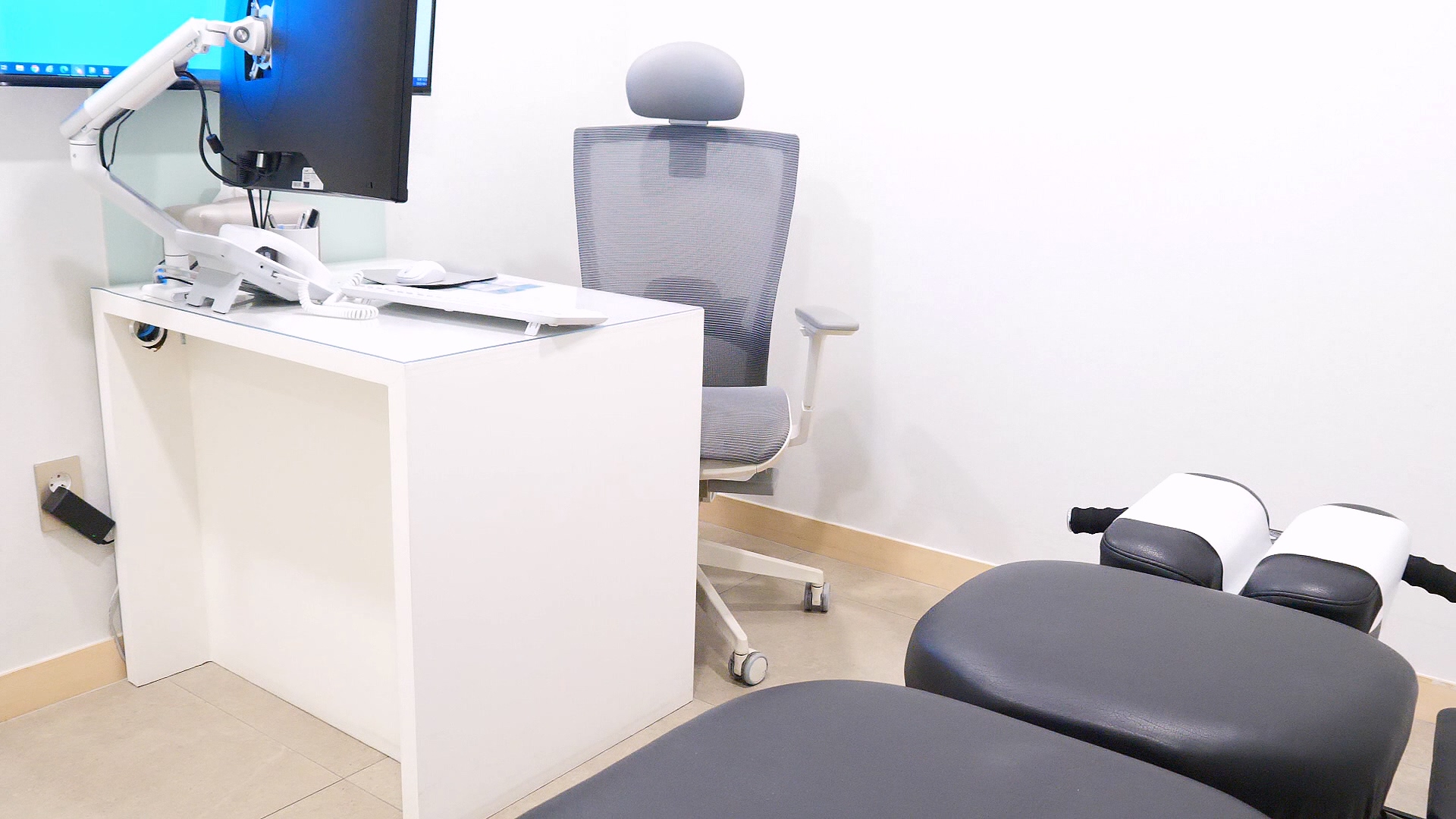
Chronic fatigue is a condition that goes far beyond simple tiredness, often involving a deep-seated exhaustion that rest alone cannot resolve. In this guide, we will explore how restoring structural balance can revitalize your body and mind by addressing the root causes of energy depletion.
Understanding Chronic Fatigue: Beyond Just Being Tired
Chronic fatigue is a complex disorder characterized by extreme exhaustion that lasts for six months or longer and cannot be fully explained by an underlying medical condition. It often involves a breakdown in the body’s internal homeostasis, where the autonomic nervous system is no longer able to regulate energy production and recovery efficiently. By addressing the structural integrity of the spine, we look for the root causes of this depletion rather than just treating the outward symptoms.
What Defines Chronic Fatigue in Structural Korean Medicine
At Bonecure, we view chronic fatigue as more than just a lack of sleep; it is often a physical manifestation of structural deviations that impede the nervous system. When the body's structural alignment is compromised, internal systems cannot function at peak efficiency, leading to systemic lethargy. We analyze how these imbalances correlate with physical tension and chronic nerve irritation. Rather than attributing fatigue solely to metabolic waste, we focus on how skeletal misalignment—particularly in the cranium and spine—creates a constant energy drain. Identifying these structural root causes allows us to design a personalized treatment plan. While many patients experience a significant shift in energy levels following treatment, the speed of recovery varies based on individual constitution and the severity of the structural imbalance. (158 words)
The Link Between Spinal Alignment and Energy Levels
The relationship between the physical structure of the spine and systemic energy is a cornerstone of our philosophy. When the cervical or thoracic spine is misaligned, it can create mechanical pressure on the nerves and blood vessels that supply the brain and vital organs. This constant structural stress forces the body to expend a significant amount of energy just to maintain balance and posture, leaving very little for cognitive or physical activities. We often observe that patients with forward head posture or scoliosis suffer from higher rates of exhaustion compared to those with neutral alignment. By correcting these structural deviations through Chuna therapy and spinal alignment, we aim to eliminate the unnecessary energy drain. Unlike treatments that require months of waiting, our goal is to achieve immediate structural improvements that the patient can feel. However, maintaining these gains depends on individual adherence to ergonomic habits. (161 words)
Common Symptoms and When to Seek a Professional Consultation
Identifying when to seek professional help for fatigue is crucial for preventing long-term systemic decline. Common symptoms include unrefreshing sleep, cognitive impairment often referred to as "brain fog," and persistent muscle or joint pain. Many patients also report sensitivity to light or sound and frequent headaches, which suggest an overwhelmed autonomic nervous system. If you have been experiencing these symptoms for more than three months, a structural assessment is recommended. At Bonecure, we use objective measures like the Beck Anxiety or Depression scales alongside physical assessments to understand the full scope of your fatigue. Early intervention with acupotomy and spinal correction can prevent the progression of fatigue into severe autonomic dysfunction. Patients should be aware that while many experience immediate relief, chronic cases involving complex neurological symptoms require a thorough evaluation to ensure a safe and effective protocol tailored to their constitution. (160 words)
Innovative Acupotomy for Chronic Pain and Energy Restoration
Our specialized approach involves the use of acupotomy—a unique, blade-like needle—to release physical obstructions that hinder the flow of blood and nervous signals. These treatments are designed to address both the localized pain that drains energy and the systemic imbalances that keep the body in a state of constant stress. By targeting specific areas of tissue adhesion, we facilitate the body's natural ability to recover its energy reserves.
Acupotomy for Back Pain and Systemic Recovery
Acupuncture and acupotomy for back pain are not only about local relief; they are vital components of systemic recovery. Chronic pain in the back or neck acts as a constant stressor, keeping the body in a sympathetic "fight or flight" state, which is incredibly draining. By utilizing acupotomy, we can physically release adhesions and modulate the nervous system. This shift allows the body to move into a parasympathetic state, which is necessary for deep rest and energy restoration. At Bonecure, we focus on providing an impactful treatment that yields immediate changes in sensation and mobility. While many patients report feeling a release in tension after their first session, individual results may vary, and temporary soreness at the site is common. Consistent alignment helps maintain the neural pathways that support long-term energy stability. (157 words)
Precision Release of Tissue Adhesion
Acupotomy is a specialized form of treatment that uses a fine, blade-tipped needle to release adhesions in the soft tissues and fascia. Over time, chronic tension or injury leads to the formation of these adhesions, which can entrap nerves and restrict blood flow, contributing to both localized pain and general fatigue. By physically breaking down these restrictive bands, we restore the natural movement of the muscles and connective tissues. This process is fundamental for patients who have not responded to conventional therapies. At Bonecure, we apply this technique with high precision to ensure the structural environment of the spine is optimized. Patients often feel an immediate release in tension and a "lightness" in the treated area. It is important to note that post-treatment tenderness or minor bruising can occur as the tissue begins to heal and reorganize. (159 words)
How Structural Balance Restores Vitality
Restoring structural balance is about more than just posture; it is about creating an internal environment where the body functions with minimal resistance. When the bones and joints are properly aligned, the nervous system can transmit signals without interference. This efficiency is what we define as vitality. At Bonecure, we live by the principle: "When your bones smile, life smiles." This means physical structural health is the foundation for an energetic life. Through a combination of spinal correction and targeted acupotomy, we work to eliminate structural barriers to energy. For example, A 2026 Clinical Guide to Chronic Pain Management and Structural Recovery at Bonecure explains how managing pain is the first step toward reclaiming your life. While structural recovery can be transformative and results are often felt immediately, long-term vitality is best maintained through consistent awareness of posture and therapeutic movement. (158 words)
Core Structural Treatment Protocols at Bonecure
Treatment protocols at our clinic are built on the integration of traditional wisdom and modern structural analysis. We avoid generic packages and focus on the most impactful, necessary treatments. Each protocol is customized to the patient's unique structural and neurological profile, ensuring we address the root causes of their exhaustion with high efficiency.
Upper Cervical Correction and Vagus Nerve Stability
The autonomic nervous system is deeply influenced by the health of the upper cervical spine. At Bonecure, we use precise manual correction techniques to ensure that the cranium and cervical vertebrae are properly aligned. Misalignments in this region can affect the vagus nerve, which is responsible for the body's "rest and digest" functions. If the vagus nerve is inhibited by structural pressure, the body remains in a high-stress state, leading to eventual burnout and chronic fatigue. By realigning these vertebrae, we facilitate a return to autonomic balance and immediate sensory improvement. This structural approach is particularly useful for patients who experience not just fatigue, but also digestive issues and sleep disturbances. While many patients feel an immediate shift in their well-being, the nervous system may require follow-up care to stabilize this new alignment. Each patient's journey to balance is unique, and we prioritize treatments that offer the most direct path to recovery. (167 words)
Precision Acupotomy for Deep Structural Adhesions
For chronic fatigue cases rooted in long-standing physical tension, precision acupotomy is our primary tool. We target the deep muscles of the neck and back (such as the suboccipital and multifidus muscles) that have become fibrotic or adhered due to poor posture or injury. These hardened tissues act like a constant clamp on the nerves, draining the patient’s energy 24/7. By performing a strong, targeted release (adhesion detachment), we can restore the normal length and tension of the muscles. Patients often describe the feeling as a "sudden opening" or "clearing" of their head and back. At Bonecure, we focus on these impactful interventions rather than long, generalized sessions. While acupotomy is highly effective, it may cause temporary discomfort or minor bleeding during the procedure. This therapy is part of our commitment to addressing the physical barriers to energy flow, allowing the patient's natural vitality to resurface immediately. (165 words)
Comparative Analysis: Conventional vs. Bonecure Structural Approach
When choosing a path for recovery, it is helpful to understand the different perspectives offered by various medical traditions. Conventional approaches often focus on symptom management or ruling out major diseases, whereas Bonecure looks at the functional and structural harmony of the entire body. Below is a comparison of how these approaches typically differ in their view of chronic fatigue.
| Feature | Conventional Medicine | Bonecure (Structural Focus) |
|---|---|---|
| Primary Focus | Symptom suppression / Diagnostic testing | Structural alignment / Acupotomy / Root cause |
| Diagnosis | Blood tests / Imaging / Psychiatry | Whole spine X-ray / Movement assessment / Palpation |
| Core Method | Medication / Lifestyle advice | Acupotomy / Chuna (Spinal Correction) / TMJ Correction |
| Goal | Managing fatigue levels | Immediate restoration of systemic vitality |
| Treatment Style | General protocols | Highly personalized / Efficient / Intense |
At Bonecure, we believe that understanding these differences helps patients make informed decisions. While conventional medicine is essential for ruling out acute pathologies, our approach provides a unique perspective on chronic, structural depletion. (161 words)
Clinical Notes on Autonomic Nervous System Recovery
Autonomic nervous system recovery focuses on rebalancing the involuntary functions of the body, such as heart rate, digestion, and energy regulation. When the spine is misaligned, it can disrupt the signals between the brain and the autonomic nerves, leading to a state of constant exhaustion. Restoring this balance is essential for long-term health.
Balancing the Autonomic System through Spinal Correction
The autonomic nervous system, including the sympathetic and parasympathetic branches, is deeply influenced by the health of the spine. At Bonecure, we use precise spinal correction techniques to ensure that these nerves can function without mechanical interference. For example, misalignments in the upper cervical spine can affect the vagus nerve. If the vagus nerve is suppressed, the body remains in a high-stress state, leading to burnout. By realigning the vertebrae, we facilitate a return to autonomic balance. This structural approach is particularly useful for patients who experience not just fatigue, but also digestive issues and sleep disturbances. While spinal correction can lead to immediate improvements in well-being, the nervous system requires consistent care to stabilize in its healthy alignment. Each patient's journey to autonomic balance is unique, and we provide personalized support to ensure the stability of these corrections over time. (160 words)
Clinical Case Observations: Recovery from Chronic Exhaustion
In my clinical experience, I have seen patients who have struggled with exhaustion for years find a new sense of energy through structural recovery. Clinical observations have shown that patients can experience immediate improvements in vitality following the release of deep tissue adhesions. This individual had previously tried various supplements without success. By focusing on the release of tissue adhesions and correcting their spinal posture at Bonecure, we addressed the underlying structural drain on their energy. It is important to remember that these results are specific to individual cases and do not guarantee the same outcome for every patient. However, they highlight the potential for significant improvement when structural causes are addressed. We avoid promising a fixed number of sessions, as we focus on achieving visible and felt changes from the very first treatment. These observations serve as a guide for what is possible when we prioritize the body’s fundamental structural integrity. (165 words)
Long-term Maintenance and Preventive Care in Cheongdam
Maintaining the progress made during treatment is the key to preventing a return to chronic fatigue. In our Cheongdam clinic, we emphasize the importance of regular check-ups to ensure the spine remains in alignment. We also provide guidance on ergonomics and daily habits that support structural health. For instance, A 2026 Clinical Guide to Dystonia Management and Structural Recovery at Bonecure offers insights into how complex neurological-muscular issues are managed. At Bonecure, we believe that preventive care is the best way to ensure that "your bones smile" for years to come. Patients are encouraged to stay active and mindful of their posture, as these habits reinforce the structural corrections made in the clinic. While we strive to provide the most effective care, individual health remains a dynamic balance that requires ongoing attention. Long-term vitality is not a destination but a continuous process of maintaining the body's natural alignment in an increasingly demanding world. (166 words)
Key Takeaways
- Chronic fatigue is often linked to structural spinal misalignments that drain energy and disrupt the autonomic nervous system.
- Acupotomy and spinal correction help release tissue adhesions and modulate nerve signals, facilitating immediate recovery.
- Bonecure focuses on identifying the root cause of exhaustion through personalized structural and cranial alignment protocols.
- Recovery is an individual process, and maintaining structural integrity is essential for sustaining long-term vitality.
Frequently Asked Questions
Q. What exactly is chronic fatigue in the context of Bonecure's treatment?
At Bonecure, we view chronic fatigue as a state of systemic depletion caused by structural imbalances—specifically in the spine and cranium—that hinder proper nerve function. It is often a sign that the body is expending excessive energy just to maintain its posture. We treat it by correcting these physical structures to restore the body's natural efficiency.
Q. How does acupotomy help with overall fatigue?
Acupotomy helps by physically releasing hardened tissue adhesions that entrap nerves and restrict blood flow. This reduces the energy drain caused by chronic tension and allows the nervous system to shift from a high-stress sympathetic state to a restorative parasympathetic state. Most patients feel an immediate "lightness" and improvement in energy after the release.
Q. Are there specific risks associated with acupotomy treatments?
Acupotomy is safe when performed by a trained professional. Some patients may experience temporary soreness, minor bruising, or light bleeding at the site. In rare cases, localized pain or infection can occur. We always perform a thorough assessment to minimize risks and ensure the treatment is appropriate for each individual patient.
Q. How many sessions are typically required to see results for fatigue?
At Bonecure, we do not follow a fixed session model like "10 or 20 sessions required." Our goal is to provide immediate, perceptible improvements in structural alignment and energy from the first visit. The total number of sessions depends on how well the patient maintains their alignment and the severity of their initial condition, and is determined through ongoing consultation.
Q. Does Bonecure provide treatment for cold hands and feet associated with fatigue?
Yes, by using spinal correction and acupotomy to stabilize the autonomic nervous system, we help improve peripheral circulation. When the body's structural stress is reduced, it can more effectively distribute heat and nutrients, which often alleviates the cold extremities that frequently accompany chronic exhaustion.
Q. Is the treatment protocol at Bonecure different for everyone?
Absolutely. We focus on a personalized approach where we identify the specific structural deviations (such as upper cervical misalignment or pelvic tilt) that are unique to your body. We provide only the necessary treatments to restore your structural balance and vitality as efficiently as possible.
Q. What makes Bonecure's approach in Cheongdam unique?
Our clinic is built on the philosophy that "when your bones smile, life smiles." We use specialized acupotomy and structural correction to address the root causes of disease. We focus on impactful, direct treatments that provide immediate relief and long-term functional recovery, rather than just managing temporary symptoms.
If you are struggling with persistent exhaustion and seeking a structural approach to recovery, we invite you to consult with us.
Bonecure / Song Jung-hyun
FAQ
- What exactly is chronic fatigue in the context of oriental medicine?
- In oriental medicine, chronic fatigue is viewed as a depletion of vital energy (Qi) combined with structural imbalances that hinder proper circulation and nerve function throughout the body. It is often a sign that the body's internal resources have been exhausted by long-term stress or physical stagnation. We treat it by restoring the flow of Qi and correcting the physical structures that house the nervous system.
- How does acupuncture for back pain help with overall fatigue?
- Acupuncture for back pain helps realign the spine and relax muscles, which reduces the energy drain caused by chronic pain and improves the flow of signals within the nervous system. By alleviating the physical burden on the spine, the body can shift from a stress-driven state to a recovery-driven state. This transition is essential for patients to begin rebuilding their energy reserves.
- Are there specific risks associated with acupotomy or needle treatments?
- Acupotomy is generally safe when performed by a trained professional, though some patients may experience temporary soreness, minor bruising, or light bleeding at the site. As with any clinical procedure, individual results always vary based on specific health conditions and the body's response to treatment. We always perform a thorough assessment to minimize risks and ensure the protocol is appropriate for the patient.
- How many sessions are typically required to see results for fatigue?
- The duration of treatment depends on the severity and chronicity of the fatigue, with some patients feeling relief early on while others require more time. Chronic cases often require 20 or more sessions for sustained structural and systemic recovery, as the body needs time to stabilize in its new alignment. We create a customized plan for each patient to monitor their progress and adjust the frequency of sessions as needed.
- Can moxibustion therapy in Seoul help with cold hands and feet during fatigue?
- Yes, moxibustion therapy is effective at warming the meridians and promoting blood flow, which addresses cold extremities often associated with low metabolic energy. By providing thermal stimulation to specific points, we help the body distribute heat and nutrients more effectively. This warming effect is often very helpful for patients whose fatigue is accompanied by poor circulation.
- Does Bonecure provide customized treatment plans for women's health and fatigue?
- Bonecure offers tailored Korean medicine for women's health, focusing on hormonal balance and structural alignment to address fatigue specific to different life stages. We understand that fatigue in women can often be influenced by unique physiological factors and metabolic needs. Our plans are designed to be holistic, addressing both the structural and internal aspects of energy depletion.
- What makes the approach at Bonecure in Cheongdam different from others?
- Bonecure focuses on the fundamental principle that structural integrity leads to functional health, using specialized acupotomy and spinal correction. We believe that when your bones are in their natural, healthy alignment, your nervous system can function at its best, leading to lasting vitality. Our approach combines traditional Korean wisdom with modern diagnostic insights to provide a comprehensive path to recovery.