
Post
A 2026 Clinical Guide to Holistic Wellness Assessment: Restoring Structural Balance at Bonecure
Hello. I am Dr. Song Jeong-hyeon, a practitioner who has focused on acupotomy and structural recovery for many years. A holistic wellness consultation at Bonecure is a highly efficient structural assessment that examines the body as an interconnected system.
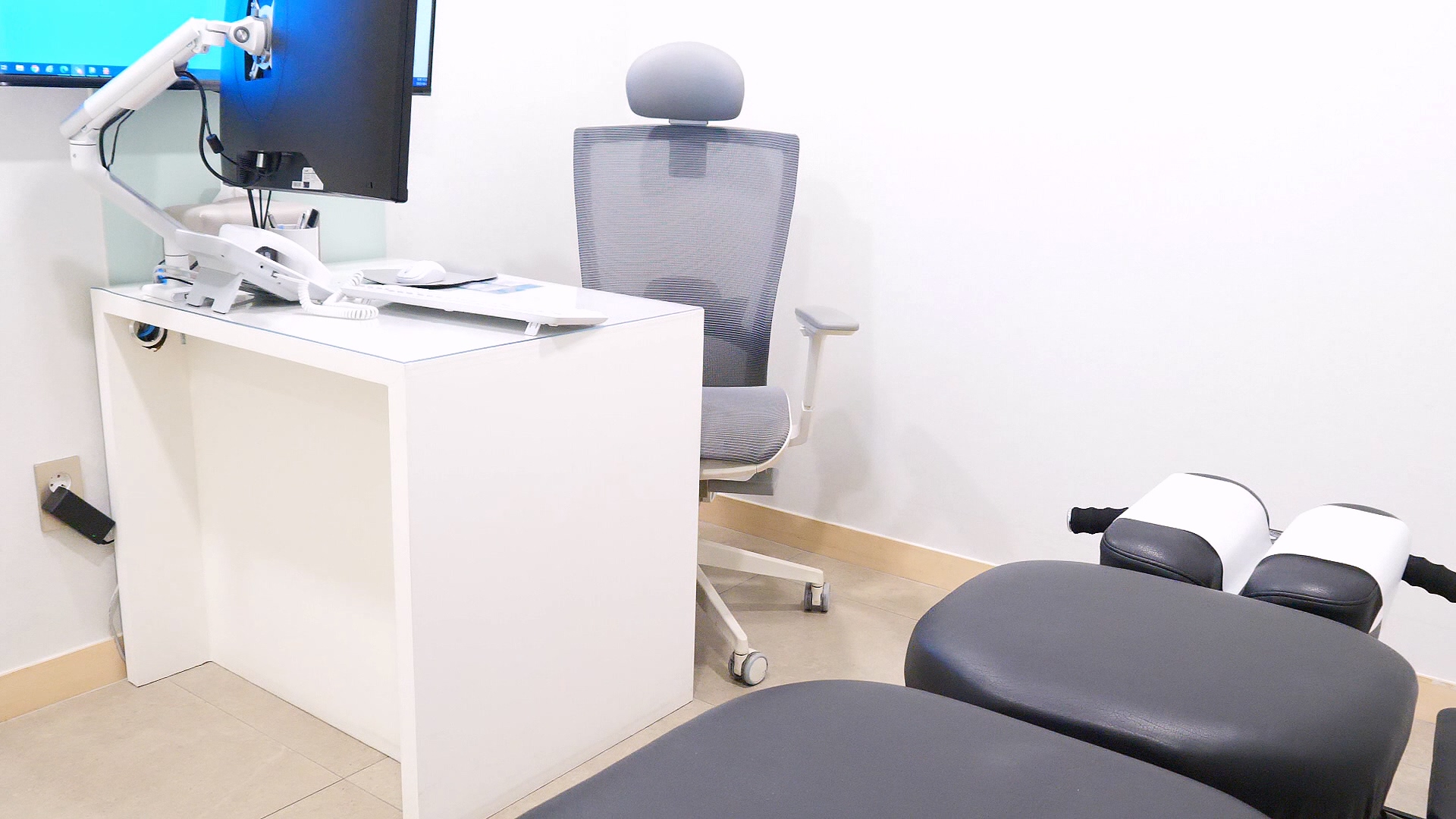
By evaluating the relationship between the spine, nervous system, and soft tissues, we aim to provide an impactful roadmap for recovery. At Bonecure, we believe that when your bones smile, life smiles, and this philosophy guides every assessment we conduct to help you reclaim your natural mobility. Throughout this guide, I will explain how structural integrity serves as the foundation for wellbeing and what you can expect from our compressed and efficient diagnostic approach in 2026.
What is a Holistic Wellness Consultation?
A holistic wellness consultation at Bonecure is defined as a targeted structural assessment that prioritizes identifying the underlying mechanical imbalances responsible for chronic discomfort. This process is designed to be impactful and efficient, focusing on postural deviations, spinal curvatures, and myofascial adhesions to understand their influence on the nervous system. By assessing the body’s framework, we can quickly determine how a misalignment in one area may be causing compensatory pain in another, ensuring a precise path to recovery.
The Core Principles of Whole-Body Balance
Maintaining whole-body balance requires an understanding that every physical structure is interdependent, where the spine serves as the primary pillar for nervous system health. During a consultation at Bonecure, we focus on the integrity of the musculoskeletal framework to ensure that neurological signals can travel without interference. Misalignments often lead to increased physical stress, which can manifest as chronic inflammation or decreased organ efficiency. Clinical observations suggest that correcting cervical alignment can help improve physiological homeostasis and sensory perception. By addressing structural stability, we aim to support the body's natural balance, which may help alleviate symptoms like dizziness, though individual results vary depending on the patient's condition. By restoring the natural curves of the neck and back, we allow the body to function with minimal energy expenditure. This principle of balance is essential for preventing the premature wear and tear of joints and ensuring that the body remains resilient against external stressors and aging.
How Structural Alignment Influences General Health
Structural alignment is the physical arrangement of the skeleton and soft tissues that allows for optimal biomechanical function and efficient blood flow. When the spine is properly aligned, it facilitates the healthy flow of cerebrospinal fluid and supports the proper functioning of the autonomic nervous system. Conversely, structural distortions can lead to varied issues such as chronic fatigue or digestive problems due to nerve compression. In my clinical experience, addressing long-standing structural rigidities in the upper spine can be a key factor in managing complex symptoms. These observations suggest that physical alignment is not just about posture, but about the fundamental environment in which our internal organs and nervous system operate. Please note that chronic conditions may require multiple sessions and outcomes depend on individual health factors. By ensuring that the skull and spine are correctly positioned, we help stabilize the communication pathways between the brain and the rest of the body. This approach provides a solid foundation for systemic health that goes beyond mere musculoskeletal relief, influencing everything from sleep quality to immune system resilience.
Moving Beyond Symptom Management to Root Cause Resolution
Root cause resolution is a clinical strategy that moves past the temporary suppression of pain to address the specific mechanical or tissue-based source of the problem. Many patients arrive after years of managing symptoms with temporary fixes, only to find the issues recurring because the underlying adhesions or misalignments remained unaddressed. At Bonecure, we utilize specialized diagnostic protocols to locate these deep-seated structural issues. In specific documented cases, we have seen that addressing the root structural cause of idiopathic scoliosis or chronic vertigo led to measurable improvements in patient stability and comfort. By identifying where the body is "stuck" or misaligned, we can create a targeted plan that encourages the body’s natural regenerative processes. While individual results may vary based on the chronicity of the condition, focusing on the root cause often leads to more sustainable outcomes compared to superficial treatments. This methodology ensures that we are not just masking the pain but actively working toward restoring the physical integrity of the body’s fundamental systems.
The Bonecure Approach to Holistic Wellness
The Bonecure approach to holistic wellness is an integrative methodology that combines modern anatomical insights with the precision of specialized blade acupuncture, known as acupotomy. This approach is built on the understanding that rigid spinal ligaments and myofascial adhesions are often the primary barriers to structural correction and pain relief. By utilizing evidence-based techniques to release these restrictive tissues, we facilitate a more effective realignment of the skeletal structure. Our focus remains on evidence-first clinical practice, ensuring that every intervention is tailored to the specific anatomical needs of the patient for maximum recovery potential.
Integrating Modern Anatomy with Traditional Acupuncture
Combining modern anatomical knowledge with traditional acupuncture allows for a sophisticated understanding of how meridian pathways correlate with myofascial chains and nerve pathways. At Bonecure, we use this integration to pinpoint the exact location of structural blockages that traditional methods might overlook. By applying anatomical precision, we can address the specific ligaments and tendons that maintain abnormal spinal curvatures. This synergy is particularly effective for complex conditions like autonomic dysfunction or intractable headaches where structural factors play a major role. For example, A 2026 Clinical Guide to Holistic Pain Management in Seoul at Bonecure highlights how this integrated view helps in managing chronic pain syndromes. We analyze the body’s geometry using modern diagnostic tools while applying the targeted release techniques of acupotomy. This ensures that the treatment is both grounded in ancient wisdom and supported by the rigors of modern clinical anatomy, providing a comprehensive solution for patients seeking long-term structural health and improved quality of life.
The Role of Specialized Blade Acupuncture in Tissue Recovery
Specialized blade acupuncture, or acupotomy, is a minimally invasive technique designed to release pathological adhesions and restore blood flow to chronic injury sites. This tool features a tiny flat head that allows the practitioner to precisely detach hardened tissues that are compressing nerves or restricting joint movement. At Bonecure, this technique is central to our recovery protocols for patients who have not responded to conventional manual therapies. By physically breaking down these adhesions, we stimulate the body’s natural healing response, leading to the regeneration of healthy tissue. In certain clinical observations, patients with severe spinal rigidity showed improved range of motion and reduced pain scores after a series of targeted sessions. However, it is important to note that this procedure may involve temporary localized pain, minor bruising, or a risk of infection in rare cases. As detailed in our guide on Advanced Acupotomy Techniques for Loosening Rigid Spinal Ligaments in 2026, this precision-led recovery is essential for those dealing with long-term structural stagnation and chronic pain.
Restoring Mobility Through Precision Structural Correction
Precision structural correction is the process of manually or mechanically realigning the spine and joints to their optimal functional positions. This phase of treatment at Bonecure follows the release of soft tissue adhesions, ensuring that the bones can move freely into their correct alignment. We focus on restoring the natural lordotic and kyphotic curves of the spine, which are critical for absorbing shock and protecting the spinal cord. Our clinical philosophy emphasizes that mobility is not just about the range of motion in a single joint but about the fluid movement of the entire skeletal chain. In cases of chronic neck pain or postural collapse, we have seen that correcting the cervical and thoracic alignment can significantly improve a patient's daily functional capacity. According to The Clinical Philosophy of Dr. Song Jeong-hyun at BonCure Clinic, the goal is to achieve a state where the skeletal system supports the body effortlessly. This structural restoration is a multi-step process that requires patient commitment and precise clinical execution to ensure lasting stability.
Comparing Conventional Care and Holistic Wellness Consultation
Comparing conventional care with a holistic wellness consultation reveals a fundamental difference in how chronic conditions are approached and managed over time. Conventional care often focuses on symptomatic relief, such as using medication to block pain signals or temporary physical therapy to alleviate surface-level muscle tension. In contrast, a holistic consultation at Bonecure seeks to understand the mechanical failures and tissue adhesions that create those symptoms in the first place. The following table illustrates the key distinctions between these two clinical philosophies to help patients understand their care options better.
| Feature | Conventional Care | Holistic Wellness Consultation |
|---|---|---|
| Primary Goal | Immediate symptom suppression | Long-term structural restoration |
| Focus Area | Isolated pain site | Interconnected whole-body systems |
| Diagnostic Tool | Imaging (X-ray/MRI) for injury | Structural alignment & tissue adhesion analysis |
| Treatment Type | Medication or general therapy | Precision acupotomy & structural correction |
| Recovery Focus | Pain reduction | Mobility and nervous system integrity |
| Long-term Outlook | Maintenance of status quo | Root cause resolution & prevention |
Symptomatic Relief vs. Structural Regeneration
Symptomatic relief focuses on reducing the sensation of pain, whereas structural regeneration involves repairing the actual tissues and alignments that cause dysfunction. At Bonecure, we believe that relying solely on pain management can often mask worsening structural issues. For example, while a patient might take anti-inflammatories for back pain, the underlying spinal misalignment continues to stress the surrounding ligaments. Our holistic approach seeks to regenerate health by physically releasing the adhesions that prevent proper blood flow and movement. Clinical experience suggests that addressing the physical structure through structural correction and acupotomy can lead to significant stabilization in patients with complex vestibular or autonomic symptoms. By focusing on structural integrity, we aim to provide long-term support for patients seeking to move beyond temporary relief. However, as with any clinical procedure, results are not guaranteed and depend on the severity and chronicity of the individual case. This shift in focus is vital for anyone looking to stop the cycle of chronic pain and start the process of genuine physical recovery.
Patient-Centered Diagnostic Protocols and Objective Metrics
Patient-centered diagnostic protocols at Bonecure involve using objective metrics to track progress and validate the effectiveness of the treatment plan. Instead of relying solely on a patient's subjective report of feeling "better," we use tools like whole-spine X-ray analysis and standardized scales like the Beck Anxiety or Depression Inventories to measure physiological and psychological changes. These objective measures allow us to see how structural improvements correlate with systemic health markers. For instance, we monitor changes in spinal curvature and joint mobility to ensure that the physical corrections are holding between sessions. By providing these metrics, we give patients a clear view of their recovery journey, making the process transparent and evidence-based. This data-driven approach is essential for treating complex chronic conditions where progress might be gradual. While individual responses vary, having concrete data helps both the practitioner and the patient stay aligned on the goals of the treatment plan, ensuring that every step taken is leading toward the desired structural and functional outcome.
Long-Term Health Maintenance and Prevention Strategies
Long-term health maintenance involves creating a sustainable environment within the body that prevents the recurrence of structural imbalances and chronic pain. After achieving initial correction, Bonecure emphasizes the importance of posture awareness and corrective exercises to maintain the results. We provide patients with a customized strategy to protect their spinal integrity against the stresses of modern sedentary lifestyles. This preventative mindset is crucial for ensuring that the benefits of acupotomy and structural correction last for years rather than months. In my clinical experience, patients who actively engage in their post-treatment maintenance plans report higher levels of long-term satisfaction and fewer relapses. By educating patients on how to move and sit correctly, we empower them to take control of their own health. Prevention is not just about avoiding pain; it is about maintaining the vibrant structural balance that allows the nervous system to operate at its peak. This holistic view ensures that the body remains a resilient and capable vessel for a high quality of life.
What to Expect During Your Wellness Consultation
What to expect during your wellness consultation at Bonecure is an efficient, targeted examination designed to uncover structural sources of physical discomfort. The process begins with an impactful structural review and a physical assessment that looks at how your entire body moves. We prioritize clinical impact and transparency, ensuring that you understand your diagnostic findings without unnecessary delays. This initial meeting is the foundation for a personalized recovery plan that addresses your unique anatomical needs.
Comprehensive Structural Analysis and Physical Examination
Comprehensive structural analysis involves a systematic check of your posture, spinal alignment, and joint function to identify areas of tension and misalignment. During your visit to Bonecure, I will examine the balance of your head, shoulders, and hips, as these are the primary indicators of spinal health. We also perform a palpatory exam to locate myofascial adhesions and rigid ligaments that may be restricting your movement. This examination is not just about finding where it hurts; it is about finding why it hurts. For example, a patient complaining of knee pain may actually have a significant pelvic tilt that is altering their gait. By performing this whole-body analysis, we can identify these compensatory patterns before they lead to more severe structural damage. This phase of the consultation is essential for building an accurate anatomical map of your body, providing the necessary insights to develop a truly effective and personalized treatment strategy for your long-term wellness.
Personalized Treatment Mapping for Chronic Conditions
Personalized treatment mapping is the creation of a tailored clinical pathway that outlines the specific interventions needed to address your structural imbalances. At Bonecure, we do not believe in a one-size-fits-all approach; every patient receives a plan based on their unique diagnosis and recovery pace. We consider factors such as the chronicity of your condition, your age, and your lifestyle requirements when designing your sessions. For chronic cases, the plan may include a sequence of acupotomy to release deep adhesions followed by structural correction to realign the spine. We explain the expected timeline and the physiological milestones we aim to achieve at each stage. This mapping process ensures that you are fully informed about the treatment logic and the steps required to achieve lasting relief. While some conditions may require only a few sessions, more complex chronic disorders might necessitate a longer-term commitment to achieve stable results. This clarity helps manage expectations and fosters a collaborative relationship between the patient and the clinical team.
Scientific Tracking of Progress and Recovery Milestones
Scientific tracking involves the ongoing use of objective data to monitor how your body is responding to the treatment plan over time. At Bonecure, we regularly re-evaluate your structural alignment and symptom scores to ensure that we are moving toward our recovery goals. This might involve follow-up X-rays or repeated functional tests to measure improvements in mobility and nerve function. If a particular area is not progressing as expected, we use this data to adjust our techniques and refine the treatment map. For instance, if a patient's dizziness scores have plateaued, we may look deeper into the upper cervical ligaments for remaining adhesions. This commitment to scientific tracking ensures that our care remains effective and responsive to your body's changing needs. By documenting your progress through measurable milestones, we provide tangible proof of your recovery, giving you confidence that your investment in a holistic wellness consultation is producing real, physical results. This evidence-based approach is a hallmark of our commitment to excellence in structural medicine.
Frequently Asked Questions
Q. What happens during a holistic wellness consultation at Bonecure?
During your consultation, we perform a targeted evaluation of your body's structural alignment and musculoskeletal health. We look for key imbalances in your posture, spine, and soft tissues to identify the primary causes of discomfort. This efficient approach allows us to create a personalized plan focused on high-impact structural correction.
Q. Is the specialized acupuncture used in this consultation painful?
While the specialized blade acupuncture (acupotomy) used for adhesion release can involve temporary discomfort during the procedure, most patients describe an immediate sense of lightness and improved mobility afterward. Any soreness or minor bruising typically subsides quickly within a few days. We prioritize clinical effectiveness while managing your comfort.
Q. How long does it take to see results from a holistic treatment plan?
While many patients experience significant improvements early in their care, recovery timelines vary based on the chronicity of the condition. Chronic or severe cases may require multiple sessions to achieve lasting structural stability and tissue regeneration. We set clear milestones to track your individual progress throughout the recovery journey.
Q. Are there any side effects to the structural treatments provided?
As with any clinical procedure, minor side effects like temporary localized pain, slight bruising, or redness at the site may occur. In very rare cases, minor infection is possible, though we maintain strict sterile protocols to minimize these risks. We provide full aftercare instructions to ensure a smooth recovery after every session.
Q. How does structural alignment affect internal health issues like digestion or fatigue?
The spine houses the nervous system, which controls every organ in your body. Misalignments, or subluxations, can cause autonomic dysfunction, leading to issues like fatigue or digestive upset. By restoring structural integrity, we help improve the signaling between the brain and the rest of the body, often alleviating non-musculoskeletal symptoms.
Q. Is this consultation suitable for chronic conditions that have not responded to other treatments?
Yes, our focus on releasing deep tissue adhesions and correcting long-standing structural imbalances is specifically designed for complex cases that have not found relief through conventional symptom-focused care. We often treat patients who have tried various other therapies without seeing sustainable results. Our specialized techniques offer a different approach to physical recovery.
Q. How much does a holistic wellness consultation and subsequent treatment cost?
Costs are determined by the complexity of the diagnostic process and the customized treatment plan required for your specific needs. Because every plan is personalized, we invite you to contact Bonecure directly for a detailed discussion regarding your individual care path. We focus on providing high-value care that addresses the root causes of your health concerns.
Key Takeaways
- A wellness consultation at Bonecure focuses on an efficient, targeted structural assessment to find the root cause of pain.
- Specialized blade acupuncture (acupotomy) is used to release rigid adhesions that block blood flow and restrict movement.
- Objective metrics, such as spinal X-rays and standardized health scales, are used to track and validate your recovery progress.
- Structural alignment is crucial for the health of the autonomic nervous system and the prevention of chronic fatigue and pain.
- Our clinical model is designed for impactful, compressed sessions that focus on structural restoration and clinical results.
If you are struggling with chronic pain or structural imbalances, I invite you to schedule a consultation to begin your journey toward lasting health.
Bonecure / Dr. Song Jeong-hyeon
FAQ
- What happens during a holistic wellness consultation at Bonecure?
- During your consultation, we perform a deep analysis of your body's structural alignment and nervous system health. We look beyond isolated pain points to identify how your posture, spine, and soft tissues interact to affect your overall vitality. This comprehensive approach allows us to map out a personalized plan for root cause resolution.
- Is the specialized acupuncture used in this consultation painful?
- While the specialized blade acupuncture (acupotomy) used for adhesion release can involve temporary discomfort during the procedure, most patients describe an immediate sense of lightness and improved mobility afterward. Any soreness or minor bruising typically subsides quickly within a few days. We prioritize your comfort and explain each step to minimize anxiety.
- How long does it take to see results from a holistic treatment plan?
- While many patients experience significant improvements early in their care, recovery timelines vary based on the chronicity of the condition. Chronic or severe cases may require multiple sessions to achieve lasting structural stability and tissue regeneration. We set clear milestones to track your individual progress throughout the recovery journey.
- Are there any side effects to the structural treatments provided?
- As with any clinical procedure, minor side effects like temporary localized pain, slight bruising, or redness at the site may occur. In very rare cases, minor infection is possible, though we maintain strict sterile protocols to minimize these risks. We provide full aftercare instructions to ensure a smooth recovery after every session.
- How does structural alignment affect internal health issues like digestion or fatigue?
- The spine houses the nervous system, which controls every organ in your body. Misalignments, or subluxations, can cause autonomic dysfunction, leading to issues like fatigue or digestive upset. By restoring structural integrity, we help improve the signaling between the brain and the rest of the body, often alleviating non-musculoskeletal symptoms.
- Is this consultation suitable for chronic conditions that have not responded to other treatments?
- Yes, our focus on releasing deep tissue adhesions and correcting long-standing structural imbalances is specifically designed for complex cases that have not found relief through conventional symptom-focused care. We often treat patients who have tried various other therapies without seeing sustainable results. Our specialized techniques offer a different approach to physical recovery.
- How much does a holistic wellness consultation and subsequent treatment cost?
- Costs are determined by the complexity of the diagnostic process and the customized treatment plan required for your specific needs. Because every plan is personalized, we invite you to contact Bonecure directly for a detailed discussion regarding your individual care path. We focus on providing high-value care that addresses the root causes of your health concerns.