
Post
A 2026 Clinical Guide to Holistic Pain Management in Seoul at Bonecure
Hello. I am Dr. Song Jeong-hyun, an Oriental Medical Doctor who has dedicated my career to mastering Acupotomy and structural alignment.
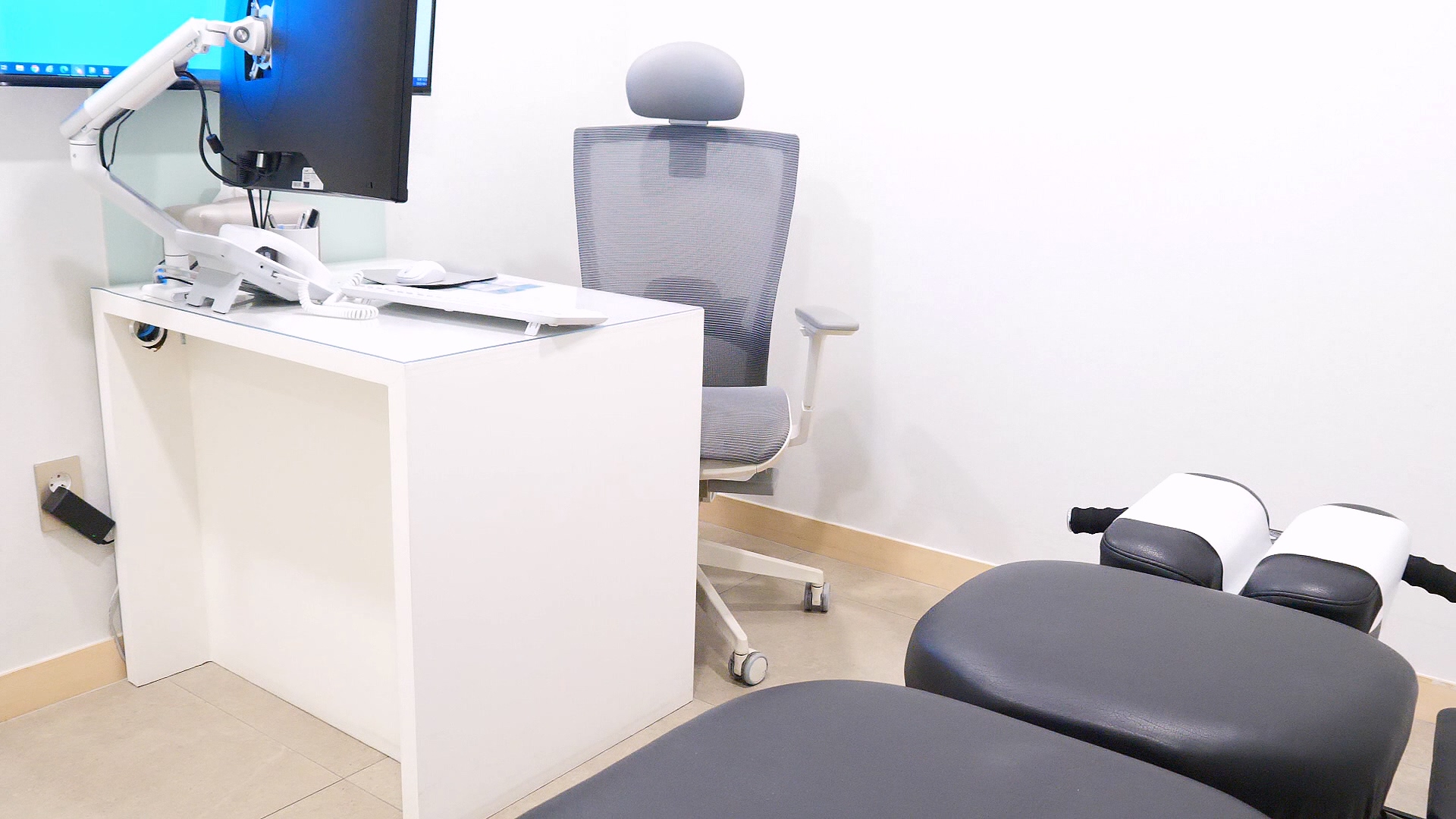
At Bonecure, we believe that when your bones are in their rightful place, your entire life reflects that harmony. Chronic pain is rarely a localized issue; it is a systemic signal that requires a comprehensive solution.
Holistic pain management in Seoul represents a sophisticated synthesis of diagnostic precision and therapeutic restoration. It is an approach that moves beyond the superficial suppression of symptoms to identify the fundamental structural and internal imbalances that sustain chronic discomfort. By integrating time-honored principles with modern clinical insights, we provide a pathway for patients to achieve vitality and physical freedom.
What is Holistic Pain Management in Seoul?
Holistic pain management is a comprehensive therapeutic framework that addresses the human body as an integrated system rather than a collection of isolated symptoms. In the bustling heart of South Korea, this methodology has evolved to meet the needs of international and local patients who seek more than just temporary relief. At Bonecure, we define this approach as the restoration of both physical alignment and internal physiological balance to ensure that the body can heal itself naturally and effectively without unnecessary surgical intervention.
A Comprehensive Approach Beyond Temporary Relief
In the landscape of modern medicine, many patients find themselves trapped in a cycle of temporary fixes. Holistic management at Bonecure seeks to break this cycle by investigating the interconnectedness of the musculoskeletal and nervous systems. In 2026, we utilize advanced clinical protocols to ensure that every patient receives a tailored recovery plan. This involves assessing how a misaligned cervical spine might be the hidden catalyst for chronic migraines or how pelvic instability contributes to persistent lower back issues. Our goal is to provide a solution that aims for long-term stability. By focusing on the structural integrity of the 206 bones in the human body, we address the architectural foundation of health. We have observed that patients who undergo comprehensive structural assessments often report improvements in secondary symptoms like fatigue and digestive distress. This systemic perspective is what distinguishes our clinical practice in the competitive medical hub of Seoul.
The Synergy of Korean Traditional Medicine and Modern Structural Alignment
Blending ancestral wisdom with 2026 medical standards allows for a uniquely effective healing experience. Traditional Korean medicine emphasizes the flow of energy and blood, while modern structural alignment focuses on the physical positioning of the spine and joints. Bonecure bridges these two worlds by using diagnostic tools like Whole Spine X-ray alongside traditional pulse diagnosis. This dual-lens approach ensures that we do not miss the subtle physiological markers of chronic inflammation. For instance, in our clinical experience with cases of chronic pain, we often find that localized treatments fail because they ignore the systemic 'adhesions' that have formed over years of poor posture or injury. By applying structural realignment techniques, we physically restore the space needed for nerves and vessels to function. This synergy is particularly beneficial for those who have exhausted conventional options without success. We believe that physical alignment is the prerequisite for all other internal healing processes to reach their full potential in every patient.
Defining Root Cause Treatment in a Wellness Clinic Cheongdam Context
Cheongdam has become a global center for high-end wellness, but at Bonecure, we believe true luxury is the absence of pain. Root cause treatment here involves a deep dive into the patient's history and biomechanics. Instead of merely prescribing painkillers, we ask why the pain exists in the first place. Is it a rigid ligament? Is it a dysfunctional autonomic nervous system? By identifying these 'root causes,' we can apply targeted interventions like Acupotomy to release fixed tissues. Many patients visit our Wellness Clinic in Cheongdam after years of suffering, seeking an in-depth diagnostic and therapeutic direction. Our clinical philosophy focuses on the 'Bone Smiles' principle, which posits that a balanced skeleton leads to a balanced life. Through this lens, we treat intractable disorders by correcting the physical distortions that interfere with the body's innate recovery mechanisms. This commitment to finding the 'why' behind the 'where' is the cornerstone of our professional reputation in the international medical community.
Core Modalities: Acupuncture for Back Pain and Chronic Conditions
Core modalities for chronic pain involve specialized interventions designed to restore physical integrity and neurological flow. These techniques are selected based on their ability to penetrate deep into the tissue where conventional methods often fail to reach. By utilizing specialized instruments and manual therapies, we can physically intervene in the pathology of chronic pain, providing the body with the mechanical stimulus it needs to initiate a regenerative response and restore normal function across the entire kinetic chain.
Specialized Acupotomy for Tissue Adhesion Release
Acupotomy, often referred to as 'acupuncture-knife' therapy, is a specialized procedure used to treat chronic, recalcitrant pain by releasing soft tissue adhesions. Unlike standard needles, the Acupotomy tool features a small, flat blade at the tip, allowing us to physically detach fused tissues that compress nerves and restrict blood flow. This technique is highly effective for conditions like chronic back pain where ligaments have become thickened and rigid. However, it is important to note that because this is a more intensive procedure, patients may experience minor side effects such as localized pain, temporary bleeding, or bruising at the site. While rare, infection is a potential risk, which is why we maintain the highest sterilization standards at Bonecure. In one clinical case report involving a patient with 18 years of chronic symptoms, specialized release techniques contributed to a significant reduction in discomfort. Individual results always vary; however, rather than requiring a fixed set of sessions, we focus on providing immediate, perceptible improvement from the first treatment.
Structural Correction through Chuna and Whole Spine Alignment
Chuna manual therapy is a sophisticated form of manipulation that focuses on correcting the alignment of the spine and joints. At Bonecure, we utilize Chuna not just as a massage, but as a corrective tool to redistribute physical stress across the body. When the spine is misaligned, even by a few millimeters, it can create compensatory patterns that lead to chronic pain in seemingly unrelated areas. By performing whole spine alignment, we restore the natural curves of the neck and lower back, which is essential for optimal nerve transmission. Our 2026 protocols emphasize the importance of the sphenoid bone and the pelvis as the two anchors of the skeletal system. We often see that when these anchors are balanced, the rest of the spine follows suit. This structural correction is a vital component of A Clinical Guide to Chuna Manual Therapy for Posture Correction in 2026, which further explains how these adjustments support long-term health and prevent the recurrence of debilitating musculoskeletal issues.
The Mechanism of Holistic Structural Restoration
Understanding the specific mechanisms of our holistic approach is crucial for patients making informed healthcare decisions. Our clinical focus is on the long-term architectural health of the body, utilizing specialized tools to address deep-seated issues. At Bonecure, we prioritize structural realignment and the mechanical release of adhesions. By using a combination of Acupotomy, Chuna, and personalized Herbal Medicine, we address the body as a systemic unit—focusing on the spine, nerves, and internal balance rather than just localized symptoms. This mechanical stimulus is designed to restore the body's innate healing capacity and physical integrity, providing a comprehensive pathway for those dealing with chronic musculoskeletal challenges.
For more information on these differences, you might explore A Clinical Guide to Advanced Acupuncture and Structural Alignment for Chronic Pain in 2026.
Traditional Korean Medicine Clinic Seoul: Diagnostic Excellence
Diagnostic excellence in a modern traditional clinic involves combining ancestral wisdom with contemporary imaging technology. It is not enough to simply listen to a patient's description of pain; we must visualize the internal environment and the physical structure to create a precise map for recovery. This objective approach ensures that every needle insertion and every manual adjustment is backed by clinical data, reducing guesswork and increasing the likelihood of a successful outcome for patients with complex, multi-layered health challenges.
Pulse Diagnosis Consultation and Personalized Herbal Prescriptions
Traditional pulse diagnosis remains a cornerstone of our diagnostic process at Bonecure. By evaluating the radial pulse, I can gain insights into the functional state of the internal organs and the quality of blood circulation. This is not a mystical process but a clinical one, refined through centuries of observation. When combined with personalized herbal prescriptions, we can address the internal inflammation that often accompanies chronic structural pain. These herbs are carefully selected to improve metabolic function and clear 'phlegm-dampness' or 'stagnant blood'—terms we use to describe physiological waste and poor circulation. For a patient suffering from chronic fatigue alongside back pain, the right herbal formula can provide the internal energy necessary for the physical body to respond to structural treatments. This internal support is a key element of the Professional Guide to Structural Alignment and Acupotomy in Cheongdam-dong (2026), ensuring that the body is nourished while it is being rebuilt.
Clinical Notes on Chronic Pain Management Acupuncture
In my clinical practice, I have documented numerous cases where specialized acupuncture techniques have achieved remarkable results. For instance, I recently managed a case involving an international patient with sudden hearing loss and tinnitus. By applying targeted structural acupuncture over 20 sessions, the patient's hearing thresholds showed measurable improvement on objective audiograms. In another case involving a patient with an 18-year history of chronic symptoms, we observed a clinically significant improvement in pain scale indicators following a structured treatment plan. These figures are based on specific clinical case reports and do not guarantee the same results for every individual, as each patient’s condition and response to treatment are unique. However, these notes highlight the potential of Acupotomy to address issues that have resisted conventional care. We emphasize that chronic conditions benefit from a tailored approach designed to achieve a stable recovery and prevent the recurrence of tissue adhesions.
Objective Assessment using Whole Spine X-ray and Autonomic Balance Tests
To ensure our treatments are as accurate as possible, Bonecure utilizes objective assessments like Whole Spine X-ray and Autonomic Nervous System (ANS) balance tests. The X-ray allows us to see the exact degree of spinal curvature or misalignment, which is vital for planning Chuna manipulations. The ANS test measures heart rate variability to determine if a patient is stuck in a 'fight or flight' state, which can exacerbate pain perception and delay healing. By tracking these metrics, we can provide patients with tangible proof of their progress. For example, a patient might see their spinal alignment improve by several degrees, or their ANS balance move closer to the norm. This evidence-based approach is particularly useful for complex conditions like A 2026 Clinical Guide to Non-Surgical Herniated Disc Treatment: Restoring Spinal Health at Bonecure, where objective data helps us manage the patient's expectations and refine the treatment plan in real-time.
Integrating Herbal Medicine and Wellness for Long-Term Recovery
Long-term recovery integration involves metabolic support and neurological stabilization to prevent the recurrence of inflammatory cycles. True health is not just the absence of pain but the presence of vitality. By improving metabolic function and balancing the nervous system, we create an environment where the musculoskeletal system can remain stable and functional long after the active treatment phase has concluded, ensuring a higher quality of life for our patients.
Herbal Medicine Support for Systemic Inflammation
Chronic pain is often fueled by systemic inflammation, which can be addressed through personalized herbal prescriptions. At Bonecure, our protocols focus on clearing metabolic waste and improving circulation through targeted herbal therapy. This process involves a specific regimen designed to 'reset' the body's internal environment and enhance metabolic efficiency. By reducing the overall inflammatory load, we find that the musculoskeletal system becomes less reactive and more receptive to structural alignment. Many patients report that after beginning their herbal regimen, their joint stiffness decreases and their mental clarity increases. It is a vital step for anyone dealing with persistent pain or chronic metabolic issues that coincide with musculoskeletal problems. This approach is about restoring the chemical balance of the body to support long-term structural health and vitality.
Managing Autonomic Nervous System Dysregulation and Tinnitus
There is a deep connection between the structure of the upper cervical spine and the function of the autonomic nervous system. Misalignments in the neck can interfere with the vagus nerve, leading to symptoms like tinnitus, dizziness, and anxiety. At Bonecure, we treat these intractable disorders by focusing on the relationship between the skull and the first few vertebrae. In my published case reports, I have documented how correcting these structural issues can lead to significant improvements in tinnitus severity. While individual results vary, and some patients may require focused treatment, the link between physical alignment and neurological function is undeniable. By stabilizing the autonomic nervous system, we help the body move out of a chronic stress state, which is often a hidden barrier to healing from chronic pain. This holistic approach ensures that we are treating the person, not just the symptom.
Clinical Case Reports on Torticollis and Idiopathic Scoliosis Improvement
Our clinic has a strong focus on complex postural deformities, including torticollis and idiopathic scoliosis. These conditions require a high degree of precision in both diagnosis and treatment. In our clinical observations, we have seen that combining Acupotomy with intensive Chuna therapy can lead to improvements in spinal curvature and head position. For example, in cases of adolescent idiopathic scoliosis, early intervention focused on structural balance can help manage the progression of the curve. These improvements are documented using objective X-ray analysis to ensure accuracy. It is important to emphasize that these are case-specific results and that management of scoliosis is a long-term process that requires patient compliance and regular monitoring. By providing a non-surgical alternative focused on structural restoration, Bonecure offers hope to those looking to improve their posture and reduce the long-term impact of these challenging conditions on their overall health and well-being.
Frequently Asked Questions
Q. What defines holistic pain management at Bonecure?
Holistic pain management at Bonecure focuses on identifying structural imbalances and internal disharmony. By using specialized tools like Acupotomy to release adhesions and herbal medicine to reduce inflammation, we aim for recovery rather than just masking symptoms. We view the body as a single, interconnected unit where the skeleton, nerves, and organs must all function in harmony.
Q. Is acupuncture for back pain effective for chronic conditions?
Yes, specifically Acupotomy (a specialized blade-shaped needle) is used to physically release fused soft tissues that cause chronic pain. This method is designed to address the root mechanical cause of stiffness and nerve compression. However, results vary between patients; our approach focuses on immediate relief that patients can feel from the first session.
Q. What should I expect during a Pulse Diagnosis Consultation?
Dr. Song Jeong-hyun evaluates your internal state by checking the radial pulse to understand organ function and blood flow. This traditional method, combined with modern X-ray analysis, helps create a customized treatment plan for holistic healing. It allows us to tailor herbal prescriptions to your specific metabolic and inflammatory profile.
Q. Are there any side effects to Acupotomy treatment?
As with any invasive procedure, minor pain at the site, temporary bleeding, or bruising may occur. While rare, infection is a potential risk, which is why we maintain strict sterilization and professional clinical standards. Most patients find that the temporary discomfort is outweighed by the improvement in their mobility and pain levels.
Q. How long does the herbal medicine treatment take to work?
Each patient’s response is unique. While some may notice metabolic and inflammatory improvements within a few days, others with long-standing systemic issues may follow a customized prescription for several weeks to restore autonomic balance. We monitor your progress through regular consultations and diagnostic metrics.
Q. Do you treat foreign patients at your Wellness Clinic in Cheongdam?
We frequently treat international patients visiting Seoul and provide comprehensive care tailored to specific travel schedules. Our clinic offers English-speaking services and ensures high-quality Korean medicine treatments for those seeking chronic pain management abroad. We understand the unique needs of travelers and work to optimize their treatment time.
Q. Are your clinical results scientifically proven?
Dr. Song Jeong-hyun has published several clinical case reports on conditions such as tinnitus, sudden hearing loss, and spinal curvatures. While these reports show improvement in specific cases—such as a reduction in tinnitus scores or improved audiograms—individual results are not guaranteed and vary by condition. We rely on objective data like X-rays to track each patient's progress.
Key Takeaways
- Root Cause Focus: Bonecure prioritizes identifying and treating the structural source of pain through advanced diagnostics and Acupotomy.
- Integrated Healing: Combining Traditional Korean Medicine with modern Whole Spine X-ray analysis ensures a balanced approach to internal and physical health.
- Personalized Care: Every treatment plan, from herbal prescriptions to Chuna manual therapy, is tailored to the individual's unique physiological and structural needs, focusing on immediate results.
- Objective Evidence: We use X-rays and ANS balance tests to provide measurable proof of progress, moving beyond subjective reports of improvement.
- Long-Term Vitality: By integrating metabolic support and neurological stabilization, we aim to prevent pain recurrence and enhance overall life satisfaction.
If you are struggling with chronic pain that has not responded to conventional treatments, I invite you to discover how structural alignment can change your life. At Bonecure, we are dedicated to helping your bones smile so that your life can smile too.
Bonecure / Dr. Song Jeong-hyun
FAQ
- What defines holistic pain management at Bonecure?
- Holistic pain management at Bonecure focuses on identifying structural imbalances and internal disharmony. By using specialized tools like Acumotomy to release adhesions and herbal medicine to reduce inflammation, we aim for long-term recovery rather than just masking symptoms. We view the body as a single, interconnected unit where the skeleton, nerves, and organs must all function in harmony.
- Is acupuncture for back pain effective for chronic conditions?
- Yes, specifically Acumotomy (a specialized blade-shaped needle) is used to physically release fused soft tissues that cause chronic pain. This method is designed to address the root mechanical cause of stiffness and nerve compression. However, results vary between patients, and chronic cases may require multiple sessions for full recovery and stabilization.
- What should I expect during a Pulse Diagnosis Consultation?
- Dr. Song Jeong-hyun evaluates your internal state by checking the radial pulse to understand organ function and blood flow. This traditional method, combined with modern X-ray analysis, helps create a customized treatment plan for holistic healing. It allows us to tailor herbal prescriptions to your specific metabolic and inflammatory profile.
- Are there any side effects to Acumotomy treatment?
- As with any invasive procedure, minor pain at the site, temporary bleeding, or bruising may occur. While rare, infection is a potential risk, which is why we maintain strict sterilization and professional clinical standards. Most patients find that the temporary discomfort is outweighed by the significant improvement in their mobility and pain levels.
- How long does the Traditional Korean Detox Program take?
- The duration depends on the severity of the systemic inflammation or digestive issues. Typically, a program ranges from a few days to several weeks, focusing on clearing toxins and restoring autonomic balance. We customize the duration based on your initial diagnostic results and your body's response to the detoxification process.
- Do you treat foreign patients at your Wellness Clinic in Cheongdam?
- We frequently treat international patients visiting Seoul and provide comprehensive care tailored to specific travel schedules. Our clinic offers English-speaking services and ensures high-quality Korean medicine treatments for those seeking chronic pain management abroad. We understand the unique needs of travelers and work to optimize their treatment time.
- Are your clinical results scientifically proven?
- Dr. Song Jeong-hyun has published several clinical case reports on conditions such as tinnitus, sudden hearing loss, and spinal curvatures. While these reports show significant improvement in specific cases—such as a reduction in tinnitus scores or improved audiograms—individual results are not guaranteed and vary by condition. We rely on objective data like X-rays to track each patient's progress.