
Post
A Clinical Guide to Advanced Acupuncture and Structural Alignment for Chronic Pain in 2026
Hello. I am Dr. Song Jeong-hyun, the representative director of BoneCure Korean Medicine Clinic.
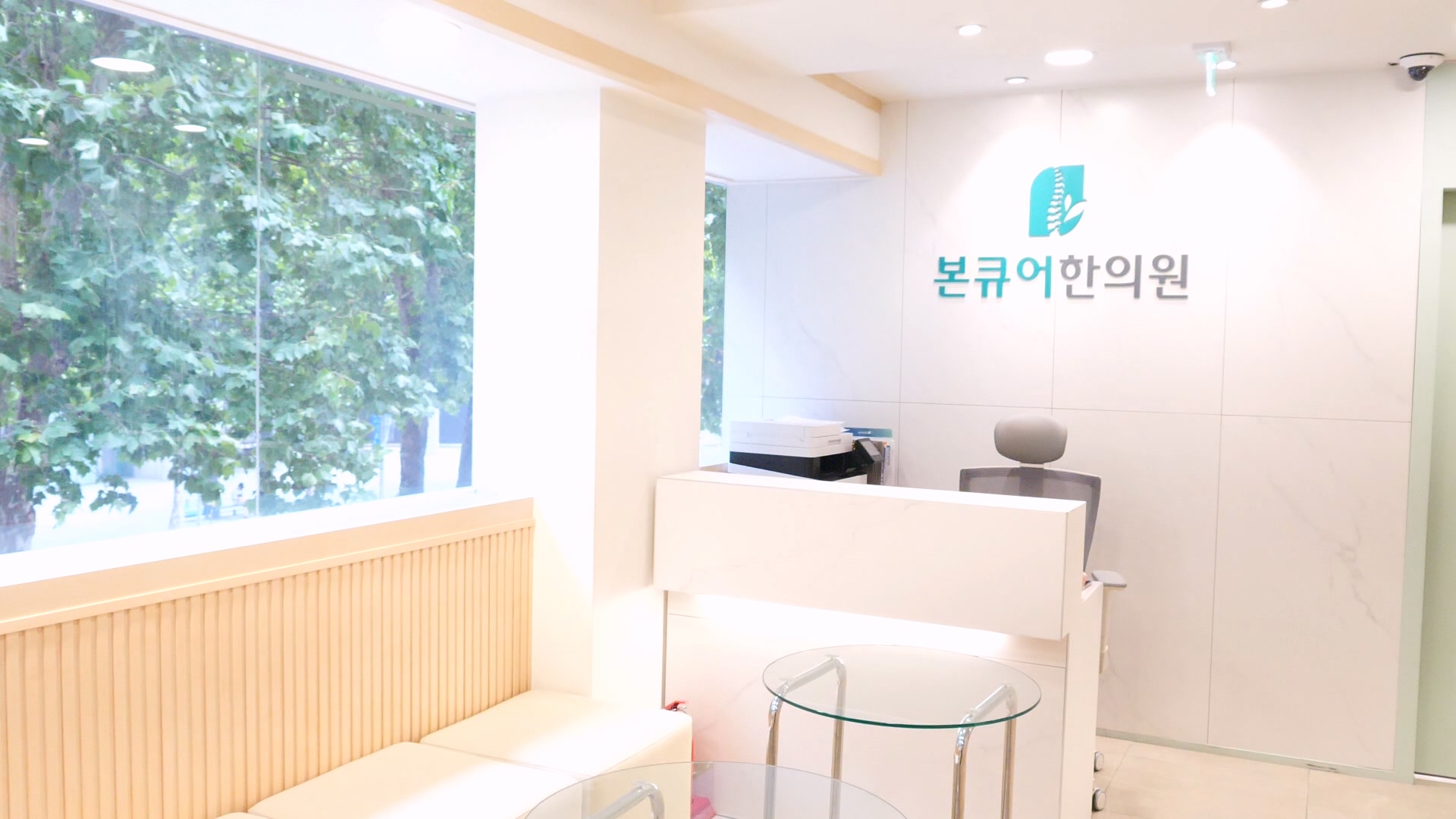
I have dedicated my career to identifying the root causes of persistent pain and restoring the body’s overall balance through structural realignment and specialized Acupotomy (knife-needle therapy). Chronic pain is rarely just a symptom; it is often a signal of deep-seated tissue adhesions and skeletal imbalances. In this guide, I will share our clinical approach to help you regain a healthy and balanced daily life.
At BoneCure, we believe that "When your bones smile, life smiles." This means focusing on the fundamental structural integrity of the body rather than merely masking pain. Our integrated approach combines traditional wisdom with modern diagnostic precision to achieve immediate, tangible results.
Understanding Acupuncture and Structural Correction in Korean Medicine
Acupuncture for chronic pain relief at our clinic is not a passive treatment. We utilize strategic interventions to disrupt pain signaling and promote natural regeneration. By targeting specific neurovascular bundles and myofascial trigger points, we facilitate the restoration of physiological balance.
The Science of Acupotomy and Adhesion Release
Many patients suffer from discomfort that stems from micro-adhesions in soft tissues. These rigid structures restrict fluid movement and irritate nerves, leading to chronic dysfunction. To address this, I specialize in Acupotomy (Knife-Needle Therapy). Unlike traditional fine needles, this specialized tool allows for the precise dissection and release of fibrous adhesions.
Clinical observations at BoneCure indicate that releasing these adhesions helps restore the natural elasticity of muscles and ligaments, often resulting in immediate changes that the patient can feel. It is important to note that while many experience immediate relief, individual results vary based on health history, and some may experience temporary soreness or minor bruising at the treatment site.
How We Approach Persistent Musculoskeletal Pain
We view the human body as an integrated structural system. Localized pain is frequently a manifestation of systemic misalignment. For instance, chronic fatigue or recurring muscle tension may be linked to an unstable autonomic nervous system caused by spinal stress.
In my practice, we do not just target the symptom; we investigate the "why." We use comprehensive physical examinations and movement evaluations to see how the body has lost its ability to self-regulate. Consistent intervention helps rebalance internal physiological states, though chronic conditions usually require multiple sessions to achieve long-term stability.
Addressing the Root Cause: Structural Alignment
Dysfunction often occurs when the skeletal framework deviates from its optimal alignment, creating uneven pressure on nerves and connective tissues. By utilizing precision acupuncture and Chuna therapy, we aim to decompress these sensitive areas.
In my clinical experience, even a minor pelvic tilt can lead to chronic knee or back pain that persists for years. Our goal is to return the body to its natural state of equilibrium. While structural changes take time, adherence to a prescribed treatment plan is crucial. It is essential to recognize that while the risk of complications is minimal, temporary inflammation is a normal part of the healing process as the body realigns.
Targeted Solutions for Back and Neck Pain
Targeted treatment involves identifying specific vertebrae or muscle groups restricted by injury or postural habits. By applying focused structural correction, we reduce pressure on spinal nerves and restore the natural balance of the vertebral column.
Restoring Structural Balance in the Spine
Our strategy focuses on restoring balance between the spine and surrounding musculature. Many patients arrive with lumbar issues caused by long-term sedentary habits. By targeting deep multifidus muscles and paraspinal ligaments, we encourage the spine to realign.
Clinical data from our clinic suggest that patients see measurable improvements in structural alignment after completing a customized protocol involving Acupotomy and Chuna therapy. This realignment is vital because even a slight deviation can lead to nerve compression. While the procedure is generally well-tolerated, some individuals may feel deep pressure during the session as we reach the affected tissue.

Specialized Pharmacopuncture for Deep Tissue Recovery
Instead of thermal therapies, we often utilize Pharmacopuncture—the injection of purified herbal extracts into specific acupoints—to enhance deep tissue recovery. This technique delivers concentrated healing agents directly to the site of inflammation, facilitating faster regeneration of ligaments and tendons.
This method is particularly beneficial for chronic conditions characterized by severe stiffness. When combined with Acupotomy, it creates a synergistic effect that accelerates the recovery of deep connective tissues. Patients should be aware that all injectable treatments carry a minimal risk of temporary swelling, and professional consultation is required to determine the appropriate herbal formula for your constitution.
Clinical Comparison: Traditional Acupuncture vs. Acupotomy
| Feature | Traditional Acupuncture | Acupotomy (Knife-Needle) |
|---|---|---|
| Primary Goal | Balancing nervous system | Releasing physical adhesions |
| Tissue Depth | Superficial to moderate | Deep connective tissue |
| Sensation | Mild tingling | Stronger pressure/release |
| Best For | General tension/Stress | Chronic pain/Restricted mobility |
| Recovery | Minimal to none | 1-2 days of mild soreness |
Clinical Methodology at BoneCure Clinic in Cheongdam
Our methodology integrates modern diagnostic approaches with traditional palpation. We collaborate with specialized imaging centers to utilize X-rays and MRIs when necessary, allowing us to see the visible structural issues beneath the skin.
Case Studies: Whole Spine Analysis
We have observed that whole-spine analysis is critical for identifying the true origin of pain. A patient presenting with neck pain may actually have a primary imbalance in the pelvis. By quantifying these deviations, we track the progress of structural realignment over time.
In cases of long-standing discomfort, this integrated therapy helps improve spinal verticality and function. As these results are based on individual clinical experiences, they vary depending on the patient's unique anatomy. It is vital to remember that every patient’s degree of bone remodeling and chronicity differs.
The Role of Cupping and Physical Therapy
Cupping therapy and physical therapy play supportive roles by creating myofascial decompression. This is essential for patients whose pain is exacerbated by poor local circulation. We have noted significant improvements in local microcirculation markers following these sessions. While cupping may leave temporary circular marks, these are not bruises and typically fade within days. This process complements the targeted nature of our acupuncture treatments.
Long-term Management and Stabilization
Successful pain management requires transitioning from acute intervention to stabilization. The goal is to solidify the corrected alignment so the body does not revert to its painful state. Unlike temporary fixes, we focus on lifestyle factors and therapeutic exercises to ensure the longevity of treatment results.
While we provide the necessary structural changes, daily habits determine how long those changes persist. We offer guidance to ensure the musculoskeletal system remains resilient against future stressors.
Holistic Integration for Wellness
We address the intersection of physical structure and nervous system function. This allows us to resolve complex symptoms like dizziness, anxiety, and digestive issues that often accompany chronic pain.
Autonomic Regulation for Specialized Care
Our clinic also focuses on the autonomic nervous system. When the body is in a state of constant stress, its ability to heal musculoskeletal injuries is impaired. Through targeted acupuncture, we stimulate the parasympathetic nervous system to encourage repair. This is particularly effective for managing symptoms related to autonomic dysfunction and chronic headaches.
Managing Complex Conditions: From Parkinsonism to Tinnitus
We also provide specialized care for complex conditions such as Parkinsonism (atypical Parkinson's), Tinnitus, and Spasmodic Torticollis (Cervical Dystonia). For instance, in cases of Cervical Dystonia, we work to release the fibrotic changes in neck muscles that cause involuntary movements.
Regarding Parkinsonism, while we do not claim to cure progressive neurological diseases, our structural treatments often help manage secondary symptoms and slow the progression of functional decline. These neurological conditions typically require consistent, multi-session care, and results depend heavily on the severity of the initial diagnosis.
Frequently Asked Questions
Q. How does Acupotomy differ from regular acupuncture?
Acupotomy uses a specialized flat-headed needle to physically release and peel away adhesions (scar tissue) that cause pain and restricted movement. Regular acupuncture is better for nervous system regulation and general muscle tension.
Q. How many sessions are typically required for chronic pain?
Because we focus on structural causes, we aim for immediate improvement. However, to stabilize a chronic condition and prevent relapse, a structured plan—often involving 5 to 10 sessions—is recommended. The exact number depends on individual health history.
Q. Are there any side effects to these treatments?
Patients may experience temporary muscle soreness, minor bruising, or slight bleeding at the site of Acupotomy. These are normal signs of tissue release and typically resolve within 48 hours. We maintain strict sterilization to prevent any rare risk of infection.
Q. Do you use diagnostic imaging like X-rays?
Yes. We believe in evidence-based care. We refer patients for whole-spine X-rays or MRIs to accurately diagnose structural misalignments before beginning treatment.
Q. Can structural treatment help with non-muscular symptoms like dizziness?
Yes. Misalignments in the upper cervical spine can interfere with nerve signaling and blood flow, leading to dizziness, tinnitus, or headaches. Realigning these structures often alleviates these systemic symptoms.
Key Takeaways
- Acupotomy (Knife-Needle Therapy) is essential for releasing deep tissue adhesions that traditional acupuncture cannot reach.
- Structural Alignment through Chuna and spinal correction addresses the root cause of pain, not just the symptoms.
- Evidence-Based Diagnosis, including whole-spine analysis, ensures that treatment is targeted and measurable.
- Stabilization is the final goal to ensure the body maintains its new, healthy alignment and remains pain-free.
If you are struggling with persistent pain, I invite you to experience a treatment that looks deeper than the surface. Contact BoneCure Clinic for a consultation to begin your journey toward a balanced life.
BoneCure Korean Medicine Clinic / Dr. Song Jeong-hyun
FAQ
- What is the primary mechanism of acupuncture for chronic pain relief?
- Acupuncture works by stimulating specific nerve fibers, which sends signals to the brain to release natural pain-relieving chemicals like endorphins. It also helps to modulate blood flow to the area, reducing inflammation and promoting the repair of damaged tissues. In our clinic, we use these mechanisms to specifically target structural adhesions that cause long-term discomfort.
- Is acupuncture for back pain effective for long-term recovery?
- Yes, it can be highly effective, especially when it addresses the underlying structural misalignments rather than just the symptoms. Long-term recovery usually involves a series of treatments to stabilize the muscles and ligaments supporting the spine. However, the exact number of sessions required varies significantly from one patient to another.
- Are there any side effects associated with specialized acupuncture treatments?
- Most patients experience very few side effects, but some may feel temporary muscle soreness, minor bruising, or slight bleeding at the needle site. These symptoms are generally mild and resolve within a day or two. As with any medical procedure, there is an extremely rare risk of infection, which we prevent through strict sterilization protocols.
- How does moxibustion therapy in Seoul differ from standard heat treatment?
- Moxibustion uses the combustion of dried mugwort to produce infrared heat that penetrates deeper into the tissues than standard heating pads. This traditional method is designed to improve circulation and warm the meridians, making it particularly effective for chronic pain that feels worse in cold or damp weather. It is always performed under professional supervision to ensure safety.
- What should I expect during my first visit to an acupuncture clinic in Seoul?
- Your first visit will involve a comprehensive consultation where we review your medical history and perform a physical exam, which may include a whole-spine X-ray. Based on these findings, we will develop a personalized treatment plan that may include acupuncture, cupping, or manual therapy. We aim to provide a clear explanation of your condition and the expected recovery timeline.
- Does Korean medicine for women's health address systemic pain?
- Yes, by focusing on the balance of the autonomic nervous system and hormonal harmony, Korean medicine can address systemic issues like fibromyalgia or chronic tension. Addressing internal physiological balance often leads to significant improvements in external musculoskeletal pain. We treat the body as a whole to ensure that all contributing factors are addressed.
- Can acupuncture help with neurological symptoms like tinnitus or dizziness?
- Clinical evidence and our own case reports suggest that specialized acupuncture focusing on cervical alignment can help manage symptoms like tinnitus and dizziness. These symptoms are often related to nerve compression in the neck. While many patients see significant improvement, individual results vary, and chronic neurological conditions typically require consistent, multi-session care.