
Post
A Clinical Guide to Chuna Manual Therapy for Posture Correction in 2026
Greetings. I am Dr. Song Jeong-hyun, a practitioner at Bonecure specializing in structural alignment and advanced Acupotomy.
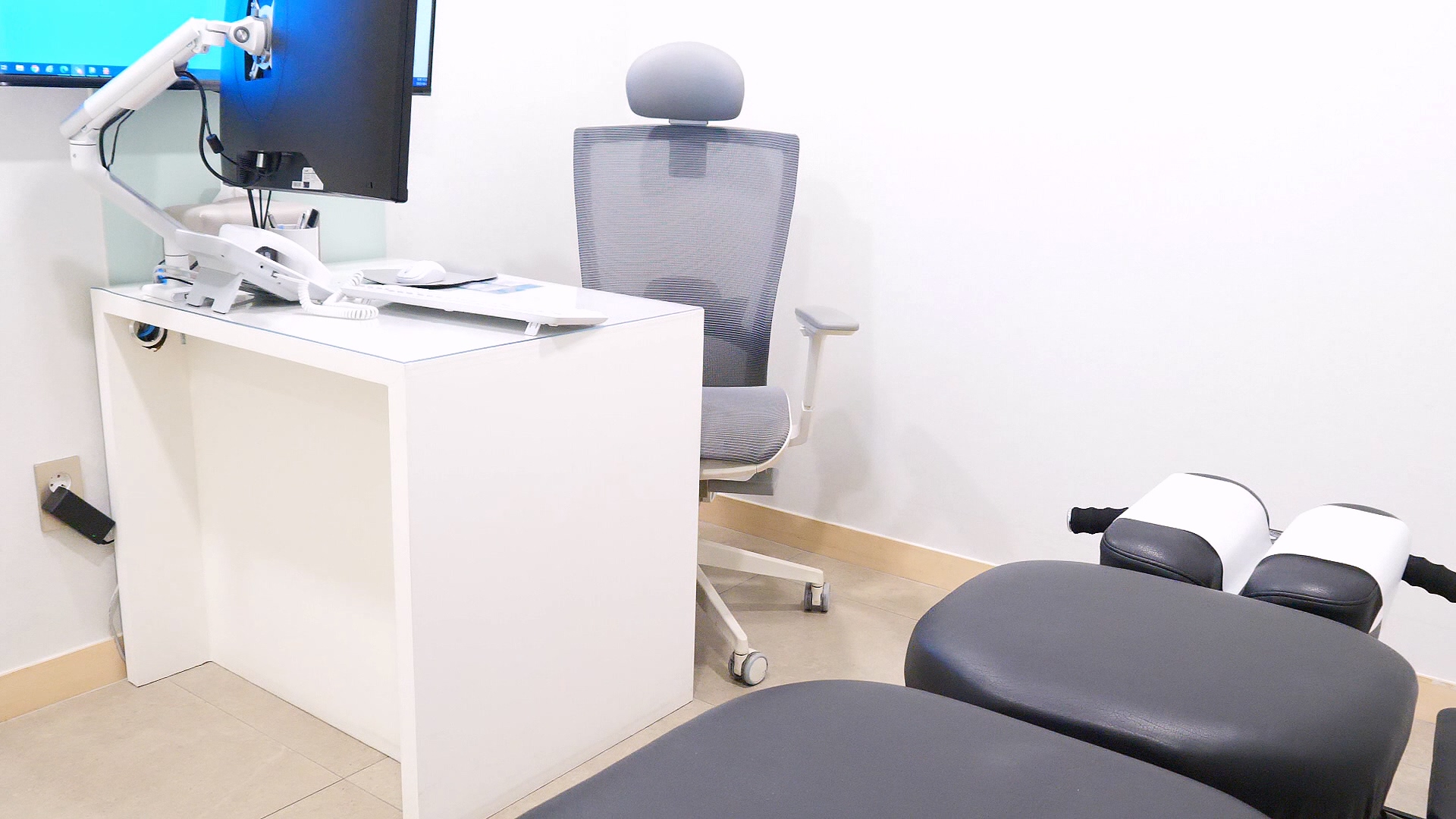
Posture correction through Chuna manual therapy is a clinical approach designed to realign the skeletal structure and restore functional balance using specialized manual techniques. In this guide, I will share insights from my clinical experience regarding how correcting the spine can influence overall health.
Understanding Chuna Manual Therapy for Posture Correction
Chuna manual therapy is a specialized traditional Korean manipulative treatment where a doctor uses their hands, limbs, or auxiliary equipment to apply therapeutic force to the patient's musculoskeletal structure. By targeting specific joints, muscles, and ligaments, this method aims to correct structural misalignments and restore the body's natural range of motion and functional capacity through precise mobilization.
What is Chuna Manual Therapy in Traditional Korean Medicine?
Chuna manual therapy represents a cornerstone of traditional Korean medicine, characterized by the skilled use of a practitioner’s hands to apply therapeutic force to the musculoskeletal system. This specialized technique involves precisely calculated pushing and pulling actions intended to correct structural misalignments and enhance the body's natural range of motion. Unlike simple massage, this clinical approach focuses on the mobilization of joints and the release of deep myofascial adhesions that often restrict movement. By targeting these specific points of tension, the therapy facilitates the restoration of optimal skeletal posture. At Bonecure, we emphasize the importance of this technique in addressing the root causes of physical discomfort rather than merely suppressing superficial symptoms. The goal is to harmonize the relationship between bones, muscles, and ligaments, aiming to support fluid movement and reduce physical discomfort. Please note that individual results may vary depending on the severity of the condition. Through consistent application, patients often observe a significant improvement in their overall functional capacity and physical stability throughout their daily lives.
How Structural Misalignment Impacts Your Nervous System
The relationship between the spinal structure and the nervous system is profound, as the spine serves as the primary protective conduit for the central nervous system. When structural misalignments occur, they can create abnormal pressure on nerve roots, leading to a cascade of symptoms that extend far beyond localized back pain. For instance, chronic cervical misalignment can impede proper nerve flow, contributing to symptoms like dizziness, headaches, or even autonomic nervous system dysfunction. In my clinical observations, patients with severe spinal deviations often report issues such as digestive problems or anxiety, which are linked to the compression of the vagus nerve and other critical neural pathways. By correcting these structural deviations through specialized manual techniques, we aim to decompress the nervous system and restore efficient communication between the brain and the body. Objective metrics, such as the Beck Anxiety Inventory, or the Tinnitus Handicap Inventory in specific cases related to hearing symptoms, often show improvements as the spinal pressure is relieved and neural homeostasis is regained.
The Bonecure Approach: Structural Balance and Functional Recovery
At Bonecure, our philosophy is rooted in the belief that when your bones are in their proper alignment, your entire quality of life improves significantly. We utilize a comprehensive diagnostic framework that begins with a detailed Whole Spine X-ray analysis to objectively measure structural deviations, such as pelvic asymmetry or a significant loss of natural cervical curvature. Our treatment protocols are not standardized but are tailored to the unique physiological needs of each individual, combining manual realignment with advanced soft tissue release. We focus on the concept of 'Bone Smiles,' which signifies the restoration of natural, healthy movement and the elimination of structural stress. By integrating clinical data with manual expertise, we aim to provide a pathway toward sustainable recovery and long-term health. Our approach ensures that every session contributes to a more stable and balanced physical foundation. This personalized care model allows us to track progress through objective scales, ensuring that the recovery process is both visible and felt by the patient during their health journey.
Core Benefits of Chuna for Chronic Pain and Structural Issues
Chronic pain management through Chuna therapy involves the active manipulation of the spine and peripheral joints to alleviate mechanical stress and inflammation. This process facilitates the realignment of the vertebrae, which reduces the load on the intervertebral discs and surrounding soft tissues, thereby providing a structured environment for the body to heal itself naturally over time.
Acupuncture for Back Pain vs. Chuna Manual Therapy
While acupuncture is highly effective for managing pain and reducing inflammation by stimulating specific points on the body, Chuna manual therapy offers a complementary structural approach that addresses the mechanical causes of discomfort. Acupuncture primarily focuses on regulating energy flow and alleviating soft tissue tension, whereas Chuna involves the physical manipulation of the skeletal system to correct misalignments. In my practice at Bonecure, I often combine these two modalities to achieve synergistic results. For example, a patient suffering from chronic lower back pain may receive acupuncture to relax the paraspinal muscles, followed by Chuna mobilization to restore proper joint space. This dual approach ensures that both the neurological and mechanical aspects of the pain are addressed simultaneously. Clinical data suggests that patients receiving combined therapy often report a faster reduction in Visual Analog Scale (VAS) pain scores compared to those receiving single-modality treatments. By addressing the structural foundation alongside symptom management, we provide a more comprehensive solution for chronic musculoskeletal issues.
Restoring Curvature: From Turtle Neck to Pelvic Tilt
Restoring the natural curvature of the spine, such as the cervical lordosis and lumbar curve, is essential for maintaining a healthy posture and preventing degenerative changes. Modern lifestyle habits often lead to conditions like 'turtle neck' (forward head posture) or an excessive anterior pelvic tilt, both of which place immense strain on the spinal ligaments. Through targeted Chuna techniques, we can gradually guide the vertebrae back toward their optimal positions, which helps to redistribute weight-bearing forces more evenly across the spine. For instance, correcting a forward head posture can effectively reduce the mechanical load and strain exerted on the neck and upper back. At Bonecure, we monitor these changes using Whole Spine X-ray imaging, tracking improvements in the cervical angle over multiple sessions. This restoration process is vital for preventing long-term complications such as disc herniation or spinal stenosis. By realigning the pelvis and spine, we help patients regain a balanced silhouette and improve their overall mechanical efficiency during physical activities.
Clinical Notes: Improving Mobility through Joint Mobilization
Joint mobilization is a critical component of Chuna therapy that focuses on restoring the passive range of motion within a joint capsule. When joints become restricted due to injury or chronic poor posture, they can develop adhesions that limit movement and cause pain during activity. Through precise manual thrusts and mobilization techniques, we can break down these adhesions and restore the lubricating flow of synovial fluid within the joint space. In clinical cases involving frozen shoulder or chronic hip stiffness, I have observed that systematic mobilization can lead to meaningful improvements in the range of motion within a few weeks of consistent treatment. This improvement in mobility is not just about flexibility; it is about restoring the functional integrity of the joint to prevent compensatory injuries in other parts of the body. At Bonecure, we prioritize these mobilization techniques to ensure that our patients can return to their daily routines with greater ease and less reliance on pain-regulating medications, fostering a more active and healthy lifestyle.
Comparison of Posture Correction Techniques in Korean Medicine
The comparison of posture correction techniques involves evaluating various modalities based on their mechanism of action, clinical indications, and expected outcomes. Understanding the differences between manual manipulation and passive physiotherapy is crucial for patients to choose the most appropriate treatment plan for their specific structural issues and functional goals.
| Feature | Chuna Manual Therapy | General Physiotherapy | Acupotomy (Acupuncture-Knife) |
|---|---|---|---|
| Primary Mechanism | Manual skeletal realignment | Modalities (Heat, TENS, Ultrasound) | Micro-dissection of adhesions |
| Target Tissue | Bones, joints, and ligaments | Superficial muscles and nerves | Deep chronic scar tissue |
| Goal | Structural & functional balance | Symptom relief & muscle recovery | Decompression & tissue recovery |
| Practitioner | Korean Medicine Doctor | Physical Therapist | Specialized KMD |
| Duration | 15–30 minutes per session | 40–60 minutes per session | 10–20 minutes per session |
Chuna vs. General Physiotherapy: A Structural Comparison
Chuna manual therapy and general physiotherapy both aim to improve musculoskeletal health, but they differ significantly in their clinical application and focus. Physiotherapy often utilizes passive modalities such as electrical stimulation or heat therapy to manage symptoms and strengthen muscles, whereas Chuna is a hands-on intervention performed by a Korean medicine doctor to correct skeletal structures. At Bonecure, we view Chuna as a specialized method that focuses on structural mobilization to address the mechanical aspects of musculoskeletal dysfunction. While physiotherapy is excellent for post-surgical rehabilitation and muscle conditioning, Chuna is specifically designed to manipulate the bony segments of the spine to restore proper alignment. For a patient with a spinal curvature deviation, manual manipulation can provide the mechanical force necessary to influence the skeletal position in a way that exercise alone might not achieve. By combining the structural focus of Chuna with the functional exercises of physiotherapy, patients can achieve a more robust and lasting recovery, ensuring that the corrected posture is supported by strong, balanced musculature.
Synergistic Effects of Cupping and Acupuncture
Incorporating cupping and acupuncture alongside Chuna therapy creates a synergistic effect that enhances the overall healing process by improving local blood circulation and releasing myofascial tension. Cupping therapy utilizes negative pressure to draw toxins to the surface and stimulate the lymphatic system, which helps to reduce inflammation in tissues that have been chronically stressed by poor posture. When these tissues are relaxed, the structural adjustments performed during Chuna are often more effective and longer-lasting. In my clinical practice, I have seen that patients who receive this combination report a significant reduction in post-treatment soreness and a faster recovery of range of motion. For instance, in some clinical observations of patients with chronic neck tension, the integration of cupping has been shown to help alleviate muscle stiffness before the manual adjustment is performed. These observations are based on specific individual cases and do not guarantee the same outcome for all patients. This multi-modal approach at Bonecure ensures that we are not just moving bones, but also optimizing the soft tissue environment to support a healthy, aligned structure, leading to more sustainable clinical outcomes for our patients.
Choosing the Right Treatment for Chronic Spinal Misalignment
Selecting the appropriate treatment for chronic spinal misalignment requires a thorough diagnostic evaluation that considers the duration of the condition, the severity of the structural deviation, and the patient’s overall health goals. For individuals with long-standing adhesions and significant pain, a combination of Chuna and Acupotomy may be necessary to achieve the desired structural changes. Acupotomy is particularly useful for breaking down calcified ligaments that prevent the spine from returning to its natural position. At Bonecure, we use objective diagnostic tools to guide this decision-making process, ensuring that each patient receives a treatment plan that is both safe and effective. It is important to note that while some patients may feel immediate relief, chronic cases often require a structured plan spanning 10 to 20 sessions to ensure the stabilization of the corrected posture. By providing clear clinical pathways and measurable progress reports, we help our patients make informed decisions about their care, ensuring they understand the benefits and limitations of each modality in the context of their specific spinal health needs.
The Science of Healing at a Modern Korean Medicine Clinic
The science of healing in a contemporary clinical setting involves the integration of traditional wisdom with modern diagnostic technology to provide evidence-based care. By utilizing objective data and specialized treatment modalities, we can ensure that every intervention is tailored to the physiological realities of the patient's condition, fostering a more predictable and efficient recovery process.
Integrating Acumoxibustion for Enhanced Tissue Recovery
Acumoxibustion, the combination of acupuncture and moxibustion, plays a vital role in enhancing tissue recovery by providing thermal stimulation and regulating the body's physiological responses. The heat from moxibustion penetrates deep into the tissues, promoting vasodilation and increasing the delivery of oxygen and nutrients to damaged areas. This process is particularly beneficial for patients with chronic degenerative conditions where blood flow is compromised. At Bonecure, we integrate this technique to prepare the body for structural adjustments, as warm and flexible tissues are more receptive to manual manipulation. Clinical observations indicate that the use of thermal therapy can reduce the resistance of rigid ligaments, making Chuna sessions more comfortable and effective. For example, in cases of chronic lumbar strain, the application of moxibustion has been shown to improve muscle elasticity and flexibility in a clinical setting. By combining these time-honored techniques with our modern structural approach, we create an optimal environment for the body to repair itself and maintain the gains achieved through spinal realignment.
Whole Spine X-ray Analysis for Objective Progress Tracking
Objective tracking is essential for validating the effectiveness of any clinical intervention, and at Bonecure, we rely on Whole Spine X-ray analysis as our primary diagnostic tool. This imaging technology allows us to visualize the entire spinal column in a single view, providing precise measurements of vertebral rotation, disc space, and overall curvature. By comparing X-rays taken before and after a series of treatments, we can objectively demonstrate structural changes, such as the correction of a scoliotic curve or the restoration of cervical lordosis. For instance, through a structured plan of regular sessions, we aim to document structural improvements in spinal alignment. As these results are based on specific clinical cases, individual progress may differ and chronic conditions often require consistent, long-term care. This level of transparency not only builds trust with our patients but also allows us to refine our treatment protocols based on real-world data. By moving beyond subjective reports of pain and focusing on measurable structural improvements, we ensure that our patients receive the most accurate and effective care possible for their long-term health and wellness.
Safety and Precautions: What to Expect During Acupotomy and Chuna
Patient safety is our highest priority at Bonecure, and we take extensive precautions to ensure that every treatment is conducted with the utmost care. During a Chuna session, patients may experience a variety of sensations, including pressure, mild discomfort, or a 'popping' sound as joints are realigned; however, these are generally followed by an immediate sense of relief. For advanced procedures like Acupotomy, we strictly adhere to sterilization protocols to prevent infection and use ultrasound guidance where necessary to ensure precision. It is important for patients to be aware that minor side effects, such as temporary bleeding, bruising, localized soreness, or mild fatigue, can occur as the body adapts to its new alignment. In rare instances, patients may experience a temporary flare-up of symptoms, which is often a sign of the body's inflammatory response to the structural changes. We recommend that patients remain well-hydrated and follow post-treatment instructions to minimize these risks. Our clinical team is always available to discuss any concerns and adjust the treatment plan to ensure a safe and comfortable path to recovery for every individual.
The Clinical Philosophy of Dr. Song Jeong-hyun at Bonecure Clinic
Acupotomy: A 2026 Guide to Specialized Acupuncture-Knife Therapy for Chronic Pain
The 'Bone Smiles' Philosophy: How Physical Alignment Aims to Enhance Life Satisfaction in 2026
Frequently Asked Questions
Q. What exactly is Chuna manual therapy for posture correction?
Chuna is a traditional Korean manual therapy where a Korean medicine doctor uses their hands or specialized equipment to push and pull the musculoskeletal structure. It aims to restore proper alignment and improve functional movement by addressing joint and muscle adhesion. In my practice, I focus on identifying the specific vertebral segments that are restricted to provide a precise adjustment.
Q. Is Chuna therapy painful for patients with severe back pain?
While you may feel some pressure during the realignment process, most patients experience an immediate sense of relief as tension is released. The intensity is adjusted based on each individual's condition, though some temporary soreness may occur as the body adapts to the new structural position. We always prioritize patient comfort and safety during every session.
Q. How many sessions are typically required to see visible posture changes?
Results vary depending on the severity and duration of the structural misalignment. While some feel immediate ease in movement, chronic issues generally require multiple sessions—often 10 to 20—for long-term stabilization and objective changes on X-rays. We track these changes carefully to ensure the treatment plan is effective for your specific case.
Q. Can Chuna help with internal issues like autonomic nervous system dysfunction?
Yes, structural imbalances in the spine can often compress nerves, affecting the autonomic nervous system. By correcting the spinal alignment, Chuna helps restore proper nerve communication, which can alleviate symptoms like dizziness, digestive issues, or anxiety in certain patients. We have documented cases where patients saw a reduction in autonomic symptoms following structural correction.
Q. Are there any side effects to be aware of during Chuna or Acupotomy?
As with any clinical procedure, minor side effects such as temporary bleeding, bruising, mild pain at the site, or fatigue may occur. At Bonecure, we prioritize safety by conducting thorough physical examinations before treatment to minimize risks like infection or inflammation. These effects are usually transient and resolve within a few days as the body heals.
Q. Is Chuna therapy covered by insurance at a Korean traditional medicine clinic?
In South Korea, Chuna is a benefit item covered by National Health Insurance for specific musculoskeletal conditions and is applied according to relevant regulatory standards. For international patients or those with private insurance, the coverage varies depending on the specific policy. We recommend consulting with our clinic for a detailed explanation regarding costs and the necessary documentation for your provider.
Q. How does Bonecure verify the effectiveness of posture correction?
We utilize objective diagnostic tools such as Whole Spine X-ray analysis to track structural changes before and after the treatment series. Rather than relying solely on subjective feelings, we focus on measurable improvements in spinal angles and patient-reported outcome scales. This evidence-based approach ensures that the treatment is delivering the intended results for your skeletal health.
Key Takeaways
- Structural Focus: Chuna therapy addresses the mechanical root causes of pain by realigning the spine and joints.
- Nerve Health: Proper spinal alignment is critical for decompressing nerves and supporting the autonomic nervous system.
- Objective Evidence: Bonecure uses Whole Spine X-ray analysis to track measurable progress in spinal curvature and pelvic tilt.
- Synergistic Care: Combining Chuna with acupuncture and Acupotomy provides a more comprehensive approach to chronic adhesions and pain.
- Personalized Safety: Treatments are tailored to individual needs, with a strong emphasis on safety and minimizing potential side effects such as temporary bleeding or bruising.
If you are struggling with chronic pain or visible posture issues, I invite you to visit us for a detailed structural consultation.
Bonecure / Dr. Song Jeong-hyun
FAQ
- What exactly is Chuna manual therapy for posture correction?
- Chuna is a traditional Korean manual therapy where a Korean medicine doctor uses their hands or specialized equipment to push and pull the musculoskeletal structure. It aims to restore proper alignment and improve functional movement by addressing joint and muscle adhesion. In my practice, I focus on identifying the specific vertebral segments that are restricted to provide a precise adjustment.
- Is Chuna therapy painful for patients with severe back pain?
- While you may feel some pressure during the realignment process, most patients experience an immediate sense of relief as tension is released. The intensity is adjusted based on each individual's condition, though some temporary soreness may occur as the body adapts to the new structural position. We always prioritize patient comfort and safety during every session.
- How many sessions are typically required to see visible posture changes?
- Results vary depending on the severity and duration of the structural misalignment. While some feel immediate ease in movement, chronic issues generally require multiple sessions—often 10 to 20—for long-term stabilization and objective changes on X-rays. We track these changes carefully to ensure the treatment plan is effective for your specific case.
- Can Chuna help with internal issues like autonomic nervous system dysfunction?
- Yes, structural imbalances in the spine can often compress nerves, affecting the autonomic nervous system. By correcting the spinal alignment, Chuna helps restore proper nerve communication, which can alleviate symptoms like dizziness, digestive issues, or anxiety in certain patients. We have documented cases where patients saw a significant reduction in autonomic symptoms following structural correction.
- Are there any side effects to be aware of during Chuna or Acupotomy?
- As with any clinical procedure, minor side effects such as temporary bruising, mild pain at the site, or fatigue may occur. At Bonecure, we prioritize safety by conducting thorough physical examinations before treatment to minimize risks like infection or inflammation. These effects are usually transient and resolve within a few days as the body heals.
- Is Chuna therapy covered by insurance at a Korean traditional medicine clinic?
- In South Korea, Chuna is often covered by National Health Insurance for specific musculoskeletal conditions, which helps manage the cost of care. For international patients or those with private insurance, the coverage varies depending on the specific policy. We recommend consulting with our clinic for a detailed explanation regarding costs and the necessary documentation for your provider.
- How does Bonecure verify the effectiveness of posture correction?
- We utilize objective diagnostic tools such as Whole Spine X-ray analysis to track structural changes before and after the treatment series. Rather than relying solely on subjective feelings, we focus on measurable improvements in spinal angles and patient-reported outcome scales. This evidence-based approach ensures that the treatment is delivering the intended results for your skeletal health.