
Post
Restoring Life's Balance: Enhancing Vitality Through Structural Alignment and Acupotomy
Hello. I am Song Jeong-hyeon, a Korean medicine doctor who has long specialized in acupotomy and structural restoration. At Bonecure, we believe that true recovery begins when the physical framework of the body is perfectly balanced.
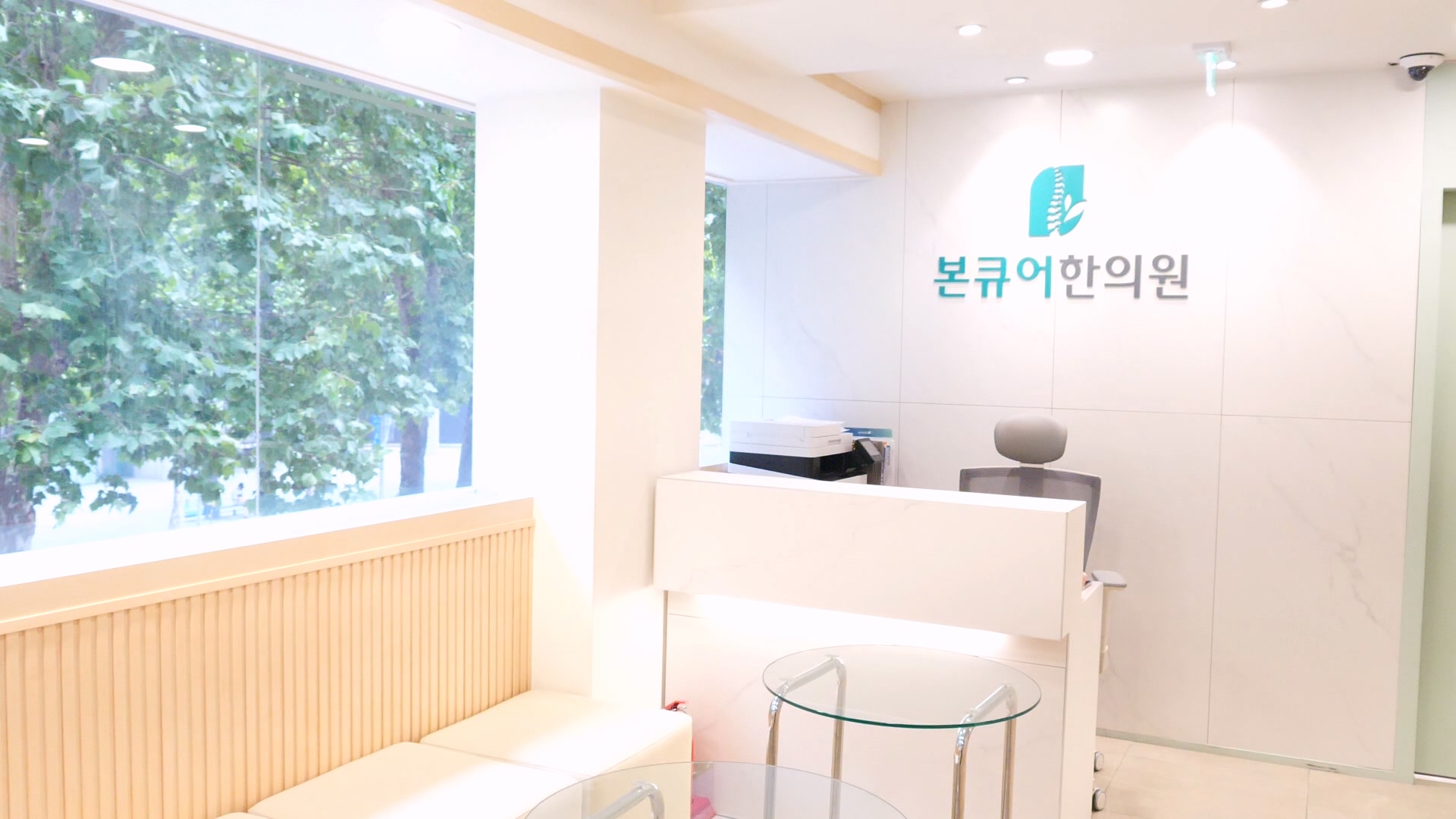
This guide explores how structural alignment serves as the foundation for recovery from chronic pain and functional restoration.
Defining Structural Alignment and Root Cause Treatment
Holistic recovery refers to a comprehensive physiological restoration process that addresses the skeletal framework, soft tissues, and the nervous system simultaneously. It moves beyond simple rest by actively correcting the underlying biomechanical imbalances that cause fatigue and persistent pain.
The Role of Structural Alignment in Daily Vitality
Structural alignment is critical because it determines the efficiency of kinetic energy transfer throughout the body. When the skeletal system is misaligned, muscles must overcompensate to maintain balance, leading to premature fatigue and a higher risk of strain. Clinical observations suggest that many individuals experience recurring back pain due to these subtle structural deviations. By ensuring the spine and pelvis are correctly positioned, a patient can optimize their physical capacity and improve their mechanical advantage during daily activities. Even a minor deviation, which we often identify through whole-spine X-ray analysis, can significantly alter weight distribution and joint stress. Proper alignment allows the central nervous system to communicate more effectively with peripheral muscles, enhancing coordination and vitality. This structural integrity is not just about preventing injury; it is about unlocking the body's full physiological potential for a healthier life.
Introduction to Bonecure's Integrative Recovery Framework
At Bonecure, we have developed a specialized framework that integrates traditional Korean medicine with modern structural science to address root causes. Our approach begins with a rigorous diagnostic phase, utilizing detailed clinical assessments to map each patient's specific structural vulnerabilities. We focus on the concept that "when your bones smile, life smiles," which translates to the idea that a well-aligned frame leads to superior daily health. Our framework incorporates advanced Chuna manual therapy to realign the vertebrae and joints, alongside acupotomy to resolve deep-seated muscular adhesions. We also emphasize systemic vitality through personalized herbal medicine and pharmacopuncture. This multi-layered strategy ensures that recovery is not just a temporary pause in pain but a transformative process that strengthens the foundation. By treating the body as an interconnected system, we facilitate more robust recovery outcomes.
Moving Beyond Symptom Relief to Functional Restoration
Traditional medicine often focuses on immediate symptom relief, such as reducing pain or swelling. At Bonecure, we focus on structural alignment to complement these methods by addressing the body's physical framework. Functional restoration aims to return the body to its optimal anatomical state to support stability. This involves Understanding the Differences Between Structural Realignment and Symptom-Based Management to ensure patients are addressing the underlying balance alongside pain management. For instance, chronic discomfort is frequently a result of structural misalignment rather than a simple muscle issue. By correcting the alignment, we allow the body to function at its natural capacity without constant tension. While traditional sports medicine may focus on long-term management, our goal is to provide impactful treatments that lead to perceptible changes, helping patients feel the difference in their movement and comfort quickly.
Advanced Acupotomy for Chronic Pain and Intractable Conditions
Advanced interventions involve the use of specialized tools like acupotomy to physically release fibrotic adhesions and scar tissue within the deep fascial layers of the spinal musculature. This procedure is designed to restore mobility in areas where traditional needles cannot reach effectively.
Targeting Adhesion with Specialized Acupotomy for Recovery
Many patients suffer from chronic stiffness caused by internal scar tissue or "adhesions" that form after repetitive stress. These adhesions bind muscle fibers together, restricting blood flow and limiting the range of motion. We utilize Acupotomy: A 2026 Guide to Specialized Acupuncture-Knife Therapy for Chronic Pain to specifically target and physically release these tight bands. This technique employs a blade-tipped needle that acts as a micro-dissection tool to break down calcified or fibrotic tissues. By releasing these deep obstructions, we help improve local circulation and allow the muscle to regain its elasticity. In our clinical experience, patients often experience an immediate change in flexibility and symptom relief after the release of spinal adhesions. This specialized intervention is a cornerstone of our ability to resolve long-standing issues that have not responded to standard rehabilitative techniques.
Releasing Nerve Entrapment through Precision Structural Realignment
Nerve entrapment is a common yet frequently misdiagnosed issue, often manifesting as localized weakness, tingling, or radiating pain. These symptoms usually occur when structural misalignments or inflamed soft tissues compress peripheral nerves. At Bonecure, we focus on precision structural realignment to decompress these neural pathways. By adjusting the vertebrae and surrounding connective tissues, we create more space for the nerves to transmit signals without interference. Restoring proper spinal curvature assists in managing these neurological symptoms. Our clinical approach aims for immediate improvement that patients can feel, as restoring the alignment directly impacts nerve function. Individual results may vary, but the goal is always to provide efficient and impactful treatment that addresses the core mechanical obstruction, allowing for improved muscle recruitment and motor control.
Clinical Observations on Systemic Vitality and Inflammation
Chronic structural imbalances often exacerbate localized inflammation by creating "friction points" in the joints and tendons. By correcting these mechanical issues, we can help the body manage its inflammatory response more efficiently. We monitor these changes through patient feedback and physical assessments, observing how structural stability correlates with reduced discomfort. Our protocols focus on facilitating the body's natural recovery processes, ensuring that metabolic waste from physical exertion is cleared effectively. This observation-led approach allows us to tailor recovery plans that match the specific needs of each patient, ensuring they remain in optimal condition while minimizing the risk of chronic re-injury. We emphasize treatments that provide clear before-and-after results, prioritizing high-impact care over long, drawn-out treatment cycles.
Integrating Korean Medicine for Autonomic and Structural Health
Integrating Traditional Korean Medicine (TKM) involves using personalized herbal medicine and pharmacopuncture to regulate the autonomic nervous system and enhance systemic blood flow. This integration ensures that the body's internal environment is optimized for tissue repair and mental focus.
Pharmacopuncture and Herbal Support for Faster Healing
Pharmacopuncture and herbal medicine are powerful tools for enhancing circulation and providing the nutrients necessary for tissue repair. For patients dealing with intractable pain or structural issues, these modalities provide systemic support that complements physical adjustments. Herbal prescriptions are tailored to the individual's constitution, helping to resolve inflammation and boost energy levels. This internal support makes the tissues more responsive to mechanical correction, facilitating a more effective healing environment. Patients often report improved sleep and reduced muscle soreness following integrated care, making it an excellent approach for maintaining vitality. By addressing both the structural and metabolic needs of the body, we provide a holistic solution that promotes long-term health and resilience.
Optimizing the Autonomic Nervous System for Recovery
The autonomic nervous system (ANS) plays a pivotal role in the body's ability to transition between high-stress states and deep recovery. Chronic pain can lead to ANS dysregulation, resulting in insomnia, fatigue, and decreased focus. At Bonecure, consistent structural adjustment and TKM interventions have been linked to the improvement of autonomic balance. By correcting cervical spine misalignments, we can reduce pressure on critical neural structures that govern the stress response. This optimization allows patients to enter a state of recovery more effectively, which is when hormonal regulation and tissue repair occur. Improved autonomic balance also enhances mental clarity and emotional resilience. Our goal is to ensure that the patient's internal regulatory systems are just as well-tuned as their external frame.
Comparing Bonecure's Structural Approach to Conventional Therapy
While conventional physical therapy is often used for strengthening, Bonecure's structural approach provides a necessary foundation by addressing underlying skeletal and fascial obstructions. Physical therapy typically focuses on exercise, but we believe skeletal alignment and deep adhesions must be addressed first to enhance the effectiveness of any rehabilitation program. Our approach uses How Chuna Therapy Facilitates Immediate and Sustainable Posture Change: A 2026 Guide to ensure the body's structure is correctly aligned. We prioritize efficient, impactful treatments that aim for immediate perceptible changes rather than generic, repetitive sessions. The following table summarizes the key focus of our structural approach.
| Feature | Bonecure Structural Approach |
|---|---|
| Primary Goal | Skeletal Alignment & Root Cause Treatment |
| Mechanism | Acupotomy & Chuna Manual Therapy |
| Target Tissue | Deep fascial adhesions & bone structure |
| Pain Management | Root-cause structural decompression |
| Treatment Style | Immediate, impactful, and perceptible change |
Specialized Care Protocols at Bonecure Clinic in Samseong-ro
Care protocols at Bonecure Clinic in Samseong-ro are personalized, data-driven treatment plans that combine clinical diagnostics with specialized manual and meridian therapies. These protocols are designed to maintain the structural health of patients dealing with both acute and chronic conditions.
Data-Driven Assessment for Maintenance and Prevention
Consistency and precision are key to long-term health, which is why we maintain detailed clinical assessments to track progress. Every session at Bonecure includes an assessment of structural symmetry, range of motion, and tissue quality. This data-driven approach allows us to detect subtle changes in the body before they manifest as severe injuries. For instance, identifying a gradual decrease in joint rotation allows us to intervene early with targeted structural adjustments. We treat every patient as a unique case with specific biomechanical requirements. This level of personalized attention is what defines our clinical excellence. By focusing on the structural foundation, we help patients stay in a state of peak health, minimizing the downtime associated with unexpected pain or chronic flares.
Focused Fascial Release for Enhanced Mobility
Fascial release is a critical component of our protocol to improve mobility and circulation. We integrate manual techniques with acupotomy to enhance fascial elasticity. Unlike superficial massage, our approach focuses on the decompression and release of deep tissue layers, which is more effective for resolving complex adhesions. This enhanced flexibility directly translates to better physical performance and comfort in daily life, as it allows for a more fluid range of motion. It also reduces the stress on joints, making movement feel lighter. Regular structural maintenance is essential for patients who require maximum agility or those who spend long hours in static postures. Our goal is to restore the body's natural ease of movement through targeted, professional intervention.
Safety Guidelines and Patient Considerations
While the treatments provided at Bonecure are safe and designed for immediate impact, it is important for patients to follow specific safety guidelines. Procedures like acupotomy may result in temporary soreness or minor bruising at the site of treatment. These reactions are typically short-lived and are a natural part of the body's response to structural change. It is important to note that while we aim for immediate perceptible improvement, individual results may vary based on the patient's specific health profile. We conduct a thorough initial consultation to minimize risks and ensure that the treatment plan matches the patient's schedule. By following these professional safety protocols, we ensure that our treatments support the patient's health goals efficiently. We prioritize high-impact, necessary treatments over excessive multi-session packages.
Frequently Asked Questions
Q. What is the primary benefit of structural alignment at Bonecure?
Structural alignment focuses on identifying the root causes of pain by correcting skeletal imbalances. By ensuring the spine and joints are properly aligned, we can reduce inefficient muscle compensation and joint stress. This foundational balance is essential for immediate symptom relief and long-term functional health.
Q. How does acupotomy differ from general acupuncture?
We utilize specialized acupotomy, which features a blade-tipped needle, to physically release deep-seated adhesions and fibrotic scar tissue. This technique specifically targets chronic stiffness and structural obstructions that standard needles cannot reach, aiming for an immediate and perceptible change in mobility.
Q. Does Bonecure focus on long-term treatment packages?
No. We prioritize efficient and impactful treatments. Our philosophy is to provide perceptible changes quickly so that patients can feel the improvement after treatment. We focus on providing only the necessary care to resolve structural issues effectively without requiring excessive, repetitive sessions.
Q. Are there any side effects to the treatments provided?
While generally safe, some patients may experience temporary soreness or mild bruising at the site of acupotomy. These effects are typically short-lived and part of the tissue remodeling process. We always conduct a thorough consultation to minimize any risks based on your individual health profile.
Q. Can structural alignment help with conditions like dizziness or fatigue?
Yes. Misalignment in the cervical spine can impact the autonomic nervous system and cranial blood flow. Restoring proper spinal curvature and releasing neck tension can assist in managing symptoms like dizziness and chronic fatigue by reducing pressure on critical neural pathways.
Q. What should I expect during my first visit to Bonecure?
Your visit will involve a detailed structural assessment, including physical evaluations and imaging analysis if necessary. We focus on identifying the specific cause of your discomfort and providing an immediate, impactful treatment like Chuna or acupotomy to begin the restoration of your body's balance.
Key Takeaways
- Foundational Alignment: Proper skeletal structure is the prerequisite for efficient movement and root-cause pain relief.
- Impactful Acupotomy: Specialized techniques target deep adhesions to provide immediate, perceptible improvements in mobility.
- Integrated Vitality: Personalized herbal medicine and pharmacopuncture support the body's internal environment for faster recovery.
- Efficiency First: We focus on necessary, high-impact treatments that respect the patient's time and provide clear results.
For those seeking to optimize their physical framework and resolve chronic pain through specialized structural care, we invite you to consult with our experts in Samseong-ro.
Bonecure / Song Jeong-hyeon, Korean Medicine Doctor
FAQ
- What is the primary benefit of structural alignment for high-performance athletes?
- Structural alignment at Bonecure focuses on correcting skeletal imbalances that cause inefficient energy expenditure. By ensuring the spine and joints are properly aligned, athletes can achieve maximum power output and reduce the risk of compensative injuries. This foundational balance is essential for both immediate performance and long-term joint health.
- How does acupuncture for back pain at Bonecure differ from general dry needling?
- We utilize specialized acupotomy, which features a blade-tipped needle, to physically release deep-seated adhesions and fibrotic scar tissue in the soft tissue. This technique specifically targets chronic stiffness that standard needles may not fully address, though individual results may vary depending on the severity of the condition. It is a more structural approach to acupuncture than traditional meridian-based methods.
- Is moxibustion therapy suitable for recovering after a marathon or heavy training?
- Yes, moxibustion therapy helps stimulate deep tissue warmth and significantly improves local blood circulation. This is highly effective for expelling metabolic waste from muscles and soothing the nervous system after extreme physical exertion. It provides a systemic recovery effect that complements local muscle treatments.
- Are there any side effects to the treatments provided at Bonecure?
- While generally safe, some patients may experience temporary soreness, mild bruising, or minor bleeding at the site of acupotomy or cupping. These effects are typically short-lived and part of the tissue remodeling process, but we always conduct a thorough consultation to minimize any risks based on your individual health profile. We prioritize athlete safety above all else.
- How many sessions are typically required to see a noticeable improvement in performance?
- Recovery timelines depend entirely on the chronicity of the injury and the athlete's training load. While some athletes report immediate relief in mobility and power after just one session, chronic structural issues often require a series of treatments to ensure long-term stability. A typical plan might involve 5 to 10 sessions for noticeable functional regeneration.
- Can structural alignment help with non-musculoskeletal issues like dizziness or fatigue?
- Yes, misalignment in the cervical spine can impact the autonomic nervous system and cranial blood flow. Our clinical case reports have shown that restoring proper spinal curvature and releasing neck tension can assist in managing symptoms like dizziness and chronic fatigue in specific patient cases. This highlights the systemic importance of a well-aligned spine.
- Does Bonecure provide treatment notes for professional sports organizations?
- We maintain detailed clinical notes and diagnostic data, including X-ray analysis, to help professional athletes track their structural progress. This documentation is crucial for coordinating with wider coaching and medical teams and for documenting the athlete’s health status for their organization. We ensure that our records are professional, accurate, and ready for collaborative use.