
Post
Facial Palsy Management in Korean Medicine: A 2026 Guide to Structural Recovery at Bonecure
Hello. I am Dr. Song Jung-hyun, a Korean medicine doctor specializing in Chimsudo for structural restoration and neuromuscular recovery. Facial palsy is a condition that impacts not only physical function but also emotional well-being. Understanding the structural environment surrounding the facial nerve is essential for supporting the body's natural healing process.
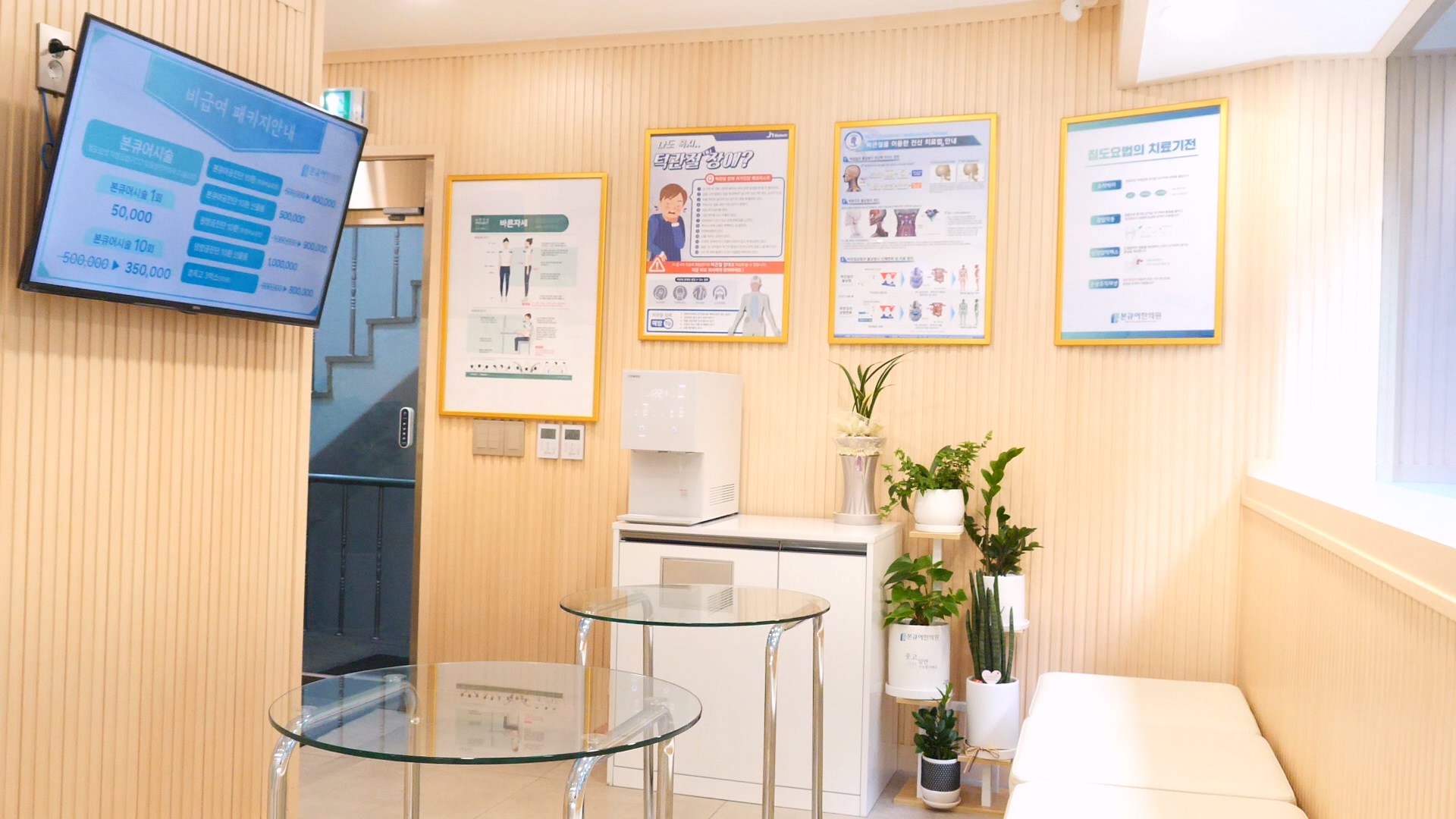
Understanding Facial Palsy and the Approach of Korean Traditional Medicine
Facial palsy, often identified as Bell’s palsy in its idiopathic form, is characterized by the sudden onset of weakness or paralysis in the muscles of the face due to dysfunction of the seventh cranial nerve. This condition can lead to difficulties in closing the eyes, smiling, or speaking, and is frequently associated with inflammation or compression of the nerve as it exits the skull.
The Core Philosophy of Bonecure: Structural Restoration for Nerve Health
At Bonecure, our approach to managing facial palsy centers on the belief that nerve health is closely linked to structural alignment. When the facial nerve is compromised, it is often influenced by a larger structural imbalance involving the cervical spine and the surrounding soft tissues. My philosophy focuses on restoring the natural spaces through which nerves travel by releasing micro-adhesions and realigning the skull and neck. By addressing these structural impediments, we aim to create an optimal environment for the nerve to regain its function.
This integrated perspective looks beyond the superficial symptoms to address the underlying tension that may hinder healing. While individual results vary and depend on the initial severity of damage, prioritizing structural restoration provides a foundation for improvement. This method requires a deep understanding of neuroanatomy to ensure that adjustments support the revitalization of the facial nerve safely. It is important to note that chronic or severe conditions may require multiple sessions, and a complete cure is not guaranteed.
Why Early Intervention Matters in Facial Nerve Care
Starting treatment during the golden time, typically within the first 72 hours of symptom onset, is a critical factor in achieving a favorable outcome. Early intervention that combines conventional anti-inflammatory care with Korean medicine techniques can help manage the inflammatory response and support the environment for functional improvement. The sub-acute phase is also a vital window where the body is responsive to structural adjustments.
By integrating specialized acupuncture and herbal medicine, we help maintain tissue suppleness. Even for those past the initial acute stage, a structured program at Bonecure can offer support in managing symmetry and functional control. Individual results may vary significantly based on the degree of nerve injury and the patient's constitution.
A 2026 Clinical Guide to Chuna Manual Therapy in Seoul: Science of Structural Recovery
Advanced Acupuncture and Chimsudo Therapy for Nerve Decompression
Chimsudo therapy, also known as acupuncture knife therapy, utilizes a specialized tool to physically release deep-seated adhesions in the fascia. Unlike standard acupuncture, this technique is designed to address the mechanical barriers that may prevent proper blood flow and nerve signaling in complex cases.
Decompressing the Neural Pathway: The Power of Chimsudo
Bonecure utilizes Chimsudo to target areas where the seventh cranial nerve is vulnerable to compression. When inflammation causes the surrounding tissues to become fibrotic, the nerve can become physically restricted. The acupuncture knife allows for a precise release of these adhesions, creating the space needed for neural communication.
While the procedure may cause a brief, sharp sensation, the resulting decompression often leads to a reduction in localized tension. As with any medical procedure, possible side effects include minor bruising, temporary swelling, or localized soreness, which typically resolve within a few days. This advanced technique requires high clinical expertise to ensure the safety of the delicate facial structures.
The Science of Adhesion Release: Supporting Microcirculation
The science behind adhesion release at Bonecure focuses on improving the microcirculation around the nerve environment. When tissues are chronically constricted, the lack of oxygen and nutrients can stall the body's ability to repair nerve tissues. By using Chimsudo to release tight bands of connective tissue, we help open pathways for blood flow to reach the site of concern.
In my practice, I have observed that improving the structural environment often coincides with improved facial tone. We monitor these changes closely to assess how the body is responding. Ensuring the nerve is free from mechanical stress is an important factor in managing secondary complications. However, results are not typical for every patient, and outcomes depend on individual physiological responses.
A Comparative Look: Conventional vs. Integrated Korean Medicine
Integrating different therapeutic modalities allows for a multifaceted approach, combining the rapid anti-inflammatory effects of conventional medicine with the structural and systemic support of Korean medicine.
| Category | Conventional Care (Steroids) | Bonecure Integrated Program |
|---|---|---|
| Primary Focus | Reducing Acute Inflammation | Structural Restoration & Adhesion Release |
| Core Modality | Oral Corticosteroids | Chimsudo & Chuna Therapy |
| Nerve Target | Systemic Suppression | Localized Decompression |
| Secondary Care | Antivirals (if applicable) | Herbal Medicine & Moxibustion |
| Symmetry Goal | Functional Restoration | Long-Term Structural Alignment |
| Side Effects | Weight gain, mood changes | Minor bruising, temporary soreness |
Synergy Effects of Moxibustion Therapy for Facial Warmth
Moxibustion therapy at Bonecure involves the application of therapeutic heat to specific points to improve the internal environment. For facial palsy, warmth helps to soften rigid muscles and supports circulation to the affected area. This traditional practice works in harmony with structural adjustments by ensuring that tissues remain receptive to treatment. While generally soothing, it must be carefully administered by a professional to avoid skin irritation. By fostering a revitalized internal state, we support the body's natural recovery mechanisms.
Addressing Secondary Sequelae and Synkinesis through Realignment
Synkinesis, involving involuntary muscle movements, is a challenging secondary sequela. At Bonecure, we address this by looking at the facial and cervical structure as a whole. Often, the unaffected side becomes overactive, creating a pull that distorts symmetry. By utilizing Chuna manual therapy and targeted acupuncture, we work to balance tension across the face and neck. Realigning the cervical spine is particularly important for providing a stable framework for recovery. We educate patients on controlled movements to minimize unwanted involuntary contractions during the long-term management phase.
A 2026 Clinical Perspective on Structural Restoration with Dr. Song Jung-hyun
Clinical Insights: Supporting Long-Term Facial Symmetry
Holistic rehabilitation involves treating the patient as a whole, ensuring that structural, internal, and systemic factors are addressed for lasting balance.
Cervical Spine Alignment and the Neural Environment
In my clinical research involving conditions like spinal curvature and autonomic dysfunction, I have documented how the alignment of the cervical spine influences the environment of the cranial nerves. A deviation in the upper vertebrae can create tension that reaches the base of the skull. While my documented case reports primarily focus on conditions like tinnitus, sudden hearing loss, and autonomic disorders, the same principles of structural stability apply to the environment of the facial nerve. By ensuring a stable spinal foundation, we help reduce the physical stress on neural pathways, which is essential for achieving lasting symmetry.
The Role of Herbal Medicine in Systemic Support
Herbal medicine at Bonecure serves as internal support, providing nutrients to help maintain the nerve environment. While physical therapies address structural barriers, customized herbal formulas work to reduce edema and modulate the immune response. I prescribe specific herbs known for their neuroprotective properties, tailored to each patient's unique constitution. It is important to understand that herbal treatment is a gradual process supporting long-term resilience. Chronic conditions may require ongoing care, and results can differ between patients.
Key Takeaways
- Structural Focus: Realigning the cervical spine and skull helps create a stable environment for the facial nerve.
- Adhesion Release: Chimsudo targets the mechanical causes of nerve compression through precise decompression.
- Golden Time: Starting integrated care early is a significant factor in managing functional recovery.
- Systemic Care: Herbal medicine and moxibustion provide the internal warmth and nourishment needed for long-term health.
- Professional Guidance: While minor side effects like bruising may occur, expert care ensures a safe rehabilitation process.
A 2026 Clinical Guide to Korean Traditional Medicine Treatment and Structural Recovery at Bonecure
Frequently Asked Questions
Q. What is the primary goal of facial palsy treatment at Bonecure?
The primary goal is to support the nerve environment by releasing physical adhesions using Chimsudo and restoring structural balance to the cervical spine. We aim to reduce mechanical stress on the nerve to facilitate natural recovery. Individual results depend on the initial nerve damage and overall health.
Q. Is acupuncture for facial palsy painful or associated with significant downtime?
Patients may feel a momentary sharp sensation during Chimsudo as deep adhesions are released, but there is typically no prolonged downtime. Minor bruising or localized swelling may occur but usually resolves within a few days. Most patients return to daily activities immediately.
Q. How soon should I start treatment after the onset of symptoms?
Starting as soon as possible allows you to take advantage of the early healing response. While the first 72 hours are critical, integrated care can still support those in the sub-acute or chronic phases by managing tissue changes and structural tension.
Q. Can chronic facial palsy that occurred years ago still be managed?
In chronic cases, we focus on releasing long-standing muscle contractures and improving symmetry through structural realignment. While the degree of improvement may differ from acute cases, many patients see functional benefits. Success depends on the remaining nerve function and the body's response.
Q. How does Chimsudo differ from standard acupuncture for this condition?
Chimsudo uses a blade-like tool to physically decompress trapped nerves and fibrotic tissue, providing a mechanical solution for physical obstructions. Standard acupuncture focuses more on light stimulation and circulation. Chimsudo is often used for complex or stagnant cases.
Q. Are there any side effects I should be aware of?
Possible side effects include temporary soreness, minor bruising, or rare infection if aftercare is neglected. We follow strict sterilization protocols and discuss all potential risks during the initial consultation to ensure patients are fully informed.
Q. Does Bonecure provide documented evidence for these treatments?
Dr. Song Jung-hyun has published research and case reports on structural restoration for various conditions, including sudden hearing loss, tinnitus, and autonomic disorders. While individual outcomes for facial palsy vary, our approach is based on these documented principles of structural and neural balance.
Bonecure Korean Medicine Clinic / Dr. Song Jung-hyun
FAQ
- What is the primary goal of facial palsy treatment at Bonecure?
- The primary goal is to resolve nerve compression through Chimsudo by releasing adhesions around the facial nerve exit point and restoring structural balance to the cervical spine. By addressing these physical obstructions, we aim to facilitate the natural regeneration of the nerve and restore symmetry to the face. Individual results depend on the initial level of nerve damage and the patient's overall health.
- Is acupuncture for facial palsy painful or associated with significant downtime?
- While patients may feel a momentary sharp sensation during the release of deep adhesions with Chimsudo, there is typically no prolonged downtime required. Minor bruising or temporary localized swelling may occur at the site of treatment, but these symptoms usually resolve within a few days. Most patients can return to their daily activities immediately following a session.
- How soon should I start Korean traditional medicine treatment after the onset of symptoms?
- Ideally, treatment should begin as soon as possible to take advantage of the body's initial healing response. While the golden time is often cited as within 72 hours, integrated Korean medicine can significantly support recovery even if you are in the sub-acute or chronic phase. Early intervention helps to minimize the risk of permanent fibrotic changes in the facial tissues.
- Can chronic facial palsy that occurred years ago still be treated?
- In cases of chronic sequelae, we focus on releasing long-standing muscle contractures and improving facial symmetry through structural realignment. While the degree of recovery may differ from acute cases, many patients see improvements in comfort and appearance. Success depends on the individual's remaining nerve function and the body's response to adhesion release.
- What makes the Chimsudo technique different from standard acupuncture for facial palsy?
- Chimsudo uses a specialized, blade-like tool to physically decompress trapped nerves and fibrotic tissue, which is often more effective for stubborn or stagnant cases than thin needles alone. Standard acupuncture focuses on energy flow and light stimulation, whereas Chimsudo provides a mechanical solution for physical obstructions. This makes it a powerful tool for complex facial palsy recovery programs.
- Are there any side effects I should be aware of with these treatments?
- Possible side effects include temporary soreness at the treatment site, minor bleeding, or rare infection if aftercare instructions are not followed. At Bonecure, we maintain strict sterilization protocols to minimize these risks and ensure patient safety. We always discuss potential risks during the initial consultation to ensure you are fully informed.
- Does Bonecure provide documented evidence of recovery for facial palsy cases?
- Dr. Song Jeong-hyun has documented various clinical notes and case reports showing improvements in nerve function and facial symmetry through structural restoration. These reports highlight the potential for recovery, although it is important to note that these outcomes are specific to those individual cases. Every patient's journey is unique, and we tailor our approach accordingly.