
Post
A 2026 Clinical Guide to Korean Traditional Medicine Treatment and Structural Recovery at Bonecure
Hello. I am Dr. Song Jeonghyeon, the representative director of Bonecure Korean Medicine Clinic.
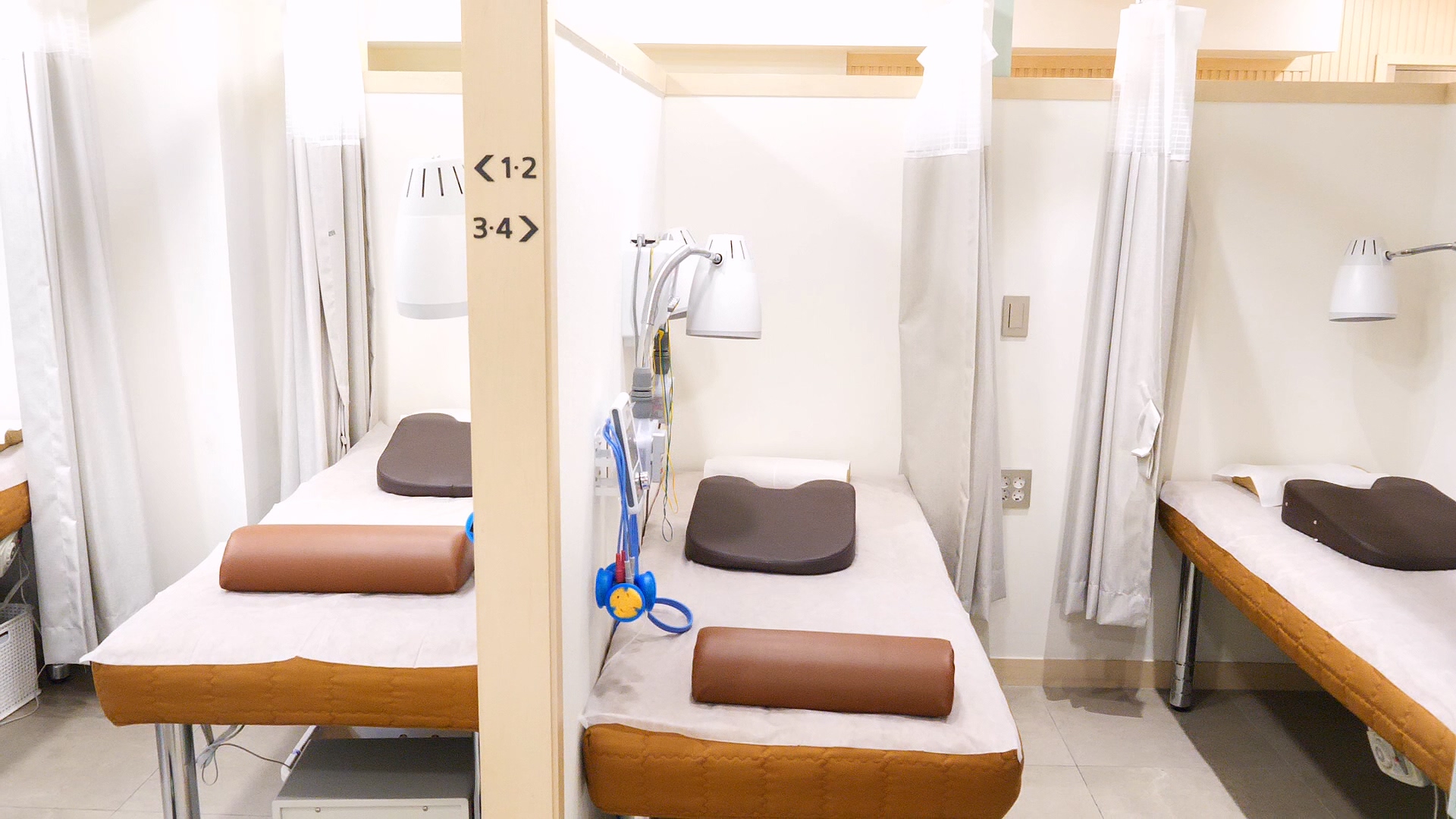
I have dedicated my career to mastering needle knife therapy and structural restoration to help patients regain a balanced life. In our practice, Korean Traditional Medicine Treatment Notes are not merely records; they are precise clinical instruments used to map a patient’s unique structural misalignments and energetic imbalances. By documenting the root causes of pain rather than just suppressing symptoms, we ensure a targeted approach to recovery. My goal is to provide immediate, perceptible improvements from the very first session, allowing patients to feel the restoration of their body's natural harmony. Whether dealing with chronic pain or complex neurological conditions, these notes guide us in delivering highly personalized and effective care in 2026.
What are Korean Traditional Medicine Treatment Notes?
Korean Traditional Medicine Treatment Notes are specialized clinical records that document a patient's diagnostic pattern, therapeutic interventions, and physiological responses within the Hanbang medical system. These records provide a detailed history of a patient's recovery journey, allowing practitioners to track progress and adjust treatments based on both traditional theories and modern clinical evidence.
Core Components of Traditional Korean Medicine Documentation
Korean Traditional Medicine Treatment Notes serve as a comprehensive roadmap for patient recovery, capturing the intricate details of a patient's health journey. At Bonecure, these notes meticulously record the chief complaint, such as chronic neck pain or persistent headaches resulting from spinal misalignment. Beyond simple symptoms, we document the diagnostic pattern, which at our clinic focuses on structural pathologies like cervical misalignment and fascial adhesion patterns rather than generic metabolic assessments. In my practice, I have observed that patients benefit most when treatment notes include detailed observations of structural tension and postural balance, as these records allow for a nuanced understanding of their physical state. These records facilitate a highly personalized approach, ensuring that every session builds upon previous structural corrections. While individual results may vary, maintaining these accurate notes is fundamental to achieving consistent clinical outcomes. We emphasize documenting the immediate changes in range of motion and pain levels that occur during each session to provide objective proof of recovery.
The Importance of Pattern Identification in TKM Diagnostics
Pattern identification is the cornerstone of clinical decision-making within the framework of Korean medicine. This process involves a holistic analysis of various physiological signs to determine the underlying cause of a patient's ailment. At Bonecure, we utilize this method to distinguish between different types of pain, such as 'Damp-Heat' versus 'Blood Stasis' caused by structural blockages. For instance, when addressing chronic conditions like tinnitus or autonomic nervous system dysfunction, identifying the specific meridian and structural imbalance is crucial for developing an effective recovery plan. By focusing on the structural and energetic roots, we can tailor interventions more precisely than by treating symptoms alone. Our clinical data indicates that patients who undergo a thorough pattern assessment often experience an immediate resolution of secondary symptoms like fatigue or digestive issues by addressing the root cause. It is important to remember that these patterns can change over time, requiring 100 percent focus during each follow-up consultation to adjust the treatment plan for optimal, lasting recovery.
Primary Modalities in Korean Traditional Medicine Treatment
Primary modalities in Korean Traditional Medicine refer to the core therapeutic techniques such as acupuncture, herbal medicine, and structural manipulation used to address physical and energetic imbalances. These methods are often used in combination to provide a holistic approach to healing, targeting both the localized symptoms and the systemic root causes of disease.
Advanced Acupuncture and Needle Knife Therapy for Adhesion Release
Needle knife therapy, also known as acupotomy, is a specialized modality at Bonecure designed to address chronic musculoskeletal adhesions. This technique uses a unique tool with a flat tip to mechanically release thickened fascia and scar tissue that often cause persistent pain. In clinical observations, many individuals report an immediate improvement in range of motion and a noticeable reduction in pain as the needle knife therapy works to release restrictive adhesions. Unlike traditional approaches that may require numerous visits to see results, our philosophy focuses on immediate symptomatic relief and structural change. We carefully document the depth and location of each insertion to monitor the physiological response. Patients should be aware that minor side effects, such as localized pain, temporary bleeding, and rarely infection, are possible, and results depend on the severity of the condition. By integrating these advanced techniques into our treatment notes, we provide a transparent, evidence-based pathway for patients seeking rapid restoration of their structural vitality.
Moxibustion and Cupping for Restoring Energy Balance
Moxibustion and cupping are traditional therapies that play a vital role in restoring the body’s internal equilibrium and circulatory health. Moxibustion involves the thermal stimulation of specific points using dried mugwort, which helps to warm the meridians and expel 'cold' pathogens that can stagnate energy. In contrast, cupping uses suction to draw out toxins and improve blood flow to localized areas of muscle tension. At Bonecure, we often combine these methods to enhance the body's natural recuperative powers. Our clinical observations show that incorporating moxibustion is effective at improving digestive efficiency and supporting internal circulation in patients with chronic cold-type dyspepsia. While these treatments are generally safe, some patients may experience temporary skin redness or circular marks from cupping that typically resolve within 3 to 7 days. These modalities are essential components of our comprehensive treatment notes, ensuring that we address both the structural and systemic aspects of a patient’s health, promoting a holistic sense of well-being and improved internal homeostasis.
Herbal Medicine and Chuna Manual Therapy for Structural Correction
Customized herbal medicine and Chuna manual therapy are fundamental to the structural restoration process practiced at Bonecure. Herbal formulations are prescribed based on the individual's constitutional pattern to reduce internal inflammation and strengthen the ligaments supporting the spine. Simultaneously, Chuna therapy involves the manual manipulation of joints and soft tissues to correct misalignments that contribute to chronic pain. In cases of idiopathic scoliosis or chronic back pain, a combination of Chuna and targeted herbal support can contribute to immediate improvements in spinal alignment and mobility. We track these changes using objective metrics such as X-ray imaging and functional movement screens to ensure the structure is actually smiling. It is vital to recognize that while some structural corrections take time, our aim is always to provide a noticeable shift in comfort from the first visit. By harmonizing internal chemistry with external structural alignment, we provide a foundation for lasting health and a significant reduction in recurring musculoskeletal discomfort throughout 2026.
Comparison of Traditional and Modern Clinical Documentation
Clinical documentation in Korean medicine has evolved significantly, merging traditional wisdom with modern objective metrics to improve patient care and transparency.
| Documentation Type | Primary Focus | Key Metrics | Timeframe |
|---|---|---|---|
| Traditional Notes | Energetic patterns | Pulse, Tongue, Symptoms | Short-term response |
| Modern TKM Notes | Structural alignment | ROM, X-ray, Pain scales | Cumulative recovery |
| Bonecure Approach | Integrative restoration | Adhesion release, ANS balance | Immediate structural change |
Clinical Application of TKM for Chronic Pain Management
Chronic pain management in Korean medicine focuses on identifying structural misalignments and energetic blockages to provide sustainable relief without excessive reliance on medication. This approach is highly effective for complex conditions like fibromyalgia, chronic fatigue, and spinal disorders.
For more information on structural approaches, you may find these guides helpful:
- A 2026 Clinical Guide to Chuna Manual Therapy Benefits and Structural Recovery
- A 2026 Clinical Guide to Structural Restoration by Dr. Song Jeonghyeon at Bonecure
- Identifying Dorsal Burning Sensation (Baeyeol-jeung) and Root Cause Recovery in 2026
Frequently Asked Questions
Q. What information is typically included in Korean traditional medicine treatment notes?
Treatment notes in Korean medicine, often referred to as Hanbang, detail the chief complaint, the specific structural or diagnostic pattern identified, the modalities used such as needle knife therapy or herbal prescriptions, and the patient's immediate response to the therapy. These notes ensure that the practitioner can track the progress of structural realignment and symptom relief.
Q. How does acupuncture for back pain work in a clinical setting?
Acupuncture for back pain involves inserting fine, sterile needles into specific meridian points or tight muscle tissues to stimulate blood flow, release adhesions, and reduce inflammation. At Bonecure, we use needle knife therapy to physically release 굳어진 (hardened) tissue. In my experience, patients see immediate relief and noticeable structural changes from the very first session.
Q. What should I expect during a consultation at a Korean medicine clinic in Cheongdam?
During a consultation, the doctor will evaluate your physical structure, posture, and internal balance using traditional diagnostic methods alongside modern assessments like X-rays to create a personalized recovery plan. This holistic evaluation identifies the root cause of your discomfort, focusing on how skeletal alignment affects your overall health and nervous system.
Q. Is moxibustion therapy effective for chronic systemic issues?
Moxibustion therapy involves applying heat to specific points to warm the meridians and dispel coldness. It is frequently used for chronic digestive issues and circulatory problems to enhance the body's natural healing capacity. Many patients report a sense of improved warmth and internal energy flow following consistent treatment sessions.
Q. What are the common side effects mentioned in oriental medicine clinical notes?
While generally safe, clinical notes may mention minor side effects such as temporary soreness at the needle site, slight bruising from cupping, or localized swelling. Needle knife therapy may cause temporary pain or minor bleeding. These effects are usually transient and indicate the body's response to structural release. Always consult with your practitioner if you have concerns.
Q. Can Korean medicine help with autonomic nervous system disorders?
Yes, through techniques like Chuna therapy for the upper cervical spine and specific herbal formulations, Korean medicine aims to stabilize the sympathetic and parasympathetic nervous systems. This can alleviate symptoms like dizziness and palpitations. Treatment notes at Bonecure specifically track changes in these autonomic markers to monitor neurological regulation.
Q. Why is structural correction emphasized in Bonecure's treatment notes?
Structural correction is emphasized because a balanced skeletal structure, especially the skull and spine, is essential for long-term health and preventing disease recurrence. At Bonecure, we believe that when your bones smile—meaning they are perfectly aligned—your entire life smiles because the body can function at its peak potential.
Key Takeaways
- Korean Traditional Medicine Treatment Notes at Bonecure focus on structural alignment and immediate relief.
- Advanced needle knife therapy is used to release deep-seated adhesions and restore natural movement immediately.
- We prioritize objective metrics, such as X-rays and range of motion tests, to document real structural recovery.
- Our approach combines traditional wisdom with modern diagnostics to address the root cause of chronic and intractable conditions.
If you have further questions about how our structural restoration treatments can help your specific condition, I invite you to schedule a consultation for a detailed assessment.
Bonecure / Dr. Song Jeonghyeon
FAQ
- What information is typically included in Korean traditional medicine treatment notes?
- Treatment notes in Korean medicine, often referred to as Hanbang, detail the chief complaint, the specific diagnostic pattern identified through pulse or tongue diagnosis, the modalities used such as acupuncture or herbal prescriptions, and the patient's immediate response to the therapy. These notes ensure that the practitioner can track long-term trends in the patient's health.
- How does acupuncture for back pain work in a clinical setting?
- Acupuncture for back pain involves inserting fine, sterile needles into specific meridian points or tight muscle tissues to stimulate blood flow, release adhesions, and reduce inflammation. This process helps to restore functional movement and alleviate pain. In my experience, patients often see incremental improvements over several sessions.
- What should I expect during a consultation at a Korean medicine clinic in Cheongdam?
- During a consultation, the doctor will evaluate your physical structure and internal balance using traditional diagnostic methods alongside modern assessments to create a personalized recovery plan tailored to your symptoms. This holistic evaluation looks at your lifestyle, posture, and internal health markers to determine the root cause of your discomfort.
- Is moxibustion therapy effective for chronic systemic issues?
- Moxibustion therapy involves applying heat to specific points to warm the meridians and dispel coldness. It is frequently used for chronic digestive issues and circulatory problems to enhance the body's natural healing capacity. Many patients report a sense of improved warmth and energy following consistent treatment.
- What are the common side effects mentioned in oriental medicine clinical notes?
- While generally safe, clinical notes may mention minor side effects such as temporary soreness at the needle site, slight bruising from cupping, or mild fatigue as the body adjusts to the treatment. These effects are usually transient and indicate that the body is responding to the stimulus. It is important to communicate any discomfort to your doctor.
- Can Korean medicine help with autonomic nervous system disorders?
- Yes, through techniques like acupuncture and specific herbal formulations, Korean medicine aims to stabilize the sympathetic and parasympathetic nervous systems, which can alleviate symptoms like dizziness, palpitations, and anxiety. Treatment notes often track changes in these symptoms to monitor the progress of nervous system regulation.
- Why is structural correction emphasized in Bonecure's treatment notes?
- Structural correction, such as Chuna or specialized needle therapy, focuses on realigning the spine and joints because a balanced skeletal structure is essential for long-term pain relief and overall health. At Bonecure, we believe that when the structure is aligned, the body's internal systems can function at their highest potential.