
Post
Comprehensive Facial Palsy Acupuncture Treatment: A 2026 Clinical Guide
Hello. I am Dr. Song Jeong-hyun, a practitioner who has focused on specialized acupotomy and structural alignment for many years.
Facial palsy acupuncture treatment is a clinically recognized approach designed to stimulate the seventh cranial nerve, improve blood flow, and restore muscular symmetry in patients suffering from paralysis. When the face loses its ability to move, it impacts not just physical function but also emotional well-being. At Bonecure, we believe that restoring the natural balance of the facial nerves requires a deep understanding of both neurological pathways and the structural integrity of the head and neck. In this guide, I will share insights into how we address these challenges through an integrative medical lens, focusing on precision, evidence-based techniques, and immediate functional recovery.
Understanding Facial Palsy and the Role of Acupuncture Treatment
Facial palsy acupuncture treatment is a therapeutic modality that utilizes fine needles to stimulate specific neural pathways and muscle groups affected by facial paralysis.
What is Facial Palsy? A Neurological Perspective
Facial palsy involves the sudden onset of paralysis or weakness on one side of the face, typically resulting from inflammation of the seventh cranial nerve. This condition often stems from viral infections or idiopathic causes like Bell's palsy. From a neurological perspective, the interruption of nerve signals prevents muscle movement, leading to drooping or inability to close the eyelid. At Bonecure, we view this not just as a local nerve issue but as a systemic disruption. Clinical data suggests that early intervention is vital for mitigating permanent nerve damage. While some patients may recover without intervention, those with severe axonal degeneration require focused therapy to prevent long-term synkinesis or facial asymmetry. Understanding the underlying neural pathways is essential for developing a targeted recovery plan that addresses both the inflammatory phase and the subsequent regeneration of damaged nerve fibers. It is important to note that individual results vary depending on the patient's condition.
How Bonecure Approaches Nerve Recovery through Traditional Korean Medicine
Bonecure approaches nerve recovery through a unique integration of traditional principles and structural science. We believe that facial paralysis is often exacerbated by underlying structural imbalances in the cervical spine and skull. By utilizing specialized acupuncture techniques, we aim to clear stagnation and restore the flow of vital energy and blood to the facial muscles. In our clinical observations, many patients who combine structural adjustment with nerve-specific acupuncture have shown positive responses and reported high satisfaction with the integrative approach. Our methodology involves precisely targeting the key facial nerve branches that may be compressed or dysfunctional. We utilize a precise diagnostic framework to assess muscle tone and neural response, ensuring that the treatment plan is tailored to the specific degree of paralysis. This holistic approach ensures that the facial nerves have an optimal environment for healing, supported by the correct alignment of the skeletal frame.
The Science of Acupuncture for Neural Regeneration
The science behind facial palsy acupuncture treatment lies in its ability to modulate the peripheral nervous system. When needles are inserted into specific points, they trigger the release of neurotrophic factors that support nerve repair. Studies indicate that acupuncture can support neuronal survival and help facilitate the recovery of nerve function. At Bonecure, we emphasize that these treatments should be performed with precision to avoid overstimulating inflamed tissues. Clinical experience shows that acupuncture can help support nerve conduction speed during the recovery phase of Bell's palsy. Furthermore, the mechanical stimulation of the needles helps prevent muscle atrophy during the period of paralysis. By maintaining the health of the facial musculature through increased local microcirculation, we provide a foundation for the nerve to reconnect effectively, leading to more complete functional restoration. Please note that while generally safe, minor side effects such as temporary pain or localized bleeding may occur.
Acupuncture Techniques for Chronic Facial Pain and Nerve Rejuvenation
Acupuncture techniques for chronic facial pain involve specialized needle protocols and micro-blade interventions designed to release physical adhesions and rejuvenate dormant nerve endings.
Acupuncture for Back Pain vs. Facial Nerve Protocols
While many people associate acupuncture with back pain, facial nerve protocols require a significantly different level of delicacy and precision. Back pain treatments often target large muscle groups and deep structural ligaments, whereas facial palsy acupuncture treatment focuses on the intricate muscles of expression and the superficial branches of the cranial nerves. At Bonecure, we recognize that the face contains over 40 individual muscles that must work in perfect harmony. Our protocols involve using extremely fine needles to minimize discomfort while maximizing therapeutic input. Unlike the more robust needle manipulation used for spinal issues, facial protocols utilize light, rapid insertion techniques. We also integrate objective assessments to monitor progress. This differentiation is critical because the facial nerve travels through narrow bony canals, making it highly susceptible to even minor pressure changes or inflammation compared to larger spinal nerves.
Micro-Blade Acupuncture: Adhesion Release for Nerve Entrapment
In chronic cases of facial palsy where recovery has plateaued, we often employ micro-blade acupuncture, also known as acupotomy. This technique involves using a specialized tool with a microscopic blade tip to gently release fibrous adhesions and scarred tissues that may be entrapping the facial nerve. At Bonecure, we have found that chronic paralysis often leads to muscular contractures that further impede nerve regeneration. By carefully loosening these rigid structures, we create space for the nerve to function without mechanical interference. Clinical observations suggest that the process of releasing these adhesions can be a significant step in the recovery for patients dealing with chronic symptoms. It is important to note that while this procedure is highly effective for many, it may cause temporary redness, minor bruising, or site tenderness. However, the benefit of restoring mobility to the deep fascia often outweighs these short-term effects, offering a path forward for long-term chronic sufferers.
Integrating Traditional Medicine Clinical Notes for Personalized Care
Integrating traditional clinical notes allows us to provide a deeply personalized experience for every individual. At Bonecure, we do not follow a one-size-fits-all protocol. Instead, we analyze the patient's constitution and specific symptom presentation. For example, a patient experiencing facial palsy accompanied by severe headaches may require a different focus than someone with purely motor symptoms. Based on my clinical experience, I have observed that addressing the 'root' cause, such as cervical misalignment or chronic stress, is just as important as treating the 'branch' symptoms on the face. Our clinical methodology tracks subtle changes in facial symmetry and muscle response during each session. This approach allows us to adjust needle depth and stimulation frequency in real-time. By documenting these variations, we ensure that the treatment remains dynamic and responsive to the patient's unique biological healing pace, fostering an impactful and reliable recovery process that patients can often feel immediately.
Comparing Bonecure Treatment Protocols with Conventional Options
Comparing recovery protocols involves analyzing the differences between standard pharmacological interventions and integrative approaches that combine structural correction with traditional acupuncture for facial palsy.
At Bonecure, our integrative therapy focuses on structural alignment and nerve recovery support. We utilize a combination of specialized acupuncture, Chuna manual therapy, and acupotomy to address both acute and chronic cases. Our primary goal is to foster structural stability and long-term nerve vitality, providing a comprehensive alternative for those seeking a holistic path to recovery.
The Importance of Early Intervention in Bell's Palsy
Timing is a critical factor in the success of facial palsy acupuncture treatment. In the medical community, the first 72 hours after symptom onset are often considered the most important period for intervention. During this time, the facial nerve may actively swell within the narrow Fallopian canal. At Bonecure, we advocate for starting acupuncture as soon as possible alongside conventional medical treatments if prescribed. Early acupuncture helps to manage the inflammatory response and promotes drainage, potentially reducing the pressure on the nerve more quickly. Clinical experience suggests that patients who begin integrative therapy early in the recovery process often have a more favorable prognosis and may experience a more efficient recovery compared to those who delay treatment. While we can still assist chronic patients, the effort required to reverse muscle atrophy and nerve fibrosis is greater. Therefore, we emphasize that rapid action is the best defense against long-term functional complications.
Case-Based Observation: Structural Realignment and Facial Symmetry
The Clinical Philosophy of Dr. Song Jeong-hyun at Bonecure Clinic
In my clinical practice at Bonecure, I have observed many cases where facial asymmetry was linked to an underlying tilt in the atlas bone or cervical spine. In cases where facial palsy has become chronic, addressing structural alignment alongside acupuncture can be beneficial. For instance, when structural imbalances in the upper neck are identified, incorporating Chuna manual therapy to support cervical alignment may help improve muscle tone and nerve function. Please note that individual results may vary depending on the severity of the nerve damage and the patient's overall health. This suggests that the nerve's path can be physically compromised by skeletal shifts. By correcting these structural issues, we remove the mechanical stress on the nervous system, allowing the acupuncture to work more effectively. This case highlights why a whole-body perspective is essential for resolving what appears to be a localized facial issue, ensuring that the symmetry we restore is built on a stable foundation.
Comprehensive Wellness and Aftercare at a Premium Seoul Clinic
Comprehensive wellness and aftercare refer to the holistic practices and lifestyle modifications implemented after clinical treatment to maintain nerve health and prevent recurring musculoskeletal issues.
Beyond the Face: Whole Spine Alignment and Nerve Health
Nerve health is inseparable from the health of the entire spinal column. At Bonecure, we treat the body as a single, integrated unit. The facial nerve originates in the brainstem and is influenced by the positioning of the cranium and the cervical spine. If the spine is misaligned, it can create tension throughout the dural membrane, indirectly affecting cranial nerve function. Our wellness protocol includes regular assessments of spinal curvature and pelvic balance. By maintaining a healthy 'S' curve in the spine, we ensure that the nervous system can transmit signals with minimal interference. Structural balance can help lower systemic tension, which is a key factor for nerve-related health. We provide our patients with specific exercises to maintain this alignment at home. This comprehensive focus ensures that once the facial palsy symptoms are addressed, the body is in a more resilient state to maintain long-term vitality and prevent future setbacks.
Experience the Bonecure Atmosphere in Cheongdam-dong
Restoring Nerve Flow Through Cranial-Sacral Structural Adjustment: A 2026 Clinical Guide
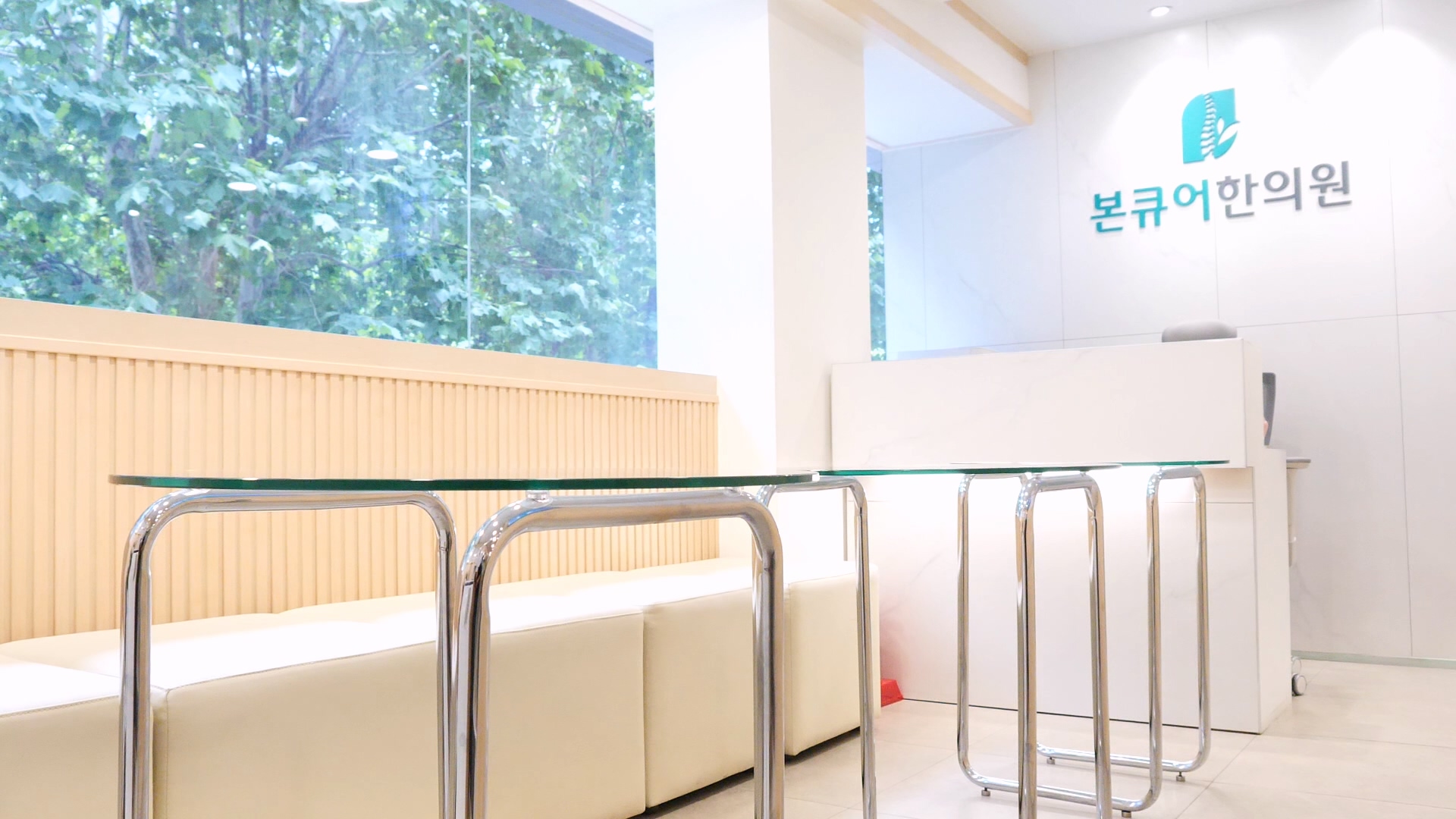
Located in the heart of Cheongdam-dong, Bonecure offers a healing environment that prioritizes patient comfort and professional excellence. We believe that the environment in which you receive treatment impacts your recovery. Our clinic is designed with a modern aesthetic, utilizing natural light and warm wood tones to create a sense of tranquility. From the moment you enter, our staff is dedicated to providing a supportive experience. Each treatment room is private, allowing for focused sessions. We perform meticulous physical evaluations, such as structural and movement assessments, and coordinate with specialized partner hospitals like Harrison Hospital for any necessary X-ray, CT, or MRI imaging. This blend of personalized service and clinical expertise ensures that every patient feels heard. By reducing the stress associated with clinical visits, we help activate the body's natural relaxation response, which is essential for the recovery and regeneration processes to occur effectively.
Sustainable Recovery: Lifestyle Adjustments for Long-Term Vitality
What to Expect During an Intensive Structural Acupuncture-Knife Session
Sustainable recovery from facial palsy involves more than just clinical sessions; it requires a commitment to healthy lifestyle adjustments. At Bonecure, we guide our patients on how to support their nerve health through nutrition, stress management, and proper ergonomics. For instance, avoiding extreme cold exposure on the face and maintaining adequate vitamin levels are effective ways to protect recovering nerves. We also teach facial rehabilitation exercises that patients can perform daily to strengthen weakened muscles. Managing chronic stress is equally important, as high cortisol levels can impair the immune system and slow down repair. By integrating these habits into your daily routine, you empower your body to maintain the results achieved during treatment. Our goal is to see our patients return to their lives with confidence, knowing they have the tools and the structural health to sustain their well-being for years to come.
Frequently Asked Questions
Q. What is facial palsy acupuncture treatment exactly?
It is a specialized procedure where fine needles are inserted into specific meridian points and muscular adhesion sites to stimulate facial nerve repair and blood circulation. This helps to awaken dormant nerves and prevents the facial muscles from undergoing atrophy during the period of paralysis.
Q. How soon should I start acupuncture after experiencing facial paralysis?
Evidence suggests that starting treatment within the first 72 hours of symptoms can significantly improve recovery outcomes by managing inflammation early. Early intervention helps to decompress the facial nerve while it is still in the acute swelling phase, which can prevent long-term damage.
Q. Does facial palsy acupuncture treatment have any side effects?
Minor bruising, temporary soreness, or localized swelling may occur at the insertion site, though these are typically mild. At Bonecure, we prioritize sterile techniques and individual sensitivity to minimize risks such as infection or persistent pain for every patient.
Q. How many sessions are typically required for noticeable improvement?
Bonecure focuses on treatments that show immediate responses. Rather than a fixed number of sessions like 10 or 20, we aim for impactful results that patients can feel right away. The total frequency and duration vary based on the severity of the initial nerve damage and the individual's recovery speed.
Q. Can acupuncture help if my facial palsy occurred years ago?
Yes, chronic cases can benefit from micro-blade acupuncture (acupotomy) which addresses long-standing muscle contractures and adhesions. By releasing these physical blocks, we can often restore a degree of movement that was previously limited, though progress depends on individual circumstances.
Q. Is the procedure painful?
Most patients feel a slight pinch or a heavy sensation known as De-Qi, but it is generally well-tolerated. Our refined techniques at Bonecure are specifically designed to maximize patient comfort while ensuring therapeutic efficacy for nerve stimulation. Localized tenderness may persist temporarily after acupotomy.
Q. Why is the Bonecure approach different from a general clinic?
We focus on the structural integrity of the cervical spine and skull, believing that nerve health is inseparable from skeletal alignment. We prioritize impactful, efficient treatments that address root causes through acupotomy and Chuna therapy, rather than just superficial symptom management.
Key Takeaways
- Early Intervention: Starting treatment within 72 hours significantly enhances the likelihood of a favorable recovery.
- Structural Integration: Proper alignment of the cervical spine is essential for removing mechanical pressure on the facial nerve pathways.
- Advanced Acupotomy: For chronic cases, micro-blade acupuncture can release adhesions that hinder muscle movement and nerve function.
- Immediate Response: Bonecure focuses on impactful treatments where changes can be felt by the patient immediately after the session.
- Coordinated Diagnostics: We use meticulous physical evaluations and partner with specialized hospitals for advanced imaging (X-ray/MRI) when needed.
Bonecure / Dr. Song Jeong-hyun
FAQ
- What is facial palsy acupuncture treatment exactly?
- It is a specialized procedure where fine needles are inserted into specific meridian points and muscular adhesion sites to stimulate facial nerve repair and blood circulation. This stimulation helps to awaken dormant nerves and prevents the facial muscles from undergoing atrophy during the period of paralysis.
- How soon should I start acupuncture after experiencing facial paralysis?
- Research suggests that starting treatment within the first 72 hours of symptoms can significantly improve recovery outcomes by reducing inflammation early. Early intervention helps to decompress the facial nerve while it is still in the acute swelling phase, which can prevent long-term damage.
- Does facial palsy acupuncture treatment have any side effects?
- Minor bruising, temporary soreness, or localized swelling may occur at the insertion site, though these are typically mild. At Bonecure, we prioritize sterile techniques and individual sensitivity to minimize risks and ensure a comfortable experience for every patient.
- How many sessions are typically required for noticeable improvement?
- While some patients notice shifts early, chronic or severe cases often require 10 to 20 sessions to achieve significant functional recovery. The number of sessions depends on the severity of the initial nerve damage and the patient's overall health and age.
- Can acupuncture help if my facial palsy occurred years ago?
- Yes, chronic cases can benefit from micro-blade acupuncture which addresses long-standing muscle contractures and adhesions, though progress may be gradual. By releasing these physical blocks, we can often restore a degree of movement that was previously thought to be permanent.
- Is the procedure painful?
- Most patients feel a slight pinch or a heavy sensation known as De-Qi, but it is generally well-tolerated. Our refined needle techniques at Bonecure are specifically designed to maximize patient comfort while ensuring the highest therapeutic efficacy for nerve stimulation.
- Why is the Bonecure approach different from a general wellness clinic?
- We focus on the structural integrity of the cervical spine and skull, believing that nerve health is inseparable from the correct alignment of the skeletal system. We don't just treat the face; we ensure the entire pathway of the nerve is free from structural interference.