
Post
What to Expect During an Intensive Structural Acupuncture-Knife Session
Hello. I am Dr. Song Jeong-hyun, a Korean medicine doctor who has spent years specializing in acupotomy to help patients recover from chronic pain and structural imbalances. Understanding what happens during a specialized medical procedure is the first step toward a successful recovery journey.
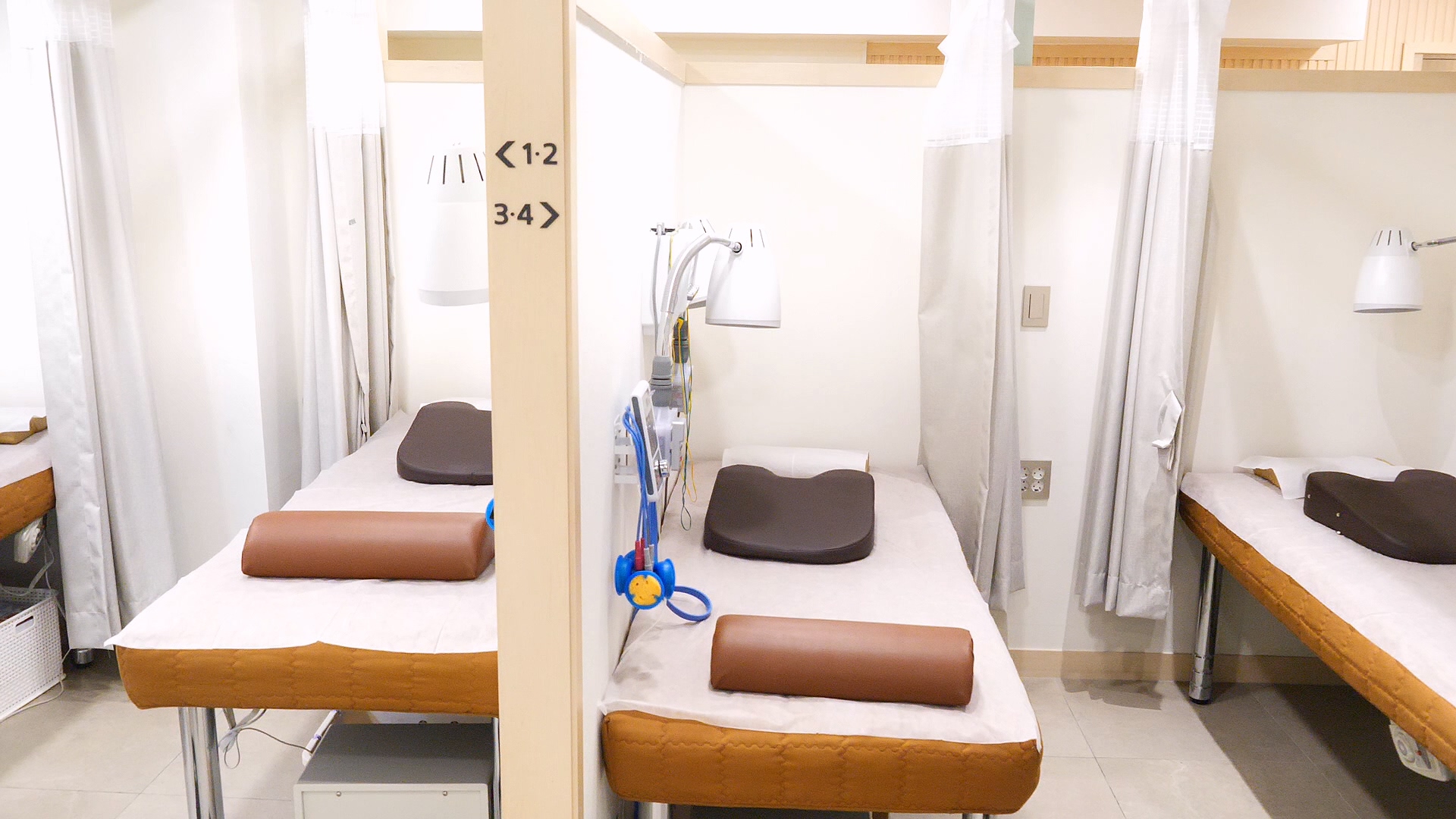
This guide explains the process and outcomes of structural acupuncture-knife therapy, a method designed to address deep-seated tissue adhesions.
What is Intensive Structural Acupuncture-Knife Therapy?
Intensive structural acupuncture-knife therapy is a sophisticated clinical procedure that utilizes a specialized flat-headed needle to physically detach internal tissue adhesions and restore the body's natural alignment. This technique goes beyond traditional surface-level treatments by addressing underlying mechanical factors of chronic musculoskeletal dysfunction and neurological compression.
Defining the Mechanism of Adhesion Release
Intensive structural acupuncture-knife therapy, often referred to as acupotomy, is a specialized medical intervention that uses a flat-headed needle to physically release myofascial adhesions and fibrotic tissues. These adhesions often develop after chronic inflammation or repeated micro-trauma, leading to a state where the muscles and connective tissues essentially glue together. This mechanical restriction prevents the spine and joints from maintaining their natural alignment, which creates a cycle of persistent pain and neurological interference. When a practitioner at Bonecure performs this procedure, the primary goal is to micro-dissect these stubborn adhesions without the need for invasive surgery. By creating tiny incisions at the site of the adhesion, the treatment restores the sliding mechanism between tissue layers. This process not only relieves local pressure on nerve endings but also facilitates the return of normal blood flow to previously ischemic areas. Clinical observations suggest that physical detachment of these fibers is often an important factor in recovery.
The Science Behind Restoring Spinal Alignment
Restoring the structural integrity of the spine requires more than just temporary muscle relaxation, as the bones are often held in maladaptive positions by hardened connective tissue. The science of structural acupuncture-knife therapy focuses on the relationship between the dural membrane, spinal ligaments, and bone positioning. When chronic adhesions are released, the tension that pulls vertebrae out of place is significantly reduced, allowing for a more sustainable realignment. In my clinical practice, we have observed that correcting these structural Deviations can lead to improvements in autonomic nervous system function. For example, in clinical cases, releasing structural obstructions around the cervical spine has been observed to contribute to significant improvements in tinnitus symptoms. However, individual results vary, and these observations from specific case reports do not guarantee the same outcome for every patient. This indicates that the alignment of the skeletal system is deeply intertwined with the health of the central nervous system. Proper alignment ensures that neural pathways remain unobstructed and functional.
Differentiating Traditional Needles from the Chuna-Knife
While traditional acupuncture is excellent for regulating energy flow and reducing general inflammation, the structural acupuncture-knife, or Chuna-knife, is specifically designed for mechanical intervention. Traditional needles are typically thin and cylindrical, designed to stimulate nerve endings without damaging tissue. In contrast, the specialized tool used at Bonecure features a small, flat blade at the tip, allowing it to function as a micro-surgical instrument. This design enables the practitioner to perform a localized dissection of scar tissue, as the tool is specifically designed for mechanical release in a way that standard needles are not. Because the tool can reach deeper layers of the fascia, it addresses the structural pathology of chronic conditions like spinal stenosis or frozen shoulder more directly. While the sensation may be more intense than a standard acupuncture session, the objective is to create a physical change in the tissue structure. This distinction is vital for patients who have sought relief through conventional methods without seeing significant improvements in their range of motion or posture.
A Step-by-Step Guide to Your Intensive Session at Bonecure
Your journey toward structural restoration at Bonecure begins with a comprehensive assessment to map out the specific areas of adhesion and misalignment that are contributing to your symptoms. Every intensive session is tailored to the individual's unique anatomical needs to ensure a high level of safety and clinical efficacy while minimizing discomfort during the procedure.
Initial Structural Diagnosis and Whole-Spine X-ray Analysis
The treatment process starts with a meticulous diagnostic phase where we utilize a Whole-Spine X-ray to gain a complete view of your skeletal architecture. This imaging allows us to identify exactly where the spine has deviated from its optimal axis and where compensatory patterns have formed. We do not look at the site of pain in isolation. Instead, we analyze how a pelvic tilt might be contributing to neck stiffness or how a cervical misalignment could be affecting the lower back. By combining these imaging results with a physical palpation exam, we can pinpoint the dense, fibrotic knots that require intervention. This evidence-based approach ensures that the acupuncture-knife is applied with precision, targeting only the tissues that are causing structural obstruction. A clear diagnosis is the foundation of our work at Bonecure, as it allows us to track progress over time. This diagnostic rigor helps in creating a clear roadmap for your long-term recovery.
The Procedure: What You Will Feel During the Release
During the actual procedure, the practitioner inserts the specialized acupuncture-knife into the pre-identified areas of adhesion, which may cause a unique sensation often described as a deep, dull ache. This feeling occurs when the tool interacts with the densest parts of the scar tissue to initiate the release. Some patients may also experience a localized twitch or a feeling of pressure as the micro-dissection takes place. While the sensation can be sharp for a brief moment, it is usually followed by a sense of immediate release or lightness in the affected joint. We prioritize patient comfort by adjusting the intensity based on individual tolerance levels. It is important to note that the procedure is performed under strict sterile protocols to maintain the highest safety standards. At Bonecure, we guide you through each step, ensuring you are aware of what is happening as we work to restore your structural balance. Most patients find that the temporary discomfort is a worthwhile trade for the functional improvements.
Post-Treatment Recovery and Immediate Functional Changes
Immediately following the session, many patients report an instant improvement in their range of motion and a reduction in a "tight" feeling that may have persisted for years. However, the body also initiates a natural inflammatory response to heal the micro-incisions made during the treatment. It is common to feel some localized soreness or minor bruising for approximately 24 to 48 hours after the procedure. We recommend avoiding heavy lifting or strenuous exercise during this window to allow the tissues to settle into their new, aligned state. In clinical cases involving hearing loss or vertigo, patients have occasionally seen significant shifts fairly early in their treatment plan. For instance, some patients with complex conditions like Meniere's disease have seen an improvement in hearing function after a consistent course of treatment. The number of sessions required and the extent of recovery depend heavily on the individual's condition and chronicity. Results and recovery times will vary based on the chronicity of the condition and the patient’s overall health status. Consistent follow-up care is essential to ensure that the initial gains translated into permanent structural stability.
Targeting Chronic Pain: Comparison of Treatment Modalities
Choosing the right treatment for chronic pain involves understanding how different modalities interact with the body's tissues and structural components. While various options exist, structural acupuncture-knife therapy offers a unique mechanical solution for patients who have not responded to conventional conservative care or surface-level physical therapy.
| Feature | Structural Acupuncture-Knife | Standard Physical Therapy | Traditional Acupuncture |
|---|---|---|---|
| Primary Mechanism | Physical adhesion release | Muscle strengthening/stretching | Nervous system stimulation |
| Depth of Action | Deep fascial & ligamentous | Superficial to moderate muscle | Varies by needle length |
| Structural Focus | Mechanical release of adhesions | Postural training & strengthening | Functional stimulation |
| Recovery Time | 24 to 48 hours (soreness) | Minimal to none | Minimal to none |
| Target Condition | Chronic adhesions & fibrosis | General muscle weakness | Inflammation & pain relief |
Acupuncture-Knife vs. Standard Physical Therapy
Physical therapy is an essential component of rehabilitation, focusing on strengthening the muscles that support the spine and improving general flexibility. However, when the fascia is severely adhered or fibrotic, even the best exercises may fail to restore a full range of motion because the tissue is mechanically stuck. This is where structural acupuncture-knife therapy at Bonecure offers a different mechanical approach. By physically detaching the adhesions, the acupuncture-knife clears the path so that subsequent physical therapy exercises can be more effective. Without releasing these deep-seated restrictions, a patient might find themselves plateauing in their recovery despite months of diligent exercise. In my experience, combining the mechanical release of acupotomy with structural alignment techniques allows the body to maintain the benefits of physical therapy more easily. This synergy is particularly useful for complex cases involving spinal curvature or long-term postural collapse. The two modalities work together to create a balanced, functional musculoskeletal system that can withstand daily stresses.
Effectiveness for Chronic Back and Neck Pain
Chronic back and neck pain are often the result of long-standing structural imbalances that have led to significant tissue remodeling around the spine. Study of clinical applications of acupotomy shows that this method is highly effective for reducing pain scores in patients with degenerative disc disease and chronic cervical syndrome. By targeting the ligaments that have become thickened and lose their elasticity, the procedure restores the necessary space for spinal nerves to function without irritation. At Bonecure, we focus on the entire kinetic chain to ensure that the neck and back are not treated as separate problems. For many, a single session can provide noticeable relief, but chronic conditions usually require a structured plan to remodel the tissue comprehensively. We emphasize that while pain reduction is a primary goal, the ultimate metric of success is the restoration of the whole-spine alignment as seen on follow-up X-rays. This objective measurement provides patients with clear evidence of their physical improvement and helps prevent future relapses of the same pain patterns.
Long-term Structural Stability and Recurrence Prevention
Achieving long-term stability requires a shift from symptom management to fundamental structural restoration. Once the acupuncture-knife has released the primary obstructions, the body must learn to move in its new, more efficient alignment. Recurrence often happens when patients return to the same poor postural habits that created the adhesions in the first place. At Bonecure, we provide specific guidance on ergonomics and movement to protect the structural gains made during the intensive sessions. Maintaining the results depends on the patient's commitment to these lifestyle adjustments and periodic check-ups to catch new adhesions before they become symptomatic. While the release of fibrotic tissue is often long-lasting, the aging process and daily physical demands mean that the body requires ongoing support. Our goal is to empower patients with a resilient structure that allows them to lead an active life without the constant fear of recurring pain. Sustainable health is a collaborative effort between the specialized intervention of the doctor and the daily habits of the patient.
Clinical Observations and Patient Safety Protocols
Safety and clinical evidence are the pillars of the care provided at Bonecure. We maintain a high standard of clinical oversight to ensure that every patient receives the most effective treatment while minimizing any potential risks associated with deep tissue intervention.
Case Study Insights: Restoring Mobility in Complex Conditions
Clinical case reports provide valuable insights into the potential of structural acupuncture-knife therapy for complex conditions. For example, in our practice at Bonecure, we have managed cases where patients experienced immediate functional changes after just one intensive session. In one particular case, a patient struggling with restricted mobility and severe postural distortion showed visible improvement in spinal curvature on their post-treatment X-ray. It is important to remember that these results are highly specific to the individual case and do not guarantee a similar outcome for everyone. However, these successes highlight the power of addressing the mechanical roots of disease. By meticulously documenting these changes through pre and post-treatment imaging and standardized pain scales, we contribute to a growing body of evidence supporting structural Korean medicine. These case studies help us refine our techniques and provide patients with realistic expectations about their own recovery timelines. Every successful case reinforces the importance of the definition-first approach to structural health.
Managing Expectations: Understanding Potential Side Effects
Transparency regarding side effects is essential for patient trust and safety. While structural acupuncture-knife therapy is a non-surgical procedure, it does involve deep tissue interaction that can lead to temporary after-effects. The most common side effects include localized soreness, a feeling of fatigue, and occasional minor bruising at the site of the intervention. These are natural parts of the healing process as the body works to repair the micro-dissected tissues. In very rare cases, there is a risk of minor bleeding or localized infection, which is why we adhere to the highest standards of sterilization and post-treatment care at Bonecure. We also advise that the effectiveness of the treatment can vary significantly between individuals. Some may require a series of 5 to 10 sessions to see fundamental changes, while others with chronic degenerative conditions may need more prolonged care. Understanding these possibilities allows patients to approach their treatment with a balanced perspective and a commitment to the necessary recovery steps. Acupotomy: A 2026 Guide to Specialized Acupuncture-Knife Therapy for Chronic Pain.
Bonecure's Commitment to Scientific Evidence and Safety
At Bonecure, we are committed to moving beyond anecdotal evidence by using objective clinical metrics to guide our treatments. Every patient’s progress is tracked through structural analysis, functional testing, and patient-reported outcome measures. This commitment to scientific rigor ensures that our techniques are constantly being evaluated for safety and effectiveness. We integrate traditional Korean medical wisdom with modern diagnostic tools like digital X-ray analysis to provide a holistic yet scientifically grounded experience. Our practitioners undergo rigorous training in the specific anatomy of the spine and nervous system to ensure that the acupuncture-knife is used with the utmost precision. We also emphasize that structural acupuncture-knife therapy should be part of a comprehensive health plan. If a condition is outside our scope of practice or requires surgical consultation, we provide clear referrals to ensure the patient's safety comes first. This dedication to evidence-based practice is why so many patients trust us with their complex, chronic conditions. A 2026 Clinical Guide to Non-surgical Spinal Treatment in Korean Medicine at Bonecure.
Frequently Asked Questions
Q. Is the intensive acupuncture-knife procedure painful?
While the specialized blade-tip needle may cause temporary discomfort or a dull aching sensation during the release of adhesions, many patients report an immediate feeling of lightness and improved mobility following the session. The intensity is managed according to individual tolerance to ensure the process is as comfortable as possible. Most find the brief discomfort minor compared to chronic pain relief.
Q. How many sessions are typically required for chronic back pain?
For chronic conditions, a series of treatments is usually necessary to achieve significant structural remodeling and long-term stability. While some notice changes after just one session, a personalized plan involving multiple visits is often recommended to address the layers of scar tissue. Results vary by individual case and the severity of the structural imbalance.
Q. What are the common side effects of this treatment?
Common side effects include localized soreness, minor bruising, or temporary fatigue as the body begins the natural healing process. In very rare cases, minor bleeding, temporary pain at the site, or localized infection may occur, which is why we maintain strict sterile protocols at Bonecure. Most side effects resolve within 24 to 48 hours without further intervention, though individual recovery times vary.
Q. Can I return to daily activities immediately after the session?
Most patients can resume light daily activities immediately after their session. However, we recommend avoiding strenuous exercise, heavy lifting, or intense physical labor for 24 to 48 hours to allow the treated tissues to settle. This rest period is crucial for initiating the recovery of structural alignment and preventing irritation.
Q. How does acupuncture-knife therapy differ from dry needling?
Unlike standard dry needling which targets muscular trigger points, acupuncture-knife therapy uses a specialized flat-headed tool to physically detach fibrotic adhesions that restrict movement. It is a more direct structural intervention aimed at the fascia and ligaments rather than just the muscle fibers. This makes it more effective for chronic, structural pathologies.
Q. Are the results of the structural acupuncture-knife permanent?
The treatment aims for fundamental recovery by releasing structural obstructions and scar tissue. However, maintaining long-term results requires proper posture and healthy lifestyle habits to prevent new adhesions from forming. In some chronic or severe cases, periodic maintenance may be required to maintain optimal spinal alignment and function.
Q. Is this therapy safe for elderly patients with chronic pain?
Yes, it is often used for elderly patients dealing with degenerative conditions like spinal stenosis or osteoarthritis. We perform a thorough diagnostic assessment, including a whole-spine X-ray review, to ensure the technique is adapted safely to the patient's bone density and structural integrity. We prioritize gentle, precise movements for our older patients.
Key Takeaways
- Adhesion Release: The therapy uses a specialized tool to physically micro-dissect fibrotic tissues that cause structural misalignment.
- Precision Diagnosis: Every session at Bonecure is guided by X-ray analysis to ensure accurate targeting of the root cause of pain.
- Immediate Mobility: Many patients experience an instant improvement in range of motion, though some localized soreness for 24 to 48 hours is normal.
- Holistic Recovery: Success is measured by long-term structural stability and improved neurological function, not just temporary pain relief.
- Evidence-Based Safety: Strict sterile protocols and clinical tracking ensure that the procedure is both safe and effective for various chronic conditions.
Bonecure Clinic / Director Song Jeong-hyun
FAQ
- Is the intensive acupuncture-knife procedure painful?
- While the specialized blade-tip needle may cause temporary discomfort or a dull aching sensation during the release of adhesions, many patients report an immediate feeling of lightness and improved mobility following the session. The intensity is managed according to individual tolerance to ensure the process is as comfortable as possible. Most find the brief discomfort minor compared to chronic pain relief.
- How many sessions are typically required for chronic back pain?
- For chronic conditions, a series of treatments is usually necessary to achieve significant structural remodeling and long-term stability. While some notice changes after just one session, a personalized plan involving multiple visits is often recommended to address the layers of scar tissue. Results vary by individual case and the severity of the structural imbalance.
- What are the common side effects of this treatment?
- Common side effects include localized soreness, minor bruising, or temporary fatigue as the body begins the natural healing process. In very rare cases, minor bleeding or infection may occur, which is why we maintain strict sterile protocols at Bonecure. Most side effects resolve within 24 to 48 hours without further intervention.
- Can I return to daily activities immediately after the session?
- Most patients can resume light daily activities immediately after their session. However, we recommend avoiding strenuous exercise, heavy lifting, or intense physical labor for 24 to 48 hours to allow the treated tissues to settle. This rest period is crucial for initiating the recovery of structural alignment and preventing irritation.
- How does acupuncture-knife therapy differ from dry needling?
- Unlike standard dry needling which targets muscular trigger points, acupuncture-knife therapy uses a specialized flat-headed tool to physically detach fibrotic adhesions that restrict movement. It is a more direct structural intervention aimed at the fascia and ligaments rather than just the muscle fibers. This makes it more effective for chronic, structural pathologies.
- Are the results of the structural acupuncture-knife permanent?
- The treatment aims for fundamental recovery by releasing structural obstructions and scar tissue. However, maintaining long-term results requires proper posture and healthy lifestyle habits to prevent new adhesions from forming. In some chronic or severe cases, periodic maintenance may be required to maintain optimal spinal alignment and function.
- Is this therapy safe for elderly patients with chronic pain?
- Yes, it is often used for elderly patients dealing with degenerative conditions like spinal stenosis or osteoarthritis. We perform a thorough diagnostic assessment, including a whole-spine X-ray review, to ensure the technique is adapted safely to the patient's bone density and structural integrity. We prioritize gentle, precise movements for our older patients.