
Post
Restoring Nerve Flow Through Cranial-Sacral Structural Adjustment: A 2026 Clinical Guide
Hello. I am Dr. Jeong-hyun Song, a practitioner dedicated to specialized structural medicine and acupuncture-knife therapy.
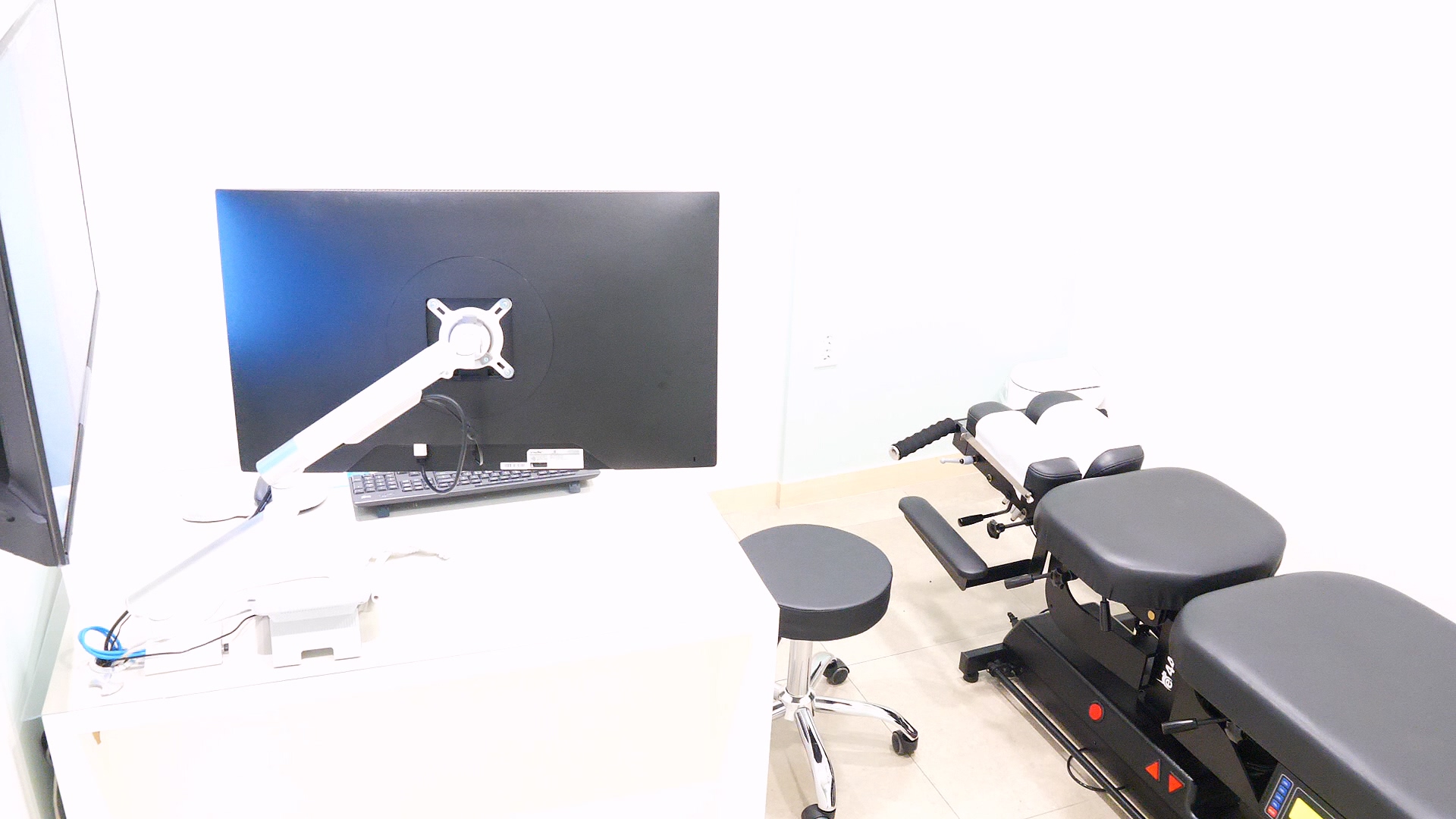
Restoring nerve flow through cranial-sacral structural adjustment is a clinical process designed to optimize the communication between the central nervous system and the rest of the body by correcting mechanical misalignments. This guide explores how structural integrity influences neurological health and the specialized methods used to facilitate recovery.
Understanding Nerve Flow Restoration through Cranial-Sacral Structural Adjustment
Restoring nerve flow through cranial-sacral structural adjustment involves the physical realignment of the skull and spinal column to eliminate mechanical interference with the central nervous system. When the skeletal framework, particularly the cervical spine and cranial bones, shifts out of its optimal position, it can create localized pressure or tension on neural pathways. This phenomenon often leads to a variety of symptoms, ranging from chronic pain to autonomic dysregulation. By focusing on the structural relationship between the bone, the nervous system, and the surrounding soft tissues, clinicians can address the root cause of these disruptions. This methodology prioritizes the body's innate ability to heal once the physical barriers to nerve conduction are removed. Modern clinical practice emphasizes that without a stable structural foundation, symptom-based treatments may only provide temporary relief. Therefore, the goal of this adjustment is to provide a sustainable environment for neurological recovery and long-term physiological balance.
The Biological Connection Between Spinal Alignment and Neurological Function
The human nervous system is housed within the protective structure of the spine and skull, making the alignment of these bones critical for health. When a structural imbalance occurs, it can lead to what is known as neural entrapment or irritation, which hinders the efficient flow of electrical signals. For instance, a misalignment in the upper cervical region can influence the brainstem, potentially leading to issues such as chronic headaches or vertigo. Clinical observations suggest that restoring the proper curvature of the spine helps to normalize the tension within the dural membrane, which surrounds the spinal cord. This biological harmony is essential for the transmission of signals that regulate everything from muscle movement to organ function. When the spinal column is properly aligned, the nervous system can operate without mechanical resistance, which is a foundational requirement for systemic health. This connection highlights why structural correction is often necessary for resolving complex, chronic neurological symptoms that do not respond to conventional surface-level therapies.
Defining Cranial-Sacral Structural Adjustment in Modern Korean Medicine
Cranial-sacral adjustment in a contemporary Korean medical context integrates traditional wisdom with modern biomechanical principles to restore whole-body equilibrium. Unlike generalized manual therapies, this approach involves impactful structural release and intensive manual techniques intended to physically restore the relationship between the occiput and the sacrum. By stabilizing this axis, practitioners aim to improve the circulation of cerebrospinal fluid, which is vital for nourishing the brain and spinal cord. In the clinical setting at Bonecure, this process is viewed as a foundational step in treating chronic pain and neurological disorders. It represents a shift from simply treating a painful area to addressing the entire skeletal framework as a single, interconnected unit. This definition emphasizes the importance of the 'Bone-Structure-Nerve' nexus, where the health of the bone directly dictates the efficiency of the nerve. By applying specialized techniques to adjust these critical junctions, clinicians can help patients achieve a more resilient and responsive physical state, laying the groundwork for further tissue regeneration.
How Bonecure Approaches Structural Integrity to Optimize Nerve Signaling
At Bonecure, the approach to structural integrity begins with a comprehensive analysis of the patient's unique skeletal geometry. Through a collaborative medical network with institutions like Harrison Hospital, we utilize objective diagnostic tools such as whole-spine X-ray and CT analysis to identify specific areas of misalignment that may be impeding nerve signaling. Our methodology does not rely solely on manual manipulation but incorporates specialized instruments and techniques designed to release deep-seated adhesions in the soft tissue. These adhesions often hold bones in dysfunctional positions, and without addressing them, any structural adjustment may be short-lived. By combining 'Dochim' or acupuncture-knife therapy with structural realignment, Bonecure provides a multi-dimensional treatment plan tailored to each individual's needs. This integrated approach ensures that the nervous system is free from both skeletal pressure and muscular tension. Patients often report immediate improvements in mobility and sensory function as the physical obstructions to their nerve flow are systematically removed. This commitment to structural precision is what allows us to support recovery in even the most complex clinical cases involving chronic dysfunction.
Comparing Traditional Medicine Modalities for Chronic Pain Relief
Comparing traditional medicine modalities for chronic pain relief requires an analysis of how different therapeutic approaches target either the symptoms of discomfort or the underlying structural causes. While many treatments focus on reducing inflammation or masking pain at the surface, structural medicine aims to resolve the physical imbalances that cause the symptoms to manifest in the first place. Understanding the differences between these modalities is crucial for patients seeking long-term solutions rather than temporary fixes.
Acupuncture for Back Pain versus Structural Realignment
Acupuncture for back pain is a well-established method for reducing localized inflammation and stimulating the body's natural endorphins. While it is highly effective for managing acute muscle tension, structural realignment offers a different level of intervention by addressing the skeletal position itself. For many patients, chronic back pain is a result of a tilted pelvis or a misaligned vertebrae that keeps the surrounding muscles in a state of constant strain. In these cases, while acupuncture provides relief, the pain often returns because the structural cause remains unaddressed. By combining acupuncture with structural correction, we can release the muscle tension while simultaneously moving the bones back into their proper alignment. This dual approach is often discussed in Understanding the Differences Between Structural Realignment and Symptom-Based Management. Integrating both methods allows for a more comprehensive treatment strategy that addresses both the immediate pain and the long-term structural integrity of the spinal column, resulting in more stable patient outcomes.
Integrating Moxibustion and Cupping Therapy for Enhanced Recovery
Moxibustion and cupping therapy are supplementary modalities that enhance the recovery process by improving localized blood flow and tissue metabolism. When used in conjunction with structural adjustment, these techniques help to soften rigid tissues, making it easier to perform precise skeletal corrections. Cupping, in particular, is useful for lifting the fascia and breaking down superficial adhesions that may contribute to a feeling of stiffness. However, it is important to note that these therapies are most effective when they are part of a broader structural plan. At Bonecure, we use these tools to prepare the body for the deeper work of nerve flow restoration. While moxibustion provides therapeutic heat to stimulate healing, it cannot replace the physical realignment of a misaligned joint. Instead, it serves as a supportive measure that accelerates the body's response to structural changes. This holistic integration ensures that all layers of the body, from the skin and fascia to the bones and nerves, are addressed during the recovery process, providing a well-rounded therapeutic experience.
| Feature | Traditional Symptomatic Care | Bonecure Structural Realignment |
|---|---|---|
| Primary Focus | Pain relief and muscle relaxation | Skeletal alignment and nerve flow |
| Mechanism | Chemical/Neurological modulation | Mechanical correction and adhesion release |
| Diagnostic Tools | Palpation and symptom reporting | Whole-spine X-ray and structural analysis |
| Primary Focus | Symptom-centered management | Structural stability and alignment |
| Scope | Localized to the area of pain | Holistic, whole-body structural focus |
| Key Outcome | Reduced inflammation | Optimized neurological communication |
The Bonecure Method: Clinical Notes on Adhesion Release and Regeneration
The Bonecure Method refers to a proprietary clinical approach that combines structural realignment with specialized soft tissue release to address deep-seated adhesions and promote tissue regeneration. This method is based on the principle that chronic pain is often maintained by internal scarring that binds the muscles and nerves to the bone. By physically releasing these adhesions, we create the necessary space for the body to heal and for the nervous system to function optimally.
Specialized Acumoxa Techniques for Soft Tissue Adhesion Removal
The use of specialized acumoxa, particularly the 'Dochim' or acupuncture-knife, is a cornerstone of our clinical practice at Bonecure. This technique involves the use of a micro-scalpel tipped needle to delicately separate tissues that have become fused due to chronic inflammation or injury. These adhesions are often found deep within the spinal architecture, where standard needles or massage cannot reach. By releasing these points of tension, we allow the vertebrae to move more freely, which is essential for successful structural adjustment. This process is described in detail in Acupotomy: A 2026 Guide to Specialized Acupuncture-Knife Therapy for Chronic Pain. It is important to note that while this procedure is effective, it may cause temporary soreness or minor bruising in some patients. However, the release of these deep adhesions is often the missing link in resolving chronic pain that has persisted for years. This technical precision ensures that the structural changes we make are supported by the surrounding soft tissue, leading to more sustained improvement. Individual results may vary depending on the severity of the condition.
Scientific Evidence in Traditional Medicine Clinical Notes
Our clinical notes at Bonecure are filled with objective data that supports the efficacy of structural medicine. Clinical observations suggest that applying structural realignment to patients with chronic tinnitus and dizziness can significantly assist in symptom improvement. In specific clinical cases, focusing on cervical alignment and cranial-sacral adjustment has been shown to help restore functional balance, though outcomes depend on the individual's health status. This type of progress is tracked using standardized tools like the Visual Analog Scale (VAS) and whole-spine X-ray imaging. These figures provide reliable evidence that structural changes correlate with functional improvements. While every patient's journey is unique and results may vary, these clinical case reports demonstrate the potential for recovery when the focus is placed on the 'Bone-Structure-Nerve' relationship. We prioritize this evidence-based approach to ensure that our patients receive treatments that are not only rooted in tradition but are also validated by modern clinical observation and objective measurement.
Immediate Improvement vs. Long-term Functional Restoration
Many patients experience an immediate sense of lightness or increased range of motion after their first structural adjustment at Bonecure. This immediate relief is often due to the sudden reduction of pressure on the nerves and the release of acute muscle spasms. However, true functional restoration requires a longer commitment to stabilize the skeletal system. Chronic misalignments often involve compensatory patterns that the body has developed over many years. It takes time and repeated sessions to retrain the muscles and ligaments to support a new, healthier posture. We emphasize to our patients that while immediate improvement is encouraging, the long-term goal is to achieve a state where the body can maintain its alignment independently. This process involves not just clinical treatments but also patient education on ergonomics and movement. By focusing on both immediate relief and long-term stability, we help our patients transition from a state of chronic pain to one of lasting vitality. This journey toward functional restoration is a collaborative effort between the practitioner and the patient.
Addressing Systemic Health through Structural Balance in Cheongdam
Addressing systemic health through structural balance in Cheongdam focuses on how the physical integrity of the spine influences the autonomic nervous system and overall physiological homeostasis. The spine serves as the primary conduit for the signals that control every organ and system in the body. When this conduit is compromised by structural imbalances, the effects can be felt far beyond the site of the misalignment, impacting digestion, sleep, and energy levels.
Managing Autonomic Nervous System Dysregulation via Spinal Alignment
The autonomic nervous system (ANS) regulates involuntary functions such as heart rate and digestion, and it is deeply influenced by the alignment of the spine. When the cranial-sacral structure is out of balance, it can cause the body to remain in a state of 'fight or flight,' leading to chronic stress and fatigue. By restoring proper alignment, particularly in the upper cervical and sacral regions, we can help to balance the sympathetic and parasympathetic branches of the ANS. This is especially relevant for conditions like tension headaches, as explored in Can Correcting the Atlas Bone Solve Chronic Tension Headaches? A 2026 Structural Guide. Clinical experience at Bonecure has shown that as the physical structure stabilizes, patients often report improvements in their ability to relax, better sleep quality, and a reduction in systemic anxiety. This suggests that the health of the nervous system is inextricably linked to the physical state of the spine. Structural adjustment, therefore, serves as a powerful tool for managing dysregulation and promoting a sense of internal calm and physiological efficiency.
Structural Solutions for Women's Health and Chronic Fatigue
Structural imbalances can also play a significant role in women's health issues and chronic fatigue syndrome. A misaligned pelvis, for example, can affect blood flow to the reproductive organs and contribute to chronic pelvic discomfort. Furthermore, when the body has to constantly fight against its own structural misalignments, it consumes an enormous amount of energy, leading to persistent exhaustion. At Bonecure, we address these issues by focusing on the restoration of the pelvic and spinal foundations. By optimizing the flow of nerves and blood through these regions, we support the body's natural hormonal and metabolic processes. Many women who visit our clinic in Cheongdam find that as their posture improves, their overall energy levels increase and their systemic symptoms begin to subside. It is a reminder that the body functions as a whole, and a problem in one area—such as the alignment of the lower back—can have widespread effects on general well-being. Our approach provides a non-invasive, structural solution for those seeking to regain their vitality and balance their internal systems.
Holistic Recovery at a Contemporary Korean Medicine Clinic
Bonecure represents a new era of contemporary Korean medicine, where tradition meets modern structural science. Our clinic in Cheongdam is designed to provide a serene yet technologically advanced environment for recovery. We believe that recovery is most effective when the clinical process is intensive and efficient, which is why we emphasize a results-driven approach focused strictly on structural correction. From the initial X-ray analysis to the final session of structural adjustment, every step is designed to restore the patient's physical and neurological integrity. This clinical focus ensures that we are not just treating symptoms but are helping the individual achieve a higher state of health. As we look toward the future of medicine in 2026, the focus on structural balance as a foundation for nerve health continues to grow. By prioritizing the 'Bone-Structure-Nerve' nexus, we offer a path to recovery that is both scientifically grounded and deeply rooted in the principles of clinical excellence. We invite you to experience how a smile in your bones can lead to a smile in your life.
Key Takeaways
- Restoring nerve flow through cranial-sacral structural adjustment removes mechanical barriers to neurological health.
- Bonecure utilizes objective diagnostics, including whole-spine X-rays via a specialized network, to ensure precise and effective structural corrections.
- Specialized techniques like 'Dochim' (acupuncture-knife) are essential for releasing the deep adhesions that maintain chronic misalignments.
- Clinical case reports highlight that structural approaches can assist in functional recovery for chronic conditions, although multiple sessions may be required depending on the individual's state.
- Long-term stability requires a multi-dimensional approach that addresses both the skeletal frame and the surrounding soft tissues.
Frequently Asked Questions
Q. What is the primary goal of restoring nerve flow through structural adjustment?
The primary goal is to remove physical obstructions, such as spinal misalignments or tissue adhesions, that interfere with the nervous system. By realigning the cranial-sacral structure, we facilitate natural communication between the brain and the body, supporting the body's innate healing capacity. This approach addresses the root cause of neurological symptoms rather than just masking them.
Q. Does Bonecure provide acupuncture for back pain alongside structural therapy?
Yes, we integrate specialized acupuncture techniques, including Acumoxa or 'Dochim' (scalpel-acupuncture), to release chronic adhesions. This approach complements structural adjustment by relaxing the deep musculature that holds bones in misaligned positions. Combining these modalities ensures that both the soft tissue and the skeletal frame are treated simultaneously for better results.
Q. How long does it take to see results from cranial-sacral adjustment?
While some patients experience immediate relief in mobility and comfort after a single session, chronic conditions often require a series of treatments to achieve stable structural changes. The timeline varies based on individual health status and the duration of the underlying issue. Typically, a plan involves several sessions to retrain the body's posture and ensure long-term stability.
Q. Is the treatment at a Korean traditional medicine clinic in Cheongdam scientific?
Bonecure emphasizes a scientific approach by utilizing objective diagnostic tools, such as whole-spine X-ray analysis (conducted through our medical partners) and standardized pain scales (VAS/BDI), to track clinical progress. Our methods are rooted in clinical case reports demonstrating structural and functional improvements. We prioritize data-driven outcomes to provide patients with clear evidence of their recovery journey.
Q. Are there any side effects to the structural adjustment or needle therapies?
Minor side effects may include temporary soreness at the site of treatment, slight bruising, or mild fatigue as the body adjusts to the structural changes. These symptoms are typically self-limiting and resolve within a few days. However, individual responses vary, and a thorough consultation is required to minimize risks for sensitive patients and ensure safety.
Q. Can structural adjustment help with non-musculoskeletal issues like tinnitus or dizziness?
Yes, cases involving autonomic nervous system dysfunction, such as certain types of tinnitus or dizziness, have shown improvement when the cervical spine and cranial structures are properly aligned. This alignment reduces mechanical pressure on the nerves and blood vessels related to these symptoms. Our clinical records indicate that structural correction can be a supportive factor in managing long-standing neurological complaints, with results varying by patient. Potential side effects of Dochim therapy may include temporary pain, minor bleeding, or rare infection at the site.
Q. How does Bonecure's approach differ from standard oriental medicine for chronic pain?
Unlike traditional approaches that may focus solely on energy flow or surface-level pain, Bonecure focuses on the 'Bone-Structure-Nerve' nexus. We use specialized tools like the Dochim to physically break down internal scarring and adhesions, followed by precise realignment of the skeletal frame. This method addresses the physical structure as the primary driver of neurological and systemic health.
If you are experiencing chronic pain or neurological discomfort that has not responded to traditional care, a structural assessment may be the next step toward your recovery. We are here to help you restore balance and vitality through precise, evidence-based care.
Bonecure / Dr. Jeong-hyun Song
FAQ
- What is the primary goal of restoring nerve flow through structural adjustment?
- The primary goal is to remove physical obstructions, such as spinal misalignments or tissue adhesions, that interfere with the nervous system. By realigning the cranial-sacral structure, we facilitate natural communication between the brain and the body, supporting the body's innate healing capacity. This approach addresses the root cause of neurological symptoms rather than just masking them.
- Does Bonecure provide acupuncture for back pain alongside structural therapy?
- Yes, we integrate specialized acupuncture techniques, including Acumoxa or 'Dochim' (scalpel-acupuncture), to release chronic adhesions. This approach complements structural adjustment by relaxing the deep musculature that holds bones in misaligned positions. Combining these modalities ensures that both the soft tissue and the skeletal frame are treated simultaneously for better results.
- How long does it take to see results from cranial-sacral adjustment?
- While some patients experience immediate relief in mobility and comfort after a single session, chronic conditions often require a series of treatments to achieve stable structural changes. The timeline varies based on individual health status and the duration of the underlying issue. Typically, a plan involves several sessions to retrain the body's posture and ensure long-term stability.
- Is the treatment at a Korean traditional medicine clinic in Cheongdam scientific?
- Bonecure emphasizes a scientific approach by utilizing objective diagnostic tools, such as whole-spine X-ray analysis and standardized pain scales (VAS/BDI), to track clinical progress. Our methods are rooted in clinical case reports demonstrating structural and functional improvements. We prioritize data-driven outcomes to provide patients with clear evidence of their recovery journey.
- Are there any side effects to the structural adjustment or needle therapies?
- Minor side effects may include temporary soreness at the site of treatment, slight bruising, or mild fatigue as the body adjusts to the structural changes. These symptoms are typically self-limiting and resolve within a few days. However, individual responses vary, and a thorough consultation is required to minimize risks for sensitive patients and ensure safety.
- Can structural adjustment help with non-musculoskeletal issues like tinnitus or dizziness?
- Yes, cases involving autonomic nervous system dysfunction, such as certain types of tinnitus or dizziness, have shown improvement when the cervical spine and cranial structures are properly aligned. This alignment reduces mechanical pressure on the nerves and blood vessels related to these symptoms. Our clinical records include significant improvements in patients with long-standing neurological complaints after structural correction.
- How does Bonecure's approach differ from standard oriental medicine for chronic pain?
- Unlike traditional approaches that may focus solely on energy flow or surface-level pain, Bonecure focuses on the 'Bone-Structure-Nerve' nexus. We use specialized tools like the Dochim to physically break down internal scarring and adhesions, followed by precise realignment of the skeletal frame. This method addresses the physical structure as the primary driver of neurological and systemic health.