
Post
A 2026 Guide to Early Panic Disorder Symptoms and Structural Recovery at Bonecure
Hello, I am Dr. Song Jeong-hyeon, a Korean medicine practitioner who has specialized in Acupotomy for many years.
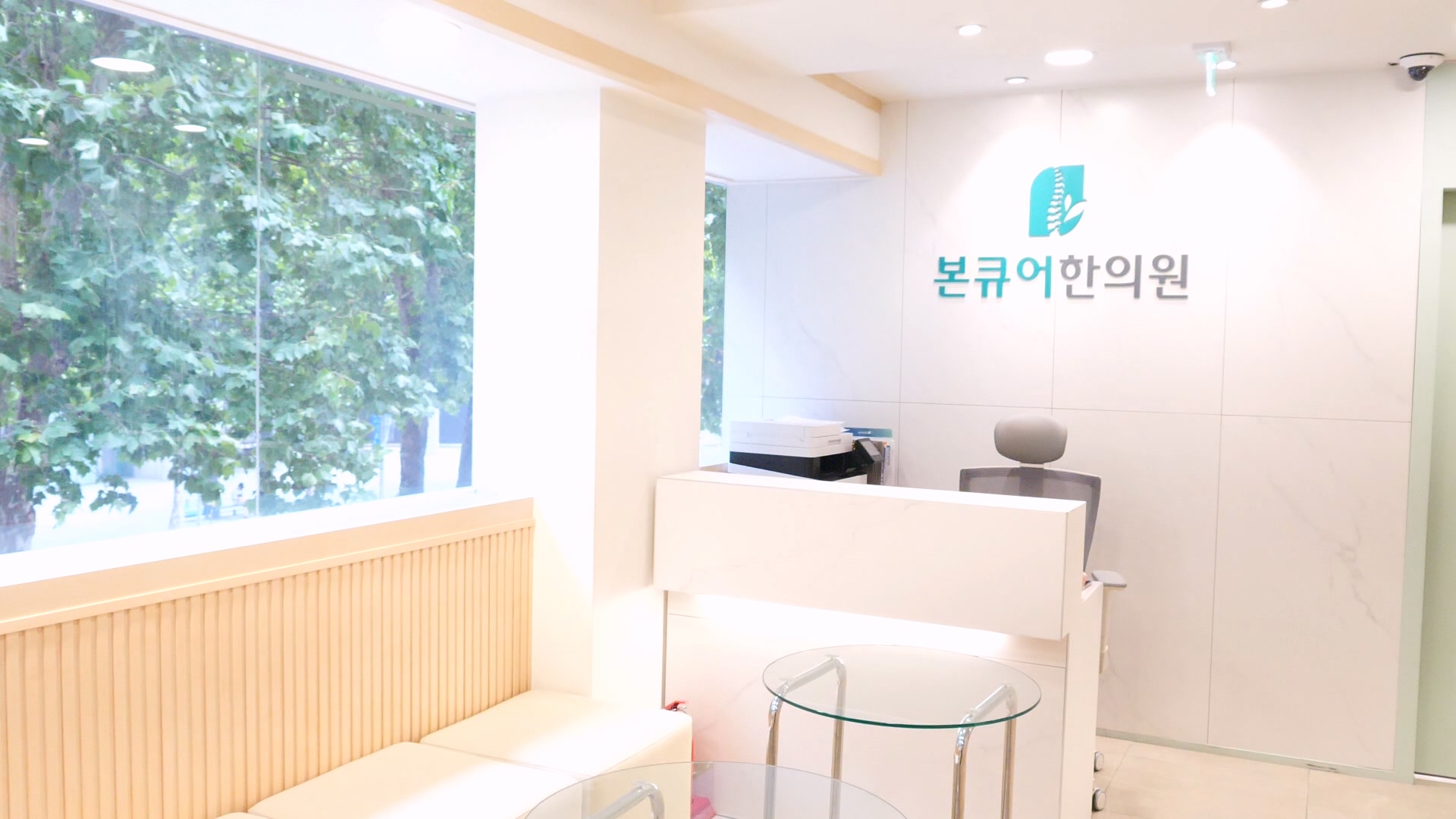
Early panic disorder symptoms refer to the initial physiological and psychological warning signs that the body’s alarm system is overactive. This guide provides a comprehensive overview of how identifying these signs early can lead to effective structural and neurological recovery.
Understanding Early Panic Disorder Symptoms and Physical Manifestations
Early panic disorder symptoms are characterized by sudden, intense physiological responses that often occur without an immediate external threat. These manifestations serve as the body's over-reactive defense mechanism, signaling a state of extreme sympathetic dominance. Recognizing these signs early is crucial because they often precede the full-blown attacks that define the clinical disorder.
Distinguishing Between Anxiety and a Panic Attack
Many patients struggle to differentiate between general anxiety and the onset of early panic disorder symptoms. General anxiety is often a persistent, low-level worry about future events, while a panic attack is a sharp, acute explosion of fear. Physically, panic attacks involve intense heart palpitations, a feeling of being smothered, and an overwhelming sense of impending doom. At Bonecure, we observe that these acute episodes are frequently accompanied by significant muscle guarding in the upper torso and neck. While anxiety may cause a dull ache, panic symptoms often feel like a sudden medical emergency. It is important to note that while these experiences are terrifying, they are physiological expressions of an overloaded nervous system. Early identification allows for intervention before the brain forms a persistent cycle of 'fear of fear.' Understanding this distinction helps patients seek the right structural support to calm their overactive stress response effectively.
The Link Between Spinal Alignment and Nervous System Stability
There is a profound connection between the physical alignment of the spine and the stability of the nervous system in managing early panic disorder symptoms. The spinal column acts as the primary housing for the central nervous system, and any deviation in its structure can place mechanical stress on the nerves. When the thoracic and cervical spine are misaligned, it can trigger the sympathetic nervous system into a state of 'high alert.' Bonecure focuses on how these structural imbalances create a feedback loop of physical tension and mental distress. For instance, a slumped posture or a straightened neck (turtle neck) can compress the areas where the autonomic nerves exit the spine. This compression can lead to 'false' emergency signals, manifesting as the rapid heartbeat and chest tightness associated with panic. By restoring the natural curvature of the spine, we aim to reduce this mechanical irritation, providing a physical foundation for emotional and neurological stability. Structural integrity is often the missing piece in chronic anxiety management.
Autonomic Nervous System Dysfunction as a Root Cause
Autonomic nervous system (ANS) dysfunction is a condition where the involuntary branches of the nervous system fail to maintain internal equilibrium. This imbalance typically involves an overactive sympathetic 'fight-or-flight' response and an underactive parasympathetic 'rest-and-digest' response, which directly contributes to the severity of panic manifestations.
How the Vagus Nerve and Cervical Alignment Influence Panic
The vagus nerve is the main component of the parasympathetic nervous system, responsible for calming the heart and lungs. Its pathway passes closely through the upper cervical spine, making it highly susceptible to structural changes in the neck. If the C1 and C2 vertebrae are misaligned, they can exert pressure on the vagus nerve, inhibiting its ability to signal the body to relax. This interference often results in the persistent high-alert state seen in patients with early panic disorder symptoms. At Bonecure, we focus on realigning these specific cervical segments to ensure the vagus nerve can function without obstruction. When the vagus nerve is free from mechanical stress, it can effectively lower the heart rate and blood pressure, naturally mitigating the intensity of panic-related physiological spikes. Addressing the cervical spine is therefore a direct method of tonifying the body's natural 'brake' system, allowing for a more resilient and balanced response to daily stressors and internal triggers.
Clinical Notes on Anxiety Disorders and Structural States
In our clinical experience at Bonecure, we have documented numerous cases where patients presenting with early panic disorder symptoms also exhibit severe structural stiffness. For example, in our case reports regarding autonomic dysfunction, we often see a correlation between reduced spinal mobility and elevated anxiety scores. When the 'casing' of the nervous system—the spine and its surrounding fascia—becomes rigid, the nerves themselves become hypersensitive. We utilize various assessment tools to track these changes, observing that as physical flexibility in the spine improves, the frequency of panic episodes often decreases. It is important to remember that while structural restoration provides a strong foundation for recovery, individual results may vary based on the chronicity of the condition. Chronic cases may require more intensive care to break long-standing patterns of neural and muscular tension. By documenting these structural states, we provide patients with objective evidence that their mental symptoms have a tangible physical component, which can be addressed through targeted Korean medicine interventions such as Chuna and Acupotomy.
Integrative Approaches for Chronic Panic and Anxiety Relief
Integrative approaches combine structural restoration with traditional therapeutic techniques to address both the physical and neurological aspects of panic. This multi-faceted strategy ensures that the body is not only aligned but also physiologically supported in its transition from a state of alarm to a state of calm.
Acupotomy: Releasing Physical Adhesions to Stabilize the Body
Acupotomy is a specialized form of acupuncture that uses a small, blade-like needle to release chronic adhesions in the soft tissues surrounding the spine. These adhesions often form as a result of long-term stress and poor posture, effectively 'locking' the spine in a state that triggers early panic disorder symptoms. By precisely targeting these tightened areas, Acupotomy can decompress the nerves and improve blood flow to the nervous system. This treatment is particularly effective for those who feel a constant tightness in their chest or throat during anxiety episodes. However, it is essential to disclose that Acupotomy may cause temporary soreness, mild bruising, or minor bleeding at the site of treatment. These are typical responses as the tissue begins its natural healing process. For many, the immediate relief from physical constriction provides a significant breakthrough in their recovery journey. By loosening the physical 'armor' that patients carry, we allow the autonomic nervous system to reset to a more functional, relaxed baseline.
Understanding the Bonecure Approach to Structural Recovery
At Bonecure, our approach focuses on the mechanical relationship between the spine and the autonomic nervous system. By utilizing specialized techniques such as Acupotomy, Chuna, and Pharmacopuncture, we aim to achieve nerve decompression and restore proper spinal alignment. This direct focus on tissue and bone health is designed to restore autonomic balance and provide long-term stability for patients experiencing panic symptoms. It is important to note that while these treatments target the physical foundation of health, potential side effects such as temporary soreness or mild bruising may occur, and results can vary based on individual physical conditions.
Restoring Balance at Bonecure in Cheongdam
Restoring balance at Bonecure involves a personalized approach that views the body as an integrated system where structure dictates function. By focusing on the unique spinal configuration of each patient, we provide tailored care aimed at long-term neurological health and the resolution of early panic disorder symptoms.
Pharmacopuncture and Stress Regulation
Pharmacopuncture therapy at Bonecure is a key component of our integrative approach to stress regulation. This specialized technique involves the application of purified herbal extracts into specific acupoints, which helps to nourish the nervous system and improve systemic circulation. For patients experiencing early panic disorder symptoms, pharmacopuncture can be incredibly grounding. The biochemical stimulation works to calm the sympathetic nervous system, counteracting the constricted state often caused by chronic stress. Improved circulation ensures that the brain and nervous system receive adequate nourishment, further stabilizing mood and physiological responses. At Bonecure, we use pharmacopuncture to complement structural treatments, providing biochemical support that helps the body integrate the changes made during spinal realignment. This therapy is particularly beneficial for those who suffer from persistent physical tension alongside their anxiety, as it addresses the systemic nature of autonomic imbalance, promoting a sense of internal stability and safety.
Long-term Recovery and the 'Bones Smile' Philosophy
The philosophy of Bonecure is summarized in our slogan, "When your bones smile, life smiles." This reflects our belief that true mental and physical health starts with a well-aligned foundation. Long-term recovery from early panic disorder symptoms requires more than just temporary relief; it necessitates a fundamental change in how the body carries itself. By maintaining proper spinal alignment and tissue health, patients can prevent the recurrence of the physical triggers that lead to panic. We provide lifestyle guidance and postural education to ensure that the progress made in the clinic is sustained in daily life. This holistic perspective empowers patients to take charge of their health, moving away from a life dictated by fear and toward one characterized by vitality and ease. While the journey to recovery is unique for everyone, the goal remains the same: a balanced body that allows for a joyful and fearless life. Stabilizing the structure is the first step toward a smile that comes from the very core of your being.
Understanding Autonomic Nervous System Disorder and Structural Recovery in 2026 A 2026 Guide to Managing Autonomic Dysfunction and Anxiety through Structural Realignment at Bonecure A 2026 Clinical Guide to Autonomic Dysfunction and Structural Recovery in Korean Medicine
Frequently Asked Questions
Q. What are the most common early panic disorder symptoms to watch for?
Early signs often include sudden heart palpitations, shortness of breath, a sense of impending doom, and physical tension in the neck and shoulders. At Bonecure, we often find these symptoms correlate with structural misalignments in the cervical or thoracic spine. Recognizing these physical triggers early is the first step toward preventing more severe attacks.
Q. Can acupuncture for back pain actually help with panic disorder symptoms?
Yes, acupuncture helps regulate the autonomic nervous system by reducing physical pain and muscle tension. Stabilizing the spine and surrounding tissues can significantly lower the body's physiological stress response. By calming the body's physical 'high alert' signals, patients often find their mental anxiety decreases as well.
Q. How does Bonecure differ from a standard acupuncture clinic in Seoul?
Bonecure focuses on structural correction through Acupotomy and Chuna therapy. By addressing the physical compression of nerves, we focus on restoring the structural integrity that supports healthy autonomic function. Our approach is evidence-based and focuses on the mechanical relationship between the spine and the brain.
Q. Is pharmacopuncture therapy effective for anxiety and panic?
Pharmacopuncture provides biochemical stimulation through purified herbal extracts that help stabilize the autonomic nervous system. This is essential for managing panic disorder, as it helps the body transition out of a perpetual 'fight-or-flight' state. The treatment helps to ground the patient and restore systemic balance alongside structural corrections.
Q. What is the role of cervical spine health in early panic disorder symptoms?
The cervical spine protects the vagus nerve and major vessels that influence brain health. If the neck is misaligned, it can trigger 'false' emergency signals in the brain, leading to the rapid heartbeat and dizziness associated with panic. Restoring neck alignment is a primary goal in our treatment of anxiety disorders.
Q. Are there any side effects to the treatments provided at Bonecure?
Acupotomy may cause temporary soreness, mild bruising, or minor bleeding at the site of treatment. These are generally short-lived and occur as the tissue begins its natural recovery process. As with any medical procedure, individual results may vary, and we provide thorough consultations to minimize risks.
Q. How many sessions are typically required to see an improvement in panic symptoms?
While some patients experience immediate relief from physical tension, chronic or severe cases of autonomic imbalance usually require a series of treatments to achieve long-term stability. A personalized consultation at Bonecure is necessary to determine the appropriate number of sessions based on your specific structural state and medical history.
Key Takeaways
- Early panic disorder symptoms often have a physical root in spinal misalignment and nerve compression.
- The vagus nerve is a critical link between neck health and emotional calm.
- Bonecure utilizes Acupotomy and Chuna to restore structural integrity and balance the nervous system.
- Integrative therapies like pharmacopuncture provide systemic support for autonomic regulation.
- Long-term recovery is possible through personalized care that focuses on the 'Bones Smile' philosophy.
Treatment outcomes can differ based on the individual's condition. Chronic symptoms may require persistent care. Please consult with our specialists for a detailed diagnosis.
Bonecure / Dr. Song Jeong-hyeon
FAQ
- What are the most common early panic disorder symptoms to watch for?
- Early signs often include sudden heart palpitations, shortness of breath, a sense of impending doom, and physical tension in the neck and shoulders. At Bonecure, we often find these symptoms correlate with structural misalignments in the cervical or thoracic spine. Recognizing these physical triggers early is the first step toward preventing more severe attacks.
- Can acupuncture for back pain actually help with panic disorder symptoms?
- Yes, acupuncture helps regulate the autonomic nervous system by reducing physical pain and muscle tension. Stabilizing the spine and surrounding tissues can significantly lower the body's physiological stress response. By calming the body's physical 'high alert' signals, patients often find their mental anxiety decreases as well.
- How does Bonecure differ from a standard acupuncture clinic in Seoul?
- Bonecure focuses on structural correction through Acupotomy and Chuna therapy. By addressing the physical compression of nerves, we aim to treat the underlying cause of autonomic dysfunction rather than just masking the symptoms. Our approach is evidence-based and focuses on the mechanical relationship between the spine and the brain.
- Is moxibustion therapy in Seoul effective for anxiety and panic?
- Moxibustion therapy provides deep thermal stimulation that improves blood circulation and stabilizes the parasympathetic nervous system. This is essential for managing panic disorder, as it helps the body transition out of a perpetual 'fight-or-flight' state. The warmth helps to ground the patient and restore systemic balance.
- What is the role of cervical spine health in early panic disorder symptoms?
- The cervical spine protects the vagus nerve and major vessels that influence brain health. If the neck is misaligned, it can trigger 'false' emergency signals in the brain, leading to the rapid heartbeat and dizziness associated with panic. Restoring neck alignment is a primary goal in our treatment of anxiety disorders.
- Are there any side effects to the treatments provided at Bonecure?
- Acupotomy may cause temporary soreness, mild bruising, or minor bleeding at the site of treatment. These are generally short-lived and occur as the tissue begins its natural recovery process. As with any medical procedure, individual results may vary, and we provide thorough consultations to minimize risks.
- How many sessions are typically required to see an improvement in panic symptoms?
- While some patients experience immediate relief from physical tension, chronic or severe cases of autonomic imbalance usually require a series of treatments to achieve long-term stability. A personalized consultation at Bonecure is necessary to determine the appropriate number of sessions based on your specific structural state and medical history.