
Post
A 2026 Clinical Guide to Dr. Song Jeong-hyeon's Structural Restoration at Bonecure
Hello, I am Dr. Song Jeong-hyeon, a Korean medicine practitioner who has spent many years specializing in acupotomy to resolve the underlying causes of chronic physical dysfunction.
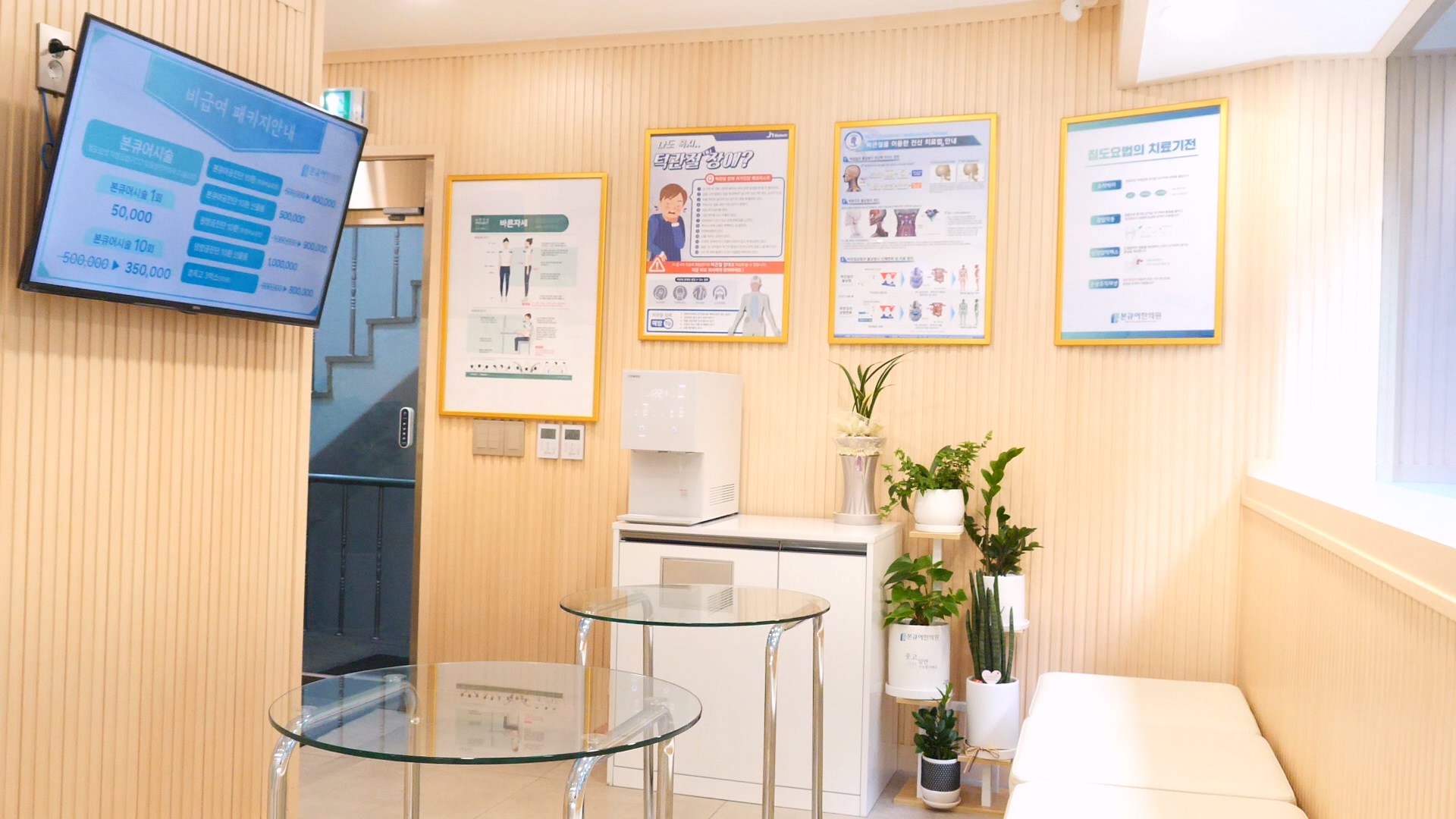
At Bonecure, my clinical philosophy is centered on the belief that a healthy life begins with a balanced skeletal structure, as reflected in our slogan: "When your bones smile, life smiles." This article provides a comprehensive overview of our clinical protocols, specifically focusing on how structural alignment and specialized acupuncture techniques can address complex neuromuscular conditions by targeting the root cause rather than merely suppressing symptoms.
Introduction to Dr. Song Jeong-hyeon's Clinical Philosophy and Bonecure
Structural restoration is the process of realigning the body's skeletal and soft tissue frameworks to facilitate natural healing and optimal physiological function. At Bonecure, we prioritize understanding the intricate relationship between the spine, joints, and the nervous system to deliver sustainable relief for patients suffering from long-term discomfort.
Root Cause Resolution through Structural Alignment
My clinical approach at Bonecure begins with the fundamental principle that most chronic pain stems from structural imbalances that have been left unaddressed for years. When the skeletal framework is misaligned, it places undue stress on the surrounding ligaments and muscles, eventually leading to pathological adhesions and restricted mobility. By focusing on the structural foundation, we aim to restore the body’s innate ability to heal itself. This process requires a deep understanding of biomechanics and how a single deviation in the cervical spine can impact the entire kinetic chain. In my practice, I utilize comprehensive assessments to identify these deviations, ensuring that every intervention is tailored to the patient's unique anatomical needs. While individual results may vary, restoring structural harmony often serves as a significant pathway toward long-term wellness and functional recovery for those who have found little success with conventional symptom management strategies.
The Science Behind Modern Acupuncture Techniques
Modern acupuncture has evolved significantly from its traditional roots, incorporating contemporary anatomical knowledge to address specific pathological tissues. At Bonecure, we utilize advanced techniques that focus on the physical release of fascial adhesions and the stimulation of neurovascular pathways. Unlike traditional methods that may focus solely on meridian points, our modern protocols emphasize the mechanical release of tissues that have become fibrotic due to chronic inflammation or injury. By applying precision-guided needles to these specific areas, we can trigger a localized healing response that promotes tissue regeneration and improves blood circulation. Clinical observations indicate that this targeted approach can be particularly beneficial for patients with stubborn neuromuscular issues. However, it is important to note that these treatments involve specialized tools and require professional clinical expertise to ensure safety. As with any medical procedure, the specific outcomes and the time required for recovery are dependent on the severity of the patient's condition and their overall health profile.
Innovative Treatment Methods at Bonecure Clinic
Bonecure employs a variety of specialized methods designed to release internal tension and correct postural abnormalities. These techniques are grounded in both clinical experience and objective diagnostic data to ensure the highest level of care.
Understanding Acupotomy for Adhesion Release
Acupotomy is a specialized form of acupuncture that utilizes a blade-like needle to physically detach and release adhesions within the soft tissues. In my clinical experience at Bonecure, this method has proven effective for treating conditions where hardened, fibrotic tissues compress nerves or restrict joint movement. By mechanically breaking down these adhesions, we allow for the restoration of normal blood flow and the regeneration of healthy tissue. However, because this procedure involves the physical manipulation of deep tissues, patients may experience localized pain, minor temporary bleeding, or, in very rare instances, infection at the site of treatment. It is common for the treated area to feel sensitive for 24 to 48 hours following the procedure. While many patients report immediate improvements in mobility, chronic or severe cases typically require multiple sessions to achieve significant functional restoration. We always conduct a thorough initial consultation to determine if a patient is a suitable candidate for this intensive structural intervention.
Functional Cerebrospinal Therapy (FCST) Explained
Functional Cerebrospinal Therapy, or FCST, is a sophisticated clinical protocol that focuses on the balance between the temporomandibular joint (TMJ) and the upper cervical spine. At Bonecure, we recognize that the relationship between the jaw and the first two cervical vertebrae is critical for maintaining neurological health and autonomic balance. Any misalignment in this region can lead to a cascade of issues, including chronic headaches, dizziness, and even systemic autonomic dysfunction. By utilizing specialized oral appliances and manual techniques to balance the TMJ, we can indirectly influence the alignment of the cervical spine and the flow of cerebrospinal fluid. This holistic approach helps in calming the nervous system and reducing the mechanical tension that often exacerbates chronic pain conditions. Patients often find that addressing this high-level structural pivot point facilitates faster recovery in other parts of the spine. As always, a professional evaluation is required to assess the specific degree of imbalance and to develop a personalized treatment plan for structural correction.
Understanding Bonecure Clinical Protocols
To better understand the nature of our care, it is helpful to examine the structural restoration protocols we utilize. Our approach focuses on functional-focused interventions that address the body's framework.
| Feature | Bonecure Structural Restoration |
|---|---|
| Primary Goal | Long-term structural realignment |
| Target Tissue | Deep adhesions & skeletal framework |
| Tooling | Acupotomy blades & FCST appliances |
| Diagnostic Focus | Whole-spine X-ray & biomechanics |
| Duration of Effect | Sustained functional improvement |
| Patient Involvement | Active postural maintenance |
Precision Diagnostics and Objective Outcome Measures
At Bonecure, we move beyond subjective reports of pain by incorporating objective metrics to track patient progress. We utilize whole-spine X-ray analysis to visualize structural deviations and monitor improvements in spinal curvature over the course of treatment. Additionally, I employ standardized psychological and functional scales, such as the Beck Anxiety Inventory (BAI) and the Beck Depression Inventory (BDI), to assess the systemic impact of chronic pain and the subsequent improvements in mental well-being as the body heals. For instance, in clinical cases involving autonomic dysregulation, we have observed significant reductions in these scores as structural alignment is restored. These objective measures allow us to refine our protocols and provide patients with clear evidence of their physiological changes. For more information on how we integrate these findings, you may find interest in Korean Medicine Clinical Case Studies: A 2026 Guide to Evidence-Based Restoration or A 2026 Clinical Guide to Selecting a Functional Medicine Clinic in Seoul: The Bonecure Approach to Structural Recovery.
Clinical Insights: Managing Complex Neuromuscular Conditions
My clinical notes include detailed case reports that demonstrate the potential of structural restoration to address conditions that are often considered difficult to treat through conventional means alone.
Case Reports on Spinal Curvature and Tinnitus
One of the most compelling areas of my clinical research involves the relationship between cervical spine alignment and auditory symptoms like tinnitus. Clinical observations suggest that cervical spine alignment can have a positive impact on auditory symptoms. In my clinical experience, patients who undergo a series of sessions focusing on structural restoration and cervical correction have reported improvements in their hearing and a reduction in tinnitus-related distress. While these observations are based on individual clinical cases and do not guarantee the same outcome for all patients, they illustrate the connection between spinal health and sensory function. By correcting the structural deviations in the upper neck, we can reduce the mechanical stress on the nerves associated with the auditory system. This case reinforces the importance of a structural perspective when managing complex, chronic conditions that have not responded to localized treatments. For further reading, please see A 2026 Clinical Guide to Cervical Spine Correction Therapy: Restoring Structural Alignment and Neurological Balance.
Addressing Autonomic Nervous System Dysregulation
Autonomic nervous system (ANS) dysregulation can manifest in various ways, including chronic fatigue, digestive issues, and sleep disturbances. In my practice at Bonecure, I have found that structural imbalances in the spine often act as a constant stressor on the autonomic system, keeping the body in a state of sympathetic dominance. By applying structural correction and acupotomy to release deep-seated tension, we can help transition the body back into a parasympathetic state, which is essential for rest and repair. Clinical tracking has shown that as spinal alignment improves, patients often report a significant reduction in systemic symptoms related to autonomic imbalance. It is important to remember that because these conditions are often chronic, they require a sustained commitment to a series of treatments to achieve a stable rebalancing of the nervous system. The cumulative effect of these sessions is what leads to the gradual restoration of systemic health and vitality, though individual recovery timelines will always vary based on the patient's unique history and condition.
Guidelines for Patients and Safety Considerations
Understanding what to expect during and after treatment is essential for a successful recovery journey. Transparency regarding the clinical process helps patients feel empowered and informed throughout their care.
What to Expect During Your First Acupotomy Session
Your first session at Bonecure will involve a comprehensive structural evaluation followed by your initial treatment. During the acupotomy procedure, you will feel a sensation of pressure or a localized "aching" as the specialized needle interacts with the adhered tissues. While this can be uncomfortable, it is a necessary part of the mechanical release process. Following the treatment, it is normal to experience some soreness, similar to the feeling after an intense workout, which usually subsides within a few days. We advise patients to avoid strenuous physical activity for at least 24 hours after their session to allow the tissues to begin the healing process. As mentioned previously, risks such as minor bleeding or bruising at the site of insertion are possible but typically resolve quickly. Long-term structural health is not achieved overnight; it is a collaborative process that requires both clinical intervention and the patient’s commitment to maintaining proper posture and following recommended recovery protocols to ensure the longevity of the results.
Key Takeaways
- Root Cause Focus: Structural restoration at Bonecure targets deep-seated adhesions and skeletal misalignments rather than just superficial symptoms.
- Advanced Techniques: The use of acupotomy and FCST provides a mechanical approach to releasing tissue tension and balancing the nervous system.
- Objective Monitoring: Treatment progress is tracked using scientific tools like whole-spine X-rays and Beck scales to ensure data-driven results.
- Individualized Care: Every treatment plan is personalized, acknowledging that individual conditions and recovery rates vary significantly.
- Patient Safety: Potential minor side effects like localized soreness or bleeding are managed through professional clinical oversight and clear patient guidelines.
Frequently Asked Questions
Q. Who is Dr. Song Jeong-hyeon and what is his specialty?
Dr. Song Jeong-hyeon is the director of Bonecure Clinic, specializing in structural restoration and advanced acupotomy. He focuses on treating chronic pain and autonomic nervous system disorders by correcting the underlying skeletal and soft tissue imbalances that cause long-term dysfunction.
Q. What is acupotomy and how does it differ from regular acupuncture?
Acupotomy uses a specialized blade-like needle designed to physically detach and release adhesions in deep soft tissues. Unlike traditional acupuncture, which focuses on energetic flow, acupotomy is a mechanical intervention intended to promote tissue regeneration and restore mobility in fibrotic areas.
Q. Are there any side effects to the treatments at Bonecure?
As with any clinical procedure, minor side effects such as localized pain, temporary bleeding, or bruising at the treatment site may occur. In rare cases, infection is possible, which is why we maintain strict clinical hygiene standards and provide clear post-treatment care instructions to all patients.
Q. How many sessions are typically required for chronic conditions?
The number of sessions varies depending on the severity and duration of the condition. While some patients report immediate changes, chronic issues often require a series of 10 to 20 sessions to achieve stable structural restoration. A personalized plan is always established during the initial professional consultation.
Q. Does Dr. Song Jeong-hyeon provide evidence for his treatment efficacy?
Yes, Dr. Song utilizes objective measures such as whole-spine X-rays and standardized psychological scales (Beck-Anxiety/Depression) to track physiological and functional progress. These clinical notes and case reports serve as the foundation for his evidence-based approach to structural health.
Q. Can structural correction help with non-musculoskeletal issues like tinnitus?
Dr. Song has observed clinical cases where correcting cervical spine alignment was associated with improvements in tinnitus and other auditory symptoms. These clinical observations demonstrate the potential link between spinal health and sensory function, though results vary by individual.
Q. What should I do if I want to consult with Dr. Song Jeong-hyeon?
To receive a precise diagnosis and determine if you are a candidate for structural restoration, you should schedule a professional consultation at Bonecure. An expert evaluation is necessary to assess your specific condition and create a safe, effective treatment plan tailored to your needs.
For personalized structural assessment and specialized care, please contact us for a consultation. Bonecure / Dr. Song Jeong-hyeon
FAQ
- Who is Dr. Song Jeong-hyeon and what is his specialty?
- Dr. Song Jeong-hyeon is the director of Bonecure Clinic, specializing in structural restoration and advanced acupotomy. He focuses on treating chronic pain and autonomic nervous system disorders by correcting the underlying skeletal and soft tissue imbalances that cause long-term dysfunction.
- What is acupotomy and how does it differ from regular acupuncture?
- Acupotomy uses a specialized blade-like needle designed to physically detach and release adhesions in deep soft tissues. Unlike traditional acupuncture, which focuses on energetic flow, acupotomy is a mechanical intervention intended to promote tissue regeneration and restore mobility in fibrotic areas.
- Are there any side effects to the treatments at Bonecure?
- As with any clinical procedure, minor side effects such as localized pain, temporary bleeding, or bruising at the treatment site may occur. In rare cases, infection is possible, which is why we maintain strict clinical hygiene standards and provide clear post-treatment care instructions to all patients.
- How many sessions are typically required for chronic conditions?
- The number of sessions varies depending on the severity and duration of the condition. While some patients report immediate changes, chronic issues often require a series of 10 to 20 sessions to achieve stable structural restoration. A personalized plan is always established during the initial professional consultation.
- Does Dr. Song Jeong-hyeon provide evidence for his treatment efficacy?
- Yes, Dr. Song utilizes objective measures such as whole-spine X-rays and standardized psychological scales (Beck-Anxiety/Depression) to track physiological and functional progress. These clinical notes and case reports serve as the foundation for his evidence-based approach to structural health.
- Can structural correction help with non-musculoskeletal issues like tinnitus?
- Dr. Song has documented clinical cases where correcting cervical spine alignment led to significant improvements in tinnitus and other auditory symptoms. For instance, one patient saw their tinnitus score drop from 54 to 2 points after 20 sessions, demonstrating the link between spinal health and sensory function.
- What should I do if I want to consult with Dr. Song Jeong-hyeon?
- To receive a precise diagnosis and determine if you are a candidate for structural restoration, you should schedule a professional consultation at Bonecure. An expert evaluation is necessary to assess your specific condition and create a safe, effective treatment plan tailored to your needs.