
Post
Korean Medicine Clinical Case Studies: A 2026 Guide to Evidence-Based Restoration
Korean medicine clinical case studies represent the systematic documentation of patient outcomes to validate the efficacy of traditional therapies through modern scientific lenses.
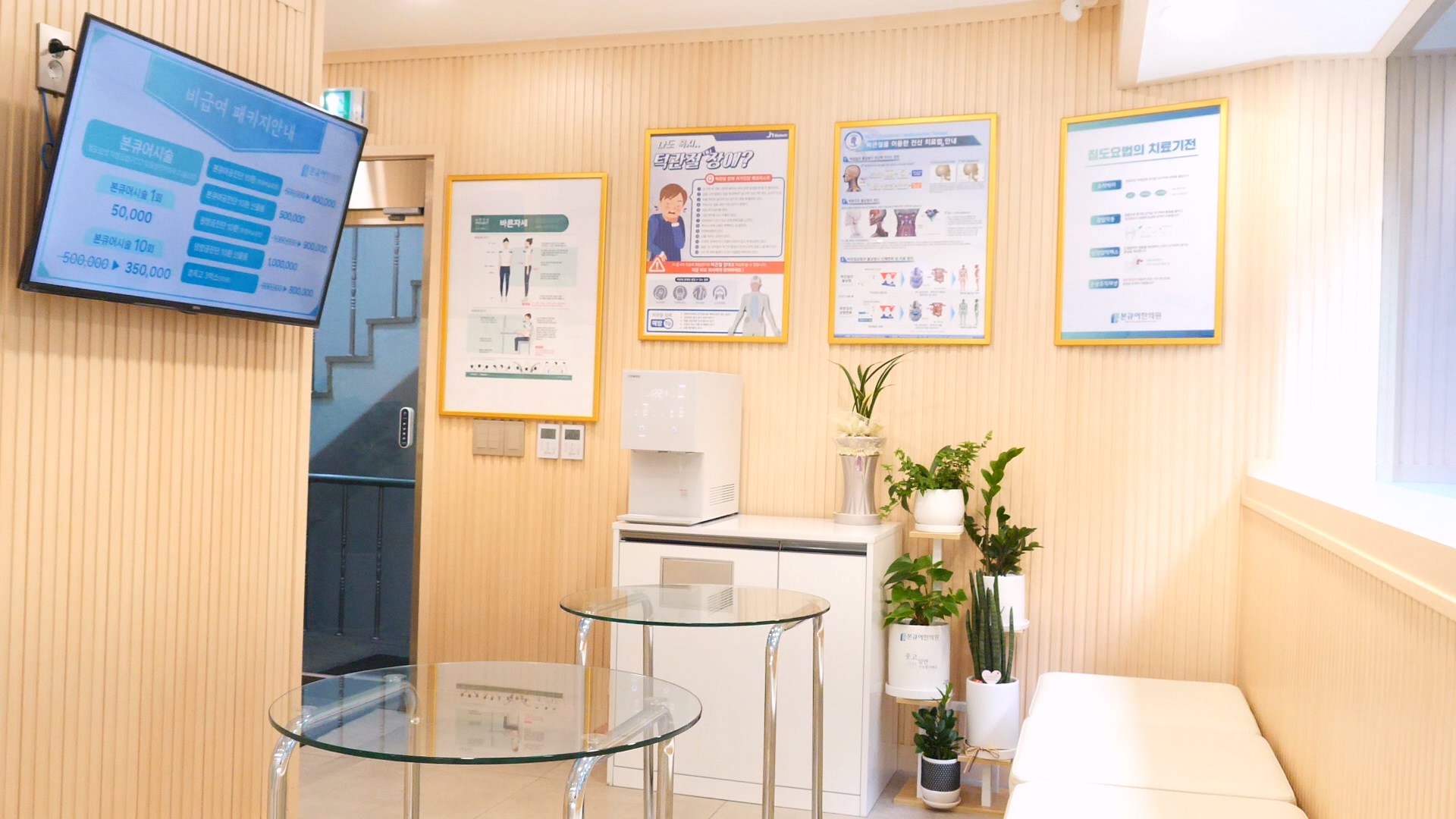
This evidence-first approach allows practitioners to bridge the gap between historical wisdom and contemporary medical standards, offering a transparent view of how structural restoration can support individual recovery. By focusing on root causes rather than temporary symptom relief, these studies highlight the importance of spinal alignment and neurological balance.
Greetings. I am Dr. Song Jung-hyun, a practitioner who has long focused on acupotomy and structural restoration at Bonecure. In this guide, I will share how we utilize clinical data to refine our treatment protocols and why our focus remains on delivering high-impact, efficient care for every individual who walks through our doors.
Understanding Korean Medicine Clinical Case Studies and Evidence-Based Practice
Korean medicine clinical case studies are defined as formal reports that detail the diagnosis, treatment process, and specific outcomes of individual patients within a clinical setting. These documents serve as a vital foundation for evidence-based practice, allowing the medical community to analyze which interventions are most effective for complex conditions like chronic pain, spinal misalignment, and autonomic dysfunction. By documenting objective metrics, we move away from subjective guesses toward a standardized framework that prioritizes patient safety and therapeutic precision.
Defining the Role of Case Reports in Modern Korean Medicine
Case reports function as the primary building blocks of clinical evidence by providing detailed accounts of unique patient responses to specific therapies. In the context of 2026 medical standards, these studies allow us to move beyond anecdotal evidence toward a more rigorous, documented framework. By recording every stage of the patient journey, from initial pulse diagnosis to post-treatment follow-up, we can identify patterns that lead to successful structural recovery. For instance, documenting how a specific patient with 18 years of chronic symptoms responded to specialized care provides invaluable data for future treatments. At Bonecure, these reports are treated as essential tools for continuous improvement. While these studies do not guarantee identical results for every individual, they offer a scientific basis for choosing one protocol over another. This transparency helps patients understand the rationale behind their customized care plans, fostering a deeper sense of trust and clarity during the recovery process. However, it is essential to remember that individual healing rates vary significantly.
How Patient Records Inform Individualized Treatment Plans
Individualized protocols at Bonecure prioritize the unique physiological landscape of every patient, using historical clinical records as a roadmap. Every patient who seeks care brings a distinct medical history, and clinical case studies help us match their symptoms with previously successful interventions. Unlike traditional approaches that may suggest a generic '10-session' requirement, our data-driven model focuses on high-impact, efficient treatments. We utilize focused 10-to-20-minute sessions that aim for immediate structural changes that the patient can feel right away. This approach ensures that we are not simply applying a one-size-fits-all solution but are instead reacting to the specific needs of the body in real-time. While results vary based on the patient's age and lifestyle, using documented case studies as a reference point significantly enhances the precision of our diagnostic and therapeutic strategies during each encounter. This efficiency allows us to address structural issues effectively without unnecessary delays or prolonged treatment cycles, respecting the patient's time and recovery speed.
The Scientific Evolution of Acupuncture and Herbal Research
The evolution of acupuncture and herbal research has shifted significantly toward objective validation through longitudinal clinical studies. In recent years, the integration of advanced diagnostic tools has allowed us to quantify what was once considered purely subjective improvement. Modern research now utilizes standardized scales to measure changes in pain, anxiety, and neurological function. This scientific shift ensures that traditional methods are held to the same rigorous standards as conventional medicine. By publishing case reports in academic journals, practitioners share critical findings regarding the safety and efficacy of specialized needles and herbal formulations. At Bonecure, we actively participate in this culture of research to ensure our methods remain at the forefront of the field. This commitment to science allows us to refine our techniques, such as adjusting the depth of needle insertion or the concentration of herbal extracts, based on proven outcomes rather than tradition alone. This evolution represents a significant milestone in providing safe, effective, and verifiable natural healthcare while maintaining clinical transparency for all stakeholders involved.
Clinical Applications and Treatment Modalities in Contemporary Korean Medicine
Clinical applications in modern Korean medicine involve the strategic use of specialized tools and manual techniques to correct structural imbalances and resolve internal adhesions. These modalities are applied based on a thorough understanding of human anatomy, ensuring that each intervention targets the root cause of discomfort rather than merely suppressing temporary symptoms. By utilizing precise anatomical targeting, we aim for immediate functional improvements.
Acupotomy for Adhesion Release and Tissue Regeneration
At Bonecure, this technique is utilized to physically release thickened or scarred tissues that have adhered to surrounding nerves or muscles, which often restrict movement and cause chronic pain. The procedure involves a specialized blade-like needle designed to perform micro-adhesiolysis within the deep tissue layers. Clinical observations suggest that this mechanical release may stimulate the body’s natural healing response, potentially restoring function to areas that were previously stagnant or restricted. For instance, in a specific case involving 18 years of chronic tinnitus, systematic application of these techniques preceded a notable reduction in symptom intensity. At our clinic, we focus on providing immediate changes rather than prescribing lengthy, mandatory courses of treatment. While many patients report improvements in mobility after just one or two sessions, it is important to note that results depend on individual structural integrity. Possible side effects include temporary site pain, localized swelling, or minor bruising. These risks are carefully managed through sterile procedures and precise anatomical targeting to ensure patient safety and comfort throughout the process.
Chuna manual therapy and Spinal Alignment Corrections
Chuna manual therapy is a sophisticated manipulative technique used to realign the musculoskeletal structure and improve the flow of energy throughout the body. By applying controlled pressure to specific joints and soft tissues, practitioners can correct subluxations that contribute to nerve compression and postural imbalance. Clinical studies have shown that consistent spinal alignment therapy can significantly improve a patient's range of motion and reduce the frequency of tension-related headaches. For example, a patient suffering from severe postural distortion may see visible changes in their whole-spine X-ray after a targeted correction session. This modality is often combined with other restorative therapies to provide a comprehensive approach to structural health. While Chuna is generally considered safe, the intensity of the manual adjustments is always tailored to the individual's bone density and pain tolerance. By focusing on the structural integrity of the spine, we aim to provide a foundation for long-term health and functional vitality, ensuring the body can move with ease and balance. Our goal is always to achieve immediate structural harmony.
Integrating Objective Assessment Tools in Clinical Settings
The clinical environment at Bonecure integrates objective assessment tools to track patient progress with high precision. We utilize advanced technologies, such as whole-spine X-ray imaging and computerized gait analysis, to provide a clear picture of the body's internal state. These tools allow us to move beyond a patient's subjective report of 'feeling better' and instead look at quantifiable data points. For instance, we may track a patient's progress by observing a significant reduction in pain scales on a standardized scale. These scores help quantify the patient's subjective experience during the recovery process. Additionally, psychological inventories like the Beck Depression or Anxiety scales are used to monitor the impact of physical health on mental well-being. By combining these objective metrics with traditional diagnostic methods, we create a comprehensive record of recovery. This evidence-based approach ensures that both the practitioner and the patient have a clear understanding of the treatment's effectiveness, allowing for timely adjustments to the protocol if the data indicates a need for a different strategy. Accurate data remains the cornerstone of our clinic's success.
Comparative Analysis: Traditional Approach vs. Modern Integrative Case Studies
Comparative analysis in Korean medicine involves evaluating the differences between historical diagnostic methods and modern, data-driven integrative approaches. By examining these two paradigms, we can better understand how the inclusion of modern technology enhances the accuracy and reliability of traditional restorative treatments, leading to faster and more predictable clinical outcomes for patients seeking structural relief.
Comparing Diagnostic Precision: Pulse Diagnosis and X-ray Analysis
Traditional pulse diagnosis offers a unique insight into the body's internal balance and autonomic state, while modern X-ray analysis provides a literal view of the skeletal structure. At Bonecure, we believe that integrating these two methods results in a much higher level of diagnostic precision. Pulse diagnosis allows the practitioner to sense subtle changes in blood flow and organ function that imaging might miss, particularly in cases of autonomic nervous system imbalance. Conversely, an X-ray can pinpoint exact vertebrae that are misaligned, providing a clear target for manual correction or acupotomy. By comparing the findings from both methods, we can form a more complete hypothesis about the root cause of a patient's condition. This dual-layered diagnostic process reduces the margin of error and ensures that the treatment plan addresses both the functional and structural aspects of the body. While either method alone has merit, their integration represents the pinnacle of modern Korean medical practice, offering a holistic yet scientifically grounded approach to patient care that prioritizes immediate accuracy and effective results.
Structural Recovery vs. Symptom Management: A Comparative Table
Structural restoration at Bonecure involves a fundamental shift from simply managing pain to actively correcting the underlying structural causes. The following table highlights the differences between these two approaches based on clinical observations.
| Feature | Symptom Management (Traditional) | Structural Recovery (Integrative) |
|---|---|---|
| Primary Goal | Immediate Pain Relief | Long-term Alignment & Function |
| Diagnostic Tools | Visual Inspection & Palpation | X-ray, Pulse Diagnosis, & Digital Scales |
| Treatment Focus | Surface Symptoms & Inflammation | Adhesion Release & Spinal Correction |
| Outcome Measure | Patient Subjective Report | Objective Imaging & Standardized Scores |
| Sustainability | Focuses on immediate relief | Aimed at Sustainable Structural Change |
This comparison demonstrates that while symptom management provides necessary relief, structural recovery focuses on the long-term integrity of the musculoskeletal system. By utilizing modern case study data, we can better predict which patients will benefit most from a structural approach, ensuring that our interventions are both efficient and sustainable over time. Our focus is to deliver structural change that is both visible on imaging and felt by the patient.
Duration of Efficacy Across Chronic and Acute Conditions
The duration of efficacy for Korean medical treatments varies significantly depending on whether the condition is acute or chronic. Clinical data shows that acute injuries, such as recent muscle strains or minor joint sprains, often respond rapidly, with significant relief occurring after a few initial sessions. However, the exact number of treatments depends on the patient's unique physiological response. In contrast to traditional models that demand dozens of sessions, Bonecure prioritizes immediate improvement even in chronic cases like long-standing spinal scoliosis. While the body may need time to stabilize structural changes, we aim to provide impactful results that the patient can perceive during each encounter. The duration of care is tailored to the severity of the condition and the patient's individual healing rate. We emphasize that while immediate relief is a primary goal, the ultimate objective is the maintenance of health through efficient, targeted interventions. Individual factors such as age, nutrition, and daily activity levels also play a critical role in how long the therapeutic effects will last and how quickly the body adapts to its new alignment.
Methodologies for Documenting Reliable Clinical Outcomes
Methodologies for documenting outcomes involve the use of standardized protocols to ensure that all clinical data is collected accurately and ethically. This process is essential for creating reliable case reports that can be used to inform future medical decisions and contribute to the broader body of scientific knowledge, ensuring that the field of Korean medicine remains transparent and verifiable.
Utilizing Standardized Evaluation Scales for Pain and Neurological Symptoms
To ensure that our clinical case studies are objective, we utilize standardized evaluation scales such as the Visual Analog Scale (VAS) for pain and the Beck Anxiety Inventory (BAI) for neurological symptoms. These tools provide a numerical value to a patient's experience, making it easier to track changes over time and compare results across different cases. For example, a patient might start their treatment with a high pain intensity score and, through a series of acupotomy sessions, reach a significantly lower score. These individual outcomes demonstrate the potential for functional recovery, though results are not typical for every patient. By consistently using these scales, we can produce data that is easily understood by other medical professionals and researchers. This standardization is a hallmark of modern evidence-based care at Bonecure. It allows us to demonstrate the tangible benefits of our treatments with clarity and precision. Furthermore, these scales help patients visualize their own progress, which can be a powerful motivator. The use of these metrics ensures that every clinical success is documented with scientific integrity and total transparency.
The Importance of Longitudinal Patient Follow-ups in Case Reports
Longitudinal follow-ups are crucial for determining the long-term sustainability of clinical outcomes. A case study is not complete once the final treatment session ends; rather, it requires monitoring the patient over months or even years to see if the improvements hold. This data is essential for understanding the recurrence rates of certain conditions and the necessity of maintenance care. For instance, following a patient who underwent spinal correction for a year allows us to see if their improved posture persists through their daily work routine. At Bonecure, we encourage patients to return for periodic check-ups, which allows us to add valuable long-term data to our clinical records. These follow-ups often reveal that patients who maintain their structural alignment through exercise and ergonomic adjustments have much higher rates of long-term success. By documenting these patterns, we can provide better lifestyle advice to future patients, ensuring that the benefits of their treatment are preserved for as long as possible. This commitment to long-term tracking distinguishes high-quality clinical research from simple success stories and ensures our protocols remain effective.
Identifying Material Risks and Patient Safety Protocols
Identifying and disclosing material risks is a fundamental part of our clinical methodology and ethical responsibility. Every medical intervention carries some level of risk, and Korean medicine is no exception. In our case reports, we meticulously document any adverse reactions, no matter how minor, to ensure a complete and honest representation of the treatment. Common risks associated with deep tissue work like acupotomy include temporary soreness at the site, minor localized bleeding, or very rarely, infection if post-care instructions are not followed. By maintaining strict sterile protocols and using single-use needles, we minimize these risks significantly. At Bonecure, we provide every patient with a detailed explanation of what to expect during and after their procedure. This includes the possibility that individual responses to treatment can vary and that severe cases might benefit from multiple targeted sessions. By being transparent about the limitations and potential side effects of our work, we empower patients to make informed decisions about their health. This culture of safety and honesty is essential for the continued advancement of integrative medicine and patient trust.
For more information on how these methods are applied in practice, you may find these clinical overviews helpful:
- A 2026 Clinical Overview of Oriental Medical Doctor Treatment Notes: The Evidence-First Approach at Bonecure
- A 2026 Clinical Guide to Dr. Song Jung-hyun's Structural Restoration at Bonecure
Key Takeaways
- Clinical case studies provide scientific evidence by documenting real-world patient outcomes and treatment protocols.
- Acupotomy and Chuna therapy at Bonecure focus on efficient, 10-to-20-minute sessions aimed at immediate structural improvement.
- Objective assessment tools, such as X-rays and standardized pain scales, ensure that patient progress is quantifiable and verifiable.
- Longitudinal follow-ups are necessary to confirm the long-term sustainability of structural restoration and identify recurrence patterns.
- Transparency regarding material risks, such as temporary site pain or bruising, is a core component of evidence-first patient care.
Frequently Asked Questions
Q. What is the primary purpose of Korean medicine clinical case studies?
Clinical case studies are designed to document specific patient outcomes to provide scientific evidence for the efficacy of treatments like acupotomy and spinal correction. These reports help practitioners refine individualized protocols based on real-world results, moving beyond tradition to a more evidence-based model of care. They serve as a vital tool for academic sharing and continuous clinical improvement within the medical community.
Q. How do clinical case studies ensure the privacy of the patients involved?
All case reports published by modern clinics follow strict anonymization protocols in accordance with privacy and HIPAA standards. This means all identifiable personal information is removed, and general descriptors are used to protect patient confidentiality. We only share clinical details that are necessary to understand the medical progression and treatment efficacy, ensuring that patient identity remains fully protected.
Q. Can the results from a single case study be applied to every patient?
No, results from a single clinical case study represent the specific outcomes for one individual and should not be taken as a guarantee for others. Because every person's physiological response, age, and medical history are unique, the results seen in one report may differ for another patient. These studies are intended to show potential possibilities and guide treatment strategies rather than promise identical outcomes.
Q. What are the common side effects mentioned in acupotomy case reports?
Documented side effects in case reports often include temporary site pain, minor bruising, or localized swelling at the treatment area. These are typically mild and resolve within a few days as the body begins the healing process. While rare, more serious risks like infection are minimized through strict sterile procedures and the use of single-use, disposable medical equipment.
Q. How is the success of a treatment measured in these clinical studies?
Practitioners use a combination of objective tools, such as whole-spine X-ray imaging, to track structural changes and standardized evaluation scales for subjective symptoms. For example, the Beck Depression and Anxiety Inventories or numerical pain scales are used to measure improvement before and after the intervention. This multi-layered approach provides a clear and quantifiable record of the patient's recovery journey.
Q. Does Bonecure require a fixed 10-session course for every patient?
No. Unlike some clinics that mandate a specific number of visits, Bonecure focuses on providing immediate improvement that patients can feel from the very first session. Our clinical system is designed for high efficiency, typically involving intensive 10-to-20-minute treatments. While severe chronic conditions may benefit from multiple visits, we do not follow a rigid '10-session' rule; instead, we adjust the plan based on the immediate structural changes observed in the patient.
Q. Are these clinical studies peer-reviewed or published in journals?
Yes, many clinical case studies in Korean medicine, particularly those regarding spinal disorders and chronic conditions, are published in peer-reviewed academic journals. Sharing these findings allows the broader medical community to evaluate the evidence and integrate successful protocols into their own practices. This commitment to publishing ensures that the field continues to evolve based on verified scientific data.
For consultations and medical inquiries, please contact Bonecure Korean Medicine Clinic.
Bonecure / Song Jung-hyun
FAQ
- What is the primary purpose of Korean medicine clinical case studies?
- Clinical case studies are designed to document specific patient outcomes to provide scientific evidence for the efficacy of treatments like acupotomy and spinal correction. These reports help practitioners refine individualized protocols based on real-world results, moving beyond tradition to a more evidence-based model of care. They serve as a vital tool for academic sharing and continuous clinical improvement within the medical community.
- How do clinical case studies ensure the privacy of the patients involved?
- All case reports published by modern clinics follow strict anonymization protocols in accordance with privacy and HIPAA standards. This means all identifiable personal information is removed, and general descriptors are used to protect patient confidentiality. We only share clinical details that are necessary to understand the medical progression and treatment efficacy, ensuring that patient identity remains fully protected.
- Can the results from a single case study be applied to every patient?
- No, results from a single clinical case study represent the specific outcomes for one individual and should not be taken as a guarantee for others. Because every person's physiological response, age, and medical history are unique, the results seen in one report may differ for another patient. These studies are intended to show potential possibilities and guide treatment strategies rather than promise identical outcomes.
- What are the common side effects mentioned in acupotomy case reports?
- Documented side effects in case reports often include temporary site pain, minor bruising, or localized swelling at the treatment area. These are typically mild and resolve within a few days as the body begins the healing process. While rare, more serious risks like infection are minimized through strict sterile procedures and the use of single-use, disposable medical equipment.
- How is the success of a treatment measured in these clinical studies?
- Practitioners use a combination of objective tools, such as whole-spine X-ray imaging, to track structural changes and standardized evaluation scales for subjective symptoms. For example, the Beck Depression and Anxiety Inventories or numerical pain scales are used to measure improvement before and after the intervention. This multi-layered approach provides a clear and quantifiable record of the patient's recovery journey.
- Why is the duration of treatment different across various case studies?
- Treatment length is determined by the severity and chronicity of the individual's condition as documented in their medical history. Acute injuries may resolve in a few sessions, whereas chronic or complex musculoskeletal issues often require a series of 10 to 20 sessions to achieve sustainable structural restoration. The body needs time to adapt to structural changes, making consistency a key factor in long-term success.
- Are these clinical studies peer-reviewed or published in journals?
- Yes, many clinical case studies in Korean medicine, particularly those regarding spinal disorders and chronic conditions like tinnitus, are published in peer-reviewed academic journals. Sharing these findings allows the broader medical community to evaluate the evidence and integrate successful protocols into their own practices. This commitment to publishing ensures that the field continues to evolve based on verified scientific data.