
Post
A 2026 Clinical Guide to Selecting a Functional Medicine Clinic in Seoul: The Bonecure Approach to Structural Recovery
Greetings. I am Dr. Song Jung-hyun, a practitioner who has long focused on acupotomy as a primary therapeutic tool. A functional medicine clinic in Seoul is a healthcare facility dedicated to identifying the biological and structural root causes of disease through a patient-centered, holistic framework.
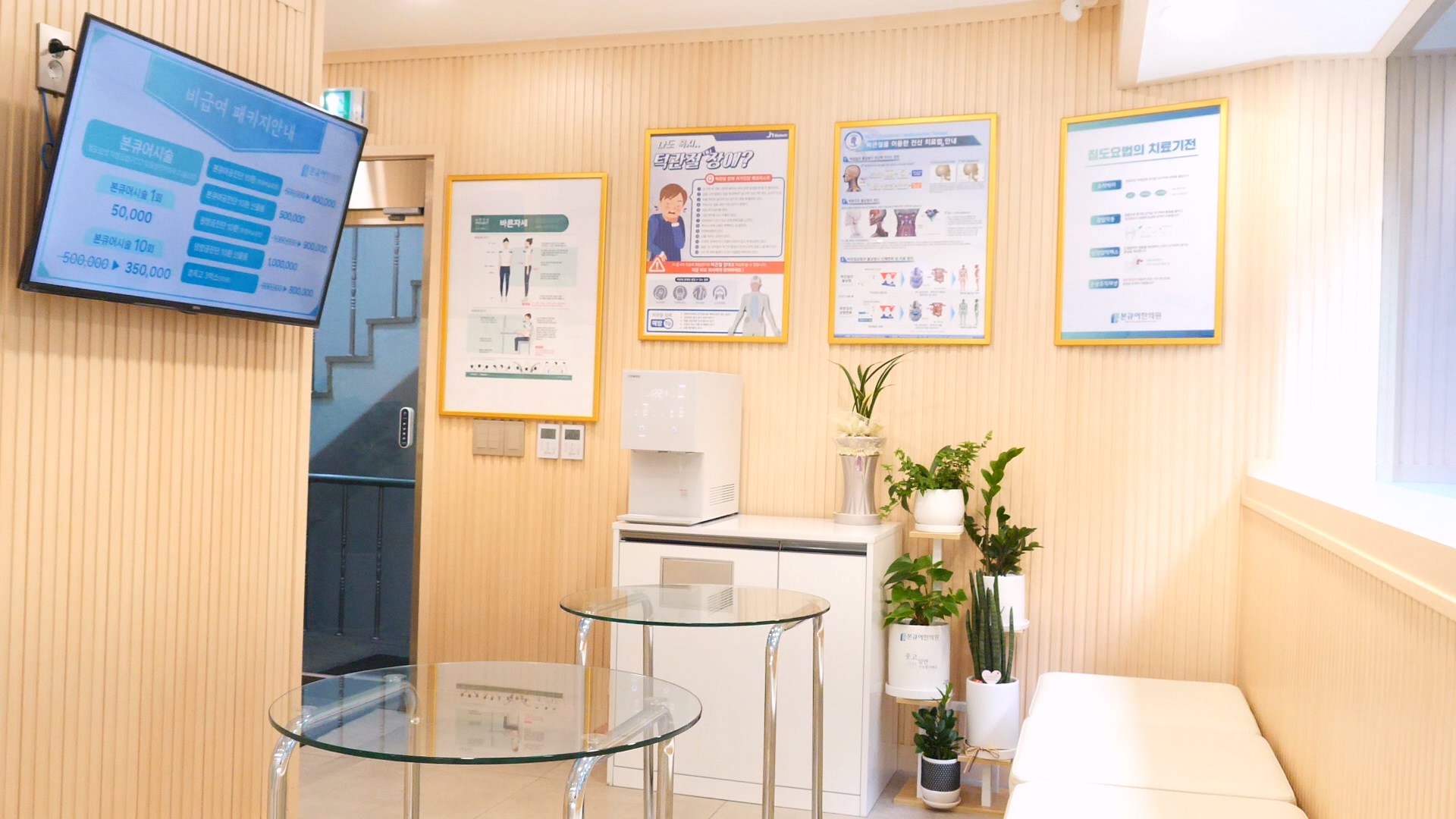
In this guide, I will share how we integrate structural restoration with metabolic balance to support your long-term wellness. non-invasive spine therapy remains a cornerstone of our practice at Bonecure.
Understanding Functional Medicine in Seoul: A Patient-Centered Approach
A functional medicine clinic in Seoul represents a shift from reactive care to proactive, root-cause identification by examining the complex web of interactions within a patient's history, physiology, and lifestyle. This approach seeks to understand why a symptom exists rather than simply suppressing it with temporary measures.
What Defines a Functional Medicine Clinic in Seoul?
Selecting a functional medicine clinic in Seoul requires an understanding of how modern diagnostics merge with individualized care protocols. In the current 2026 medical landscape, a significant number of patients seeking integrative care do so because conventional symptom management has not provided lasting relief for chronic issues. These clinics prioritize the endocrine, immune, and gastrointestinal systems while acknowledging that the musculoskeletal framework plays a vital role in overall health. By spending significant time on initial consultations, practitioners can map out a timeline of health triggers. At Bonecure, we believe that understanding a patient's unique biological terrain is essential for creating a sustainable recovery plan. This evidence-first methodology ensures that every intervention is tailored to the specific metabolic and structural needs of the individual. Our goal is to empower patients through education and targeted therapies that promote systemic resilience and long-term vitality across all physiological functions.
How Bonecure Integrates Structural Correction with Functional Recovery
At Bonecure, we view the human body as an architectural masterpiece where structural integrity directly influences internal function. We integrate advanced structural restoration techniques with functional medicine principles to ensure that the nervous system can communicate effectively with every organ. Clinical observations suggest that structural misalignments in the spine can significantly impact autonomic nerve signaling and overall physical comfort. By combining acupotomy with precise spinal adjustments, we address the physical barriers that prevent the body from healing itself. Our practitioners focus on the synergy between the spine and the autonomic nervous system to resolve symptoms like chronic fatigue and digestive distress. This dual approach ensures that while we are correcting the physical alignment, we are also optimizing the internal environment. By stabilizing the structural foundation, we create a conducive environment for metabolic processes to normalize, leading to a more comprehensive and enduring recovery for our diverse patient population.
The Core Value of Root-Cause Treatment vs Symptom Suppression
The fundamental difference between conventional care and our approach lies in the commitment to root-cause resolution rather than mere symptom suppression. Many patients arrive at Bonecure after years of managing pain with temporary solutions that fail to address the underlying tissue adhesions or structural misalignments. Clinical experience suggests that a significant portion of chronic pain cases involve some level of myofascial adhesion that conventional imaging might overlook. By focusing on these hidden stressors, we aim to provide long-term structural stability that supports the body's natural state of equilibrium. Individual results may vary depending on the patient's condition and adherence to the care plan. We utilize objective assessment tools to track progress, ensuring that our treatments result in measurable physiological changes. This philosophy moves beyond the "quick fix" mentality, instead investing in the patient's long-term health trajectory. By addressing the source of the imbalance, we minimize the risk of recurrence and help patients regain the freedom to move and live without the constant burden of chronic discomfort.
The Bonecure Methodology: From Structural Alignment to Vitality
The Bonecure methodology is a structured clinical process that focuses on releasing physical obstructions and realigning the skeletal framework to restore optimal physiological flow. This system emphasizes the restoration of tissue health and joint mobility as the primary drivers of internal systemic recovery.
Acupotomy: Releasing Adhesion for Tissue Regeneration
Acupotomy is a specialized therapeutic technique that utilizes a blade-like needle to physically release stubborn tissue adhesions and fibrotic changes within the musculoskeletal system. This procedure is essential for patients who suffer from chronic stiffness where standard acupuncture may not suffice. By precisely targeting and breaking down these adhesions, we stimulate the body's natural regenerative mechanisms, allowing for the restoration of normal blood flow and nerve conduction. While the procedure may involve temporary discomfort or localized pressure, many patients report a significant reduction in chronic tension shortly after the session. However, it is important to note that potential side effects can include localized pain, minor bleeding, or bruising, and in rare cases, infection. Results are not guaranteed and vary significantly depending on the individual's condition. By resolving these physical blockages, Bonecure helps patients transition from a state of chronic restriction to one of fluid, pain-free movement and improved overall structural health.
Chuna Manual Therapy and Spinal Realignment Techniques
Chuna manual therapy is a sophisticated form of structural manipulation that focuses on realigning the joints and balancing the tension within the soft tissues. At Bonecure, we utilize this technique to correct pelvic tilts, scoliosis, and cervical misalignments that contribute to systemic dysfunction. Our approach focuses on measurable improvements in spinal alignment as verified through X-ray analysis and postural assessments throughout the treatment course. This method is not merely about "cracking" joints but involves a precise, diagnostic-led adjustment of the entire kinetic chain. By restoring the natural curves of the spine, we alleviate the mechanical stress on the intervertebral discs and the surrounding musculature. This realignment is crucial for maintaining the health of the central nervous system, which resides within the spinal column. Through these targeted interventions, we help patients achieve a state of physical balance that supports both their mobility and their internal metabolic functions, fostering a sense of total wellness.
Scientific Verification through Objective Assessment Scales
To ensure the highest standards of care, Bonecure employs rigorous scientific verification through the use of standardized objective assessment scales. We monitor neurological and psychological health using tools such as the Beck Depression Inventory and the Beck Anxiety Inventory. In specific clinical case reports, we have observed significant improvements in these objective assessment scales following integrated treatment, though these results are specific to those cases and do not guarantee the same outcome for every patient. Furthermore, Whole Spine X-ray analysis allows us to visualize structural changes in real-time, providing concrete evidence of alignment improvements. These metrics move our practice beyond subjective reporting, allowing both the practitioner and the patient to see the tangible results of the therapy. By quantifying progress, we can refine our treatment plans to maximize efficacy for each individual. This data-driven approach is a hallmark of a modern functional medicine clinic in Seoul, ensuring that every patient receives evidence-based care. While these case reports highlight significant improvements, we emphasize that individual results may vary and that consistent follow-up is necessary for maintaining these clinical gains.
Comparing Conventional Treatments and Bonecure Functional Medicine
Comparing different healthcare models allows patients to make informed decisions about their recovery journey by understanding the specific goals and methods used in each approach. This comparison highlights the unique value proposition of structural and functional integration.
| Feature | Conventional Treatment | Bonecure Functional Medicine |
|---|---|---|
| Primary Goal | Symptom management/Pain relief | Root-cause resolution/Structural restoration |
| Diagnostic Focus | Localized imaging/Blood work | Whole spine X-ray/Autonomic balance/Lifestyle |
| Methodology | Medication/General physical therapy | Acupotomy/Chuna/Metabolic optimization |
| Patient Involvement | Passive recipient | Active partner in recovery |
| Outcome Focus | Short-term relief | Long-term vitality and structural integrity |
Addressing Chronic Conditions: Tinnitus, Dizziness, and Autonomic Dysfunction
Chronic conditions such as tinnitus, dizziness, and autonomic dysfunction often stem from complex interactions between structural misalignments and nervous system imbalances. In our clinical experience at Bonecure, we have observed that many patients with long-term tinnitus, some suffering for over 18 years, show significant improvement when the cervical spine is properly aligned. These conditions are frequently linked to poor circulation and nerve compression caused by a "forward head" posture or restricted neck mobility. By utilizing acupotomy to release the deep muscles of the neck and Chuna to restore the cervical curve, we can often alleviate the pressure on the vestibulocochlear nerve. A significant number of patients with dizziness have found relief through specialized structural correction focused on the upper cervical region. However, these are complex neurological symptoms that require a detailed consultation to determine the appropriate course of action. We focus on stabilizing the autonomic nervous system, which helps reduce the body's stress response and promotes a state of internal calm and balance.
Why Structural Integrity Matters for Long-Term Internal Health
Structural integrity is the silent foundation of internal health, as the alignment of the skeleton determines the space available for organs to function and nerves to signal. A misaligned spine can lead to chronic inflammation and oxidative stress, which are the precursors to many functional illnesses. At Bonecure, we emphasize that a healthy spine is a prerequisite for a healthy metabolism. When the rib cage is compressed or the pelvis is tilted, it can physically interfere with digestive processes and respiratory efficiency. By maintaining a correctly aligned frame, we reduce the energetic cost of movement and posture, allowing the body to redirect that energy toward healing and maintenance. Our approach at this functional medicine clinic in Seoul focuses on building a resilient structure that can withstand the stressors of modern life. structural restoration is therefore not just about pain relief but about creating a robust physical vessel that supports every aspect of human health, from hormonal balance to immune response.
Clinical Observations and Evidence-Based Care Pathways
Clinical observations and evidence-based care pathways provide a roadmap for recovery based on successful patient outcomes and established medical protocols. These pathways ensure that each patient follows a logical and effective progression toward health.
Documented Improvements in Spinal Curvature and Nervous System Balance
Documented improvements in spinal curvature serve as a primary indicator of successful structural intervention at Bonecure. Through the systematic application of our protocols, we have recorded numerous instances where idiopathic scoliosis and kyphosis have shown measurable correction in follow-up X-rays. These structural changes are often accompanied by improvements in nervous system balance, as measured by heart rate variability and other autonomic markers. For example, some patients exhibit a more stable heart rate and improved sleep quality as their structural alignment stabilizes. This correlation suggests that as the physical structure improves, the body's internal regulatory systems also become more efficient. By tracking these changes meticulously, we provide our patients with a clear understanding of their progress. It is this combination of visual and physiological data that reinforces the validity of our integrative wellness consultation and the subsequent treatment plans we develop for our patients.
Individual Case Insights: From Acute Pain to Chronic Syndrome Management
Individual case insights at Bonecure reveal the versatility of functional medicine in treating everything from acute injuries to complex chronic syndromes. We have treated international patients who required urgent care for debilitating back pain; while individual results vary, many patients experience significant symptom changes even in early sessions. Unlike clinics that mandate long-term treatment packages, Bonecure focuses on essential, high-impact treatments aimed at immediate structural improvement and relief. Each case provides valuable data that informs our future clinical decisions. For instance, we have observed cases where chronic digestive issues improved after lumbar correction, highlighting the systemic effects of spinal health. These insights remind us that every patient is a unique puzzle requiring a tailored combination of acupotomy, Chuna, and functional support. While these specific cases demonstrate the potential for recovery, we always advise that the healing process depends on the individual's age, chronicity, and adherence to lifestyle recommendations.
Patient Considerations: Understanding the Healing Process and Safety
Understanding the healing process and safety is paramount for any patient embarking on a journey at a functional medicine clinic in Seoul. Recovery is often a gradual process that involves phases of acute relief followed by structural stabilization and, eventually, functional optimization. At Bonecure, we prioritize patient safety by conducting thorough pre-treatment screenings to identify any contraindications for acupotomy or manual manipulation. Patients should be aware that the release of long-standing adhesions can sometimes lead to a temporary "healing crisis" where symptoms may slightly flare before significant improvement occurs. We encourage open communication throughout the treatment course to ensure that the intensity of the therapy matches the patient's comfort level and physical capacity. Furthermore, we must state that while our methods are based on clinical case reports, they are not a substitute for emergency medical care. Each individual must weigh the potential benefits against the minor risks of soreness or bruising. Our commitment is to provide a transparent, safe, and effective environment where patients can confidently work toward their health goals.
Key Takeaways
- Bonecure integrates structural realignment with functional medicine to address the root causes of chronic pain and autonomic imbalances.
- Acupotomy is a primary technique used to release deep tissue adhesions and improve nerve conduction, with minor side effects like bruising possible.
- Objective metrics, including X-rays and standardized psychological scales, are used to track and verify the effectiveness of treatment progress.
- Spinal health is intrinsically linked to internal organ function and the balance of the autonomic nervous system.
- Treatment plans are efficient and personalized, focusing on immediate improvement rather than unnecessary long-term packages.
Frequently Asked Questions
Q. What should I expect during my first visit to a functional medicine clinic in Seoul?
During your first visit to Bonecure, we conduct a comprehensive assessment of your spinal alignment and autonomic nervous system. This involves examining your structural balance and internal health indicators to identify the root cause of your symptoms, rather than just addressing the immediate pain. We will discuss your medical history in detail to create a personalized recovery map.
Q. Is Acupotomy treatment painful, and what are the potential risks?
Acupotomy uses a specialized blade-like needle to release tissue adhesions. While some patients may feel temporary discomfort or pressure during the procedure, it is designed for relief by addressing the source of tension. Minor side effects such as localized pain, temporary bleeding, or bruising may occur, and in rare cases, infection is possible. Results vary by individual.
Q. How many sessions are typically required for chronic conditions?
The duration of treatment depends on the severity and chronicity of the condition. While some patients report immediate improvements in mobility and symptoms, Bonecure avoids arbitrary long-term packages. We focus on providing the most essential and impactful care in every session, monitoring progress through objective scales to ensure effectiveness.
Q. Does Bonecure provide treatment for international patients in Seoul?
Yes, we treat many international patients, including those who need urgent care. Our clinic focuses on efficient, root-cause treatments that provide significant structural and functional improvements, helping patients return to their daily lives or travel plans. We offer consultations that consider the limited time some travelers may have.
Q. How does spinal alignment affect the autonomic nervous system?
The spine houses the central nervous system, which controls all involuntary functions. Structural imbalances like a misaligned neck or back can interfere with nerve signals, potentially leading to symptoms like dizziness, indigestion, and anxiety. By correcting these structural issues through Chuna and acupotomy, we aim to restore balance to the autonomic nervous system.
Q. Are the results of these treatments scientifically proven?
Our approach is based on clinical case reports and objective data, including Whole Spine X-ray analysis and standardized scales like the Beck Depression Inventory. While these reports show significant improvements for specific patients, results are not guaranteed for every individual. We use these tools to ensure our care pathways are evidence-based.
Q. Can functional medicine help with persistent tinnitus or Meniere's disease?
We have observed cases where structural correction and acupotomy have helped patients with long-term tinnitus and Meniere's-like symptoms by improving circulation and nerve function in the upper cervical region. However, as these are complex conditions, a detailed consultation is necessary to determine if you are a suitable candidate. Individual outcomes vary.
If you are seeking a deeper understanding of your health and a path toward structural restoration, I invite you to visit us for a consultation. At Bonecure, we are dedicated to helping your body regain its natural balance.
Bonecure / Dr. Song Jung-hyun
FAQ
- What should I expect during my first visit to a functional medicine clinic in Seoul?
- During your first visit to Bonecure, we conduct a comprehensive assessment of your spinal alignment and autonomic nervous system. This involves examining your structural balance and internal health indicators to identify the root cause of your symptoms, rather than just addressing the immediate pain. We will discuss your medical history in detail to create a personalized recovery map.
- Is Acupotomy treatment painful, and what are the potential risks?
- Acupotomy uses a specialized blade-like needle to release tissue adhesions. While some patients may feel temporary discomfort or pressure during the procedure, it is designed for rapid relief by addressing the source of tension. Minor side effects such as localized pain, temporary bleeding, or bruising may occur, and in rare cases, infection is possible. Results vary by individual.
- How many sessions are typically required for chronic conditions?
- The duration of treatment depends on the severity and chronicity of the condition. While some patients report immediate improvements in mobility, chronic or severe cases like scoliosis or long-term tinnitus often require 15 to 20 sessions for stable recovery. Each patient's progress is monitored through objective scales to ensure the treatment is effective.
- Does Bonecure provide treatment for international patients in Seoul?
- Yes, we treat many international patients, including those who need urgent care before traveling. Our clinic focuses on efficient, root-cause treatments that provide significant structural and functional improvements, helping patients return to their daily lives or travel plans quickly. We offer consultations that consider the limited time some travelers may have.
- How does spinal alignment affect the autonomic nervous system?
- The spine houses the central nervous system, which controls all involuntary functions. Structural imbalances like a misaligned neck or back can interfere with nerve signals, leading to symptoms like dizziness, indigestion, and anxiety. By correcting these structural issues through Chuna and acupotomy, we restore balance to the autonomic nervous system and improve internal health.
- Are the results of these treatments scientifically proven?
- Our approach is based on clinical case reports and objective data, including Whole Spine X-ray analysis and standardized psychological scales like the Beck Depression Inventory. While these reports show significant improvements for specific patients, results are not guaranteed for every individual. We use these tools to ensure our care pathways are evidence-based and measurable.
- Can functional medicine help with persistent tinnitus or Meniere's disease?
- We have observed cases where structural correction and acupotomy have helped patients with long-term tinnitus and Meniere's-like symptoms by improving circulation and nerve function in the upper cervical region. However, as these are complex conditions, a detailed consultation is necessary to determine if you are a suitable candidate for this treatment. Individual outcomes will vary.