
Post
A 2026 Guide to the Integrative Wellness Consultation: Understanding Structural Restoration and Autonomic Balance
Hello. I am Dr. Jung-hyun Song, a Korean medicine doctor who has focused primarily on acupotomy for a long time. An integrative wellness consultation in my practice is a comprehensive clinical assessment that evaluates the profound connection between musculoskeletal alignment, autonomic nervous system function, and overall systemic health. By examining the body as an interconnected structural unit, I aim to identify the underlying root causes of chronic pain and functional imbalance. At Bonecure, this personalized diagnostic experience provides you with a clear, evidence-based pathway toward sustainable structural restoration and long-term vitality.
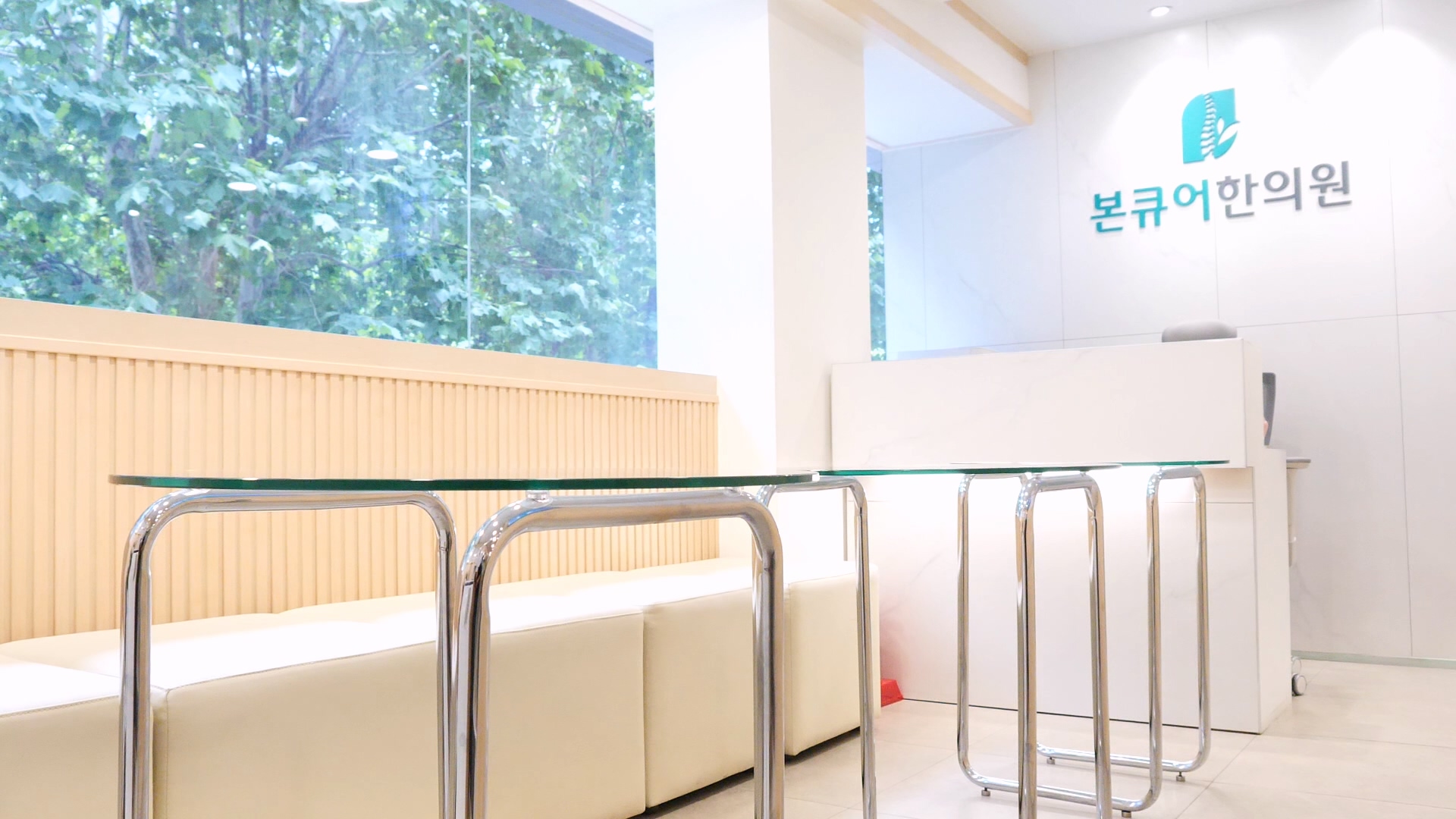
Understanding the Integrative Wellness Consultation at Bonecure
An integrative wellness consultation at Bonecure represents a specialized clinical framework where structural alignment and internal physiological balance are analyzed simultaneously to identify root pathomechanics. This comprehensive diagnostic session focuses on how spinal deviations, joint misalignments, and soft tissue restrictions impact both physical movement and autonomic nervous system regulation.
Defining the Holistic Framework of Structural Care
A holistic framework of structural care assumes that the human body functions as an integrated kinetic chain where structural deviations in one region inevitably induce compensatory pathologies elsewhere. During an integrative wellness consultation, we meticulously evaluate the entire musculoskeletal framework from the cervical spine down to the pelvic foundation to map out these complex biomechanical compensations. This deep diagnostic approach allows us to look beyond localized discomfort and address the macro-structural imbalances that frequently contribute to chronic structural fatigue, tension headaches, and persistent neuro-musculoskeletal dysfunction. By integrating traditional structural insights with contemporary anatomical science, this framework establishes a baseline for restoring the natural equilibrium of the body. Patients receive a highly individualized assessment that connects their daily postural habits, movement restrictions, and spinal alignment with their overall physical well-being. This structural clarity serves as the foundational first step toward achieving lasting physical alignment and systemic vitality.
The Role of Acupotomy in Tissue Restoration and Alignment
Acupotomy is a specialized structural intervention utilizing a unique flat-bladed therapeutic needle designed to precisely release deep pathological adhesions within chronified, fibrotic soft tissues. When chronic structural misalignment persists, surrounding muscles, ligaments, and fascial layers undergo adverse remodeling, forming dense tissue adhesions that restrict joint mobility and compress adjacent neurovascular structures. During the treatment planning phase of an integrative wellness consultation, we evaluate these specific areas of soft tissue restriction to determine if micro-surgical tissue release is appropriate. By carefully liberating these microscopic structural blockages, acupotomy helps facilitate the natural restoration of proper joint kinematics and promotes healthy tissue regeneration. This targeted mechanical decompression is vital for patients seeking integrated pain management in Seoul, as it directly targets the chronically altered tissues that perpetuate spinal misalignment. While the procedure requires expert precision, it provides an objective pathway for soft tissue restoration and long-term structural alignment.
The Core Philosophy of Integrative Structural Care
Integrative structural care focuses on long-term stabilization and supporting the body's natural healing mechanisms. Understanding this clinical philosophy helps individuals make informed decisions regarding their long-term neuromusculoskeletal health and rehabilitation options.
Structural Alignment and Functional Rehabilitation
My approach to structural alignment focuses on identifying and addressing the underlying anatomical imbalances that contribute to chronic discomfort. When persistent back or neck discomfort occurs, it is essential to analyze the entire kinetic chain to discover why specific structures are overloaded. At Bonecure, an integrative wellness consultation evaluates deep tissue adhesions, spinal subluxations, and postural imbalances to help restore the structural foundation so the body can move naturally. This comprehensive strategy targets root biomechanical issues, supporting individuals in their journey toward long-term physical wellness. Achieving sustainable health requires an objective, structure-first approach that promotes functional rehabilitation and systemic balance.
A Systematic Approach to Structural Modalities
A systematic approach to structural care reveals how targeted interventions address chronic musculoskeletal conditions, structural misalignments, and neurological functional imbalances. In my clinical experience at Bonecure, incorporating advanced soft tissue mobilization alongside spinal correction offers a comprehensive pathway for complex, chronic cases. Each therapeutic modality possesses specific operational mechanisms, distinct recovery timelines, and individual considerations that I carefully weigh during an integrative wellness consultation. By evaluating these parameters objectively, you can better align your personal health goals with the most appropriate clinical interventions. My goal is to provide the educational clarity required for individuals to understand how structural stabilization supports the body's natural framework.
The Clinical Science of Spinal and Autonomic Rebalancing
The clinical science of spinal and autonomic rebalancing explores the direct physiological relationship between the structural integrity of the vertebral column and the functional regulation of the autonomic nervous system. This scientific field demonstrates how mechanical misalignments can disrupt neurological signaling, leading to both localized pain and systemic autonomic dysfunction.
Addressing Whole Spine Malalignment and Postural Integrity
Addressing whole spine malalignment requires a comprehensive biomechanical evaluation of the entire vertebral axis, recognizing that localized cervical or lumbar issues are rarely isolated phenomena. When structural distortions occur, such as a loss of the normal cervical lordosis or pelvic tilt, the entire musculoskeletal system experiences altered weight distribution and abnormal mechanical strain. During an integrative wellness consultation, we utilize structural mapping to observe how these structural changes affect the individual's postural integrity and gait. Restoring postural balance involves not only adjusting osseous structures but also addressing the deep, chronic myofascial contractures that hold the spine in abnormal positions. At Bonecure, our clinical approach focuses on systematically realigning these structural foundations to reduce abnormal wear on the facet joints and intervertebral discs. This evidence-first approach to structural restoration helps cultivate a stable physical foundation, allowing individuals to recover natural, unrestricted patterns of movement.
Restoring Neurological Harmony and Structural Balance
Restoring neurological harmony involves correcting deep structural subluxations that exert mechanical pressure or irritation on adjacent nerve roots and the autonomic nervous system pathways. For example, structural misalignments within the upper cervical spine can adversely influence the vagus nerve and sympathetic chain, potentially contributing to non-musculoskeletal symptoms like dizziness or tension headaches. Through targeted clinical interventions such as cervical spine correction therapy, we work to alleviate these mechanical stressors. Clinical observations suggest that correcting upper cervical misalignments can help optimize cranial nerve pathways and support autonomic regulation. By reducing mechanical irritation around these delicate neural structures, structural restoration helps facilitate the body's natural ability to maintain equilibrium and stabilize auditory and vestibular functions. Because individual anatomical structures and chronicity vary significantly, a personalized evaluation is necessary to determine the appropriate care plan and expected outcomes for each individual.
What to Expect During Your Session and Vital Safety Guidelines
What to expect during your session and vital safety guidelines encompasses the complete, step-by-step clinical process a patient undergoes during their initial visit, alongside the essential safety disclosures regarding potential side effects and procedural limitations. This comprehensive orientation ensures full transparency, clinical safety compliance, and realistic therapeutic expectations for every individual.
Your Step-by-Step Clinical Consultation Journey
Your step-by-step clinical journey begins with an in-depth diagnostic interview where we review your complete medical history, lifestyle factors, and specific structural concerns. Following this discussion, we perform a detailed physical examination, evaluating your posture, active range of motion, and localized tissue changes to locate underlying structural lesions. At our holistic wellness clinic in Seoul, we may also evaluate spinal alignment data to visualize your skeletal framework objectively. Once this comprehensive assessment is complete, I formulate a personalized therapeutic strategy tailored to your specific biomechanical needs and structural health goals. We take the time to explain the underlying mechanisms of each proposed intervention, ensuring you understand exactly how your care plan works. This collaborative diagnostic process provides the clarity and confidence necessary to embark on a structured path toward long-term physical recovery and lasting structural balance.
Understanding Potential Risks, Side Effects, and Individual Variables
Understanding potential risks, side effects, and individual variables is essential for maintaining safety and establishing appropriate therapeutic expectations before undergoing any specialized structural intervention. Advanced procedures like acupotomy are highly precise mechanical treatments; however, they can result in temporary localized soreness, minor bleeding, or superficial bruising at the treatment site. These are standard physiological responses to soft tissue release that typically resolve within a few days, though rare risks like localized infection can occur if post-care guidelines are neglected. Furthermore, it is critical to acknowledge that clinical outcomes vary significantly based on age, chronicity, and systemic health. Chronic or severe structural misalignments often require multiple therapeutic sessions over an extended period to achieve sustained tissue remodeling and permanent structural stabilization. During your integrative wellness consultation at Bonecure, we discuss these safety parameters thoroughly to ensure your personalized care plan is conducted with the highest standards of clinical safety.
Key Takeaways
- An integrative wellness consultation analyzes the full musculoskeletal framework and autonomic nervous system to identify the root causes of chronic physical distress.
- Advanced structural modalities like acupotomy precisely release deep soft tissue adhesions to facilitate natural alignment and joint mobility.
- Restoring spinal alignment helps relieve mechanical pressure on nerve pathways, supporting optimal neurological harmony and systemic balance.
- Clinical outcomes vary individually, and chronic structural conditions typically require a structured, multi-session therapeutic approach for permanent stabilization.
Frequently Asked Questions
Q. What exactly occurs during an integrative wellness consultation?
The consultation involves a comprehensive assessment of your complete musculoskeletal alignment, lifestyle factors, and nervous system balance. Dr. Jung-hyun Song analyzes structural deviations to identify and address the root causes of chronic physical distress. This evidence-first approach ensures a customized pathway for rehabilitation.
Q. What makes the approach at Bonecure distinct from other structural clinics?
Our approach focuses on deep structural restoration using specialized techniques like acupotomy to release internal tissue adhesions. We operate under the core philosophy that when your bones smile, life smiles, aiming for long-term functional recovery. We emphasize scientific verification and personalized care plans.
Q. Are there any potential side effects or risks associated with the treatments?
Acupotomy is a precise procedure, but it can result in temporary localized soreness, minor bleeding, or superficial bruising at the treatment site. These are standard physiological responses that usually resolve quickly, though individual experiences may vary. Rare risks like infection are minimized through strict clinical safety protocols.
Q. How much does an integrative wellness consultation cost?
The total investment depends entirely on the complexity of your structural alignment needs and your personalized therapeutic plan. We emphasize transparent value explanations during your visit, and specific pricing details are provided during your direct consultation. This ensures care is tailored perfectly to your structural requirements.
Q. How many sessions are typically required to see measurable structural improvements?
Every individual case is unique, and progress depends on the chronicity of the structural imbalance. Chronic or severe structural imbalances often require multiple sessions for sustained stabilization and tissue remodeling. Progress is monitored objectively using spinal alignment assessments over time.
Q. Can this consultative framework help with non-musculoskeletal issues like dizziness?
Yes, structural imbalances in the cervical spine can alter autonomic nervous system function, leading to issues such as tension headaches or dizziness. Dr. Song evaluates these specific anatomical connections to help restore full body harmony. Alleviating mechanical nerve compression often supports broader physiological recovery.
Q. What alternatives are available if I am sensitive to needle treatments?
For individuals who experience anxiety or sensitivity regarding needle-based therapies, we provide alternative structural mobilization techniques. These include gentle manual adjustments and targeted posture corrections tailored to your personal comfort level. Your treatment plan can be completely customized to ensure a supportive healing environment.
If you are experiencing persistent discomfort or seeking to restore your body's natural alignment, I invite you to schedule a comprehensive clinical evaluation to explore your customized path to recovery.
Bonecure / Dr. Jung-hyun Song
FAQ
- What exactly occurs during an integrative wellness consultation?
- The consultation involves a comprehensive assessment of your complete musculoskeletal alignment, lifestyle factors, and nervous system balance. Dr. Jung-hyun Song analyzes structural deviations to identify and address the root causes of chronic physical distress. This evidence-first approach ensures a customized pathway for rehabilitation.
- What makes the approach at Bonecure distinct from other structural clinics?
- Our approach focuses on deep structural restoration using specialized techniques like acupotomy to release internal tissue adhesions. We operate under the core philosophy that when your bones smile, life smiles, aiming for long-term functional recovery. We emphasize scientific verification and personalized care plans.
- Are there any potential side effects or risks associated with the treatments?
- Acupotomy is a precise procedure, but it can result in temporary localized soreness, minor bleeding, or superficial bruising at the treatment site. These are standard physiological responses that usually resolve quickly, though individual experiences may vary. Rare risks like infection are minimized through strict clinical safety protocols.
- How much does an integrative wellness consultation cost?
- The total investment depends entirely on the complexity of your structural alignment needs and your personalized therapeutic plan. We emphasize transparent value explanations during your visit, and specific pricing details are provided during your direct consultation. This ensures care is tailored perfectly to your structural requirements.
- How many sessions are typically required to see measurable structural improvements?
- Every individual case is unique, and progress depends on the chronicity of the structural imbalance. Chronic or severe structural imbalances often require multiple sessions for sustained stabilization and tissue remodeling. Progress is monitored objectively using spinal alignment assessments over time.
- Can this consultative framework help with non-musculoskeletal issues like dizziness?
- Yes, structural imbalances in the cervical spine can alter autonomic nervous system function, leading to issues such as tension headaches or dizziness. Dr. Song evaluates these specific anatomical connections to help restore full body harmony. Alleviating mechanical nerve compression often supports broader physiological recovery.
- What alternatives are available if I am sensitive to needle treatments?
- For individuals who experience anxiety or sensitivity regarding needle-based therapies, we provide alternative structural mobilization techniques. These include gentle manual adjustments and targeted posture corrections tailored to your personal comfort level. Your treatment plan can be completely customized to ensure a supportive healing environment.