
Post
A 2026 Clinical Guide to a Structural Restoration Focused Clinic in Seoul: The Bonecure Approach
Hello. I am Dr. Song Jung-hyun, a practitioner who has dedicated my clinical career to the specialized field of acupotomy and structural restoration. A holistic wellness clinic in Seoul is an integrative medical facility that addresses the root causes of physical dysfunction by focusing on the harmony between the skeletal structure, the nervous system, and soft tissue health.
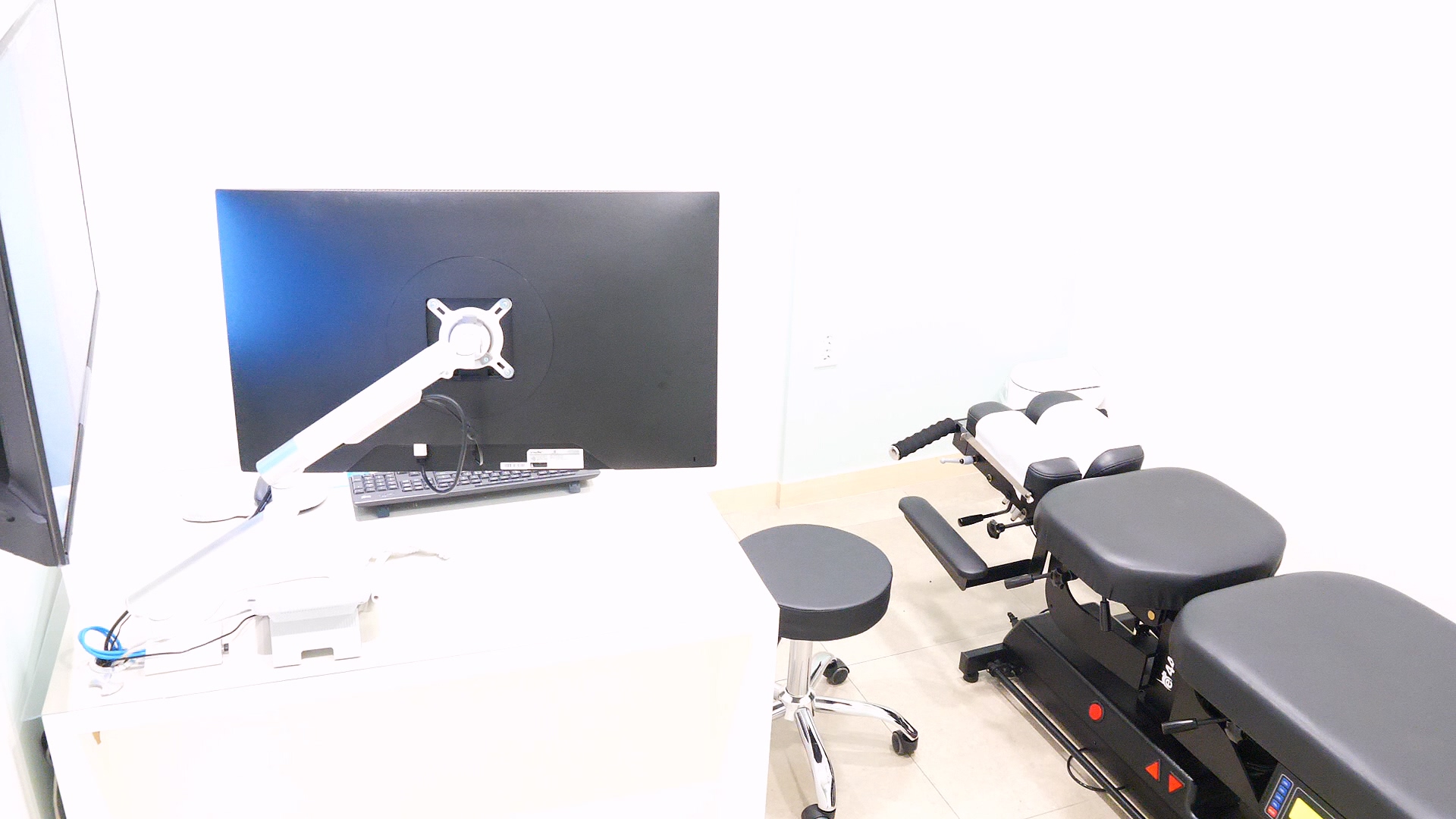
Our goal at Bonecure is to move beyond temporary symptom relief and support long-term physiological balance. Please note that individual results may vary depending on the patient's condition.
Understanding the Role of a Holistic Wellness Clinic in Seoul
A holistic wellness clinic in Seoul defines health as a state where the body's structural integrity is maintained to support natural self-healing mechanisms and systemic vitality. This approach views the body as a single interconnected unit where the alignment of the spine directly influences the performance of internal organs and the nervous system through complex biomechanical and neurological pathways.
The Direct Connection Between Spinal Alignment and Overall Health
The human spine serves as the primary structural foundation, supporting the nervous system while providing the necessary mobility for daily life. When the spinal alignment deviates from its optimal posture, it can create significant pressure on nearby nerve roots and vascular pathways, leading to systemic dysfunction. A holistic wellness clinic in Seoul recognizes that musculoskeletal pain is often a secondary symptom of a deeper structural imbalance. By restoring the natural curvature of the spine, clinicians can help alleviate pressure on the autonomic nervous system, potentially improving symptoms like chronic fatigue or digestive issues. Scientific research indicates that even a few millimeters of vertebral misalignment can influence physical efficiency. Maintaining structural integrity is not just about avoiding back pain, it is about ensuring that every organ receives the neural signals it needs to function correctly. This perspective shifts the focus from treating isolated symptoms to fostering long-term physiological resilience through precise biomechanical correction.
Introduction to Bonecure and the Philosophy of Restoring Balance
At Bonecure, the clinical philosophy centers on the belief that when your bones are in their rightful place, the rest of your health can follow. We prioritize identifying structural deviations that have been overlooked in conventional diagnostic settings, focusing on the microscopic adhesions that prevent joints from moving freely. By integrating traditional wisdom with modern diagnostic tools, we provide a personalized roadmap for every patient who walks through our doors. Our methodology is built upon three core pillars: root cause identification, structural realignment, and long-term maintenance. We understand that every patient presents a unique history of physical stress and injury, requiring a customized approach to restore mobility. This philosophy ensures that we do not simply mask pain but actively work to reconstruct the body's natural alignment. By fostering an environment of trust and scientific precision, Bonecure helps patients reclaim their daily vitality and prevents the recurrence of chronic ailments through comprehensive structural care.
Comparing Holistic Structural Therapies with Conventional Interventions
Comparing holistic structural therapies with conventional medical interventions involves analyzing how different modalities address tissue pathology, nerve compression, and long-term functional recovery. While conventional care often focuses on inflammation management through pharmacology, a holistic wellness clinic in Seoul emphasizes the mechanical release of physical obstructions and the restoration of structural symmetry to facilitate natural healing.
Acupotomy vs. Standard Therapeutic Modalities
Acupotomy represents a sophisticated evolution of traditional acupuncture, utilizing a micro-blade instrument to physically release fibrotic adhesions that standard needles cannot reach. While standard therapeutic modalities often rely on surface-level stimulation or chemical intervention to reduce pain signals, acupotomy addresses the mechanical reality of thickened, scarred tissues. In clinical case reports, this structural approach has been utilized to release deep cervical tension that may contribute to auditory dysfunction. These findings are based on specific cases and do not guarantee the same results for all patients. Unlike traditional physical therapy which may require months of repetitive exercise to see structural changes, acupotomy can provide a more direct intervention for chronic adhesions. However, it is important to note that because this procedure involves structural release, individual responses may vary. Some patients may require multiple sessions to achieve stability, especially when dealing with long-standing degenerative changes. The goal is to create a physical environment where the body no longer needs to compensate for structural deficiencies.
Comparative Analysis of Tissue Adhesion Release Methods
The release of tissue adhesions is critical for restoring blood flow and nerve conductivity in chronically affected areas. Traditional massage or stretching may provide temporary relief by loosening superficial muscles, but they often fail to address the deep-seated fibrosis that tethers bones and nerves. Structural restoration focused clinics utilize specific tools to release these adhesions, aiming to restore the sliding mechanism between muscle layers. In specific clinical observations, targeted structural therapy has been documented to assist in the recovery process for certain patients. The number of sessions required and the degree of improvement can vary significantly between individuals. This highlights the difference between general relaxation and clinical tissue remodeling. While non-invasive methods carry very low immediate risk, they may not offer the depth of treatment required for complex pathologies. Acupotomy, while slightly more invasive, offers a mechanical solution for structural problems that have become resistant to conservative management. Clinicians must carefully balance these methods based on the patient's specific tissue quality and the chronicity of their condition.
The Role of a Unified Structural Approach in Comprehensive Care
A unified structural approach addresses the body as a whole rather than treating a neck or a knee in isolation. When Bonecure practitioners evaluate a patient, they look at how a pelvic tilt might be causing compensatory tension in the cervical spine. Fragmented care often leads to a cycle of recurring pain because the underlying structural driver is never addressed. By utilizing a comprehensive treatment plan that includes both soft tissue release and skeletal realignment, we can achieve more stable outcomes. Clinical metrics observed in specific case studies demonstrate the potential benefits of addressing the structural foundation of neurological symptoms. However, these outcomes are specific to those cases and individual results will vary. This integrated strategy ensures that every treatment session builds upon the last, creating a cumulative effect on the body's health. Patients benefit from a cohesive clinical vision that prioritizes long-term structural stability, which can lead to a more sustainable recovery journey. As with any medical procedure, there are potential risks such as temporary pain, bruising, or infection.
Our approach at Bonecure focuses on mechanical alignment and tissue release using advanced acupotomy and Chuna realignment. By utilizing whole spine X-rays and functional scales, we aim for long-term stability and systemic balance. This differs from approaches that focus primarily on localized symptom management.
The Scientific Framework Behind Advanced Acupotomy and Structural Realignment
The scientific framework behind advanced acupotomy and structural realignment relies on objective data and evidence-based protocols to validate clinical outcomes. In a holistic wellness clinic in Seoul, we move beyond subjective reports by using standardized diagnostic imaging and validated psychological scales to track the precise impact of structural interventions on a patient's health.
Utilizing Whole Spine X-Rays for Objective Visual Diagnostics
Whole spine X-rays are an essential tool for identifying the global alignment of the skeletal system, providing a visual map of how different spinal segments interact. At Bonecure, we do not just look for fractures or major pathologies, we analyze the subtle curvatures and tilts that indicate chronic structural stress. These images allow us to see the actual state of the vertebral column, which is often different from what a patient perceives. By measuring specific angles and vertebral rotations, we can develop a highly precise treatment plan tailored to the individual's unique anatomy. This objective baseline is crucial for monitoring progress over time, as we can compare follow-up images to see how the structure has shifted toward a more neutral and healthy state. Without this visual evidence, treatment remains a matter of guesswork. Providing patients with clear, objective data about their own bodies empowers them to understand the necessity of their treatment plan and fosters a collaborative relationship between the clinician and the patient.
Tracking Progress Through Standardized Functional and Psychological Scales
To ensure that our treatments are effective, we utilize a variety of standardized scales to measure improvements in both physical and psychological well-being. This includes pain intensity scales, the Beck Anxiety Inventory, and the Beck Depression Inventory, which help us understand how structural issues might be impacting a patient's psychological health. For instance, chronic pain is often correlated with increased scores on anxiety scales, and as the physical structure improves, we often observe a corresponding decrease in these psychological markers. We also track indicators such as gastrointestinal function to monitor the autonomic response. In my clinical practice, I have documented cases where patients experienced significant drops in distress levels as their spinal alignment was restored. By tracking these metrics at regular intervals, we can objectively demonstrate the benefits of the Bonecure approach. This data-driven method allows us to refine our techniques and ensure that we are meeting the patient's goals for overall wellness. It provides a level of clinical accountability that is necessary for treating complex, multi-faceted health conditions in a modern medical environment.
Analyzing Case Reports on Chronic Neurological and Musculoskeletal Issues
Clinical case reports provide invaluable insight into the potential effectiveness of structural realignment for intractable conditions. I have published and analyzed various reports, including those on spinal curvature abnormalities and severe neurological symptoms like idiopathic scoliosis and concussion-related syndromes. These reports often detail the journey of patients who have found little relief elsewhere. For example, a case study on sudden hearing loss and Meniere's disease symptoms showed that restoring cervical alignment could lead to significant clinical improvements in specific individuals. These findings are not meant to guarantee results for everyone, but they suggest that structural integrity plays a much larger role in neurological health than is commonly recognized. By documenting these unique clinical experiences, we contribute to a growing body of evidence supporting the use of acupotomy for complex cases. Each report serves as a testament to the body's ability to recover when physical obstructions are removed and structural balance is restored, providing hope for those suffering from long-term, difficult-to-treat health challenges.
Patient Safety, Clinical Considerations, and Expected Recovery Pathways
Patient safety and clinical considerations are the foundation of all procedures at a holistic wellness clinic in Seoul. Understanding the expected recovery pathways involves a transparent discussion about potential risks, the necessity of multiple sessions for chronic conditions, and the importance of personalized consultations to ensure the best possible care for each individual.
Understanding Potential Adverse Reactions and Post-Treatment Management
While acupotomy and structural alignment are highly effective, it is essential for patients to understand the potential for localized side effects. Because the procedure involves the mechanical release of deep tissue, patients frequently experience temporary soreness, minor bruising, or tenderness at the site of treatment. These reactions are typically a sign that the body is beginning the inflammatory process necessary for tissue remodeling and healing. In rare instances, superficial infection or minor bleeding may occur, though these risks are strictly managed through our rigorous sterilization and clinical safety protocols. We advise patients to rest and stay hydrated following their sessions to support the recovery of the released tissues. If any unusual symptoms occur, we provide clear guidance on how to manage them and when to contact the clinic for further evaluation. Providing this information upfront is part of our commitment to patient safety and informed consent. By managing expectations regarding post-treatment discomfort, we ensure that patients feel supported and informed throughout their entire recovery journey at Bonecure.
Managing Expectations for Chronic, Complex, and Severe Pathologies
Managing expectations is a critical component of treating chronic and complex pathologies that have developed over many years. Many patients come to a holistic wellness clinic in Seoul seeking a fast solution for issues that are the result of decades of structural neglect. It is important to communicate that while some immediate relief can occur, true structural restoration is a process that often requires multiple, consistently spaced sessions. Chronic conditions involve not just the bones, but also the retraining of muscles and the nervous system to adapt to a new, healthier alignment. For severe cases like atypical Parkinsonism or chronic autonomic imbalances, the recovery pathway may be longer and require a multifaceted approach. We emphasize that individual results vary and are influenced by factors such as age, lifestyle, and the severity of the initial condition. Our goal is to provide a realistic outlook on what can be achieved, ensuring that patients are committed to the long-term process of structural recovery. This honesty helps build a sustainable clinical relationship and leads to more successful and lasting health outcomes.
A 2026 Clinical Guide to Structural Restoration at BonCure Korean Medicine Clinic
Modernized Traditional Korean Medicine: A Clinical Guide to Structural Restoration at Bonecure
Frequently Asked Questions
Q. What core philosophy distinguishes Bonecure as a holistic wellness clinic in Seoul?
As the head clinician, I focus on the intricate connection between spinal alignment and systemic vitality. Our approach integrates structural realignment with microscopic tissue release to restore natural mobility and optimize the body's self-healing mechanisms, moving far beyond mere temporary symptom management. We believe that addressing the underlying skeletal foundation is a significant factor in supporting long-term health.
Q. What is acupotomy, and how does it function within your treatment plans?
Acupotomy uses a specialized, micro-blade acupuncture instrument designed to safely dissect and release deep tissue adhesions, fibrotic scars, and compressed nerve pathways. This process helps restore normal blood circulation and structural mobility to chronically stiffened or damaged regions. It is an essential tool for addressing the mechanical causes of pain that do not respond to traditional needles.
Q. What objective metrics do you use to monitor a patient's recovery progress?
We rely heavily on objective data rather than subjective impressions to ensure clinical accuracy. This includes analyzing structural shifts via whole spine X-rays alongside tracking improvements through clinical evaluation metrics for pain intensity, gastrointestinal function, and psychological distress (anxiety and depression) stability. These measurements allow us to prove the effectiveness of the treatment and adjust the plan as needed.
Q. Are there any side effects, discomfort, or risks associated with these procedures?
Because acupotomy involves structural release, patients frequently experience localized soreness, minor bruising, or temporary tenderness at the treatment site. While rare, minimal bleeding or superficial infection are inherent risks of any invasive procedure, which we mitigate through strict sterilization protocols. We always discuss these possibilities with patients before beginning any treatment to ensure they are fully informed.
Q. How many sessions are typically required to see measurable structural improvements?
Recovery timelines vary heavily based on individual physical status, lifestyle habits, and the chronicity of the condition. Acute conditions may resolve relatively quickly, whereas long-standing structural imbalances or chronic degenerative disorders often demand multiple, consistently spaced sessions combined with postural rehabilitation. We provide a projected timeline after a comprehensive initial evaluation.
Q. Can holistic structural treatment assist with non-musculoskeletal issues like autonomic imbalances?
Yes, our clinical case reports demonstrate that structural misalignment in the cervical spine can directly irritate autonomic nerves. Realignment and tissue decompression have shown documented benefits in stabilizing issues like chronic headaches, dizziness, and somatic manifestations of anxiety in specific patient cohorts. By removing physical pressure from the nervous system, the body can regain its internal regulatory balance.
Q. What should international patients consider regarding the cost and value of holistic care at your clinic?
We prioritize providing comprehensive value by identifying and addressing the underlying root causes of physical dysfunction rather than offering repetitive, short-term fixes. Specific treatment costs are determined following an in-depth, personalized structural examination. We believe that investing in structural restoration provides a higher long-term value by preventing the recurrence of chronic health issues.
Key Takeaways
- A holistic wellness clinic in Seoul focuses on the essential link between spinal alignment and systemic health.
- Bonecure utilizes advanced acupotomy to mechanically release deep-seated tissue adhesions that cause chronic pain.
- Objective diagnostics like whole spine X-rays and functional scales are used to track and validate every patient's progress.
- Structural restoration is a personalized process that may require multiple sessions to achieve stable and lasting results.
- Safety is prioritized through transparent communication about potential side effects like temporary soreness or bruising.
Bonecure / Dr. Song Jung-hyun
FAQ
- What core philosophy distinguishes Bonecure as a holistic wellness clinic in Seoul?
- As the head clinician, I focus on the intricate connection between spinal alignment and systemic vitality. Our approach integrates structural realignment with microscopic tissue release to restore natural mobility and optimize the body's self-healing mechanisms, moving far beyond mere temporary symptom management. We believe that correcting the underlying skeletal foundation is the only way to achieve true, long-term health.
- What is acupotomy, and how does it function within your treatment plans?
- Acupotomy uses a specialized, micro-blade acupuncture instrument designed to safely dissect and release deep tissue adhesions, fibrotic scars, and compressed nerve pathways. This process helps restore normal blood circulation and structural mobility to chronically stiffened or damaged regions. It is an essential tool for addressing the mechanical causes of pain that do not respond to traditional needles.
- What objective metrics do you use to monitor a patient's recovery progress?
- We rely heavily on objective data rather than subjective impressions to ensure clinical accuracy. This includes analyzing structural shifts via whole spine X-rays alongside tracking improvements through clinical evaluation metrics for pain intensity, cognitive clarity, and autonomic nervous system stability. These measurements allow us to prove the effectiveness of the treatment and adjust the plan as needed.
- Are there any side effects, discomfort, or risks associated with these procedures?
- Because acupotomy involves structural release, patients frequently experience localized soreness, minor bruising, or temporary tenderness at the treatment site. While rare, minimal bleeding or superficial infection are inherent risks of any invasive procedure, which we mitigate through strict sterilization protocols. We always discuss these possibilities with patients before beginning any treatment to ensure they are fully informed.
- How many sessions are typically required to see measurable structural improvements?
- Recovery timelines vary heavily based on individual physical status, lifestyle habits, and the chronicity of the condition. Acute conditions may resolve relatively quickly, whereas long-standing structural imbalances or chronic degenerative disorders often demand multiple, consistently spaced sessions combined with postural rehabilitation. We provide a projected timeline after a comprehensive initial evaluation.
- Can holistic structural treatment assist with non-musculoskeletal issues like autonomic imbalances?
- Yes, our clinical case reports demonstrate that structural misalignment in the cervical spine can directly irritate autonomic nerves. Realignment and tissue decompression have shown documented benefits in stabilizing issues like chronic headaches, dizziness, and somatic manifestations of anxiety in specific patient cohorts. By removing physical pressure from the nervous system, the body can regain its internal regulatory balance.
- What should international patients consider regarding the cost and value of holistic care at your clinic?
- We prioritize providing comprehensive value by identifying and addressing the underlying root causes of physical dysfunction rather than offering repetitive, short-term fixes. Specific treatment costs are determined following an in-depth, personalized structural examination. We believe that investing in structural restoration provides a higher long-term value by preventing the recurrence of chronic health issues.