
Post
A 2026 Clinical Guide to Cervical Spine Correction Therapy: Restoring Structural Alignment and Neurological Balance
Cervical spine correction therapy is a specialized clinical approach focused on realigning the structural curvature of the neck to restore optimal biomechanical function and alleviate neurological pressure.
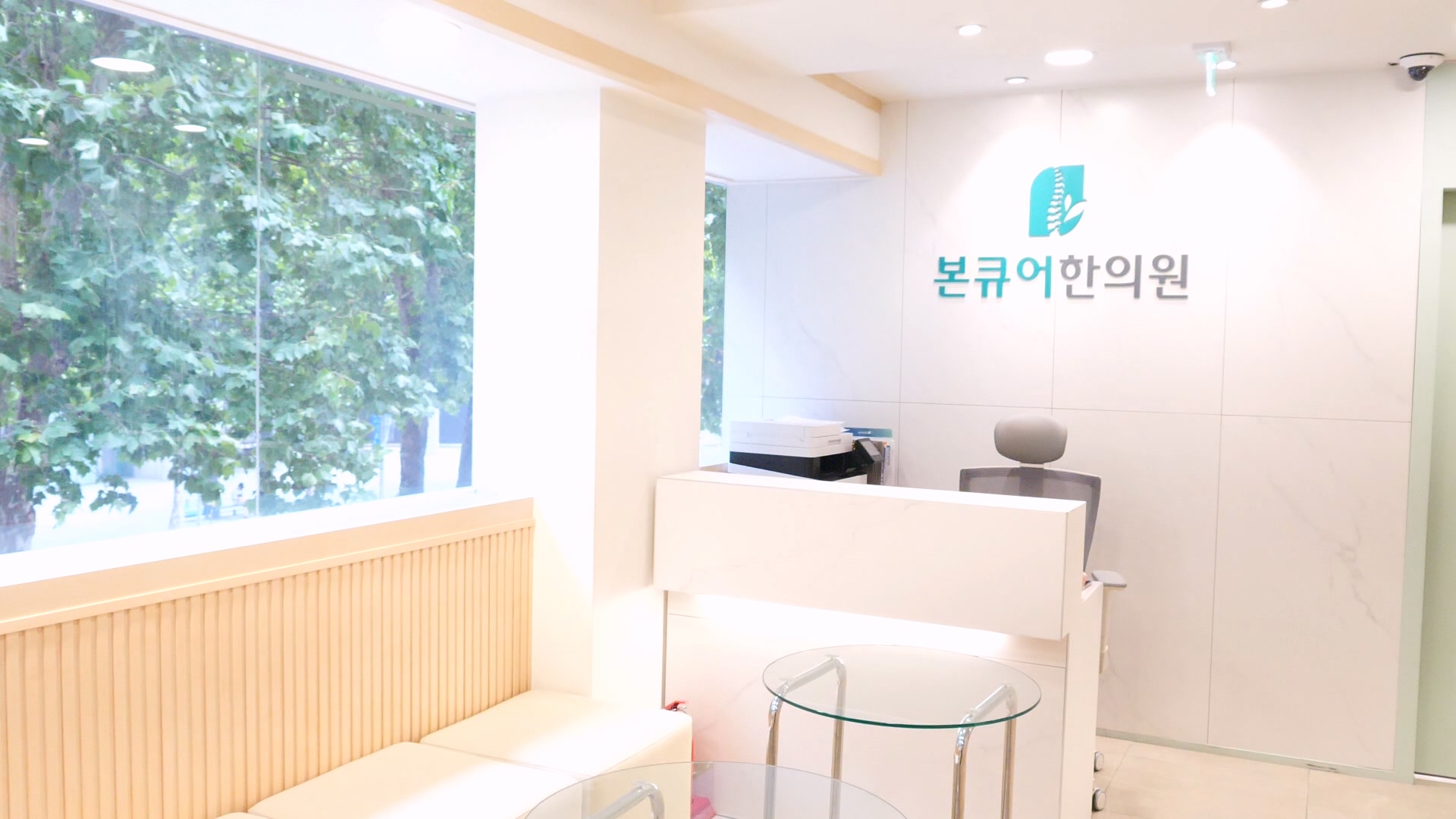
Greetings, I am Dr. Song Jung-hyun, a licensed practitioner who has dedicated my clinical career to acupotomy and structural realignment. By addressing the root cause of spinal misalignments, this comprehensive framework offers sustainable relief from chronic pain and restores natural mobility.
1. Understanding Cervical Spine Correction Therapy and Its Core Principles
Cervical spine correction therapy is defined as an evidence-first therapeutic framework aimed at correcting joint subluxations and relieving chronic tissue tension within the upper spine. This clinical approach prioritizes the restoration of the neck's natural lordotic curvature to optimize structural integrity and balance across the entire musculoskeletal system. At Bonecure, this methodology serves as the foundation for treating various intricate spine-related disorders.
Definition of Cervical Correction and Its Essential Role in Spinal Health
Structural integrity within the cervical region is paramount because the neck supports the weight of the human head, which averages approximately 10 to 12 pounds in a neutral alignment. When the structural alignment shifts away from its ideal physiological curve, the mechanical workload increases exponentially, leading to premature degeneration of the intervertebral discs and surrounding soft tissues. Cervical spine correction therapy systematically addresses these imbalances by restoring proper joint mechanics and neutral alignment. In my clinical practice at Bonecure, I utilize targeted manual interventions and specialized instruments to mobilize restricted segments, thereby reducing abnormal mechanical stress. This restorative process helps stabilize the entire vertebral column, as the health of the lower back and thoracic spine is intimately connected to the positioning of the neck. In my practice, I focus on delivering immediate post-treatment improvements and visible structural changes that patients can feel right away, rather than requiring a mandatory block of 10 or more sessions to see initial results.
How Cervical Misalignment Impairs Nervous System Functions
The cervical spine houses the vital pathways of the central and autonomic nervous systems, making any structural deviation a potential source of neurological dysfunction. Misalignments or subluxations can compress local nerve roots, leading to radiating upper extremity pain, numbness, and tension headaches that significantly diminish a patient's quality of life. Furthermore, severe structural distortions can alter autonomic signaling, contributing to complex conditions like cervicogenic dizziness or secondary vascular insufficiency. My published case reports examine these physiological relationships, noting instances where a patient presenting with an elevated anxiety index or chronic vertigo demonstrated significant improvement following structural intervention. Standardized assessment tools like the Visual Analog Scale are utilized to objectively monitor general progress and track changes in pain intensity throughout the therapeutic cycle. Correcting the alignment helps decompress nerve pathways, encouraging natural systemic recovery and restoring internal balance.
2. Clinical Methodologies for Effective Cervical Realignment
Clinical methodologies for effective cervical realignment encompass a synchronized combination of manual joint manipulation, soft tissue release, and precise radiographic analysis to safely restore spinal symmetry. These evidence-first interventions are tailored to the unique anatomical needs of the individual, ensuring that both the bony architecture and the adjacent soft tissues adapt perfectly to the corrected posture.
Structural Joint Mobilization and Decompressing Nerve Pathways
Achieving lasting structural balance requires systematic joint mobilization to release deep-seated mechanical restrictions within the cervical facet joints. I frequently perform specialized manual adjustments, including advanced Chuna therapy techniques, to gently restore restricted segmental mobility and alleviate pressure on impinged nerve roots. This clinical process is described in detail within A 2026 Clinical Guide to Chuna Therapy for Chronic Pain: Structural Restoration at Bonecure, which outlines how structural adjustments facilitate long-term functional recovery. By applying precise, low-amplitude forces to specific vertebral segments, we can gradually realign the cervical framework and reduce the pathological load on delicate neurovascular bundles. In typical clinical scenarios, patients experience a progressive expansion in their active range of motion, with cervical rotation often improving by 15 to 20 degrees over a standard therapeutic cycle. This gentle realignment promotes proper fluid circulation within the spinal discs, supporting the body's natural regenerative mechanisms and optimizing neurological function.
Micro Tissue Restoration Using Precision Acupotomy Techniques
Chronic spinal misalignments are almost invariably accompanied by severe soft tissue pathomorphology, where muscles and ligaments become fibrotic and form dense, restrictive adhesions. To address this deep tissue component, I implement precision acupotomy, an advanced micro-surgical blade-needle technique designed to perform delicate scar tissue release and adhesion debridement. By precisely targetting the affected spinal ligaments, this method separates the adhered fibers, immediately relieving local ischemia and accelerating the influx of healing factors to the damaged zone. The therapeutic value of this technique is extensively analyzed in Acupuncture Treatment Benefits: A 2026 Clinical Guide to Acupotomy and Structural Restoration. It is important to note that while acupotomy can stimulate rapid tissue remodeling, patients may experience mild localized soreness or temporary bruising for 2 to 3 days post-treatment. This minor discomfort is a normal physiological response as the deep structural tissues begin to heal and readapt.
Objective Diagnostics and Whole Spine X Ray Evaluations
An accurate and safe structural restoration program cannot rely on subjective guesswork, which is why objective diagnostic imaging forms the backbone of my clinical assessment. Before initiating any cervical intervention at Bonecure, every patient is referred to our trusted partner, Harrison Hospital, for a comprehensive whole-spine X-ray evaluation to map out precise biomechanical deviations, pelvic tilts, and compensatory spinal curvatures. This rigorous approach allows me to calculate exact geometric adjustments, measuring structural parameters such as the cervical lordosis angle, which ideally maintains a measurement of 35 to 45 degrees. By comparing baseline radiographic data with follow-up imaging obtained through our partner hospital, we can objectively verify changes in skeletal alignment and track structural stabilization. This data-driven framework ensures that every manipulation is mathematically justified and customized to the patient's structural anatomy. This clinical transparency provides patients with measurable evidence of their progress, reinforcing the scientific validity of our integrated, evidence-first structural care model.
3. Comparing Cervical Spine Correction Therapy with Standard Treatments
Comparing cervical spine correction therapy with standard treatments highlights the distinct operational differences between long-term structural realignment and transient, symptom-focused medical interventions. While conventional traction systems apply linear axial tension, cervical spine correction therapy focuses on multi-axial segmental adjustments to address structural alignment.
Structural Correction Versus Conventional Traction Systems
Traditional mechanical traction systems operate by applying a generalized, linear pulling force to the neck, which can temporarily increase the intervertebral space but fails to address specific segmental rotational subluxations. In contrast, cervical spine correction therapy employs localized, multi-axial adjustments that target the exact vertebrae responsible for the mechanical dysfunction. To illustrate these fundamental clinical distinctions, I have compiled a comparative overview outlining the operational differences between these two therapeutic approaches. This comparison focuses on how specialized care modifies the underlying skeletal structure to support long-term postural balance. At Bonecure, the goal of our customized protocols is to guide the spine back into its natural, healthy curvature through precise physical manipulation. While automated traction might provide short-term decompression during a 15-minute session, a dedicated structural alignment strategy yields enduring improvements in posture, head balance, and overall spinal health by supporting the rehabilitation of the neuromuscular framework.
| Parameter | Conventional Traction Systems | Cervical Spine Correction Therapy |
|---|---|---|
| Primary Objective | Mechanical decompression | Structural realignment and stabilization |
| Target Mechanism | Generalized linear axial tension | Segmental multi-axial manipulation |
| Diagnostic Basis | Standard symptom reporting | Whole-spine radiographic analysis |
| Soft Tissue Work | Superficial muscular stretching | Deep adhesion release via acupotomy |
| Session Frequency | Typically 2 to 3 times weekly | Tailored multi-session clinical plans |
Specialized Advanced Acupotomy Versus General Physical Therapy
General physical therapy programs commonly utilize modalities such as ultrasound, transcutaneous electrical nerve stimulation, and basic stretching exercises to manage acute neck discomfort and enhance superficial muscle flexibility. While these methods are highly effective for short-term pain mitigation, they often cannot penetrate the deep, calcified ligamentous adhesions that bind misaligned cervical vertebrae. Specialized advanced acupotomy directly resolves this limitation by delivering targeted micro-tissue debridement to the deep spinal stabilizers, such as the interspinalis and multifidus muscles. In my clinical observations, combining acupotomy with structural mobilization accelerates the recovery timeline for chronic conditions compared to superficial therapies alone. This comprehensive methodology is further detailed in A 2026 Clinical Guide to Dr. Song Jung-hyun's Structural Restoration at Bonecure, which exemplifies the integration of advanced Korean medicine with modern structural science. This specialized approach ensures that both deep tissue restrictions and joint subluxations are corrected simultaneously.
4. Strategic Benefits, Safety Precautions, and Expected Timelines
Strategic benefits, safety precautions, and expected timelines constitute the clinical boundary lines within which a successful cervical rehabilitation program operates safely and predictably. Understanding these parameters ensures that patients maintain realistic expectations regarding their unique rate of tissue healing while actively participating in necessary safety measures.
Addressing Underlying Structural Issues Rather Than Just Temporary Symptoms
The primary advantage of a structural correction protocol is its focus on resolving the underlying root causes of chronic cervical pain rather than merely masking the immediate symptoms. By systematically restoring the natural lordotic curve of the neck, this therapy removes the chronic mechanical strain placed on the surrounding musculature, preventing recurrent spasms and accelerating long-term healing. Over a typical monitoring period, patients frequently exhibit measurable improvements in spinal alignment and a stabilization of their overall posture. This foundational approach reduces the likelihood of future degenerative changes, such as accelerated cervical disc herniation or bone spur formation. At Bonecure, I ensure that each treatment plan is meticulously documented and backed by objective diagnostic data to provide clear evidence of structural progression. Investing in structural alignment ultimately fosters sustainable physical vitality, allowing individuals to return to their daily activities with enhanced mobility and long-term comfort.
Potential Temporary Discomfort and Individual Recovery Gaps
While cervical spine correction therapy offers profound long-term benefits, it is crucial to recognize that the process of structural reorganization can induce temporary physiological discomfort. As deep-seated joint subluxations are corrected and chronic tissue adhesions are released via acupotomy, patients may experience mild localized soreness, minor bruising, or temporary muscular fatigue. These symptoms are normal signs of tissue remodeling and typically resolve within 48 to 72 hours following a session. Furthermore, individual recovery timelines can vary significantly based on the chronicity of the condition, age, and baseline spinal health, meaning that severe structural distortions may require an extended, customized plan to achieve complete long-term stabilization, although noticeable structural improvements occur right away during each session. It is essential to consult a qualified practitioner to ensure a safe, customized approach. Following post-treatment recommendations, such as avoiding strenuous exercises and maintaining proper ergonomics, helps stabilize the new alignment and ensures a safe, efficient path toward lasting recovery.
Key Takeaways
- Cervical spine correction therapy focuses on restoring the neck's natural lordotic curvature to alleviate nerve pressure and resolve chronic musculoskeletal pain.
- Objective diagnostic tools, such as whole-spine X-ray evaluations referred out to partner facilities, are utilized to map precise geometric deviations and ensure accurate treatment planning.
- Advanced techniques like precision acupotomy target deep tissue adhesions and fibrotic ligaments to accelerate localized cellular remodeling.
- Clinical recovery timelines vary based on individual conditions, focusing on immediate and tangible structural stabilization without mandatory time blocks.
- Temporary mild soreness or localized bruising may occur post-treatment as the body naturally adapts to its newly corrected skeletal alignment.
For personalized consultation and structural care, please contact our clinic. Bonecure / Dr. Song Jung-hyun
Frequently Asked Questions
Q. What exactly is cervical spine correction therapy?
Cervical spine correction therapy is a specialized clinical approach focused on realigning the structural curvature of the neck. By addressing joint subluxations and relieving chronic tissue tension, it helps restore normal biomechanical function and alleviates nerve pressure. Typical outcomes include improved posture and reduced localized discomfort over a structured treatment course.
Q. How long does it typically take to see results from cervical correction?
Treatment at our clinic yields immediate structural changes and improvements that you can feel right away; we do not follow a rigid system requiring 10 or 20 sessions before results appear. While long-term stabilization for chronic conditions depends on individual factors like age and baseline spinal health, visible and physical progress begins from your very first visits.
Q. Are there any side effects or risks associated with cervical spine correction therapy?
Patients may experience temporary soreness, mild bruising, or minor localized discomfort following structural adjustments or precision acupotomy. These are normal physiological responses as the deep tissues undergo remodeling and adapt to the correct alignment. These mild symptoms typically resolve naturally within 48 to 72 hours without additional intervention.
Q. How does cervical spine correction therapy compare to standard physical therapy?
Standard physical therapy primarily focuses on managing superficial muscle pain and improving flexibility through modalities like heat, stretching, or ultrasound. Cervical correction therapy aims directly at the deep structural framework and joint mechanics to provide root cause restoration. It combines joint mobilization with specialized micro-tissue debridement to achieve lasting biomechanical balance.
Q. Is cervical spine correction therapy suitable for everyone?
Most individuals suffering from chronic neck pain, cervicogenic headaches, or poor forward head posture can benefit from this therapy. However, a comprehensive physical assessment and whole-spine X-ray evaluation are mandatory beforehand to identify any structural contraindications and ensure maximum safety. Each treatment protocol is customized to the patient's exact anatomical requirements.
Q. What are the cost factors for structural cervical spine alignment programs?
The overall cost depends on the severity of the spinal misalignment and the total number of clinical sessions required for stabilization. Detailed pricing guidelines and individualized treatment plans are provided during your initial consultation after a thorough diagnostic assessment. We ensure full transparency regarding all recommended procedures prior to commencing care.
Q. What should I avoid immediately after a cervical spine correction session?
It is highly recommended to avoid strenuous exercise, heavy lifting, and poor postural habits immediately following your treatment session. Giving your neck proper rest allows the supporting muscles and deep ligaments to stabilize the newly introduced alignment. Maintaining proper ergonomics at work further protects the spine during the recovery phase.
FAQ
- What exactly is cervical spine correction therapy?
- Cervical spine correction therapy is a specialized clinical approach focused on realigning the structural curvature of the neck. By addressing joint subluxations and relieving chronic tissue tension, it helps restore normal biomechanical function and alleviates nerve pressure. Typical outcomes include improved posture and reduced localized discomfort over a structured treatment course.
- How long does it typically take to see results from cervical correction?
- Initial structural changes and symptomatic relief can often be observed in early sessions, but chronic or severe misalignments require a structured multi-session plan. Individual response times vary depending on the patient's condition, age, and baseline spinal health. A standard protocol may span anywhere from 10 to 20 sessions to achieve long-term skeletal stabilization.
- Are there any side effects or risks associated with cervical spine correction therapy?
- Patients may experience temporary soreness, mild bruising, or minor localized discomfort following structural adjustments or precision acupotomy. These are normal physiological responses as the deep tissues undergo remodeling and adapt to the correct alignment. These mild symptoms typically resolve naturally within 48 to 72 hours without additional intervention.
- How does cervical spine correction therapy compare to standard physical therapy?
- Standard physical therapy primarily focuses on managing superficial muscle pain and improving flexibility through modalities like heat, stretching, or ultrasound. Cervical correction therapy aims directly at the deep structural framework and joint mechanics to provide root cause restoration. It combines joint mobilization with specialized micro-tissue debridement to achieve lasting biomechanical balance.
- Is cervical spine correction therapy suitable for everyone?
- Most individuals suffering from chronic neck pain, cervicogenic headaches, or poor forward head posture can benefit from this therapy. However, a comprehensive physical assessment and whole-spine X-ray evaluation are mandatory beforehand to identify any structural contraindications and ensure maximum safety. Each treatment protocol is customized to the patient's exact anatomical requirements.
- What are the cost factors for structural cervical spine alignment programs?
- The overall cost depends on the severity of the spinal misalignment and the total number of clinical sessions required for stabilization. Detailed pricing guidelines and individualized treatment plans are provided during your initial consultation after a thorough diagnostic assessment. We ensure full transparency regarding all recommended procedures prior to commencing care.
- What should I avoid immediately after a cervical spine correction session?
- It is highly recommended to avoid strenuous exercise, heavy lifting, and poor postural habits immediately following your treatment session. Giving your neck proper rest allows the supporting muscles and deep ligaments to stabilize the newly introduced alignment. Maintaining proper ergonomics at work further protects the spine during the recovery phase.