
Post
Acupotomy for Managing Carpal Tunnel Syndrome: A 2026 Guide to Structural Recovery
Hello, I am Dr. Song Jeong-hyeon, a Korean medicine doctor who has specialized in acupotomy for many years at Bonecure Korean Medicine Clinic. Carpal tunnel syndrome is a condition caused by the compression of the median nerve in the wrist, leading to numbness, tingling, and weakness in the hand. Many patients seek alternatives to invasive surgery, and acupotomy offers a structural solution by releasing the physical obstructions around the nerve. In this guide, I will explain how we utilize this precision technique at Bonecure to restore mobility and comfort to your hands.
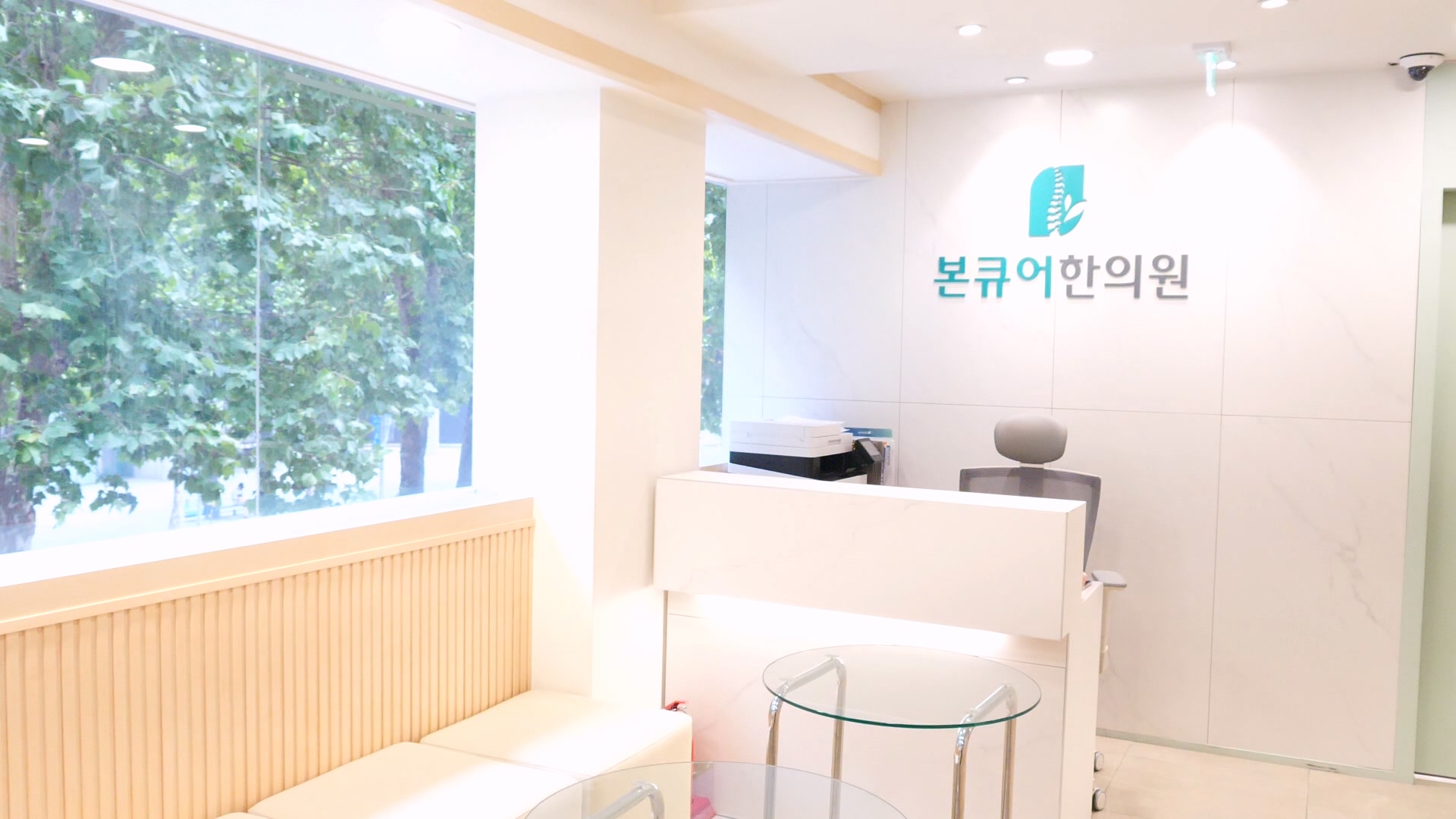
Non-Surgical Relief for Carpal Tunnel Syndrome through Acupotomy
Acupotomy is a specialized therapeutic technique that combines the traditional wisdom of acupuncture with the anatomical precision of modern diagnostic approaches to treat chronic nerve entrapment. By utilizing a needle with a small blade-like tip, this procedure physically releases the internal adhesions and thickened ligaments that put pressure on the median nerve. This approach is designed to restore structural balance and facilitate the natural healing process of the wrist tissues without requiring large incisions, general anesthesia, or chemical numbing agents.
How Bonecure Utilizes Specialized Micro-Blade Needles for Adhesion Release
At Bonecure, we prioritize precision by utilizing specialized micro-blade needles to address the specific mechanical causes of carpal tunnel syndrome. While traditional acupuncture and acupotomy both utilize needle-based techniques, our approach with acupotomy specifically focuses on the physical micro-adhesions that can form within the carpal tunnel. These adhesions often develop from repetitive strain or old injuries, causing the transverse carpal ligament to thicken and compress the underlying nerve. During the procedure, the micro-blade is carefully inserted to perform a process known as adhesion lysis, which physically breaks down these restrictive tissues.
One of the defining characteristics of my practice is that we do not demand patients wait through a set number of sessions to see a change. We focus on achieving efficient structural improvement. Based on our clinical observations, some patients may experience a reduction in nighttime numbness or discomfort early in their treatment course, though individual responses and the number of sessions required vary. While the procedure involves some depth, it is minimally invasive and designed to promote a steady recovery compared to traditional open surgical methods used for nerve decompression. Please note that results can vary based on the severity of the condition.
Transitioning from Temporary Symptom Management to Structural Restoration
The treatment philosophy at Bonecure shifts the focus away from simply masking pain toward achieving fundamental structural restoration of the wrist. Many patients arrive after having tried various conservative options such as anti-inflammatory medications or wrist braces; if these traditional approaches have not provided sufficient relief, acupotomy may serve as a specialized alternative to address ligamentous thickening. Our acupotomy protocol aims to stimulate the body's natural healing response by creating micro-stimuli in the affected tissue.
This process encourages the remodeling of the transverse carpal ligament and improves blood flow to the median nerve. In my clinical experience, patients often see significant improvements in grip strength and sensory restoration as the nerve pressure is relieved. By addressing the root structural cause—the physical adhesions—we help patients break the cycle of recurring inflammation. While the path to complete recovery is individual, focusing on the mechanical release of tissues provides a sustainable path to hand health. Potential risks such as temporary soreness or minor bruising should be considered, and individual responses to treatment will vary.
Why Choose Traditional Korean Medicine for Chronic Wrist Pain
Traditional Korean Medicine offers a holistic and evidence-based framework for managing chronic wrist pain by integrating structural alignment with functional recovery. This medical tradition views pain not just as a local symptom, but as a result of localized tissue stagnation and structural imbalances. By focusing on the restoration of blood flow and the removal of physical blockages, Korean medicine provides a non-invasive alternative for those suffering from debilitating wrist conditions who wish to avoid the risks associated with long-term pharmaceutical use.
The Evolving Role of Oriental Medicine for Chronic Pain Management
The landscape of pain management is evolving, and the professional care at Bonecure ensures that patients benefit from the most advanced applications of traditional techniques. Oriental medicine has moved beyond simple needle insertion to incorporate complex anatomical understanding, particularly in the treatment of entrapment neuropathies. Our approach involves assessing the entire upper extremity, as wrist issues are often linked to misalignments in the neck or shoulder.
By integrating Traditional Korean Medicine Treatment Guide 2026, we provide a comprehensive plan that addresses both the local nerve compression and the broader structural issues contributing to the problem. Clinical experience suggests that non-surgical interventions like acupotomy may help some individuals with mild to moderate carpal tunnel symptoms, depending on their specific condition. This evolution ensures that patients receive a therapy that is both culturally rooted and supported by our clinical observations in nerve health. We focus on the patient's overall quality of life, ensuring they can return to daily activities after appropriate rest without persistent discomfort.
Advantages of Seeking Professional Care at an Acupuncture Clinic in Seoul
Seeking care at a specialized acupuncture clinic in Seoul provides patients with access to specialized expertise in structural restoration and needle precision. Our Cheongdam-dong Acupuncture Clinic Professional Guide 2026 highlights how we utilize clinical protocols to ensure patient safety. The volume of clinical cases in our urban setting has allowed us to refine our techniques for efficient care.
Patients benefit from a personalized approach where every treatment is tailored to their specific anatomical needs. Our clinic uses single-use, sterilized equipment and follows strict hygiene protocols to manage risks like infection. Furthermore, the collaborative environment of Seoul’s medical district allows us to stay at the forefront of non-surgical research. This professional setting ensures that patients receive a comprehensive clinical experience focused on restoring the health of their skeletal and nervous systems. Choosing a specialized clinic ensures that your wrist health is managed by experienced practitioners who understand the delicate anatomy of the hand.
Comparing Acupotomy to Surgical Interventions and Steroid Injections
When considering treatment for carpal tunnel syndrome, it is essential to compare the various options available in modern medicine. Patients often find themselves choosing between steroid injections, which provide chemical relief, and surgery, which offers a permanent but invasive mechanical change. Acupotomy offers a distinct approach, combining mechanical decompression techniques with a minimally invasive procedure.
| Feature | Acupotomy (Bonecure) | Steroid Injection | Carpal Tunnel Surgery |
|---|---|---|---|
| Mechanism | Mechanical release of adhesions | Chemical suppression of inflammation | Surgical cutting of the ligament |
| Recovery Time | 24 to 48 hours (Stabilization) | 1 to 2 days | 2 to 6 weeks |
| Tissue Impact | Restorative/Adhesion lysis | Potential tissue thinning over time | Invasive with potential scar tissue |
| Anesthesia | None required (Minimally invasive) | Local numbing only | General or regional anesthesia |
| Side Effects | Minor soreness or bruising | Potential tendon weakening | Risk of infection or nerve damage |
Understanding the Differences Between Treatment Approaches
At Bonecure, we focus on structural restoration to address the physical health of the tissue rather than just managing temporary symptoms. While steroid injections are often used to reduce swelling, repeated use may have effects on local tissue integrity. Acupotomy is designed to facilitate a biological response by addressing physical adhesions that may contribute to nerve irritation.
Clinical observations show that some patients experience long-term structural stability after a course of treatment, though results depend on individual factors and adherence to ergonomic care. Our Acupoint Release Joint Mobility Dr Song Bonecure 2026 guide further explains how restoring movement in the joint prevents future recurrences. By investing in the structural integrity of your wrist now, you reduce the likelihood of needing more aggressive interventions later. We focus on building a healthy foundation for your joints to thrive.
Addressing the Root Cause by Reducing Transverse Carpal Ligament Tension
Reducing the tension in the transverse carpal ligament is a primary goal for anyone seeking a long-term fix for hand numbness. This ligament acts as the "roof" of the carpal tunnel, and when it becomes tight or thickened, it squeezes the median nerve. Acupotomy specifically targets this tension by performing micro-lysis, allowing the ligament to expand slightly and relax.
This decompression may lead to functional improvements in hand strength and sensation for some patients, though individual results vary. At Bonecure, we combine this physical release with posture correction to ensure that the tension does not return due to poor habits. Addressing the root cause means you are not just treating a symptom but reorganizing the structural environment of your wrist. This approach is essential for patients who work in high-repetition environments and need their hands to function without the risk of sudden weakness. Please note that individual recovery times depend on the patient's age and health status.
Clinical Evidence and the Bonecure Approach to Nerve Decompression
The Bonecure approach to nerve decompression is built upon a foundation of extensive clinical experience in treating structural misalignments and entrapment syndromes. We utilize objective observations to track patient progress, ensuring that every treatment plan is grounded in anatomical logic. By integrating traditional insights with modern diagnostic standards, we provide a transparent path for patients suffering from chronic pain conditions.
Insights from Traditional Medicine Clinical Notes and Clinical Experience
Our clinical records at Bonecure reflect our experience in treating various nerve-related conditions, where patients often achieved significant recovery after struggling with chronic symptoms. We have observed cases where individuals with long-term hand tingling achieved improved functional restoration through structural acupotomy and targeted adhesion release. By focusing on the physical soft tissue environment, we aim to help patients return to their daily activities.
While individual results vary and do not guarantee the same outcome for every person, these clinical observations highlight the potential of mechanical tissue release in nerve health. We often see that even in chronic cases, addressing the soft tissue environment can provide substantial relief. These insights guide our daily practice, allowing us to refine the depth and precision of our treatment for each unique patient. We maintain high standards for safety and anatomical precision.
Restoring Hand Function Without General Anesthesia
Restoring hand function without general anesthesia is a significant advantage for patients who have underlying health concerns or wish to avoid downtime. Acupotomy allows the patient to remain awake, which increases safety during the procedure. At Bonecure, we focus on minimizing risks by adhering to strict anatomical protocols and using high-quality sterilized equipment.
Commonly reported outcomes in our practice include improved fine motor tasks and the resolution of common pain markers. Some patients may begin to see functional improvements early in their care, but individual responses vary. This approach gives patients a safe choice for their health. By avoiding the systemic stress of anesthesia, the body can focus its energy on localized healing. This makes it an ideal option for elderly patients or busy professionals who cannot afford a lengthy recovery period.
Safety Guidelines and Essential Post-Treatment Care for Wrist Health
Ensuring patient safety is the cornerstone of our practice at Bonecure. Every clinical procedure carries some degree of risk, and we believe in full transparency. Proper post-treatment care is just as important as the procedure itself in achieving a lasting result and maintaining the structural integrity of the wrist joint.
Disclosing Potential Risks including Temporary Soreness or Minor Bruising
While acupotomy is a minimally invasive procedure, it is important to be aware of potential side effects. Common experiences at Bonecure include temporary localized soreness, minor bruising, or light swelling at the site, which typically resolve within a day or two. Rare risks include minor infection or temporary nerve irritation.
We minimize these risks by using single-use, sterilized equipment and following precise anatomical maps. It is important to understand that because we are physically releasing tissue, a mild inflammatory response is a natural part of the healing process. We advise patients to follow all post-care instructions and contact us if they experience unusual redness. Safety is our highest priority, and we take every precaution to protect the delicate structures of your hand.
Understanding That Results May Vary Based on Individual Health Conditions
At Bonecure, we always emphasize that treatment results vary based on individual health conditions and how long you have had the symptoms. Factors such as age, metabolic health, and the degree of nerve damage at the start of treatment play a role in recovery speed. For example, a patient with early symptoms may feel relief much faster than someone with decades of chronic pain.
We conduct a structural analysis during the initial consultation to set realistic expectations for your progress. It is also important to note that underlying conditions like diabetes can influence healing. While our goal is fundamental recovery, we adjust the treatment plan as we observe how your body responds to the initial sessions, ensuring personalized care. We do not use a one-size-fits-all approach.
Long-Term Maintenance Strategies for Joint Health
To ensure that the benefits of your treatment last, we provide a long-term maintenance strategy. Structural restoration requires a commitment to healthy ergonomic habits. We recommend avoiding repetitive strain for at least 48 hours following a procedure to allow tissues to stabilize. Incorporating specific wrist exercises can help support the carpal tunnel and prevent new adhesions.
Additionally, maintaining proper neck and shoulder posture is essential, as spinal alignment affects the nerve pathways to your hands. We suggest periodic check-ups to catch any minor misalignments. By following these guidelines, you can ensure your joints remain healthy. Our mission is to help you achieve a state where "your bones smile," allowing you to enjoy a life free from the limitations of chronic pain.
Frequently Asked Questions
Q. What is the primary difference between Acupotomy and standard acupuncture?
Acupotomy uses a specialized micro-blade at the tip of the needle to physically release adhesions and thickened ligaments, whereas traditional acupuncture focuses on stimulating points for energy flow. This makes acupotomy a mechanical and structural intervention for nerve entrapment.
Q. Can Acupotomy effectively replace the need for carpal tunnel surgery?
For many patients, acupotomy provides significant relief by decompressing the median nerve without invasive cutting. However, the necessity of surgery depends on the severity of nerve damage and individual diagnostic results determined during your consultation.
Q. What are the common side effects or risks associated with this treatment?
Common side effects include temporary localized soreness, minor bruising, or light swelling which usually last 24 to 48 hours. While serious complications are rare, they can include minor infection or temporary nerve irritation if post-care instructions are not followed.
Q. How many sessions are typically required to feel an improvement?
At Bonecure, we do not require a fixed number of sessions to see a change; many patients feel an improvement in symptoms after the very first treatment. The total number of sessions needed for full restoration depends on the individual's condition and severity.
Q. Is there a significant recovery period or downtime after the procedure?
Acupotomy is minimally invasive, so patients can typically return to daily activities after a 24 to 48-hour stabilization period. We recommend avoiding heavy lifting or excessive wrist strain during this time to allow the tissue to settle.
Q. How does Bonecure ensure the safety of its wrist treatments?
I utilize sterilized, single-use equipment and follow precise anatomical protocols based on extensive clinical experience. Our approach focuses on safe, structural restoration tailored to each patient's unique anatomy.
Q. What is the cost of receiving Acupotomy for carpal tunnel syndrome?
The cost varies depending on the complexity of the condition and the extent of treatment required. For detailed pricing and to discuss your specific medical needs, please contact Bonecure for a personalized consultation.
Q. Does this treatment provide a permanent cure?
Acupotomy aims for structural recovery by releasing the tissue causing mechanical pressure. While some patients find long-term relief, individual results vary and maintaining proper posture is important to prevent recurrence.
Key Takeaways
- Structural Approach: Acupotomy at Bonecure is designed to physically release adhesions to decompress the median nerve. Some patients may experience relief early in the treatment course, though results vary.
- Minimally Invasive: The procedure does not require chemical anesthetics, and patients typically return to daily life after a 24 to 48-hour stabilization period.
- Experience-Based Care: Clinical observations demonstrate improvements in function and reduction in numbness through targeted soft tissue release.
- Personalized Approach: Treatment plans are tailored to the individual's health status and the duration of their symptoms rather than following a fixed schedule.
- Sustainable Recovery: Combining mechanical treatment with ergonomic maintenance is key to preventing the recurrence of nerve entrapment.
If you are struggling with hand numbness or wrist pain, structural restoration may be the path to your recovery. For a detailed evaluation and a personalized plan, please visit us.
Bonecure Korean Medicine Clinic / Dr. Song Jeong-hyeon
FAQ
- What is the primary difference between Acupotomy and standard acupuncture?
- Acupotomy uses a specialized micro-blade at the tip of the needle to physically release adhesions and thickened ligaments, whereas traditional acupuncture focuses on stimulating nerve points for energy flow. This makes acupotomy a more mechanical and structural intervention for conditions like carpal tunnel syndrome.
- Can Acupotomy effectively replace the need for carpal tunnel surgery?
- For many patients, Acupotomy provides significant relief by decompressing the median nerve without invasive cutting or general anesthesia. However, the necessity of surgery depends on the severity of nerve damage and individual diagnostic results determined during your consultation.
- What are the common side effects or risks associated with this treatment?
- Common side effects include temporary localized soreness, minor bruising, or light swelling at the insertion site which usually last 24 to 48 hours. While serious complications are rare, they can include minor infection or temporary nerve irritation if post-care instructions are not followed.
- How many sessions are typically required to feel an improvement in wrist numbness?
- While some patients notice a difference after 1 to 3 sessions, chronic or severe cases often require a more comprehensive plan of 10 to 20 sessions. I determine the exact frequency after a physical examination and structural analysis at our clinic.
- Is there a significant recovery period or downtime after the procedure?
- Acupotomy is a minimally invasive procedure, so most patients return to daily activities almost immediately. We simply recommend avoiding heavy lifting or excessive wrist strain for 24 to 48 hours following the treatment to allow the tissue to settle.
- How does Bonecure ensure the safety of its non-surgical wrist treatments?
- I utilize sterilized, single-use equipment and follow precise anatomical protocols based on years of clinical experience to ensure every patient's safety. Our approach focuses on gradual structural restoration rather than aggressive, high-risk interventions.
- What is the cost of receiving Acupotomy for carpal tunnel syndrome?
- The cost varies depending on the complexity of the condition and the number of sessions required for structural recovery. For detailed pricing and to discuss your specific medical needs, please contact Bonecure for a personalized consultation.
- Does this treatment provide a permanent cure for carpal tunnel syndrome?
- Acupotomy aims for fundamental recovery by releasing the tissue causing the mechanical pressure on the nerve. While many find long-term relief, maintaining proper posture and avoiding repetitive strain are essential to prevent the recurrence of symptoms in the future.