
Post
Why the 'Wait and See' Approach Has Limitations for Structural Spinal Issues: A 2026 Clinical Guide
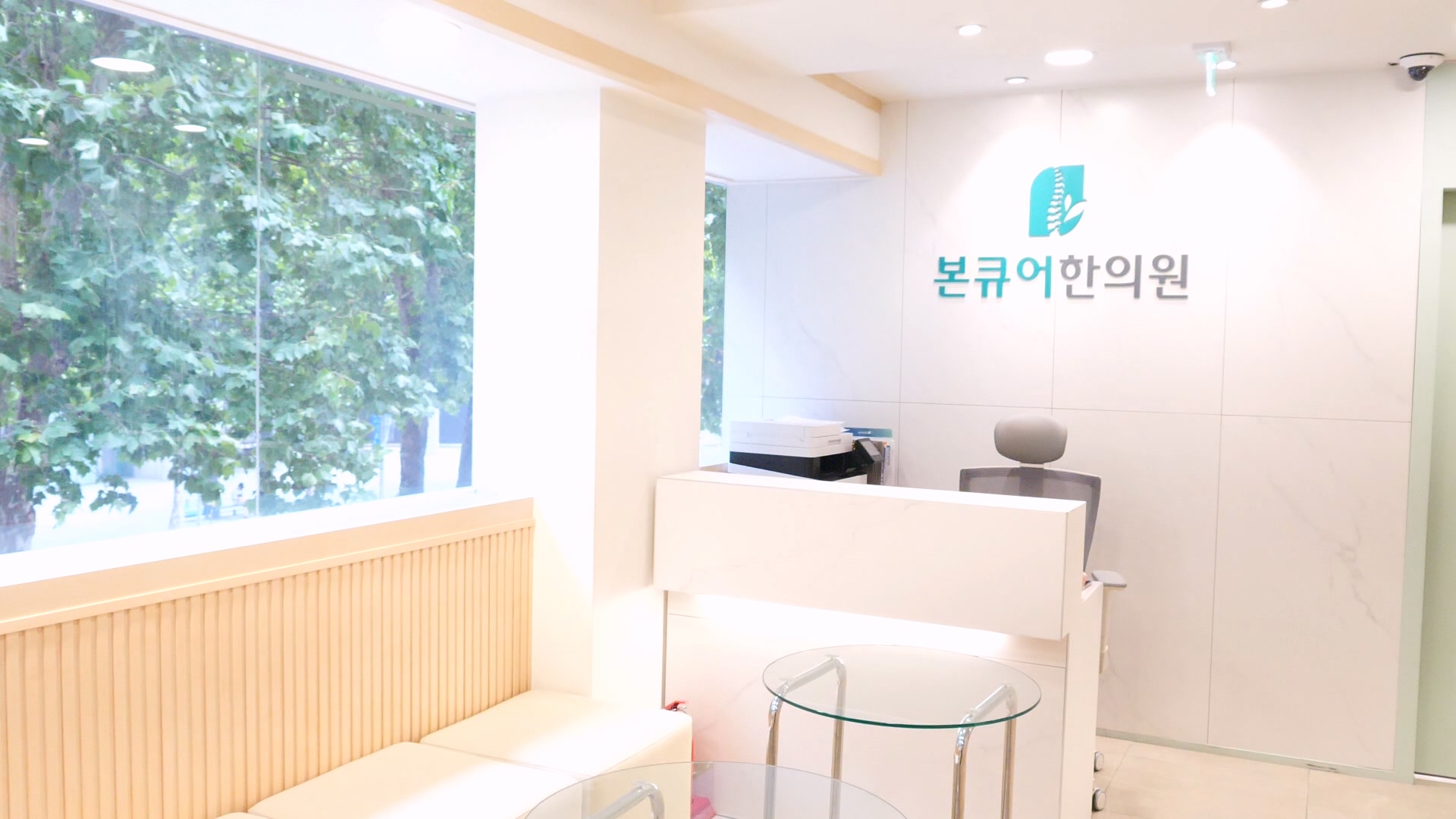
Hello. I am Dr. Song Jeong-hyeon, a Korean medicine doctor who has focused on acupotomy for many years to restore structural health. The 'wait and see' approach for structural spinal issues is a strategy of passive observation. While appropriate for some conditions, it may not be sufficient for many patients because it does not directly address the physical reality of misaligned vertebrae and hardened tissue adhesions. At BonCure Korean Medicine Clinic, we focus on identifying root causes rather than simply relieving symptoms.
In this guide, I will explain why active structural intervention is necessary for long-term recovery and the risks associated with delaying treatment.
Defining Structural Spinal Issues and the Risk of Passive Observation
Structural spinal issues are physical misalignments of the skeletal framework, including the vertebrae and pelvis, that cannot be resolved through rest or basic lifestyle changes alone. While simple muscle strains often resolve with time, structural misalignments involve altered bone positions and shortened ligaments that may require a different clinical approach to address the resulting equilibrium. At Bonecure, we define these issues as mechanical imbalances where precise physical intervention can be a valuable option to support the restoration of the natural curvature and function of the musculoskeletal system.
The Core Difference Between Muscular Fatigue and Structural Misalignment
Distinguishing between temporary muscular fatigue and persistent structural misalignment is the first step toward effective recovery. Muscular fatigue typically results from overexertion and responds well to rest, hydration, and gentle stretching within a few days. However, structural misalignment involves the actual shifting of the vertebrae, which places uneven pressure on the surrounding soft tissues and discs. When the spine loses its alignment, the body attempts to stabilize itself by tightening specific muscle groups, leading to chronic stiffness that does not dissipate with sleep. This state of constant tension often leads to a cycle of pain that persists for weeks or months. At Bonecure, we observe that when structural misalignments are managed only as temporary fatigue, symptoms may recur if the underlying skeletal balance is not individually evaluated and addressed. This fundamental distinction is critical for choosing the right clinical path rather than hoping for spontaneous resolution or relying on simple relaxation techniques.
Why Diagnostic Imaging Often Reveals Silent Structural Changes
Many patients are surprised to find significant issues on their scans despite having relatively mild initial symptoms. This occurs because structural changes often progress silently until they reach a threshold of nerve or tissue irritation. For example, a whole spine X-ray might show a significant lateral tilt or a loss of the natural cervical curve that has been developing over several years. These silent changes represent a state of unstable compensation where the body is working overtime to maintain an upright posture. By the time pain becomes unbearable, the structural deviation is often quite advanced. Relying solely on how you feel can be deceptive, as the absence of acute pain does not necessarily mean your spine is healthy. Clinical imaging provides a clear map of the skeletal framework, allowing us to identify areas of concern before they lead to irreversible degeneration or chronic functional impairment in the nervous system. Early detection through imaging allows for more targeted and efficient treatment plans.
Understanding the Limitations of the Traditional Wait and See Strategy
The 'wait and see' strategy is based on the body's inherent ability to heal. However, while the human body is remarkably resilient, it can be challenging for the system to naturally correct a displaced vertebra once deep fibrotic adhesions have formed, often necessitating professional intervention. Waiting often allows these soft tissues to harden and calcify, effectively locking the spine into a maladaptive posture. This passivity gives the condition more time to become chronic, making future treatments more complex and time-consuming. In my clinical experience, patients who wait until they are in a crisis often require more intensive care than those who seek intervention early. While observation is a valid clinical choice, it is important to consult a professional to ensure minor imbalances do not progress. Proactive care and expert consultation can help maintain a mobile and properly aligned skeletal system over the long term.
The Physiological Consequences of Neglected Spinal Imbalance
Neglected spinal imbalance refers to the long-term physiological deterioration of the body's internal structures due to the persistence of uncorrected skeletal deviations. When the spine remains out of alignment, it creates a cascade of negative effects, ranging from localized tissue damage to systemic disruptions in the nervous system. These consequences are often progressive, meaning they worsen as time passes without intervention, eventually affecting the patient's overall quality of life and functional mobility.
The Role of Soft Tissue Adhesions in Chronic Pain Progression
Soft tissue adhesions are dense clusters of fibrotic tissue that form when the body attempts to repair localized damage or stabilize a misaligned joint. These adhesions act like internal glue, sticking muscles, fascia, and ligaments together in ways that restrict normal movement. As the spine remains misaligned, the constant mechanical stress triggers a persistent inflammatory response, leading to the accumulation of more scar tissue. This process can continue for a long period in chronic cases, as seen in some patients with long-standing tinnitus or back pain. These hardened tissues eventually compress nearby nerves and blood vessels, intensifying the sensation of pain and reducing the efficacy of standard stretching. Breaking these adhesions requires specialized tools like the blade-like needle used in acupotomy, as they are often too deep and tough for manual massage to reach. Without addressing these physical barriers, the spine cannot return to its natural state of balance and mobility.
How Structural Deviations Compromise the Autonomic Nervous System
The spine serves as the primary conduit for the central nervous system, and any deviation in its structure can affect the transmission of vital signals. Structural imbalances in the cervical spine, for instance, can put pressure on the autonomic nerves that regulate heart rate, digestion, and blood flow. This disruption can lead to a wide array of symptoms that seem unrelated to the back, such as dizziness, chronic fatigue, or even digestive issues. In some clinical cases, correcting the structural alignment has been associated with a reduction in autonomic symptoms and improvements in clinical scales measuring tinnitus severity. Typical results vary depending on the individual's condition, and these specific outcomes may not be representative of all patients. When the physical housing of the nervous system is compromised, the entire body struggles to maintain homeostasis. Ensuring the spine is correctly positioned is not just about relieving back pain, it is about protecting the integrity of the communication lines that keep the body functioning harmoniously.
The Risk of Irreversible Degeneration in Unstable Spinal Segments
Persistent spinal instability significantly increases the risk of accelerated joint wear and tear, often leading to early-onset osteoarthritis or disc herniation. When a spinal segment is out of alignment, the weight of the body is distributed unevenly across the vertebral surfaces. This localized pressure causes the cartilage to wear down much faster than it would in a balanced system. Over time, the body may respond by growing bone spurs in an attempt to stabilize the unstable joint, which further restricts movement and increases pain. These degenerative changes are often permanent, meaning that once the bone has changed shape, it cannot be easily restored. The Long-Term Risks of Ignoring Minor Structural Bone Misalignments: A 2026 Bonecure Guide explains how early intervention can prevent these irreversible stages. Waiting for symptoms to disappear on their own often means waiting for the damage to become structural and permanent, making the eventual recovery process much more difficult. Proactive treatment preserves joint health.
| Feature | Symptom-Focused Care | Structural Restoration Approach |
|---|---|---|
| Primary Goal | Immediate comfort and relief | Focus on skeletal alignment |
| Methodology | Rest, medication, standard acupuncture | Acupotomy, Chuna, Doin-Ankyo |
| Tissue Focus | Superficial muscle relaxation | Addressing deep fibrotic adhesions |
| Results Focus | Short-term symptom management | Long-term structural stability |
| Diagnostic Tool | Symptom-based assessment | Structural analysis and X-ray |
Comparison of Conventional Symptom Management vs. Bonecure Structural Restoration
Conventional symptom management focuses on the immediate reduction of pain signals through pharmacological or superficial means, whereas structural restoration aims to fix the underlying mechanical cause. While pain relief is important, it does not necessarily equate to healing if the physical structure remains compromised. At Bonecure, we prioritize the restoration of skeletal alignment to ensure that the relief is sustainable and the body's natural function is fully recovered.
Analyzing Temporary Pain Relief versus Fundamental Structural Correction
Many treatments provide quick relief by numbing the pain or temporarily relaxing the muscles, but they often fail to address why the pain started in the first place. While symptom management provides necessary relief, it may not address the underlying mechanical cause. If structural misalignment persists, discomfort may return once the temporary effects of medication or massage diminish, suggesting a need for a more comprehensive approach. Fundamental structural correction, on the other hand, involves physically shifting the vertebrae back into their correct positions and releasing the tensions that hold them in place. This process can be more intensive and is tailored to achieve stability, aiming for long-term structural integrity for chronic sufferers. By focusing on the root cause, we aim to help break the cycle of recurring pain that plagues many patients who rely solely on symptom management. Our goal is for patients to feel immediate changes through high-impact, concentrated treatment sessions that restore the body's original structural design.
Why Surface Level Acupuncture for Back Pain May Not Address Deep Adhesions
Standard acupuncture is an excellent tool for promoting blood flow and relaxing superficial muscle layers. Acupotomy, meanwhile, utilizes a specialized mechanical mechanism to address deep-seated fibrotic adhesions. These adhesions are often located close to the bone, where the unique design of the acupotomy needle allows for targeted physical release. For chronic structural issues, a more specialized approach is needed to physically detach the hardened tissue from the bone and ligaments. Acupotomy, which uses a needle with a small flat blade at the tip, is designed for this specific purpose. Acupotomy and Structural Restoration: A Guide to Precision Care at Bonecure provides further detail on how this technique differs from traditional methods. Achieving lasting structural alignment often requires addressing these deep adhesions, as they can influence the position of the bones. In complex cases, specialized tools may be a necessary component of a successful treatment plan.
Acupotomy and Structural Doin-Ankyo as Solutions for Chronic Issues
Acupotomy and structural Doin-Ankyo are advanced therapeutic techniques used to resolve deep tissue adhesions and skeletal misalignments that have become chronic. These methods combine the wisdom of traditional medicine with a modern understanding of anatomy and biomechanics to provide a comprehensive solution for complex pain. By physically releasing the structures that inhibit movement, these treatments allow the body to return to its optimal state of health and balance.
Releasing Hardened Tissue Adhesions with Precision Acupotomy
Acupotomy is a highly specialized procedure that involves the use of a unique, blade-tipped instrument to perform a micro-surgery on hardened soft tissues. This technique is particularly effective for patients who have suffered from chronic conditions for many years and have found no relief from traditional therapies. The goal of the procedure is to physically separate the adhesions that have formed around the joints and nerves, thereby restoring blood flow and reducing mechanical irritation. At Bonecure, we utilize this method to address the root physical barriers to recovery that other treatments often overlook. While the procedure can cause some temporary discomfort or localized soreness, many patients experience a significant improvement in mobility shortly after the adhesions are released. By removing these internal obstructions, we create the necessary space for the spine to be realigned and for the surrounding tissues to begin the natural healing process in a healthy environment. This method addresses the physical limitations directly.
Restoring Balance Through Integrated Chuna and Structural Manipulation
Once the deep adhesions have been released with acupotomy, the next step in our protocol involves restoring the skeletal balance through Chuna and Doin-Ankyo manipulation. These techniques involve the manual adjustment of the spine and joints to correct misalignments and improve the range of motion. Unlike standard chiropractic adjustments, structural Doin-Ankyo at Bonecure focuses on the entire skeletal chain, ensuring that the pelvis, spine, and neck are all working together harmoniously. This integrated approach is essential because a misalignment in one area often leads to compensatory changes in another. For example, a tilted pelvis can cause chronic neck pain as the body tries to keep the head level. By addressing the entire structure, we can achieve more stable and lasting results. This comprehensive realignment helps to normalize the pressure on the discs and nerves, allowing the patient to regain their vitality and move with greater ease and comfort. We focus on achieving immediate structural shifts that patients can feel.
Navigating Your Path to Recovery and Setting Realistic Expectations
Navigating the path to recovery involves understanding that structural restoration is a process that requires time, patience, and active participation from the patient. Setting realistic expectations is vital to ensure that patients stay motivated and understand the milestones of their treatment journey. At Bonecure, we provide a clear roadmap for each individual, helping them understand what to expect during and after their clinical sessions.
Individual Variability in Recovery Timelines and Outcomes
Every patient's journey to structural health is unique, as recovery timelines are heavily influenced by the duration and severity of the condition. A patient who has lived with spinal misalignment for many years may require a more personalized stabilization phase than someone with a relatively recent injury. Factors such as age, overall health, and adherence to post-treatment exercises also play a significant role in determining how quickly the body responds. While many individuals notice functional improvements immediately after treatment, others may experience a more gradual change as their body adapts to its new alignment. It is important to remember that structural restoration is about rebuilding a foundation, which requires consistency. We monitor progress through objective measures like X-rays and clinical scales to ensure that we are on the right track toward a lasting recovery. We avoid pre-determined session guarantees, focusing instead on immediate impact and individualized care plans.
Essential Risk Disclosures and Potential Side Effects of Treatment
As with any clinical procedure that involves deep tissue work, it is important to be aware of the potential side effects and risks. Following an acupotomy session, patients may experience temporary soreness at the site of the procedure, which typically lasts for a few days as the tissues begin to heal. Minor bruising or localized swelling are also possible as the body responds to the release of long-standing adhesions. These are normal reactions to the physical intervention and generally resolve quickly without further treatment. In rare cases, localized infection can occur, though we maintain strict sterile protocols to minimize this risk. It is also important to note that individuals with certain medical conditions or those on blood-thinning medications must undergo a thorough consultation to ensure suitability for treatment. Understanding these potential outcomes allows patients to undergo their therapy with confidence, knowing that their safety and well-being are always the primary concern. We prioritize transparency in all clinical interactions to ensure patient comfort.
Key Takeaways
- Structural spinal issues are mechanical misalignments that require active intervention rather than passive observation.
- Passive 'wait and see' approaches allow deep tissue adhesions to harden, making future treatment more complex.
- Acupotomy and Chuna at Bonecure provide a way to physically release adhesions and restore proper skeletal alignment.
- Chronic symptoms like tinnitus or dizziness can be linked to spinal imbalances that affect the nervous system.
- Recovery is an individual process that requires setting realistic timelines and understanding the physical requirements of structural change.
Frequently Asked Questions
Q. What exactly is the wait and see approach for spinal health?
The 'wait and see' approach involves monitoring symptoms without active clinical intervention, often with the hope that the body will self-correct. However, for structural issues like spinal misalignment, this passivity can allow tissue adhesions to harden and calcify. This process makes the underlying skeletal problem more difficult to treat later as the body locks into a maladaptive posture.
Q. How does Bonecure define a structural spinal issue?
At Bonecure, we define structural issues as physical misalignments of the vertebrae and pelvis that cannot be corrected by simple rest or medication. These issues often involve shortened ligaments and fibrotic tissue adhesions that pull the spine out of its natural curvature. Resolving these problems requires specific physical release through techniques like acupotomy to restore the body's mechanical balance.
Q. Is Acupotomy safe for chronic back pain patients?
Acupotomy is a specialized procedure used to release deep adhesions and is generally considered safe when performed by a trained professional like Dr. Song Jeong-hyeon. While effective for many chronic sufferers, it may cause temporary side effects such as soreness, minor bruising, or localized swelling. A thorough consultation is always necessary to ensure the treatment is appropriate for the individual's specific health profile.
Q. Why is regular acupuncture sometimes insufficient for structural problems?
Standard acupuncture is excellent for muscle relaxation and improving blood circulation, but it often lacks the mechanical force needed to break down dense, thickened fibrotic adhesions. These deep adhesions physically anchor the spine in a misaligned state and require a more specialized tool for release. Acupotomy uses a small blade-tipped needle to specifically target and detach these hardened tissues near the bone.
Q. What are the risks of ignoring spinal misalignment?
Ignoring spinal misalignment can lead to a range of long-term issues, including chronic nerve compression, persistent inflammation, and accelerated joint degeneration. Over time, these structural deviations can also affect the autonomic nervous system, potentially leading to symptoms like dizziness or digestive issues. Early intervention is key to preventing these minor imbalances from becoming permanent physical defects.
Q. How many sessions are typically required for structural restoration?
The number of sessions required varies significantly based on the severity and duration of the issue. We do not set fixed numbers like '10 sessions for everyone' because we believe in personalized care. While many patients experience immediate changes, chronic or severe misalignments require an individualized treatment plan to achieve stable, lasting results. We use objective measures to track progress during each phase of restoration.
Q. Can structural treatment improve symptoms like dizziness or tinnitus?
Yes, in cases where symptoms like dizziness or tinnitus are linked to cervical spine misalignment affecting nerve signals or blood flow, structural correction may help. For example, some clinical reports have shown significant improvements in tinnitus severity scores following structural treatment. Typical results vary depending on the individual's condition, and these specific outcomes may not be representative of all patients. Results depend on the patient's specific pathology and structural condition.
For further consultation or to begin your structural restoration journey, please contact us. Bonecure / Dr. Song Jeong-hyeon
FAQ
- What exactly is the wait and see approach for spinal health?
- The 'wait and see' approach involves monitoring symptoms without active clinical intervention, often with the hope that the body will self-correct. However, for structural issues like spinal misalignment, this passivity can allow tissue adhesions to harden and calcify. This process makes the underlying skeletal problem more difficult to treat later as the body locks into a maladaptive posture.
- How does Bonecure define a structural spinal issue?
- At Bonecure, we define structural issues as physical misalignments of the vertebrae and pelvis that cannot be corrected by simple rest or medication. These issues often involve shortened ligaments and fibrotic tissue adhesions that pull the spine out of its natural curvature. Resolving these problems requires specific physical release through techniques like acupotomy to restore the body's mechanical balance.
- Is Acupotomy safe for chronic back pain patients?
- Acupotomy is a specialized procedure used to release deep adhesions and is generally considered safe when performed by a trained professional like Dr. Song Jeong-hyeon. While effective for many chronic sufferers, it may cause temporary side effects such as soreness, minor bruising, or localized swelling. A thorough consultation is always necessary to ensure the treatment is appropriate for the individual's specific health profile.
- Why is regular acupuncture sometimes insufficient for structural problems?
- Standard acupuncture is excellent for muscle relaxation and improving blood circulation, but it often lacks the mechanical force needed to break down dense, thickened fibrotic adhesions. These deep adhesions physically anchor the spine in a misaligned state and require a more specialized tool for release. Acupotomy uses a small blade-tipped needle to specifically target and detach these hardened tissues near the bone.
- What are the risks of ignoring spinal misalignment?
- Ignoring spinal misalignment can lead to a range of long-term issues, including chronic nerve compression, persistent inflammation, and accelerated joint degeneration. Over time, these structural deviations can also affect the autonomic nervous system, potentially leading to symptoms like dizziness or digestive issues. Early intervention is key to preventing these minor imbalances from becoming permanent physical defects.
- How many sessions are typically required for structural restoration?
- The number of sessions required for recovery varies significantly based on the severity and duration of the structural issue. While some patients may notice functional improvements quickly, those with long-standing or severe misalignments may need 20 sessions or more to achieve stable, lasting results. We tailor the treatment plan to each individual's progress and use objective measures to track the restoration of the skeletal framework.
- Can structural treatment improve symptoms like dizziness or tinnitus?
- Yes, in cases where symptoms like dizziness or tinnitus are linked to cervical spine misalignment affecting nerve signals or blood flow, structural correction may help. For example, some clinical reports have shown a reduction in tinnitus severity scores from 54 to 2 points following intensive treatment. However, results are not guaranteed and depend on the patient's specific pathology and structural condition.