
Post
Wellness Tourism Seoul Acupuncture: A 2026 Guide to Structural Restoration at Bonecure
Wellness tourism Seoul acupuncture represents a sophisticated intersection of ancient wisdom and modern clinical precision designed to restore bodily harmony for international travelers.
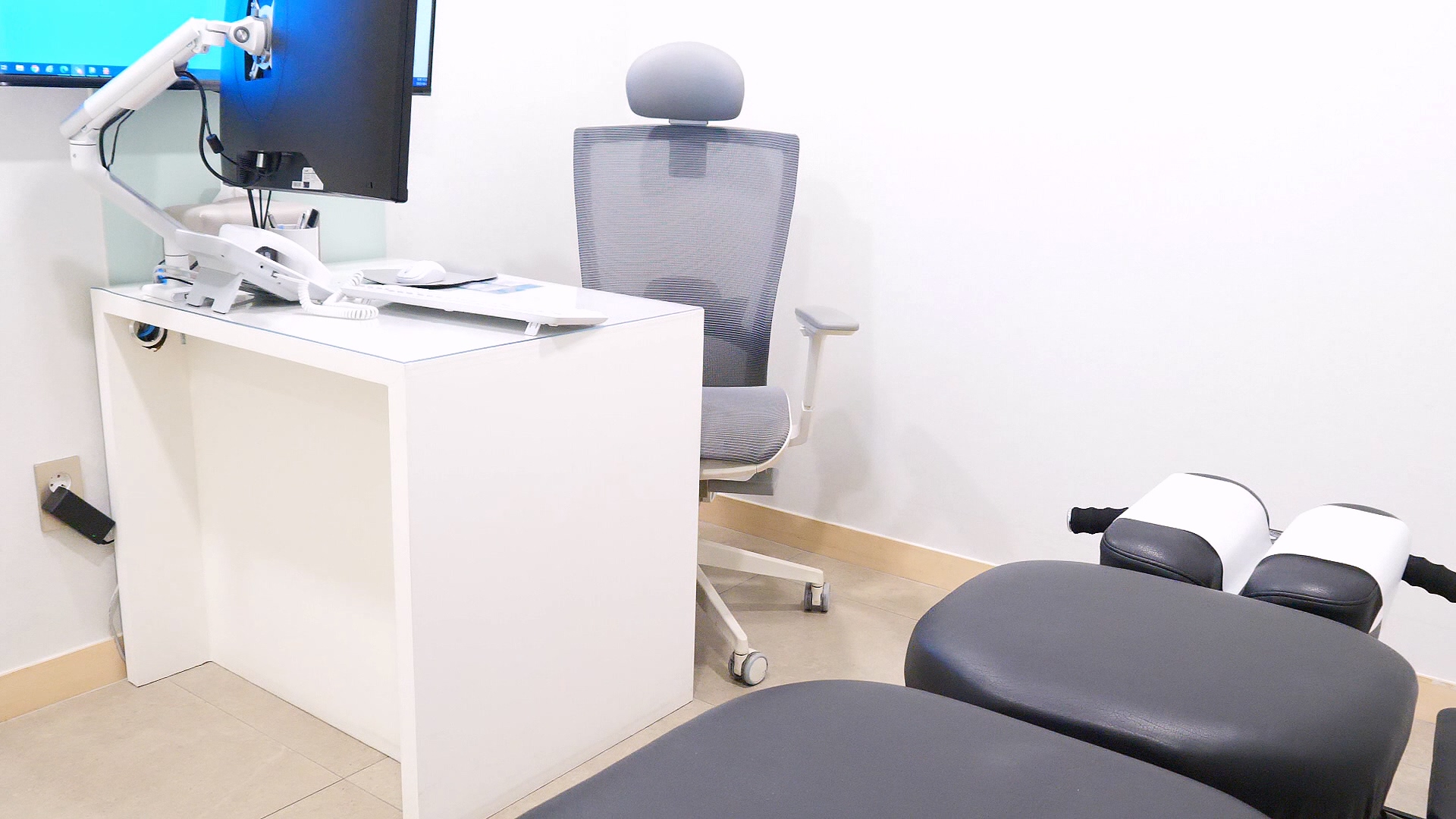
As the global interest in medical wellness grows, many seekers look to South Korea for specialized treatments that address the root causes of chronic pain rather than merely masking symptoms. Hello, I am Dr. Song Jung-hyun, a practitioner who has dedicated my career to the clinical application of acupotomy and structural restoration at Bonecure. My goal is to guide you through the scientific principles and practical logistics of seeking high-level Korean traditional medicine during your stay in Seoul.
Understanding Wellness Tourism and Acupuncture in Seoul
Medical wellness in contemporary Korea is defined as an integrative approach to health that combines evidence-based traditional therapies with modern diagnostic tools to optimize physiological function. This evolving field prioritizes proactive maintenance and structural integrity, moving beyond the simple absence of disease toward a state of complete physical and autonomic balance. By utilizing modern imaging and scientific assessment, clinics now offer personalized pathways for recovery that resonate with the global health-conscious community seeking sustainable lifestyle improvements.
Defining Medical Wellness in Contemporary Korea
Medical wellness within the context of 2026 Seoul is a comprehensive framework that integrates traditional healing philosophies with objective clinical data. At Bonecure, we define this as a methodology that addresses structural and functional health to resolve the root causes of pain. Unlike conventional approaches that may focus solely on symptom suppression, my practice emphasizes immediate improvement through structural correction. Contemporary Korean medicine does not operate in a vacuum; it utilizes advanced diagnostic protocols to understand how spinal alignment affects the autonomic nervous system. For international patients, this means receiving care that is both culturally rich and scientifically validated. The focus is on achieving a state where the body can self-regulate and heal from the stresses of modern life. This paradigm of wellness attracts individuals who value a holistic yet evidence-first approach to their well-being. By focusing on the structural foundation of the body, we aim to provide a transformative health experience that ensures every patient receives a tailored strategy for internal balance and vitality.
The Role of Acupuncture in Global Health Travel
A 2026 Clinical Overview of Traditional Korean Medicine: The Evidence-First Approach to Structural Restoration highlights how specialized needling techniques have become a cornerstone of the global wellness industry. Acupuncture is no longer viewed solely as a localized treatment for muscle tension; it is recognized as a systemic intervention that can modulate pain signals and improve circulation. For global health travelers, the appeal lies in the non-invasive nature of the therapy combined with its profound impact on chronic conditions. Seoul has established itself as a prominent destination because its practitioners often hold specialized expertise in advanced techniques like acupotomy. These methods are particularly effective for business travelers or long-haul tourists who suffer from accumulated physical stress and postural imbalances. By integrating these sessions into a travel itinerary, visitors can address long-standing health issues while exploring the vibrant culture of Korea. This dual benefit makes acupuncture a vital component of the modern medical tourism landscape, providing relief that is often unavailable in their home countries through conventional means alone.
Why Travelers Choose Seoul for Structural Restoration
Travelers choose Seoul for structural restoration because of the unique synergy between highly trained specialists and cutting-edge clinical facilities. The city’s medical infrastructure allows for precise analysis, including the use of X-ray imaging to assess spinal curvature and alignment before treatment begins. At Bonecure, we see many patients who travel specifically for our evidence-based approach to structural health. The precision of Korean acupotomy, which involves the use of specialized tools to release internal tissue adhesions, offers a level of care that is distinctive compared to standard muscle-focused therapies. Furthermore, the efficiency of the Korean medical system allows international visitors to receive comprehensive consultations and treatments within a condensed timeframe. This accessibility, combined with a reputation for safety and clinical excellence, positions Seoul as a global leader in structural wellness. Patients often observe immediate changes in their condition, which validates their decision to seek care in this innovative medical hub. The combination of professional expertise and a patient-centered environment ensures a high-quality wellness journey for every visitor.
Innovative Acupuncture Techniques for Global Wellness Seekers
Acupotomy is a specialized form of acupuncture that utilizes a blade-like needle to perform microsurgical release of internal tissue adhesions and fibrotic changes. By targeting the specific areas where muscles and fascia have become abnormally fused, this technique restores the natural gliding motion of tissues and relieves pressure on trapped nerves. It is a cornerstone of structural regeneration, as it addresses the physical barriers to healing that standard needles cannot reach. While the procedure involves more intensity than traditional needling, its focus on structural correction provides a pathway for long-term recovery in chronic cases.
Acupotomy: Adhesion Release for Structural Regeneration
Acupotomy stands at the forefront of innovative care at Bonecure, offering a clinical solution for those with stubborn musculoskeletal issues. This technique uses a specialized, flat-headed needle to delicately release adhesions that have formed due to chronic inflammation or injury. In clinical practice, I have documented specific case reports, such as a patient with an 18-year history of chronic tinnitus, who experienced significant improvement after structural correction of the cervical spine. However, it is important to note that results vary by individual. By breaking down these microscopic scars, we facilitate the regeneration of healthy tissue and restore proper blood flow. My clinical philosophy does not mandate a fixed number of sessions; instead, I aim for immediate, tangible improvement that the patient can feel. This method is particularly valued by those who have not found relief through conventional physiotherapy, as it directly addresses mechanical obstructions within the soft tissue. Each session is performed with extreme precision to ensure safety and to maximize the body's natural restorative capabilities.
Scientific Approaches to Chronic Pain Management
Managing chronic pain requires more than just temporary relief; it necessitates a scientific understanding of how the body processes discomfort. At Bonecure, we utilize standardized evaluation scales to monitor patient progress. In specific clinical case reports involving patients with chronic tinnitus and hearing loss, significant improvements in distress scores were documented following structural intervention, although these specific outcomes are not guaranteed for every patient. By tracking these metrics, we can provide objective evidence of the effectiveness of our protocols. Chronic pain is often linked to the autonomic nervous system, and by correcting structural misalignments, we can help stabilize the body's internal environment. Acupuncture Treatment Benefits: A 2026 Clinical Guide to Acupotomy and Structural Restoration further explains how these scientific applications work to downregulate pain sensitivity. We focus on evidence-first care, ensuring that every intervention is backed by clinical reasoning and tailored to the individual's physiological needs. This rigorous approach helps patients understand the "why" behind their treatment, fostering a sense of partnership in the healing process.
Combining Traditional Theory with Modern X-ray Analysis
The integration of traditional meridian theory with modern X-ray analysis allows for a level of diagnostic accuracy that was previously unattainable. At Bonecure, we analyze the whole spine to identify specific misalignments that correlate with the patient's symptoms. This visual evidence allows us to map out a precise treatment plan, targeting the exact vertebrae or joints that require intervention. For example, in cases of idiopathic scoliosis or cervical spine issues, seeing the 2026 updated imaging helps both the practitioner and the patient visualize the structural goals. By combining this data with traditional pulse diagnosis and meridian palpation, we create a multidimensional view of the patient's health. This approach ensures that we are not just treating the symptom, but addressing the underlying structural deviation that caused it. The use of objective imaging also allows us to track changes over time, providing a clear record of structural improvement. This synergy represents a comprehensive approach to wellness tourism Seoul acupuncture, offering international patients a transparent medical experience that prioritizes structural integrity and functional balance.
Comparing Traditional Care and Modern Bonecure Acupuncture
Traditional acupuncture and the modern structural protocols at Bonecure differ significantly in their clinical goals and methodologies. While traditional care often focuses on general energy flow and immediate muscle relaxation, our modern approach prioritizes the mechanical correction of the skeletal system and the release of deep tissue adhesions. The following table provides a neutral comparison of these two approaches to help you understand which might be better suited for your specific wellness needs.
| Feature | General Traditional Acupuncture | Bonecure Structural Acupotomy |
|---|---|---|
| Primary Tool | Fine, filiform needles | Specialized blade-like acupotomy needles |
| Main Objective | Muscle relaxation and Qi flow | Adhesion release and structural alignment |
| Diagnostic Focus | Pulse and tongue analysis | X-ray analysis and postural assessment |
| Treatment Intensity | Generally mild and relaxing | Focused and occasionally intense during release |
| Duration of Effect | Often temporary relief | Aims for long-term structural restoration |
| Typical Case | General stress and minor tension | Chronic pain, spinal misalignment, and adhesions |
Functional benefits for international business travelers often include improved posture and the resolution of travel-induced stiffness. By addressing the structural root causes, Bonecure helps patients achieve a more resilient physical state. A 2026 Clinical Guide to Dr. Song Jung-hyun's Structural Restoration at Bonecure offers deeper insights into how these specialized methods support the nervous system's recovery from chronic stress and physical exhaustion.
Wellness Journey Logistics for Foreign Patients in Seoul
Navigating the healthcare landscape in a foreign country requires clear communication and an understanding of local procedures. For those seeking wellness tourism Seoul acupuncture, it is essential to choose a clinic that is experienced in handling international patients and their specific travel constraints. The journey begins with a comprehensive consultation where health history and travel schedules are synchronized to create an efficient and effective treatment plan. Safety and comfort are paramount, ensuring that the wellness experience enhances the overall travel journey rather than causing additional stress.
Navigating Acupuncture Clinics as a Global Traveler
For a global traveler, finding a reputable clinic in Seoul involves looking for facilities that prioritize transparency and clinical evidence. It is recommended to research clinics like Bonecure that specifically mention structural restoration and acupotomy if you are dealing with chronic issues. When scheduling an appointment, consider the timing of your visit; many patients choose to have their first consultation early in their trip to allow for multiple follow-up sessions. It is also helpful to have your medical history and any recent imaging results available, though most top-tier clinics will perform their own assessments. Navigating the logistics of a foreign city can be challenging, so choosing a clinic located in a central wellness hub like Cheongdam-dong can simplify your travel. Most professional clinics will provide clear instructions on how to prepare for your session and what to expect during the recovery phase. By planning ahead and choosing a clinic that understands the needs of international visitors, you can ensure a seamless integration of medical care into your Seoul itinerary, allowing you to focus on your recovery and enjoyment of the city.
Communication and Treatment Procedures at Bonecure
At Bonecure, we prioritize clear communication to ensure that international patients feel fully informed throughout their wellness journey. The treatment procedure begins with a detailed intake process where we discuss your specific health goals and any concerns regarding acupuncture. We utilize visual aids and structural diagrams to explain the findings of your X-ray analysis, ensuring you understand the proposed treatment plan. During the sessions, I explain each step of the acupotomy or needling process to minimize anxiety and ensure comfort. We understand that language can be a barrier, so we strive to provide support to facilitate a smooth dialogue. After each treatment, we provide specific guidance on post-care activities and what to expect during the stabilization period. This commitment to clear communication helps build trust and ensures that every patient, regardless of their background, receives the highest standard of care. Our goal is to make the clinical process as transparent as possible, allowing you to experience the full benefits of our structural restoration protocols.
Safety Protocols and Post-Treatment Care for Tourists
Safety is the foundation of all clinical practices at Bonecure, especially when treating international visitors who may be far from home. We adhere to strict hygiene protocols, using only sterile, single-use disposable needles for all procedures. While acupotomy is an effective technique, it is important for patients to be aware of potential minor side effects such as temporary soreness, localized bruising, or very rarely, a small risk of infection if post-care is neglected. We provide comprehensive post-treatment instructions, which generally include avoiding strenuous exercise, hot saunas, and excessive alcohol for at least 24 hours to allow the treated tissues to stabilize. For travelers, this means planning a low-impact activity for the remainder of their treatment day. We also monitor our patients for any adverse reactions and are available for follow-up consultations. By following these safety protocols and providing clear post-care guidance, we minimize risks and maximize the therapeutic outcomes for our global guests. Our focus on safety ensures that your wellness tourism experience in Seoul is both beneficial and secure, allowing you to return home with a restored sense of balance and health.
Key Takeaways
- Structural Focus: Wellness tourism Seoul acupuncture at Bonecure targets the structural alignment of the spine and joints for root cause treatment.
- Immediate Improvement: Our philosophy prioritizes immediate, tangible changes in symptoms and range of motion from the first session.
- Evidence-Based Cases: Clinical interventions for conditions like tinnitus are based on documented case reports, emphasizing personalized results.
- Professional Logistics: Specialized safety protocols and clear communication are tailored for the unique needs of international travelers.
Frequently Asked Questions
Q. What exactly is Acupotomy and how does it differ from regular acupuncture?
Acupotomy is a specialized clinical technique that uses a needle with a flat, blade-like tip to perform a microsurgical release of internal tissue adhesions. Unlike regular acupuncture, which primarily targets energy meridians, acupotomy focuses on mechanical obstructions and fibrotic changes within the fascia to restore structure and function.
Q. Is acupuncture in Seoul safe for international visitors?
Yes, acupuncture is highly regulated in South Korea. Bonecure follows stringent hygiene protocols, including the use of sterile, disposable needles. However, patients should be aware that minor side effects like temporary soreness or bruising can occur. We provide detailed post-care instructions to ensure a safe recovery for all guests.
Q. How many sessions are typically required for chronic pain?
At Bonecure, we do not mandate a fixed number of sessions like 10 or 20 to see results. We aim for immediate improvement that patients can feel during the treatment. The total number of sessions for long-term stabilization depends on the individual's condition and severity of adhesions, determined during the consultation.
Q. Does the clinic provide English-speaking services for wellness tourists?
Bonecure is dedicated to welcoming international patients and makes every effort to facilitate clear communication. We use visual diagrams and simplified structural analysis to ensure all patients understand their diagnosis and treatment goals. Our aim is to provide a transparent and comfortable experience for everyone.
Q. Are the results of Acupotomy clinically proven?
Acupotomy is supported by clinical observations and case reports showing improvements in structural alignment and pain scales. For example, my case reports include significant improvements in chronic tinnitus and hearing loss. However, results vary between individuals, and these specific outcomes are not guaranteed for every patient.
Q. Can I receive treatment if I am only in Seoul for a short stay?
Many travelers schedule treatment during short visits. We recommend booking a consultation early in your stay so we can design an efficient plan that fits your itinerary. Even a few sessions can provide a foundation for structural improvement and immediate relief from travel-related tension.
Q. What should I avoid after an acupuncture session in Seoul?
After a session involving acupotomy, we advise avoiding strenuous physical activity, hot saunas, or excessive alcohol for at least 24 hours. This stabilization period is crucial for the body to begin healing and to minimize temporary soreness, ensuring the best therapeutic outcome for your wellness journey.
Bonecure / Dr. Song Jung-hyun
FAQ
- What exactly is Acupotomy and how does it differ from regular acupuncture?
- Acupotomy is a specialized clinical technique that uses a needle with a flat, blade-like tip to perform a microsurgical release of internal tissue adhesions. Unlike regular acupuncture, which primarily targets energy meridians or superficial muscle tension, acupotomy focuses on mechanical obstructions and fibrotic changes within the fascia. This allows for structural restoration and improved range of motion in chronic conditions.
- Is acupuncture in Seoul safe for international visitors?
- Yes, acupuncture is highly regulated in South Korea, and clinics like Bonecure follow stringent safety and hygiene protocols, including the use of sterile, disposable needles. However, patients should be aware that minor side effects like temporary soreness or bruising at the treatment site can occur. We provide detailed post-care instructions to ensure a safe and smooth recovery for all our global guests.
- How many sessions are typically required for chronic back pain?
- The number of sessions varies significantly depending on the individual's structural condition and the duration of their symptoms. While some patients notice a change in their comfort levels after just one or two sessions, chronic cases often require 10 to 20 treatments to achieve lasting structural stability. A customized plan is always created after an initial consultation and X-ray analysis.
- Does the clinic provide English-speaking services for wellness tourists?
- Bonecure is dedicated to welcoming international patients and makes every effort to facilitate clear communication regarding treatment plans and structural analysis. We use visual diagrams and simplified explanations to ensure that all patients understand the findings of their diagnostics and the goals of their therapy sessions. Our aim is to provide a comfortable and transparent experience for everyone.
- Are the results of Acupotomy clinically proven?
- Acupotomy is based on numerous clinical case reports and observations showing improvements in spinal alignment and standardized pain scales. For instance, we have documented cases where chronic tinnitus scores dropped significantly after targeted structural care. However, because every body is unique, results can vary between individuals and cannot be guaranteed for every patient.
- Can I receive treatment if I am only in Seoul for a short stay?
- Many international travelers schedule intensive treatment blocks during a short visit to Seoul. We recommend booking an initial consultation as early as possible so that we can design an efficient treatment plan that fits your travel itinerary. Even a few sessions can sometimes provide a foundation for further recovery, though long-term issues usually require more consistent follow-up.
- What should I avoid after an acupuncture session in Seoul?
- After a session, especially one involving acupotomy, we advise patients to rest and avoid strenuous physical activity, hot saunas, or excessive alcohol for at least 24 hours. This period of stabilization is crucial for the body to begin the healing process and to minimize any temporary soreness. Following these guidelines helps ensure the best possible therapeutic outcome for your wellness journey.