
Post
Structural and Pulse Diagnosis: An Integrated Approach to Chronic Pain at BonCure
Traditional pulse diagnosis is a refined clinical procedure in Korean medicine used to assess systemic circulation and internal organ function by analyzing the arterial wave. By evaluating specific characteristics of the radial pulse, practitioners can identify underlying imbalances that contribute to chronic pain and autonomic dysfunction. At BonCure, this diagnostic art is integrated with modern structural analysis—including posture, movement, and X-ray evaluation—to provide a comprehensive understanding of a patient's health status in 2026.
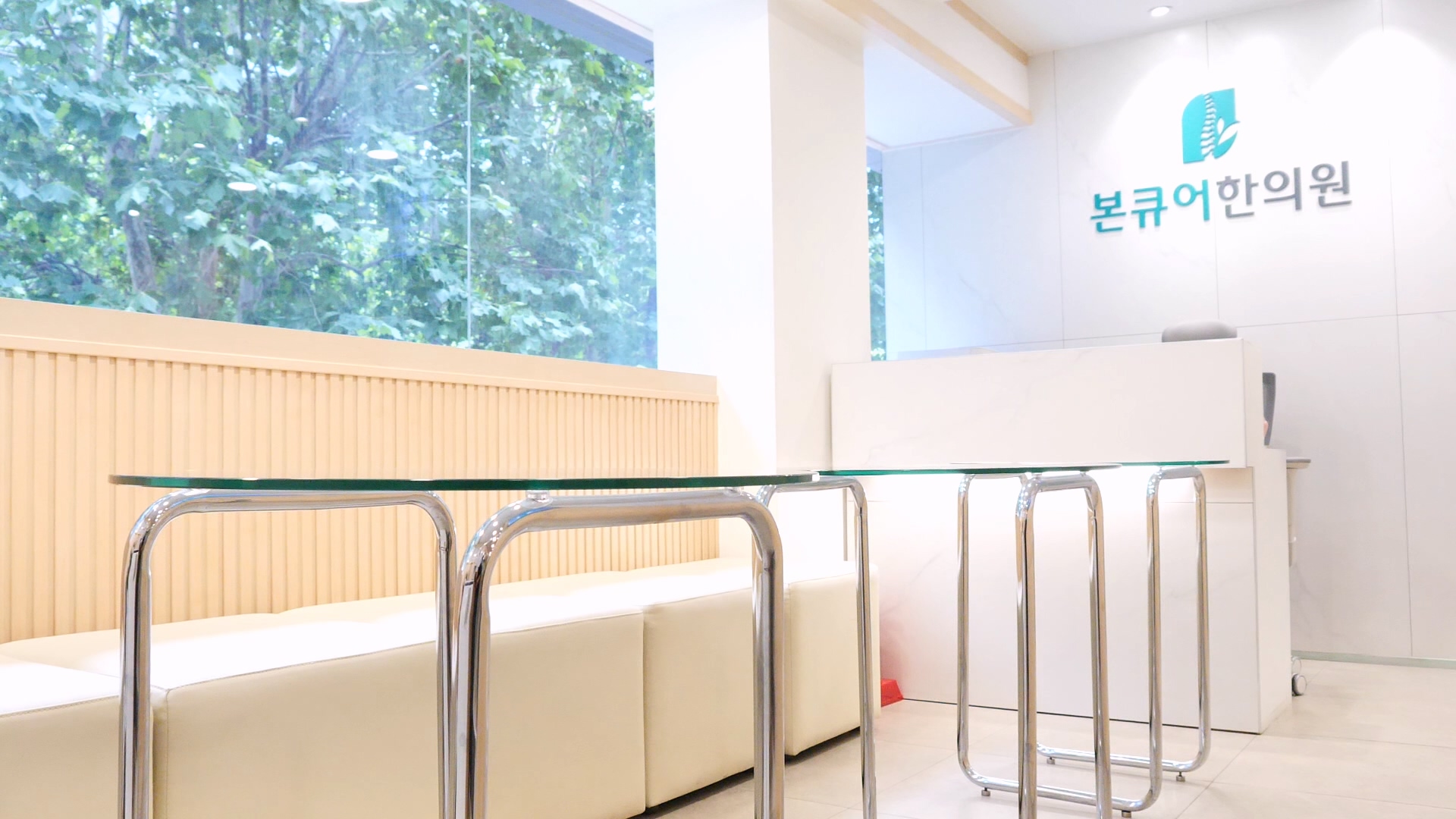
Rather than relying on a single metric, we look at the body as a whole to identify the root causes of pain.
Understanding Traditional Pulse Diagnosis: More Than Just Heart Rate
Traditional pulse diagnosis is defined as the qualitative assessment of the radial artery's waveform to determine the state of vitality, blood flow, and organ health. Unlike conventional heart rate monitoring, this method focuses on the 'shape' and 'texture' of the pulse wave across three specific depths. It provides a real-time snapshot of the body's internal environment, allowing for a highly personalized approach to restoration and recovery. At BonCure, this is performed efficiently to complement our focus on structural alignment.
The Science of Arterial Waveforms in Korean Medicine
The science of arterial waveforms involves interpreting the tactile sensations of the blood as it moves through the radial artery. In 2026, we recognize that the pulse is not merely a rhythmic beat but a complex data stream reflecting a detailed range of wave attributes. These attributes, such as width, length, and tension, correspond to specific physiological conditions within the vascular system. For instance, a 'wiry' pulse often indicates heightened sympathetic nervous system activity or chronic musculoskeletal tension. By utilizing 3 distinct levels of pressure—floating, middle, and deep—a practitioner can isolate whether a condition is acute and external or chronic and rooted deep within the internal systems. This sophisticated analysis allows for the detection of subtle circulatory changes before they manifest as severe structural symptoms. Through the observation of these waveforms, BonCure practitioners can develop a baseline for recovery that considers the unique vascular elasticity of each individual patient, integrated into a fast and impactful clinical workflow. (Alt Text: A modern medical diagram showing radial artery pulse points Cun Guan and Chi for diagnostic analysis.)
How a Focused Pulse Diagnosis Detects Internal Imbalance
A pulse diagnosis consultation serves as a vital diagnostic bridge between subjective patient reports and objective physiological states. During a brief and efficient diagnostic window, the practitioner assesses the patient’s radial pulse to detect 'stagnation' or 'deficiency' in the flow of energy and blood. This process is essential for identifying autonomic nervous system imbalances that often accompany chronic pain. For example, a patient reporting years of chronic fatigue may exhibit a 'thready' pulse, signifying a systemic depletion of resources. Conversely, inflammatory states often produce a 'slippery' pulse, suggesting an accumulation of metabolic waste. At BonCure, we prioritize speed and impact, ensuring this internal assessment complements our structural evaluations without extending the appointment unnecessarily. By identifying these patterns early, we can better tailor the overall treatment strategy to address the root cause rather than just the surface symptoms. This level of internal assessment ensures that the treatment plan is balanced, preventing the over-stimulation of sensitive systems while effectively targeting areas of significant congestion or weakness. (Alt Text: Close-up of a healthcare practitioner performing a manual pulse palpation on a patient's wrist.)
The Role of Radial Pulse Positioning: Cun, Guan, and Chi
The radial pulse is divided into three distinct positions known as Cun, Guan, and Chi, each corresponding to specific internal organ systems. By mapping these 3 points on both the left and right wrists, the practitioner gains insights into functional organ groups. The Cun position generally reflects the health of the upper burner, including the heart and lungs, while the Guan position monitors the middle burner, such as the liver and stomach. The Chi position relates to the lower burner, focusing on kidney and bladder functions. In a 2026 clinical setting, this mapping allows for a nuanced understanding of how structural issues, like spinal misalignment, might be impacting internal organ performance. If the Chi pulse is weak, it may suggest that a lumbar issue is not just structural but also involves a deeper deficiency in systemic vitality. This localized yet comprehensive mapping provides a clear roadmap for restorative care, particularly when paired with X-ray analysis to correlate internal signals with physical spinal alignment. (Alt Text: Anatomical illustration of the wrist highlighting the Cun Guan and Chi positions of the radial artery.)
Clinical Application of Pulse Diagnosis for Chronic Pain and Wellness
Clinical application in a wellness context refers to the practical use of pulse patterns to guide therapeutic interventions such as acupuncture and herbal therapy. By aligning the pulse findings with physical symptoms and structural assessments, practitioners can ensure that the treatment supports the body's natural healing capacity. This method is particularly effective for managing complex conditions that involve both physical tension and internal stress.
Integrating Structural Analysis with Pulse Diagnosis
Pulse patterns serve as a complementary guide alongside detailed structural assessments for selecting specific acupuncture points to manage chronic pain. When a patient presents with a 'tense' pulse, it suggests that the muscles and ligaments are in a state of constant contraction, often linked to structural misalignment of the cranium or spine. In these cases, A Clinical Guide to Advanced Acupuncture and Structural Alignment for Chronic Pain in 2026 explains how releasing specific meridians can soothe the pulse and, consequently, the nervous system. By monitoring the pulse during a session, a practitioner can observe changes in the body's tension levels in real-time, which helps in adjusting the treatment approach. A shift from a rapid, erratic pulse to a calm, steady rhythm may indicate that the treatment is assisting the body in regulating its pain response, though individual responses to acupuncture vary. This feedback loop ensures that the acupuncture intervention is balanced, providing a targeted approach to pain relief that respects the patient’s current physiological limits and recovery speed. (Alt Text: A minimalist medical infographic showing the connection between spinal alignment and nervous system health.)
Personalized Herbal Medicine and Systemic Recovery
Integrating pulse findings into clinical notes is essential for formulating personalized herbal medicine that addresses systemic imbalances. The pulse provides objective evidence of 'Heat,' 'Cold,' 'Dampness,' or 'Dryness' within the body, which dictates the selection of medicinal herbs. For instance, if the pulse indicates chronic inflammation, herbs with cooling and detoxifying properties are prioritized. In cases involving documented recovery, such as a long history of chronic symptoms, the herbal formula is adjusted over time as the pulse changes. In clinical practice, we monitor how a patient's condition evolves by tracking changes in standardized symptom scales. These adjustments are vital because the body's internal state evolves throughout the healing process, and treatment plans are modified based on the patient's specific progress and recovery speed. Please note that clinical outcomes depend on the individual's constitution and the severity of the condition. By matching the herbal properties to the evolving pulse, we ensure that the patient receives the exact support needed at every stage of their recovery, maximizing the potential for long-term health. (Alt Text: Assorted traditional Korean medicinal herbs and a focused diagnostic chart for personalized wellness.)
Comprehensive Approach at BonCure in Samseong-ro
BonCure utilizes pulse diagnosis as one component of its comprehensive health strategy. This approach combines traditional wisdom with modern structural analysis to counteract the impact of urban stress on the autonomic nervous system. Patients in high-stress environments often exhibit specific pulse deviations that require a dual focus on structural alignment and internal calming. By analyzing the pulse alongside physical diagnostic tools like X-rays and movement evaluations, we create a holistic profile that accounts for both the 'software' (the nervous system) and the 'hardware' (the musculoskeletal structure). This dual perspective is what distinguishes our integrated approach. The goal is to move beyond temporary relief and toward a state of systemic equilibrium. While individual results vary, the integration of these diagnostic layers allows for a more predictable and sustainable recovery path for those dealing with the complexities of modern, fast-paced lifestyles in Seoul's Gangnam district. (Alt Text: A modern and clean interior of a contemporary Korean medicine clinic with a focus on structural balance.)
Comparing Traditional Pulse Diagnosis and Western Vital Signs
Traditional pulse diagnosis and Western vital signs are complementary diagnostic tools that offer different perspectives on human health. While Western medicine focuses on quantitative data like heart rate and blood pressure, traditional diagnosis emphasizes the qualitative nature of blood flow. Understanding the synergy between these two approaches allows for a more complete diagnostic picture in a modern clinical environment.
| Feature | Conventional Pulse Monitoring | Traditional Waveform Analysis |
|---|---|---|
| Primary Metric | Beats Per Minute (BPM) | Shape, Depth, and Rhythm |
| Focus | Cardiovascular Speed | Organ System Vitality |
| Depth | Superficial (Radial) | Floating, Middle, and Deep |
| Equipment | Sphygmomanometer / Finger | Manual Palpation |
| Outcome | Quantifiable Statistics | Qualitative Patterns |
| Root Cause | Immediate Physical State | Systemic / Structural Roots |
Feature Comparison: Conventional Pulse vs. Traditional Waveform Analysis
The primary difference between conventional pulse monitoring and traditional waveform analysis lies in the depth of data gathered. Conventional monitoring is often limited to counting beats, providing a 1-dimensional view of cardiovascular activity. In contrast, traditional analysis at BonCure involves a detailed qualitative assessment representing unique physiological states. This approach allows for the identification of internal stresses that a simple BPM count would miss. For example, two patients might both have a heart rate of 72 BPM, but one may have a 'wiry' pulse indicating high stress, while the other has a 'soft' pulse indicating fatigue. By distinguishing these subtle differences, practitioners can offer more targeted interventions. This depth of information is crucial for developing a preventative health strategy, as it can detect early signs of imbalance before they lead to measurable changes in blood pressure or heart rate, providing a more proactive approach to wellness. (Alt Text: A side-by-side comparison chart showing heart rate metrics versus qualitative pulse wave patterns.)
Diagnostic Objectives: Immediate Symptoms vs. Root Cause Identification
The diagnostic objectives of these two systems differ in their temporal focus. Western vital signs are excellent for assessing the immediate, acute state of the body. Traditional pulse diagnosis, however, is designed to identify the root cause of chronic issues that may have developed over years, often in tandem with structural misalignment. By assessing the constitutional strength of the internal organs, a practitioner can understand why a patient is susceptible to certain recurring pains. For instance, using Advanced Acupotomy Techniques for Loosening Rigid Spinal Ligaments in 2026 may be the structural solution to release physical adhesions. The pulse then acts as a secondary indicator of systemic response and recovery capacity. This synergy between immediate symptom relief and long-term root cause identification ensures a balanced treatment plan. While the structural alignment addresses the 'where' of the pain, the pulse diagnosis assists in understanding the 'why,' leading to a more comprehensive resolution of health concerns. (Alt Text: A stylized diagram showing a human spine and the internal pathways of the nervous system.)
Restoring Systemic Balance Through BonCure Acupuncture Protocols
Restoring systemic balance involves using structural analysis and pulse diagnosis to inform advanced treatment protocols that target both physical and functional health. By understanding the body's internal and external state, practitioners can safely apply intensive therapies to release physical blockages and restore the flow of circulation. This integrated method ensures that the body is prepared for the regenerative changes brought about by structural realignments.
The BonCure Method: Addressing Adhesion with Acupotomy (Do-chim)
The BonCure method utilizes Acupotomy, or Do-chim, to address chronic tissue adhesions that have become rigid over time. This specialized tool is used when the physical assessment reveals structural misalignment caused by thickened ligaments or muscular adhesions. Acupotomy involves the use of a small, flat-headed needle to physically release adhered ligaments and muscles, which is often necessary when traditional acupuncture is not enough to restore mobility. Based on clinical case reports, patients who undergo a consistent series of treatments often show progress in structural alignment and a reduction in pain markers. This case report reflects a specific patient's experience and does not guarantee the same results for everyone. It is important to note that Acupotomy may cause temporary localized pain, minor bleeding, or, in rare instances, infection. The number of sessions required is determined based on the patient's unique recovery needs. The effectiveness of the procedure is highly individual, and chronic conditions often require multiple sessions for full restoration. (Alt Text: A clean, medical-grade illustration of a flat-headed acupotomy needle and its structural target points.)
Traditional Korean Detox for Autonomic Nervous System Recovery
A traditional Korean detox program is often recommended when clinical assessment indicates a high level of metabolic waste or systemic tension. This program focuses on clearing the internal pathways to allow the autonomic nervous system to return to a state of calm. When the nervous system is overloaded, the pulse often feels 'rapid' and 'slippery,' suggesting that the body is struggling to process internal stressors. The detox involves specialized herbal teas and dietary adjustments that support liver and kidney function, the body's natural filtration systems. Over the course of a 2026 clinical program, practitioners monitor the pulse and structural tension to ensure indicators of successful detoxification. By calming the internal environment, the body becomes more receptive to structural treatments like Chuna therapy or Acupotomy. This preparatory phase is essential for patients with chronic inflammation, as it reduces the overall stress load on the body, making subsequent interventions more effective and sustainable. (Alt Text: A calming image of herbal tea and a wellness diary indicating a healthy detox progress.)
Structural Alignment and Its Impact on Internal Circulation
Structural alignment is deeply connected to internal circulation, a relationship that is visible through clinical evaluation. When the spine is misaligned, it can compress nerves and blood vessels, leading to 'choppy' or 'irregular' circulation patterns. By addressing these structural deviations, we can observe improvements in the quality of the pulse over time, which helps us monitor the restoration of blood flow to the internal organs. This is why BonCure emphasizes the philosophy that 'When your bones smile, life smiles.' A healthy structure allows the 'software' of the nervous system and the 'hardware' of the bones to work in harmony. In cases of chronic ankle or back instability, restoring the proper alignment can alleviate the internal pressure that manifests as systemic imbalance. This holistic view ensures that we are not just moving bones, but are actually improving the systemic vitality of the entire body. Through consistent care and alignment, patients can achieve a state where their internal and external health are in balance. (Alt Text: A diagram illustrating the harmony between bone structure and internal organ function.)
Key Takeaways
- Comprehensive Mapping: Assessment utilizes 3 points (Cun, Guan, Chi) at 3 different depths to help evaluate the health of organ systems alongside structural checks.
- Structural Focus: BonCure prioritizes identifying root causes through cranium and spinal alignment, using pulse diagnosis as a secondary qualitative tool.
- Integrated Care: We combine modern diagnostics like X-ray analysis with traditional methods for a balanced recovery protocol.
- Individualized Treatment: All acupuncture and herbal interventions are tailored to the patient's unique structural and internal needs for maximum precision.
- Evidence-Based Recovery: Clinical improvements are tracked through objective structural changes and qualitative pulse improvements, though results vary by individual.
Frequently Asked Questions
Q. What is the primary purpose of traditional pulse diagnosis at BonCure?
At BonCure, pulse diagnosis is used as a complementary tool to assess the quality and rhythm of blood flow. It helps our practitioners identify internal imbalances, such as autonomic nervous system dysfunction, which may be contributing to chronic pain. This allows us to design a treatment plan that addresses both your physical structure and your internal health.
Q. How long does a diagnostic consultation typically take?
We focus on highly efficient and impactful care. A pulse diagnosis usually takes only 1 to 3 minutes as part of a broader consultation. Our goal is to quickly and accurately identify the primary issues—whether they are structural or functional—so we can begin the appropriate treatment immediately during your 10 to 20-minute session.
Q. Can pulse diagnosis determine the cause of my back pain?
It serves as a supportive tool to look at your body as a whole. While we primarily use posture analysis and X-rays to identify structural causes of back pain, pulse diagnosis helps us see if systemic factors, like chronic fatigue or inflammatory states, are making your pain worse. This combined approach ensures we aren't missing any underlying factors.
Q. Is Acupotomy (Do-chim) used based on pulse diagnosis results?
Pulse diagnosis provides insights into your current systemic state, but the decision to use Acupotomy is primarily based on our assessment of structural adhesions and spinal misalignment. We use Do-chim to physically release stiffened tissues, and we monitor your overall health to ensure the treatment is applied safely and effectively.
Q. What are common pulse patterns identified in the clinic?
We identify various qualitative patterns, such as a 'string-like' pulse often seen in patients with chronic stress and pain, or a 'thready' pulse indicating low systemic energy. These patterns, along with our structural findings, help us decide whether to focus more on corrective Chuna therapy, herbal support, or intensive Acupotomy.
Q. Are there any side effects to the treatments informed by these diagnostics?
Pulse diagnosis itself is non-invasive and has no side effects. However, the treatments it helps inform, such as Acupotomy, may involve minor risks like temporary localized pain, minor bleeding, or, rarely, infection. We always discuss these risks and ensure the treatment plan is adjusted to your individual recovery speed.
Q. Why does BonCure emphasize structural alignment over just pulse diagnosis?
Our philosophy is that structure governs function. While the pulse tells us about the internal 'software' (the nervous system and blood flow), structural analysis tells us about the 'hardware' (the bones and ligaments). We believe that 'When your bones smile, life smiles,' so we focus on correcting the physical alignment to achieve lasting health.
BonCure Korean Medicine Clinic / Dr. Song Jeong-hyun
FAQ
- What is the primary purpose of traditional pulse diagnosis at Bonecure?
- Pulse diagnosis is a vital diagnostic tool used by a Korean medicine doctor to assess the quality, strength, and rhythm of blood flow. This helps identify internal imbalances, such as autonomic nervous system dysfunction or circulatory blockages, allowing for a more personalized treatment plan for chronic pain. By understanding the body's internal state, we can ensure that our structural treatments are both safe and effective for each unique individual.
- Does traditional pulse diagnosis feel different from a regular heart rate check?
- Yes, it is a much more involved process than simply counting beats per minute. While conventional medicine focuses on speed, a traditional consultation involves applying varying levels of pressure at three specific points on the radial artery. The doctor evaluates the depth, width, and shape of the pulse wave to understand the functional state of internal organs and the nervous system. This tactile assessment provides a qualitative view of health that numbers alone cannot capture.
- Can pulse diagnosis determine the cause of my back pain?
- It serves as a complementary diagnostic tool that looks at the body as a whole. By identifying patterns of 'stagnation' or 'deficiency' through the pulse, we can determine if your back pain is purely structural or if it is being exacerbated by internal inflammatory states or systemic fatigue. We often combine this qualitative data with Whole Spine X-ray analysis to get a complete picture of both your internal health and your physical alignment.
- Is Acupotomy (Do-chim) used based on pulse diagnosis results?
- Pulse diagnosis helps us understand your overall recovery capacity and constitutional strength. If the pulse indicates poor circulation or chronic adhesion, Acupotomy may be utilized at Bonecure to physically release adhered tissues and promote the regeneration of stiffened structures. The pulse also tells us if your body is currently strong enough to handle this intensive treatment or if we should first focus on strengthening your system with herbal medicine.
- What are the common pulse patterns identified in a clinical setting?
- Patterns vary widely based on the patient's condition, such as a 'string-like' pulse often associated with chronic pain and stress, or a 'thready' pulse indicating systemic exhaustion. Other common types include 'slippery' pulses for inflammation and 'floating' pulses for acute external illnesses. These patterns, documented in clinical notes, guide whether a patient needs a detox program, strengthening herbal medicine, or specific structural alignment techniques.
- Are there any side effects to the treatments informed by pulse diagnosis?
- While pulse diagnosis itself is a non-invasive palpation technique with no side effects, the subsequent treatments it informs, like Acupotomy, may involve minor risks. Potential side effects include temporary localized pain, minor bleeding, or in rare cases, infection. Effectiveness varies by individual, and chronic conditions may require multiple sessions to achieve the desired results. We always discuss these factors during the consultation to ensure you are fully informed.
- How long does a pulse diagnosis consultation typically take?
- A thorough diagnostic session at our clinic usually takes between 5 to 10 minutes as part of the broader initial consultation. This time allows the doctor to gather sufficient data on your constitutional type and current internal balance before proceeding with any interventions. This careful assessment ensures that every acupuncture session or herbal prescription is perfectly aligned with your body's specific needs at that moment.