
Post
A 2026 Clinical Guide to Traditional Korean Medicine Clinic Seoul: Advanced Structural Recovery at BonCure
Hello. I am Dr. Song Jeong-hyeon, a practitioner who has focused on Acupotomy and structural restoration for many years. A Traditional Korean Medicine Clinic Seoul offers a sophisticated fusion of time-honored healing philosophies and modern clinical diagnostics, specifically designed to address the root causes of physical dysfunction rather than merely suppressing symptoms.
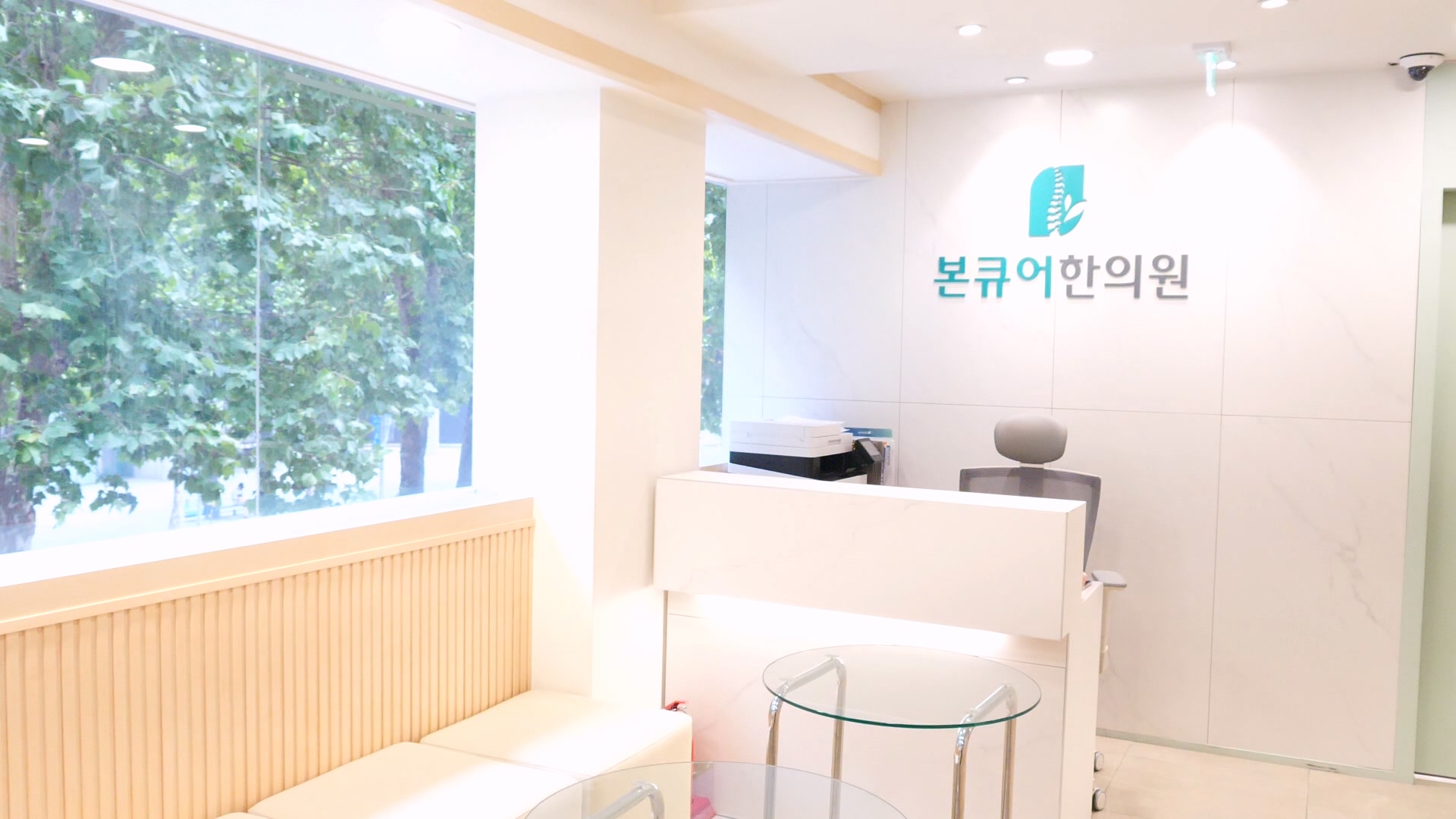
In this guide, I will share insights into how structural alignment and innovative needle therapies provide a path to recovery for those suffering from chronic pain and complex neurological conditions. My mission is to help each patient regain a healthy and balanced life by identifying the structural failures that lead to systemic distress. By combining Chuna therapy and specialized needle treatments, we ensure that every session moves you closer to a state where your body operates at its peak potential. We believe that when the bones are in their proper place, the body's natural vitality can finally flourish.
Understanding Traditional Korean Medicine in Seoul: A Modern Approach
Traditional Korean Medicine in Seoul represents a sophisticated synthesis of millennia-old clinical experience and 21st-century diagnostic precision, focusing on the body's self-healing mechanisms and structural integrity. This medical tradition has evolved from simple herbal prescriptions to an integrated science that utilizes careful clinical assessment to verify the efficacy of ancient wisdom. Patients visiting our clinic often find that the approach is not just about needles but about restoring the entire equilibrium of the human form. By addressing both the internal physiological environment and the external musculoskeletal structure, clinicians can provide comprehensive care that adapts to the fast-paced lifestyle of the modern world. This evolution ensures that patients receive treatments that are culturally rooted yet strictly focused on mechanical and neurological recovery. At BonCure, we dedicate ourselves to identifying the specific spinal and cranial misalignments that obstruct health, ensuring that every patient receives a path toward lasting structural balance and daily vitality.
Integrating Ancient Wisdom with Contemporary Medical Science
The integration of traditional principles with modern science is best exemplified by the use of objective data to guide clinical decisions. In 2026, a Traditional Korean Medicine Clinic Seoul typically employs thorough postural evaluations and movement assessments to supplement traditional pulse and tongue examinations. At BonCure, we rely on precise referrals for X-ray, CT, and MRI imaging through specialized facilities like Harrison Hospital to ensure a complete understanding of the patient's internal framework. This dual approach allows us to visualize structural imbalances and joint deviations that require targeted intervention. By quantifying these conditions, we can track the progress of treatments with high accuracy, providing patients with clear evidence of their journey toward recovery. This synergy between traditional wisdom and modern structural analysis creates a robust framework for managing chronic diseases that often resist conventional interventions. It represents a paradigm shift where deep anatomical knowledge serves as the primary foundation for future medical innovation and reliable patient outcomes.
The Core Philosophy of BonCure: Structural Alignment and Recovery
The fundamental philosophy at BonCure centers on the belief that structural integrity is the cornerstone of systemic health. When the skeletal framework, particularly the spine and skull, is misaligned, it creates mechanical stress that interferes with the nervous system and blood circulation. My clinical experience suggests that many chronic pains are not just muscle issues but structural failures. We focus on restoring the natural curvature of the spine through Chuna manual therapy and specialized acupuncture. By correcting these physical foundations, we enable the body to initiate its own repair processes. This structural focus is essential because a body in balance is naturally more resilient to external stressors and internal decay. Our goal is to ensure that every patient achieves a state where their physical form supports their daily vitality without restriction. We believe that when the bones are correctly aligned, the life force within can flow without any physiological obstruction. "When your bones smile, life smiles," is the core conviction that drives our clinical practice every day.
Why Patients Seek Specialized Traditional Korean Medicine
Patients from across the country and even abroad seek our clinic for non-surgical solutions to complex ailments. Many of these individuals have exhausted conventional options and are looking for a more personalized, intensive approach to their health. The reputation of a Traditional Korean Medicine Clinic Seoul like BonCure is built on high clinical standards and the ability to treat conditions like spinal stenosis, atypical parkinsonism, and autonomic dysfunction without invasive surgery. Our clinical focus attracts both local residents and those from outside the Seoul metropolitan area who require focused, root-cause treatments. Patients appreciate our dedication to finding the specific physical triggers of their pain rather than providing generic care. In 2026, the demand for targeted structural medicine continues to grow as more people recognize the link between skeletal alignment and overall well-being. We offer a level of care that prioritizes mechanical restoration and patient-centered attention, making it a worthwhile journey for those seeking to move beyond temporary symptom management and toward a permanent recovery of their daily life.
Innovative Acupuncture Techniques for Pain Management
Innovative acupuncture techniques, specifically Acupotomy, utilize specialized instrumentation to physically intervene in structural adhesions that cause chronic pain and restricted mobility. These methods represent the cutting edge of Traditional Korean Medicine, providing a mechanical solution to fibrotic tissues that standard needles cannot reach.
Acupotomy: The Science of Releasing Adhesion and Regenerating Tissue
Acupotomy is a specialized procedure that uses a blade-shaped needle to physically release adhesions in stiffened soft tissues. These adhesions often form after chronic inflammation or injury, acting like internal scars that trap nerves and limit blood flow. By precisely targeting these fibrotic areas, Acupotomy creates a controlled micro-stimulation that triggers the body's natural regenerative response. In my practice at BonCure, I have observed that Acupotomy is a specialized needle therapy that focuses on areas of chronic tissue adhesion, providing a different mechanical approach compared to traditional filiform needles. The procedure involves minimal invasiveness, yet it achieves structural changes by breaking down the physical barriers to healing. It is important to note that while the procedure is highly effective, individual results may vary, and patients might experience temporary soreness or localized bruising. However, for those with long-term musculoskeletal restrictions, this science-based approach offers a tangible way to regain lost mobility and reduce persistent discomfort through tissue remodeling and effective release of trapped neural pathways.
Comparing Acupotomy with Conventional Needle Acupuncture
Understanding the distinction between conventional acupuncture and Acupotomy is vital for patients choosing their treatment path. While regular acupuncture is excellent for regulating energy flow and relieving minor muscle tension, Acupotomy is designed for structural intervention. The table below illustrates the key differences between these two methodologies based on clinical application. At BonCure, we utilize both to maximize the healing response while focusing on the mechanical release of tissues.
| Feature | Conventional Acupuncture | Acupotomy (Specialized) |
|---|---|---|
| Needle Tip | Fine, filiform point | Blade-shaped edge |
| Primary Goal | Regulating energy flow | Releasing tissue adhesions |
| Target Area | Meridian points | Fibrotic/adhered soft tissue |
| Structural Impact | Focus on meridian regulation | Direct mechanical release |
| Session Duration | Approximately 20 minutes | Approximately 10-15 minutes |
Conventional needles are generally used for systemic balance and acute pain, whereas Acupotomy is reserved for chronic, stubborn cases where tissue has physically fused. Choosing the right method depends on a thorough diagnosis of the tissue state, ensuring the most efficient path to recovery for every patient who enters our doors.
Clinical Case Observations: Immediate Relief and Functional Recovery
Clinical observations at BonCure have documented numerous instances where patients experienced significant functional improvement following targeted structural therapy. Unlike conventional clinics that may mandate long-term treatment packages, we focus on providing immediate, palpable improvement from the very first session. In clinical practice, even for long-standing chronic cervical pain or torticollis, we focus on identifying structural causes to assist in immediate recovery. However, individual results may vary depending on the patient's condition and the duration of symptoms. In cases involving complex neurological symptoms, we utilize objective evaluation scales to closely monitor the degree of improvement throughout the process. Please note that clinical outcomes are specific to each individual case and do not guarantee the same outcome for everyone. Functional recovery often manifests as improved range of motion and a decrease in the frequency of pain flare-ups. We prioritize impactful, efficient treatments where the patient can feel the structural change and the release of tension directly following the procedure, ensuring that every visit provides a noticeable step toward health.
Holistic Solutions for Complex Spinal and Neurological Conditions
Holistic solutions for spinal and neurological disorders address the fundamental relationship between the physical skeletal structure and the nervous system's regulatory functions. By stabilizing the spine, we provide the necessary environment for the nervous system to communicate effectively with the rest of the body.
Correcting Spinal Alignment: From X-ray Analysis to Chuna Manual Therapy
Correcting spinal alignment begins with a rigorous objective analysis. We refer patients to Harrison Hospital for whole-spine X-ray imaging, which allows us to see the exact degree of vertebral subluxation or curvature loss, such as a straightened neck or scoliosis. Once the structural deviations are mapped, Chuna manual therapy is employed to gently reposition the joints and balance the surrounding musculature. This is not merely a temporary adjustment but a concerted effort to retrain the body's postural habits through expert manual intervention. At BonCure, we prioritize this data-driven approach because it removes the guesswork from spinal care. Patients can observe their structural status through objective assessments, which provides a sense of security and clarity. However, structural correction is a gradual process, and patients are encouraged to follow specific corrective exercises at home. By combining professional manual intervention with objective diagnostic oversight, we can help patients achieve a more resilient and balanced spinal structure that supports long-term neurological health and physical comfort across their entire musculoskeletal system.
Managing Autonomic Nervous System Disorders through Structural Balance
Many patients are surprised to learn that issues like anxiety, indigestion, or the "burning back sensation" (known as Daeyeol-jeung) may be linked to spinal health. The autonomic nerves run close to the spinal column, and structural misalignments—especially in the thoracic and cervical regions—can cause mechanical irritation that disrupts their function. When nerves are compressed or tissues are fibrotic, it can lead to abnormal sensations like heat, stinging, or numbness in the back. By restoring balance to the spine and releasing adhesions, we can often alleviate the pressure on these regulatory pathways. This holistic approach focuses on the body as a single interconnected system rather than a collection of isolated symptoms. Patients who receive structural care for these conditions often report improvements in their overall sense of well-being and stress resilience. It is important to recognize that while structural balance can support the nervous system, these conditions are complex and require a personalized plan. Balancing the structure is the foundation upon which other neurological recoveries are built, allowing internal regulation to return to its natural state.
Traditional Approaches to Tinnitus and Sudden Sensorineural Hearing Loss
Treating conditions like tinnitus and sudden sensorineural hearing loss requires a deep understanding of the relationship between the upper cervical spine and cranial nerve function. In my research and clinical practice, I have focused on how misalignments in the C1 and C2 vertebrae can affect blood flow and neural signals related to the inner ear. By utilizing specialized Acupotomy and Chuna techniques to stabilize the neck, we have seen cases where hearing function showed signs of improvement. Our case reports include patients who underwent structural therapy and showed measurable changes in their auditory assessments. These treatments aim to resolve the underlying structural tension and tissue fibrosis that may be contributing to ear-related symptoms. It is vital to understand that hearing loss is a medical emergency that requires immediate consultation, and Traditional Korean Medicine is often used as a supportive or integrative option. While we cannot guarantee a full restoration of hearing for every patient, the structural approach offers a unique and scientifically grounded perspective on managing these difficult and often distressing sensory conditions through mechanical decompression.
Patient Journey and What to Expect at a Seoul Korean Medicine Clinic
The patient journey at a modern clinic involves a comprehensive integration of traditional observational diagnostics and objective evidence to create a data-driven path to recovery. Every step is designed to ensure that the treatment is both safe and tailored to the individual's specific physiological needs.
A Comparison of Diagnostic Methods: Traditional Pulse vs. Modern Imaging
In a modern Traditional Korean Medicine Clinic Seoul, the diagnostic process is a blend of sensory expertise and clinical precision. Traditional pulse diagnosis provides a snapshot of the patient's internal energetic state, which remains a hallmark of Eastern medicine. Meanwhile, modern imaging, such as X-rays obtained through our partner facilities, provides a concrete look at the physical structures involved in pain. Combining these methods allows for a more complete understanding of the patient's health. For example, a pulse might indicate a state of chronic fatigue, while an assessment reveals a cervical misalignment contributing to that exhaustion. This integrated diagnostic model ensures that we are treating the person, not just the image. By utilizing both clinical evaluation and objective imaging, we can create a more nuanced and effective treatment strategy. This holistic view is what differentiates our approach at BonCure, providing a bridge between intuitive clinical wisdom and the verifiable evidence required for effective structural intervention and long-term health stabilization for our patients.
Personalized Treatment Plans for Long-term Vitality
Every patient at BonCure receives a personalized treatment plan developed after an extensive initial consultation. We recognize that no two bodies are the same; therefore, no two treatment paths should be identical. These plans include a combination of Acupotomy, Chuna therapy, and physical therapy to address both the structure and the functional movement of the body. We emphasize immediate results and long-term vitality, meaning our goal is to provide palpable improvement from the first session while helping you maintain your health long after you leave the clinic. This involves educating patients on ergonomics and lifestyle changes that support their structural recovery. While we do not demand long-term packages, we work closely with our patients to adjust their plans as they progress, ensuring that the care remains relevant to their evolving needs. This commitment to personalization and immediate efficacy is what allows us to achieve high levels of patient satisfaction and sustainable health outcomes in a complex medical landscape, ensuring that your time at the clinic is always productive.
Safety Protocols and Managing Potential Side Effects
Safety is our highest priority at BonCure, and all procedures are performed according to strict medical protocols. Acupotomy and Chuna therapy are safe when conducted by licensed and experienced practitioners like myself. However, as with any medical intervention, there are potential side effects that patients should be aware of. These can include temporary soreness at the site of the needle insertion, minor bruising, or a feeling of fatigue as the body begins its healing process. In rare cases, localized bleeding or minor infection could occur, which is why we maintain a sterile environment and provide detailed aftercare instructions to all patients. We always conduct a thorough screening to ensure that the patient is a suitable candidate for these procedures. If a patient has a condition that makes certain treatments risky, we will adapt the plan accordingly. Transparency about these risks is essential for building trust and ensuring that our patients feel informed and secure throughout their recovery journey. Our focus is always on providing the most effective care while minimizing any potential discomfort or risk through expert clinical oversight.
Frequently Asked Questions
Q. What exactly is Acupotomy and how does it differ from regular acupuncture?
Acupotomy is a specialized form of acupuncture that uses a needle with a small blade at the tip. Unlike regular acupuncture, which focuses on meridian points to balance energy, Acupotomy is designed to physically release adhesions and fibrotic tissue that cause chronic pain. It is a mechanical intervention that targets the physical root of musculoskeletal restrictions.
Q. Are the treatments at BonCure safe for international and out-of-town patients?
Yes, all treatments are conducted by licensed professionals following strict safety and sterilization protocols. We provide comprehensive consultations to assess each patient's health history before beginning any procedure. While generally safe, minor side effects like temporary soreness or bruising can occur, and we ensure patients are fully informed of these possibilities before treatment begins.
Q. How many sessions will I need to see an improvement in my chronic pain?
At BonCure, we do not believe in telling patients they must commit to 10 or 20 sessions before seeing a change. We focus on providing immediate, palpable improvement from the very first treatment. While long-term stability for chronic conditions may require follow-up care, you should be able to feel a positive difference in your symptoms and mobility right away.
Q. Does BonCure use modern diagnostic tools like X-rays?
Yes, we utilize objective diagnostic data to accurately analyze your structural health. We refer patients to specialized facilities like Harrison Hospital for whole-spine X-rays and imaging. This allows us to create a precise treatment plan and provides a baseline to measure your structural changes over time, combining traditional wisdom with evidence-based diagnostics.
Q. Can Traditional Korean Medicine help with issues like tinnitus or the "burning back" sensation?
We have significant experience managing tinnitus and autonomic symptoms like dorsal burning (Daeyeol-jeung) by focusing on the alignment of the cervical and thoracic spine. Our clinical approach focuses on decompressing the nerves and releasing tissue tension that contributes to these sensations. However, these are complex conditions, and results vary between individuals based on their specific anatomical state.
Q. Is there any downtime after receiving Acupotomy or Chuna therapy?
Most patients can return to their daily activities immediately. It is common to feel some localized soreness or mild fatigue for 24 to 48 hours as the body adapts to the mechanical changes and the release of adhesions. We usually recommend avoiding strenuous exercise on the day of the procedure to allow for optimal recovery and tissue stabilization.
Q. Are the results of structural recovery treatments permanent?
Our goal is to provide a fundamental treatment that restores long-term structural balance. While the physical changes we achieve in releasing adhesions are significant, maintaining these results depends on your lifestyle habits and following recommended corrective exercises. Periodic check-ups are often suggested to ensure continued vitality and to prevent the recurrence of chronic structural issues.
Key Takeaways
- Structural Focus: Lasting recovery from chronic pain requires addressing the physical alignment of the spine and releasing tissue adhesions through specialized techniques like Acupotomy.
- Immediate Improvement: BonCure prioritizes treatments that provide palpable relief and structural change from the very first session, rather than requiring long-term treatment packages.
- Evidence-Based Diagnostics: By utilizing X-ray referrals and thorough postural evaluations, we ensure every treatment is based on objective data and precise anatomical knowledge.
- Personalized Care: Every treatment plan is tailored to the individual's specific structural failures, ensuring that therapy is efficient, impactful, and focused on the root cause.
- Safety and Transparency: While highly effective, all procedures follow strict clinical protocols, and patients are fully informed about potential side effects like temporary soreness or bruising.
For more information on how structural care can transform your health, please consider exploring these resources: Clinical Insights into Structural Care: Essential Guide to BonCure Treatments A 2026 Clinical Guide to Acupotomy and Structural Recovery for Chronic Disorders at BonCure
Best regards,
BonCure / Dr. Song Jeong-hyeon
FAQ
- What exactly is Acupotomy and how does it differ from regular acupuncture?
- Acupotomy is a specialized form of acupuncture that uses a needle with a small blade at the tip. Unlike regular acupuncture, which focuses on meridian points to balance energy, Acupotomy is designed to physically release adhesions and fibrotic tissue that cause chronic pain. It is a structural intervention that targets the physical root of musculoskeletal restrictions.
- Are the treatments at Bonecure safe for international patients?
- Yes, all treatments are conducted by licensed professionals following strict safety and sterilization protocols. We provide comprehensive consultations to assess each patient's health history before beginning any procedure. While generally safe, minor side effects like temporary soreness or bruising can occur, and we ensure patients are fully informed of these possibilities.
- How many sessions will I need to see an improvement in my chronic pain?
- The number of sessions required varies significantly depending on the severity and duration of your condition. While some patients report immediate relief after one or two sessions, chronic or complex cases often require a series of 10 to 20 treatments to achieve stable structural recovery. We monitor your progress closely to adjust the frequency as needed.
- Does Bonecure use modern diagnostic tools like X-rays?
- Yes, we utilize objective diagnostic data, including whole-spine X-rays, to accurately analyze your spinal alignment and postural balance. This allows us to create a precise treatment plan and provides a baseline to measure your structural changes over time. We believe in combining traditional wisdom with modern evidence-based diagnostics.
- Can Traditional Korean Medicine help with issues like tinnitus or hearing loss?
- We have experience in managing tinnitus and sudden hearing loss by focusing on the alignment of the upper cervical spine and the balance of the autonomic nervous system. Our clinical case reports have shown that addressing these structural issues can support auditory function. However, these are complex conditions, and results can vary between individuals.
- Is there any downtime after receiving Acupotomy or Chuna therapy?
- Most patients can return to their daily activities immediately after treatment. It is common to feel some localized soreness or mild fatigue for 24 to 48 hours as the body begins to heal and adapt to structural changes. We usually recommend avoiding strenuous exercise on the day of the procedure to allow for optimal recovery.
- Are the results of structural recovery treatments permanent?
- Our goal is to provide a fundamental treatment that restores long-term structural balance. While the physical changes we achieve are significant, maintaining these results depends on your lifestyle habits and following the recommended corrective exercises. Periodic check-ups may be suggested to prevent the recurrence of chronic issues and ensure continued vitality.