
Post
A 2026 Clinical Guide to Traditional Korean Diagnostic Methods and Structural Restoration at Bonecure
Traditional Korean diagnostic methods represent a comprehensive clinical framework used to identify internal imbalances and structural misalignments through observation and constitutional analysis. By integrating these time-honored techniques with contemporary imaging, Bonecure offers a sophisticated path toward fundamental health recovery and systemic vitality.
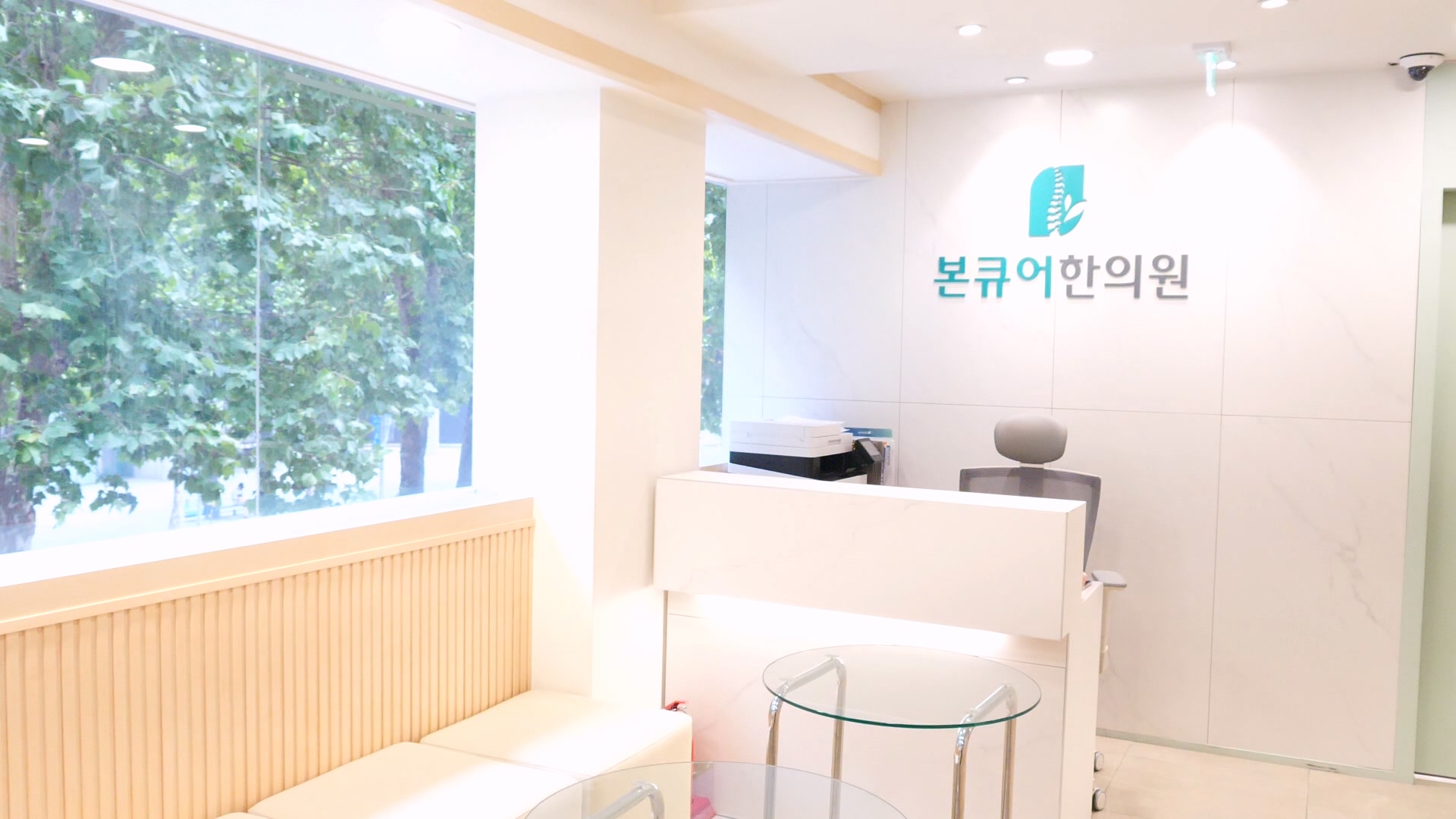
Understanding Traditional Korean Diagnostic Methods: A Modern Perspective
Traditional Korean diagnostic methods are systematic approaches that evaluate a patient's constitution, energy flow, and physical structure to determine the root cause of health issues. These methods do not just look at a single symptom but analyze the entire biological system to understand why a dysfunction occurred in the first place.
The Core Philosophy of Korean Constitutional Analysis
Constitutional analysis in Traditional Korean medicine is a framework that categorizes individuals based on their inherent physical and psychological predispositions to determine personalized health paths. This approach acknowledges that two patients presenting with identical symptoms, such as chronic headaches or lower back pain, may require entirely different therapeutic strategies due to their unique physiological makeup. By identifying specific constitutional types, practitioners can predict how a body might react to environmental stressors or dietary habits. At Bonecure, I utilize this foundational knowledge to look beyond the surface of a symptom, aiming to understand the underlying terrain of the patient. This holistic viewpoint ensures that we are not merely suppressing pain but addressing the systemic imbalances that allowed the condition to manifest. Understanding these inherent traits allows for a more nuanced and effective recovery process, respecting the biological individuality of every person who seeks care in our facility. During these evaluations, we focus on identifying the specific structural and functional triggers that contribute to a patient's discomfort, ensuring that the subsequent treatment plan is tailored to their body's specific requirements for balance and health restoration.
How Bonecure Integrates History with Science
Modern clinical practice requires a bridge between ancestral wisdom and the precision of 2026 medical technology. At Bonecure, we treat the body as a structural unit where the spine, skull, and pelvis must maintain a specific geometric relationship for optimal nerve function. Our diagnostic protocol involves more than just a brief conversation; it requires an intensive examination of the patient's history combined with modern diagnostic tools. By utilizing data from individual case reports, we have observed how structural corrections can influence autonomic functions. For instance, in cases of chronic tinnitus, identifying the exact point of spinal misalignment is a crucial part of developing a personalized recovery plan. As with all chronic conditions, the treatment approach is tailored to the individual's specific structural needs. This integration allows us to provide evidence-based care while maintaining the compassionate, patient-centered approach that characterizes traditional medicine. We focus on objective data, such as changes in the Beck Anxiety Scale or physical range of motion, to track progress scientifically. This methodology ensures that every patient receives a treatment plan that is grounded in clinical observation and validated through measurable improvements in their overall physical condition and daily function.
Defining the Four Essential Diagnostic Pillars
Traditional diagnosis relies on four pillars: inspection, listening and smelling, inquiry, and palpation. Inspection involves observing the patient's complexion, tongue, and posture to detect subtle signs of internal disharmony. Listening and smelling provide clues about respiratory and digestive health, while detailed inquiry uncovers the patient's lifestyle, emotional state, and history of illness. Palpation, including pulse diagnosis, allows the practitioner to feel the quality of blood flow and the tension within the muscular system. At Bonecure, these pillars are enhanced by structural assessments to locate tissue adhesions and nerve entrapments. Our initial evaluation process is designed to be highly efficient and impactful, typically taking about 10 to 20 minutes to thoroughly investigate these four pillars. This focused process is necessary because chronic conditions often involve layers of dysfunction that require precision to address. By adhering to these rigorous diagnostic standards, we can create a treatment roadmap that is both safe and highly targeted to the patient's specific needs. We prioritize identifying the root causes of pain through physical touch and movement assessment, allowing for an immediate understanding of the patient's structural integrity and necessary clinical interventions.
Visualizing Health Through Structural and Functional Assessment
Structural and functional assessment is the process of translating internal physiological states and physical alignments into measurable, objective data for clinical analysis. This visual and data-driven approach allows for a clearer understanding of how structural imbalances contribute to chronic pain and autonomic nervous system dysfunction.
Whole Spine X-ray and Structural Alignment Mapping
Visualizing the spine through a whole spine X-ray is a critical step in identifying the mechanical causes of nerve interference and muscular tension. By mapping the alignment of the skull, cervical spine, and pelvis, we can see exactly where the structure has deviated from its ideal center of gravity. At Bonecure, we analyze these images to detect shifts that could be causing health issues, such as dizziness or chronic fatigue. Structural deviations in the neck can lead to increased tension on the surrounding muscles, contributing to the development of chronic adhesions over time. This structural mapping provides a blueprint for therapies like Chuna, ensuring that every adjustment is precise and based on the patient's unique anatomy. It also allows us to show patients the physical evidence of their condition, fostering a collaborative environment for recovery. Scientific evidence suggests that restoring proper alignment is essential for long-term health and preventing the recurrence of chronic pain. By utilizing these visual tools, we can provide a clear explanation to the patient regarding their specific structural needs, ensuring that the recovery process is transparent and focused on achieving long-term biomechanical balance and stability.
Analyzing Autonomic Nervous System Patterns
The autonomic nervous system regulates involuntary functions like heart rate, digestion, and the stress response, making its balance vital for overall wellbeing. We perform comprehensive clinical evaluations of internal organ function to assess the state of the sympathetic and parasympathetic branches. This analysis helps identify if a patient is stuck in a state of chronic stress, which can hinder the body's natural healing processes. At Bonecure, we combine these clinical findings with constitutional analysis to see how a patient's structure influences their internal state. For example, a misaligned upper cervical spine can often correlate with signs of autonomic dysfunction, such as anxiety or insomnia. By tracking these patterns, we can adjust our treatment intensity and focus to ensure the nervous system is supported rather than overwhelmed. Objective scales like the Beck Depression Inventory are often used alongside these physiological measures to provide a comprehensive view of the patient's progress during their recovery journey. Our goal is to stabilize the internal environment so that the body can effectively respond to structural corrections, ensuring a holistic approach to healing that addresses both the physical frame and the internal regulatory systems of the patient.
Comparison: Traditional Pulse Diagnosis vs. Clinical Systemic Assessment
| Feature | Traditional Pulse Diagnosis | Clinical Systemic Assessment |
|---|---|---|
| Method | Manual palpation of the radial artery | Integrated evaluation of internal organ function |
| Focus | Quality, rhythm, and strength of energy flow | Autonomic balance and physiological resilience |
| Speed | Immediate clinical assessment by practitioner | Focused 10 to 20 minute evaluation period |
| Data Type | Qualitative clinical experience and intuition | Clinical observation and functional data tracking |
| Application | Constitution and internal organ health | Stress resilience and autonomic activity |
Both methods offer valuable insights into the patient's internal state, and at Bonecure, we use them in tandem to cross-validate our findings. While the pulse provides immediate qualitative information, systemic functional assessment offers a baseline that we can track over multiple sessions. This dual approach ensures that our diagnosis is both deeply rooted in clinical tradition and supported by systematic clinical observation. A 2026 Clinical Guide to Chuna Manual Therapy for Structural Balance at Bonecure
Innovative Restoration: From Adhesion to Regeneration
Restoration in this context refers to the clinical transition from identifying structural dysfunction to actively releasing tissue adhesions and promoting the regeneration of healthy movement patterns. This phase focuses on removing physical barriers to healing and realigning the body to its natural state of balance.
The Science of Acupotomy for Tissue Adhesion Release
Acupotomy is a specialized procedure that uses a flat-headed needle to release chronic adhesions and scar tissue within the muscles and ligaments. When tissues are injured or chronically stressed, they often become stuck together, limiting blood flow and compressing nearby nerves. By precisely targeting these points, I can help restore the natural sliding motion of the tissues, which may provide immediate relief from long-standing pain. In my clinical experience at Bonecure, this technique has been particularly effective for patients with intractable disorders that have not responded to conventional therapies. It is important to note that because this involves the release of deep tissue, patients may experience temporary soreness, minor bruising, or localized swelling at the site. In rare cases, minor bleeding or infection may occur, so the procedure is performed under strict sterile conditions. However, these sensations are typically short-lived and are a normal part of the body's inflammatory response to healing. This procedure is performed with the utmost care to ensure patient safety and to maximize the regenerative potential of the treated area. A 2026 Clinical Guide to Acupotomy and Structural Recovery for Chronic Disorders at Bonecure
Chuna Manual Therapy and Spinal Re-alignment
Chuna manual therapy is a corrective technique where the practitioner uses their hands and specialized tables to apply controlled force to the joints and soft tissues. The goal is to correct malpositions in the spine and joints, thereby reducing nerve compression and improving structural balance. At Bonecure, Chuna is not just about a single adjustment; it is part of a comprehensive program to retrain the body's postural habits. By realigning the pelvis and spine, we can reduce the mechanical stress that leads to the formation of new adhesions. This therapy is highly personalized, with the intensity and technique adjusted based on the patient's constitutional type and X-ray findings. We have seen cases where regular Chuna sessions contributed to measurable improvements in spinal curvature and overall mobility. As with any manual therapy, individual results can vary, and some patients might require multiple sessions to achieve stable results. This cumulative approach ensures that the structure is not just temporarily moved but gradually stabilized in its correct position. The treatment is focused on producing immediate changes in structural alignment that the patient can often feel after a single session, promoting a sense of restored balance and ease.
Expected Recovery Timeline and Individual Variation
Recovery is a process rather than an event, and the timeline can vary significantly depending on the chronicity of the condition and the patient's overall health. For acute issues, some patients may notice changes within a few sessions, while chronic conditions like Meniere's disease or severe scoliosis may require a more extended course of treatment to help alleviate symptoms and support structural improvement. The duration of care depends heavily on the individual's condition and response to therapy. At Bonecure, we emphasize that consistency is key to structural regeneration. We monitor progress through physical assessments and objective scales to ensure the treatment plan remains effective. It is vital to understand that every body responds differently; factors such as age, lifestyle, and nutritional status all play a role in how quickly tissues heal and realign. We provide each patient with a realistic expectation of their recovery based on similar case reports in our database. While many experience a reduction in pain early on, long-term structural stability often requires a dedicated commitment to the full course of treatment and recommended lifestyle adjustments. This long-term commitment is essential for ensuring that the structural improvements are maintained and that the body continues to function at its highest potential.
Practical Benefits and Safety Considerations in Diagnostic Procedures
Practical benefits and safety considerations involve the careful balancing of therapeutic outcomes with the minimization of risks associated with clinical interventions. Ensuring that patients are well-informed about the sensations and potential side effects of treatment is a fundamental aspect of high-quality care.
Immediate Relief vs. Long-term Structural Stability
While many patients seek care for immediate pain relief, the primary goal of our diagnostic and treatment approach is to achieve long-term structural stability. Immediate relief often occurs when a specific nerve compression is eased or a tight muscle is released through Acupotomy. However, without addressing the underlying spinal misalignment, the pain is likely to return as the body reverts to its old patterns. At Bonecure, we educate patients on the importance of the stabilization phase, where we focus on reinforcing proper posture. This two-stage approach ensures that the initial improvements are not lost and that the patient can return to their daily activities without constant fear of relapse. By focusing on both immediate comfort and long-term durability, we provide a more sustainable path to health. This requires a shift in perspective from just managing symptoms to actively rebuilding the body's structural integrity over time, a process that is supported by objective clinical observation. We aim to empower each patient with the knowledge and structural foundation necessary to maintain their health independently, long after their initial treatment sessions are completed.
Managing Potential Side Effects and Sensations
Transparency regarding the sensations and potential side effects of treatment is essential for a positive patient experience. During procedures like Acupotomy, patients may feel a dull ache or a sharp sensation as the adhesion is released, which is a sign that the target tissue is being reached. Post-treatment, it is common to experience temporary soreness, similar to the feeling after an intense workout, or occasional bruising at the injection site. These are typically mild and resolve within a few days without further intervention. In rare cases, more significant soreness or localized inflammation may occur, which we manage through follow-up care and advice on rest. At Bonecure, we prioritize patient comfort and safety, ensuring that every procedure is performed in a sterile environment and tailored to the patient's pain tolerance. We encourage open communication so that any concerns can be addressed immediately, and we provide clear instructions on how to care for the body following a session to minimize any discomfort. This commitment to safety and communication ensures that every patient feels supported throughout their entire clinical journey, from initial diagnosis to final recovery.
Choosing the Right Path for Chronic Conditions
Selecting the appropriate treatment path for chronic and intractable conditions requires a thorough diagnostic foundation and a clear understanding of the patient's goals. For conditions like chronic tinnitus, hearing loss, or autonomic disorders, a multi-faceted approach involving structural alignment, Acupotomy, and constitutional support is often the most effective. At Bonecure, I work closely with each patient to determine which combination of therapies will offer the best possibility for improvement. It is important to recognize that while our methods have helped many, they are not a guaranteed cure for all conditions, and individual outcomes will always vary. We base our recommendations on successful case studies and objective diagnostic findings to ensure the highest standard of care. By choosing a path that addresses the root structural and constitutional causes, patients can move toward a life of less pain and greater vitality. Our clinic is dedicated to supporting this journey with expertise and a deep respect for the traditions of Korean medicine. We focus on providing impactful, efficient care that respects the patient's time and delivers results through precision and clinical mastery.
Frequently Asked Questions
Q. What are the primary diagnostic methods used at Bonecure?
At Bonecure, we utilize a combination of traditional Korean constitutional analysis and clinical structural assessments. This includes whole spine X-ray mapping, internal organ function evaluation, and the four traditional pillars of inspection, listening, inquiry, and palpation to find the root cause of pain.
Q. How does traditional Korean diagnosis differ from Western methods?
While Western medicine often focuses on identifying specific pathologies or diseases in isolated organs, traditional Korean diagnosis looks at the overall balance of the body. We evaluate the relationship between spinal alignment, constitutional predispositions, and the body's internal regulation to treat the person as a whole system.
Q. Is Acupotomy safe for everyone?
Acupotomy is a highly specialized procedure used to release chronic tissue adhesions. While it is safe and effective for many, it may not be suitable for everyone depending on their specific health status. Potential minor side effects include temporary soreness, localized swelling, or bruising, which usually resolve quickly.
Q. Can these diagnostic methods help with chronic tinnitus or hearing loss?
Yes, by evaluating the structural alignment of the upper cervical spine and the function of the internal regulatory systems, we can identify issues that may contribute to tinnitus. We have observed clinical cases where structural restoration led to symptom improvement, though individual results will vary.
Q. How long does a typical diagnostic session take?
A focused initial evaluation at our clinic typically takes about 10 to 20 minutes. This allows enough time for a targeted constitutional consultation, structural X-ray analysis, and a thorough physical examination to create an efficient and personalized recovery plan for the patient.
Q. How do you track the effectiveness of these treatments?
Our methods are supported by various clinical case reports and objective clinical observations. We use measurable scales like the Beck Anxiety Inventory and physical movement assessments to monitor the progress of each individual patient, ensuring that our approaches are based on documented improvements.
Q. What should I expect during my first visit to Bonecure?
During your first visit, you will receive an efficient consultation with Director Song Jeong-hyeon. We will perform a structural assessment, review your medical history, and discuss how your specific constitution and spinal alignment may be contributing to your symptoms before developing a tailored treatment plan.
Key Takeaways
- Bonecure integrates Traditional Korean diagnostic pillars with clinical X-ray and internal organ function assessments for precise root-cause identification.
- Constitutional analysis allows for personalized treatment plans that respect the unique physiological makeup of each patient.
- Restoring structural alignment of the spine and pelvis is essential for resolving chronic pain and supporting internal systemic balance.
- Innovative procedures like Acupotomy and Chuna therapy target tissue adhesions and mechanical misalignments to facilitate systemic regeneration.
- Individual recovery timelines vary, and consistent, focused treatment is often required to achieve long-term structural stability.
For a detailed consultation regarding your structural health, please contact our clinic for an appointment.
Bonecure / Director Song Jeong-hyeon
FAQ
- What are the primary diagnostic methods used at Bonecure?
- At Bonecure, we utilize a combination of traditional Korean constitutional analysis and modern structural assessments. This includes whole spine X-ray mapping, autonomic nervous system testing (HRV), and the four traditional pillars of inspection, listening, inquiry, and palpation to find the root cause of pain.
- How does traditional Korean diagnosis differ from Western methods?
- While Western medicine often focuses on identifying specific pathologies or diseases in isolated organs, traditional Korean diagnosis looks at the overall balance of the body. We evaluate the relationship between spinal alignment, constitutional predispositions, and the flow of energy to treat the person as a whole system.
- Is Acupotomy safe for everyone?
- Acupotomy is a highly specialized procedure used to release chronic tissue adhesions. While it is safe and effective for many, it may not be suitable for everyone depending on their specific health status. Potential minor side effects include temporary soreness, localized swelling, or bruising, which usually resolve quickly.
- Can these diagnostic methods help with chronic tinnitus or hearing loss?
- Yes, by evaluating the structural alignment of the upper cervical spine and the function of the autonomic nervous system, we can identify issues that may contribute to tinnitus. We have observed clinical cases where structural restoration led to significant symptom improvement, though individual results will vary.
- How long does a typical diagnostic session take?
- A comprehensive initial evaluation at our clinic typically takes between 40 to 60 minutes. This allows enough time for a detailed constitutional consultation, structural X-ray analysis, and a thorough physical examination to create a personalized recovery plan for the patient.
- Are the results of these treatments scientifically proven?
- Our methods are supported by clinical case reports and objective data tracking. We use measurable scales like the Beck Anxiety Inventory and X-ray alignment degrees to monitor progress, and our approaches are based on documented clinical successes in treating structural and autonomic dysfunctions.
- What should I expect during my first visit to Bonecure?
- During your first visit, you will receive an in-depth consultation with Director Song Jeong-hyeon. We will perform a structural assessment, review your medical history, and discuss how your specific constitution and spinal alignment may be contributing to your symptoms before developing a tailored treatment plan.