
Post
Clinical Guide to Tingling in the Back of the Head and Structural Recovery in 2026
Hello. I am Dr. Song Jung-hyun, a practitioner of Korean medicine who has long focused on Acupotomy and structural restoration to treat chronic pain and neurological symptoms.
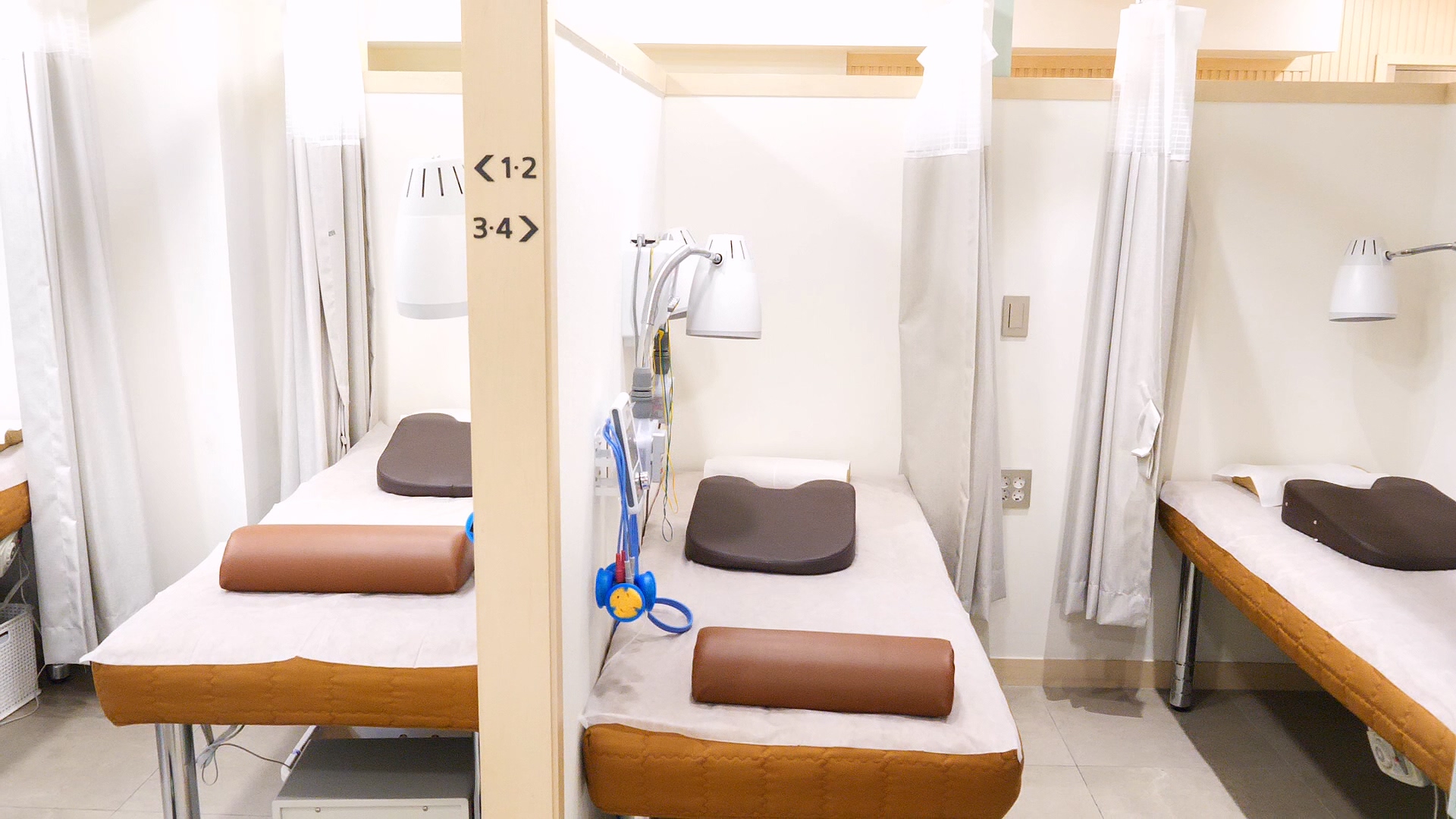
Tingling in the back of the head is a sensory disturbance often caused by nerve compression or spinal misalignment that requires a precise anatomical approach for lasting recovery.
Understanding Tingling in the Back of the Head: Causes and Mechanisms
Occipital tingling, clinically referred to as paresthesia, is an abnormal sensation such as prickling, numbness, or a pins-and-needles feeling localized to the posterior region of the scalp. This condition occurs when the sensory nerves responsible for the scalp are irritated or compressed by surrounding structures. It is a signal from the nervous system that the communication pathway between the peripheral tissues and the brain is being compromised by physical or physiological factors.
Defining Occipital Tingling and Paresthesia
Occipital paresthesia refers to an abnormal sensation like pins and needles or skin crawling localized to the posterior scalp. This phenomenon typically indicates that the sensory pathways between the skin and the brain are experiencing interference or irritation. Patients often describe it as a burning or prickling feeling that occurs spontaneously without an external stimulus. In the clinical environment, we categorize these sensations to determine if they arise from localized nerve entrapment or systemic neurological shifts. Paresthesia is distinct from anesthesia, which is a total loss of sensation, and dysesthesia, which involves painful reactions to normal touch. Understanding the specific nature of this tingling helps clinicians at Bonecure pinpoint which cranial or spinal nerves are affected. By identifying the exact sensory dermatome involved, I can develop a targeted intervention plan that addresses the specific anatomical structures causing the irritation rather than just treating the surface symptoms. This diagnostic precision is essential for effective care.
Common Anatomical Triggers: Nerve Compression and Muscle Tension
The most frequent cause of tingling in the posterior scalp is the compression of the greater occipital nerve as it passes through the suboccipital muscles. There are 7 cervical vertebrae in the human neck, and the alignment of the first two, C1 and C2, is critical for nerve health. When the muscles at the base of the skull become chronically tight due to poor posture, they can physically squeeze the nerves, leading to neuropathic sensations. This mechanical irritation is often exacerbated by the modern habit of looking down at digital devices, which places immense strain on the neck. Beyond muscle tension, structural issues such as herniated discs or bone spurs in the upper cervical spine can also contribute to this discomfort. At Bonecure, I examine these anatomical relationships closely to determine how much of the tingling is due to soft tissue tightness versus bony misalignment. Identifying these physical triggers allows for a more focused and effective structural restoration process.
When Tingling Indicates Autonomic Nervous System Dysregulation
Persistent tingling in the back of the head can sometimes be a manifestation of autonomic nervous system dysregulation, where the body remains in a heightened state of stress. The autonomic nervous system controls involuntary functions, and when it is out of balance, it can cause heightened sensory perception or vasoconstriction that affects nerve blood flow. This often results in a vague, crawling sensation across the scalp that may fluctuate with stress levels or emotional states. While musculoskeletal issues are localized, autonomic dysfunction involves a broader systemic response that can include heart palpitations or digestive issues. A 2026 Guide to Autonomic Nervous Dysfunction and Structural Recovery explains how structural integrity influences these internal systems. In my practice, I evaluate whether a patient's scalp sensations are part of a larger pattern of neurological imbalance. Addressing the physical structure of the spine can help stabilize the autonomic system, potentially reducing the frequency and intensity of these distressing sensory signals for many patients.
Traditional Korean Medicine Clinical Notes: A Structural Approach to Head Numbness
The structural approach in traditional Korean medicine focuses on the principle that the form of the body dictates its function, meaning that spinal alignment directly impacts nerve health. By correcting the position of the vertebrae and releasing tension in the fascia, we aim to restore the natural flow of energy and blood to the affected areas. This method goes beyond symptom management to address the physical environment where the nerves reside.
Cervicogenic Factors: How Spinal Misalignment Causes Scalp Tingling
Spinal misalignment, particularly in the upper cervical region, is a primary driver of cervicogenic tingling that radiates toward the head. When the neck loses its natural C-shaped curve, a condition often called forward head posture, the weight of the head shifts forward and places excessive load on the posterior structures. This structural shift can narrow the space through which nerves exit the spinal column, leading to chronic irritation. Many patients are surprised to learn that a misalignment of just a few millimeters can result in significant sensory disturbances. A 2026 Clinical Guide to Forward Head Posture Treatment and Structural Recovery at Bonecure highlights the importance of restoring the proper curvature of the neck to alleviate nerve pressure. By utilizing whole-spine X-ray analysis, I can visualize these deviations and develop a plan to guide the vertebrae back into a healthier orientation. This structural correction is fundamental to preventing the recurrence of scalp numbness and ensuring long-term neurological stability.
The Role of Adhesion in the Occipital Fascia
Fascial adhesions are areas where the connective tissue becomes thickened or stuck together due to chronic inflammation, injury, or repetitive strain. In the back of the head, the fascia surrounding the occipital muscles can develop these adhesions, effectively trapping the sensory nerves in a restrictive web. This entrapment prevents the nerves from gliding smoothly during neck movement, resulting in the characteristic tingling or pulling sensations. These physical barriers cannot always be addressed by stretching or medication alone, as they represent a structural change in the tissue itself. Through manual therapy and specialized tools, I work to break down these adhesions and restore the elasticity of the occipital fascia. This release not only improves mobility but also removes the mechanical irritation that triggers paresthesia. By freeing the trapped nerves from these tight connective tissues, patients often experience a significant reduction in the frequency of their symptoms. This focus on tissue quality is a cornerstone of the Bonecure philosophy of care.
Structural Restoration and Tissue Release for Chronic Pain
In my clinical practice, I focus on the physical release of tissue adhesions to address the underlying causes of chronic pain. By utilizing micro-blade structural release, we aim to achieve long-term structural improvement rather than temporary relief. This methodology addresses physical compression directly, focusing on restoring mobility and proper alignment to the affected areas.
Comparison: Conventional Nerve Blocks vs. Acupuncture for Chronic Pain
The structural approach in Korean medicine aims to resolve the underlying physical cause of discomfort. Specialized acupuncture techniques target the physical blockages that compress the nerves, offering a pathway toward sustainable recovery by addressing muscle tension and fascial adhesions. By physically releasing the tight structures, we allow the body to heal itself naturally rather than relying on repeated chemical interventions. I have observed that patients who have not responded well to standard pain management often find relief when we pivot to addressing the structural integrity of the neck. This transition from temporary suppression to structural restoration is a vital step for those suffering from chronic head tingling. Bonecure provides a comprehensive environment where these structural factors are analyzed and treated with precision to ensure that the relief is both deep and lasting.
Acupuncture and Chimsudo Therapy for Neuropathic Sensations
Chimsudo, also known as Acupotomy, is a specialized treatment that uses a flat-headed needle to perform micro-surgery on adherent tissues without the need for large incisions. It is designed to physically separate tissues that have become fused due to chronic inflammation, thereby releasing trapped nerves and restoring normal blood flow. This technique bridges the gap between traditional acupuncture and modern surgical principles for musculoskeletal health.
Chimsudo (Acupotomy): Adhesion Release for Structural Restoration
Chimsudo involves the use of a specialized tool, typically only 0.3mm to 0.5mm in width, to target and release specific points of tissue adhesion. When applied to the back of the head, this technique allows me to precisely loosen the tight fibers that are compressing the occipital nerves. Unlike standard needles, the flat tip of the Acupotomy tool can physically divide the scarred or thickened fascia that causes nerve entrapment. This process creates a minute therapeutic stimulus that encourages the body to replace damaged tissue with healthy, flexible fibers. Patients may feel a sensation of pressure or a momentary release as the adhesion is broken, which is often followed by an immediate sense of lightness in the neck. I utilize this method at Bonecure to provide a structural solution for patients whose tingling has become chronic and resistant to other forms of therapy. It is a highly effective way to restore the physical space that nerves require to function without irritation.
Restoring Circulation through Precision Acupuncture in Seoul
Precision acupuncture plays a vital role in restoring microcirculation to the nerves and muscles of the posterior scalp. When tissues are chronically tight, the blood flow to the area is reduced, which can lead to nerve ischemia and the resulting tingling sensations. By inserting needles into specific meridian points and neuro-anatomical locations, we stimulate the local release of vasodilators that increase oxygen and nutrient delivery to the damaged tissues. This improved circulation is essential for the repair of nerve sheaths and the reduction of inflammatory markers. In my clinic, I integrate these traditional techniques with a deep understanding of modern anatomy to ensure the highest level of accuracy. The goal is to create an internal environment that supports the health of the occipital nerves and the surrounding musculature. Enhanced blood flow also helps to flush out metabolic waste products that contribute to muscle stiffness. This dual focus on structural release and circulatory support is what makes the treatments at Bonecure so comprehensive and effective for long-term recovery.
Integrated Treatment: Combining Pharmacopuncture and Structural Correction
Integrated treatment plans often combine the physical release of Acupotomy with the pharmacological benefits of herbal-based pharmacopuncture and manual structural correction. Pharmacopuncture involves injecting refined herbal extracts into specific points to reduce inflammation and provide nutrients directly to the compressed nerve sites. This approach helps to stabilize the chemical environment around the nerves while structural adjustments address the mechanical triggers. By combining these modalities, I can address both the biochemical and physical aspects of head tingling simultaneously. Structural correction, such as Chuna therapy, then aligns the vertebrae to ensure that the released tissues stay in their proper positions. This multi-layered approach ensures that each aspect of the patient's condition is addressed, from the microscopic nerve environment to the macroscopic spinal alignment. At Bonecure, I tailor these combinations to the individual needs of each patient, ensuring that the treatment protocol is as unique as their symptoms.
Patient-Centered Recovery Pathways at Bonecure
Patient-centered recovery pathways are structured treatment protocols designed to guide an individual from the acute phase of sensory discomfort to long-term structural stability. These pathways prioritize the patient's unique symptoms, lifestyle, and clinical history to ensure that every intervention is purposeful and effective. By focusing on the whole person rather than just the tingling sensation, we create a sustainable foundation for health.
Case Study: Structural Alignment for Long-term Symptom Relief
In my clinical experience, even chronic cases of head tingling and tinnitus can be managed by focusing on the alignment of the upper cervical spine and the release of deep occipital adhesions. By addressing these structural factors, we aim to help patients who have struggled with long-standing neurological symptoms. While every patient's condition is unique, targeted structural restoration provides a framework for significant improvement in quality of life. 2026 Clinical Guide to TMJ Tinnitus and Structural Recovery through Acupotomy details similar cases where structural work provided unexpected relief. While this specific result reflects one individual's journey and may not be typical for everyone, it demonstrates the potential for recovery when the root structural cause is addressed. My goal is to provide each patient with a similar path toward significant and lasting improvement. Success in such chronic cases requires patience, precision, and a commitment to the structural restoration process.
Holistic Protocols: Manual Therapy and Autonomic Balancing
Our holistic protocols include targeted manual therapy and Chuna, which focus on restoring muscle balance and reducing surface tension in the neck and shoulders. This manual approach is particularly effective for clearing the metabolic stagnation that often accompanies chronic neck and head pain by improving local lymphatic and venous drainage. When used alongside structural correction, it helps to accelerate the body's natural healing processes and provides a sense of physical relief. We also incorporate autonomic balancing techniques to help the nervous system transition from a sympathetic 'fight or flight' state to a parasympathetic 'rest and digest' state. This is crucial for patients whose tingling is exacerbated by chronic stress or anxiety. By calming the nervous system, we reduce the overall sensitivity to pain and sensory disturbances. These various modalities work together to support the primary structural treatments, creating a comprehensive healing environment. Bonecure is dedicated to using confirmed Korean medicine methods to help patients achieve a state of balance and comfort.
Safety and Limitations: What to Expect During Clinical Recovery
Safety is our highest priority, and I ensure that all procedures, including Acupotomy, are performed using 100% sterile and disposable needles to eliminate the risk of infection. While these treatments are generally safe, patients may experience some temporary side effects such as minor localized soreness, bruising, or slight swelling at the site of the needle insertion. These symptoms are typically mild and resolve on their own within 2 to 3 days as the body adapts to the structural changes. It is also important to understand that chronic or severe conditions may require multiple sessions over several weeks to achieve sustained relief. Some patients report immediate comfort after their first session, but others may see a gradual improvement as their spinal alignment stabilizes. Results can vary significantly depending on individual health factors and the duration of the condition. I always provide a thorough consultation to discuss these possibilities and set realistic expectations for the recovery journey. Ensuring patient safety and informed consent is a fundamental aspect of the care provided at Bonecure.
Frequently Asked Questions
Q. What does tingling in the back of the head signify?
Tingling in the back of the head, often called paresthesia, usually signifies irritation or compression of the occipital nerves. This can stem from muscular tension, cervical spine misalignment, or systemic issues like autonomic dysregulation. At Bonecure, I focus on identifying whether the root cause is structural or functional to provide the most effective care.
Q. Can acupuncture help with numbness or tingling in the scalp?
Yes, acupuncture for chronic pain is frequently used to stimulate blood flow and modulate nerve signals to alleviate tingling. At my clinic, I use specialized techniques like Chimsudo to release physical adhesions that may be trapping the nerves responsible for scalp sensations. This approach addresses the physical compression directly rather than just masking the symptoms.
Q. Is tingling in the back of the head a sign of a serious condition?
While often related to muscle strain or posture, persistent tingling should be evaluated by a professional to rule out other issues. If accompanied by sudden weakness, slurred speech, or vision changes, immediate medical attention is required to ensure your safety. I provide detailed exams to differentiate between musculoskeletal issues and more complex neurological conditions.
Q. How many sessions are needed for relief from these symptoms?
The duration of treatment varies significantly depending on whether the condition is acute or chronic in nature. While some patients report immediate comfort after a single Chimsudo session, chronic cases involving structural spinal changes may require 10 to 20 sessions for sustained recovery. I will work with you to create a personalized timeline based on your specific needs.
Q. Are there any side effects to Chimsudo or acupuncture?
Minor side effects may include temporary soreness at the needle site, slight bruising, or localized swelling for a few days. These are generally mild and resolve quickly as your body begins the healing process. I prioritize a sterile environment and precision techniques to minimize any risks and ensure a comfortable experience for every patient.
Q. Can poor posture cause tingling in the back of the head?
Absolutely, as forward head posture or 'tech neck' places immense strain on the suboccipital muscles and cervical spine. This tension can compress the greater occipital nerve, leading to tingling, numbness, or even tension headaches across the scalp. Structural correction is a core part of my treatment philosophy to address these postural triggers.
Q. What makes Bonecure's approach different for head and neck pain?
I combine the traditional wisdom of Korean medicine with modern structural analysis and precision tools like Acupotomy. By using Whole Spine X-ray analysis (in collaboration with partners), I aim to treat the underlying structural cause of nerve irritation rather than just the sensation. This comprehensive approach aims to support relief that is grounded in physical restoration.
Key Takeaways
- Tingling in the back of the head is often caused by nerve compression or fascial adhesions in the neck.
- Structural restoration through Acupotomy (Chimsudo) physically releases trapped nerves for lasting relief.
- Postural alignment of the cervical spine is essential for preventing the recurrence of neurological symptoms.
- Comprehensive care at Bonecure includes pharmacopuncture and manual therapy for holistic healing.
- Recovery times and results vary by individual, often requiring multiple sessions for chronic conditions.
For personalized consultation and to begin your journey toward structural recovery, please contact my clinic to discuss your symptoms in detail.
Bonecure / Dr. Song Jung-hyun
FAQ
- What does tingling in the back of the head signify?
- Tingling in the back of the head, often called paresthesia, usually signifies irritation or compression of the occipital nerves. This can stem from muscular tension, cervical spine misalignment, or systemic issues like autonomic dysregulation. At Bonecure, I focus on identifying whether the root cause is structural or functional to provide the most effective care.
- Can acupuncture help with numbness or tingling in the scalp?
- Yes, acupuncture for chronic pain is frequently used to stimulate blood flow and modulate nerve signals to alleviate tingling. At my clinic, I use specialized techniques like Chimsudo to release physical adhesions that may be trapping the nerves responsible for scalp sensations. This approach addresses the physical compression directly rather than just masking the symptoms.
- Is tingling in the back of the head a sign of a serious condition?
- While often related to muscle strain or posture, persistent tingling should be evaluated by a professional to rule out other issues. If accompanied by sudden weakness, slurred speech, or vision changes, immediate medical attention is required to ensure your safety. I provide detailed exams to differentiate between musculoskeletal issues and more complex neurological conditions.
- How many sessions are needed for relief from these symptoms?
- The duration of treatment varies significantly depending on whether the condition is acute or chronic in nature. While some patients report immediate comfort after a single Chimsudo session, chronic cases involving structural spinal changes may require 10 to 20 sessions for sustained recovery. I will work with you to create a personalized timeline based on your specific needs.
- Are there any side effects to Chimsudo or acupuncture?
- Minor side effects may include temporary soreness at the needle site, slight bruising, or localized swelling for a few days. These are generally mild and resolve quickly as your body begins the healing process. I prioritize a sterile environment and precision techniques to minimize any risks and ensure a comfortable experience for every patient.
- Can poor posture cause tingling in the back of the head?
- Absolutely, as forward head posture or 'tech neck' places immense strain on the suboccipital muscles and cervical spine. This tension can compress the greater occipital nerve, leading to tingling, numbness, or even tension headaches across the scalp. Structural correction is a core part of my treatment philosophy to address these postural triggers.
- What makes Bonecure's approach different for head and neck pain?
- I combine the traditional wisdom of Korean medicine with modern structural analysis and precision tools like Acupotomy. By using Whole Spine X-ray analysis, I aim to treat the underlying structural cause of nerve irritation rather than just the sensation. This comprehensive approach ensures that the relief you experience is grounded in physical restoration.