
Post
A 2026 Clinical Guide to Forward Head Posture Treatment and Structural Recovery at Bonecure
Hello. I am Dr. Song Jung-hyun, a Korean medicine doctor who has long specialized in acupotomy and structural recovery at Bonecure.
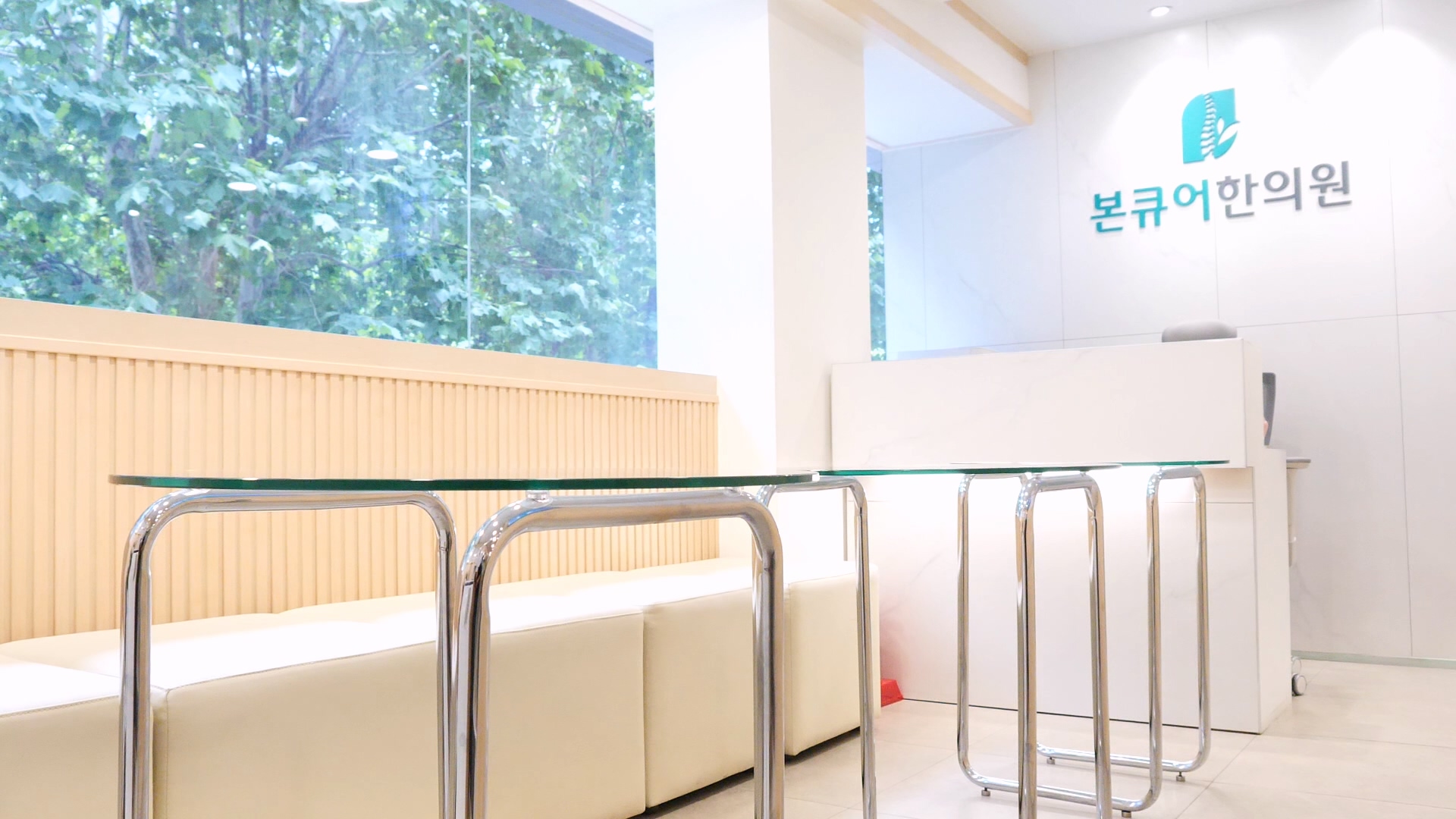
Forward head posture treatment is a comprehensive clinical process aimed at restoring the natural cervical curve and releasing the deep tissue adhesions that maintain a misaligned physical state. In this guide, I will share insights into how we address this modern condition at Bonecure through a root-cause approach that balances the skeletal and soft tissue systems.
What is Forward Head Posture and Why Does It Matter?
Forward head posture is defined as the anterior positioning of the head in relation to the vertical axis of the body, often resulting in a flattened or reversed cervical curve. This condition increases the mechanical load on the neck and shoulders, leading to chronic musculoskeletal tension and potential neurological complications. Understanding the structural implications is the first step toward effective recovery. At Bonecure, we prioritize an accurate understanding of your current alignment before beginning any intervention.
Defining Forward Head Posture and Its Structural Impact
Forward head posture is a condition where the head moves forward from its natural center of gravity, placing immense pressure on the cervical spine and surrounding musculature. This structural shift often leads to a flattening of the natural C-curve, which is vital for shock absorption and nerve health. When the head protrudes forward by even one inch, the effective weight on the neck increases significantly, straining the upper trapezius and levator scapulae muscles. At Bonecure, we focus on identifying these structural imbalances through detailed diagnostics, including Whole Spine X-ray imaging. While we are a specialized boutique clinic focusing on treatment, we coordinate these imaging services through our trusted partner hospitals, such as Harrison Hospital, to ensure a precise skeletal analysis. By understanding the specific degree of misalignment from these external scans, we formulate a personalized plan that addresses both the skeletal structure and the soft tissue adhesions that keep the head in an improper position. This holistic approach ensures that the recovery process targets the root cause of the tension rather than just managing temporary discomfort.
The Link Between Spinal Alignment and Overall Vitality
The alignment of the spine is directly connected to the overall vitality and functioning of the nervous system. The cervical spine houses critical neural pathways and blood vessels that supply the brain and upper extremities. When forward head posture occurs, these pathways can be compromised, leading to symptoms that extend far beyond simple neck pain. Patients often experience reduced lung capacity because the slumped posture restricts the expansion of the rib cage during inhalation. Furthermore, the autonomic nervous system may become dysregulated, leading to issues like chronic fatigue, anxiety, or even digestive disturbances. In my clinical observations at Bonecure, I have seen how restoring the proper curvature of the neck can improve a patient’s energy levels and cognitive clarity by reducing nerve interference. A healthy spine allows for efficient energy flow and optimal communication between the brain and the rest of the body. Ensuring that the structural foundation is sound is the first step toward achieving long-term wellness and peak physical performance, particularly for those living high-stress modern lifestyles.
Common Symptoms: From Neck Tension to Nerve Impingement
Patients seeking forward head posture treatment often present with a diverse array of symptoms ranging from localized muscle stiffness to complex neurological sensations. Chronic tension in the neck and upper back is the most frequent complaint, but many also suffer from tension headaches that radiate from the base of the skull. In more advanced cases, the forward shift can cause nerve impingement, resulting in numbness or tingling in the hands and fingers. Based on my clinical experience, I have managed complex situations where cervical misalignment was linked to chronic tinnitus and severe dizziness that persisted for years. To track progress, we utilize evaluation scales such as the Beck Anxiety Inventory or specific pain indexes to monitor functional improvements. While some patients report immediate feedback during their first visit—feeling a sense of 'opening' or lightness—chronic conditions typically require more sustained intervention to achieve stable, lasting results. Addressing these symptoms early is crucial to prevent long-term degenerative changes in the spinal discs and joints that can lead to more permanent mobility issues later in life.
Traditional and Modern Approaches to Forward Head Posture Treatment
Traditional approaches to postural correction have evolved into integrated modern modalities that combine manual therapy with specialized interventions. Modern forward head posture treatment focuses on correcting the underlying structural deformities rather than merely alleviating the surface-level pain. This shift in focus allows for more sustainable health outcomes and prevents the frequent relapses often seen with symptomatic care alone.
Comparison of Modern Treatment Modalities for Cervical Alignment
Choosing the right treatment method depends on the severity of the spinal misalignment and the presence of soft tissue adhesions. The following table provides a comparison of common approaches used in clinical settings:
| Treatment Method | Primary Focus | Typical Outcome | Key Limitation |
|---|---|---|---|
| Physical Therapy | Muscle Strengthening | Improved posture awareness | Focuses on muscular support |
| Chuna Manual Therapy | Joint Mobilization | Better spinal alignment | Focuses on joint mobility |
| Bonecure Acupotomy | Adhesion Release | Functional restoration | Temporary soreness or bruising |
Specialized Structural Correction vs. Physical Therapy
While conventional physical therapy is excellent for strengthening weak muscles and stretching tight ones, it often falls short when dealing with chronic structural adhesions where the tissue has become 'stuck' in a misaligned state. Specialized structural correction, such as the protocols provided at Bonecure, involves deeper intervention to release the hardened tissues that physically prevent the spine from returning to its natural position. In my experience, even the most diligent exercise routine can be hindered if the underlying connective tissue is too rigid to allow for movement. Structural correction works by mechanically addressing these restrictions, allowing Chuna manual therapy to be significantly more effective in realigning the vertebrae. For patients with significant cervical flattening, combining manual adjustments with targeted soft tissue release offers a more comprehensive path to recovery. This method acknowledges that the bones and muscles must work in harmony to maintain a healthy posture. Therefore, a multifaceted strategy—addressing both the hard structures and the soft tissues—is often necessary to achieve a stable and lasting change in the body’s alignment.
Acupotomy and Structural Correction at Bonecure
Acupotomy is a specialized clinical procedure that uses a unique blade-like needle to release chronic adhesions in the soft tissues. At Bonecure, we integrate this technique with structural realignment to help patients overcome the limitations of chronic postural strain. This intervention is particularly useful for those who have not found relief through standard conservative treatments or those whose tissue has become fibrotic over time.
Acupotomy: Releasing Adhesions for Functional Restoration
Acupotomy serves as a powerful tool in the realm of forward head posture treatment by targeting the microscopic scar tissue that develops from years of poor posture. These adhesions act like internal glue, locking the cervical spine in a forward position and restricting the natural range of motion. During the procedure, the specialized tool is used to gently release these tensions, promoting the regeneration of healthy tissue and restoring blood flow. In my clinical practice, I have observed cases where individuals with long-term discomfort saw significant improvements in their functional scores following a personalized course of treatment. However, please note that these are individual results; identical outcomes are not guaranteed, and the effectiveness of treatment can vary depending on the patient's age and the chronicity of the condition. It is also important to disclose that while the procedure is highly effective, it can result in minor side effects like localized swelling, transient soreness, or bruising. In very rare instances, minor infection or nerve irritation may occur, which is why professional execution is vital. Releasing these deep-seated restrictions is essential for allowing the spine to accept corrective movements during therapy.
The Science of Spinal Re-alignment and Chuna Manual Therapy
The science behind spinal re-alignment involves understanding the complex relationship between the vertebrae and the nervous system. Chuna manual therapy is a specialized technique where the practitioner uses their hands or specialized equipment to apply controlled force to the spinal joints. This helps to restore mobility and correct the displacement of the cervical vertebrae. At Bonecure, we use Whole Spine X-ray imaging (provided by our medical partners) to monitor the progress of these adjustments. For chronic or complex cases, a consistent course of treatment over several weeks or months is often necessary to achieve a measurable improvement in spinal balance and the recovery of the cervical curve. This structural change is not just about appearance; it is about restoring the biomechanical efficiency of the entire body. By aligning the head over the shoulders, we reduce the strain on the spinal discs and prevent the accelerated wear and tear that leads to degenerative disc disease. Consistent care, combined with patient-specific corrective habits, are key to ensuring that the spine remains in its optimal, healthy position.
Synergy of Korean Traditional Medicine for Chronic Pain
Integrating various modalities of Korean Traditional Medicine creates a synergetic effect that accelerates the healing process for chronic musculoskeletal pain. By combining acupuncture, moxibustion, and cupping, we address the systemic factors that contribute to forward head posture. This comprehensive approach ensures that both the local symptoms and the patient's general health are improved simultaneously.
Acupuncture for Back Pain and Cervical Tension Relief
Acupuncture is a cornerstone of forward head posture treatment, offering a non-invasive way to modulate the nervous system and relieve muscular tension. By stimulating specific points, we can induce a relaxation response in the muscles that have been overworked by poor postural habits. This not only reduces pain but also prepares the body for deeper structural work like acupotomy or Chuna therapy. In my practice at Bonecure, I often use acupuncture to address the secondary back pain that frequently accompanies cervical issues, such as tension between the shoulder blades. The stimulation of these points promotes the release of the body's natural pain-relieving substances, providing comfort to the patient. While individual results may vary, many patients report a significant improvement in their ability to move without discomfort. It is a vital component of a well-rounded treatment plan, ensuring that the patient remains comfortable as their structure undergoes significant changes. This focus on comfort and function is essential for long-term patient success and compliance.
Moxibustion and Cupping Therapy for Enhanced Circulation
Moxibustion and cupping therapy are utilized at Bonecure to enhance the body's circulatory health and support the recovery of damaged tissues. Moxibustion involves the application of heat to specific points, which helps to warm the meridians and dispel stagnation that can lead to chronic stiffness. Cupping therapy, on the other hand, uses suction to pull stagnant blood to the surface, allowing fresh, oxygenated blood to nourish the muscles and ligaments. These therapies are particularly beneficial for patients who have suffered from long-standing postural issues, as they help to soften the rigid tissues that have become ischemic over time. Improved circulation is the foundation of any healing process, as it provides the necessary nutrients for tissue repair and reduces inflammatory markers. By integrating these traditional techniques with modern structural insights, we provide a holistic environment for recovery. This comprehensive care model addresses the physical, physiological, and energetic aspects of health, leading to a more profound and lasting sense of well-being for our patients.
The Bonecure Clinical Advantage in Seoul
Located in the heart of Seoul, Bonecure offers a unique clinical advantage for patients seeking specialized spinal care and structural restoration. We pride ourselves on providing evidence-based traditional medicine in a contemporary, patient-centered setting. Our protocols are designed to meet the needs of both local and international patients looking for a root-cause approach to health that goes beyond temporary relief.
Personalized Treatment Protocols for International Patients
International patients visiting Bonecure in Seoul receive personalized treatment protocols that account for their specific health history and travel schedules. We understand that those traveling from abroad require efficient and effective care that delivers results within a specific timeframe. Our diagnostic process, which utilizes high-quality Whole Spine X-ray analysis from our partner hospitals and detailed consultations, ensures that every treatment session is optimized for the patient’s unique structural needs. Whether you are dealing with chronic jaw pain or severe postural issues, our team is dedicated to providing a high standard of care. We have successfully managed complex cases, such as those involving jaw discomfort or tinnitus related to cervical misalignment, through our integrated structural approach. By offering clear communication and objective assessments, we empower our patients to take control of their health. Our goal is to ensure that every patient leaves our clinic with a better understanding of their body and a clear path toward sustained recovery and vitality.
Frequently Asked Questions
Q. What exactly is forward head posture and how is it diagnosed?
Forward head posture is a condition where the head shifts anteriorly from the body's vertical axis, placing undue stress on the neck. It is diagnosed through visual assessment and objective imaging like Whole Spine X-rays (conducted via our partner hospitals) to check the cervical curve and spinal alignment.
Q. Can acupotomy help with long-standing postural issues?
Acupotomy uses a specialized tool to release hardened soft tissue adhesions that keep the spine in a misaligned state. In my clinical experience at Bonecure, this can help restore the structural balance needed for effective and lasting posture correction, though results vary by individual.
Q. How many sessions are typically required for noticeable improvement?
The duration of treatment varies significantly based on the severity and chronicity of the condition. While some notice changes quickly, chronic or severe cases often require a consistent course of multiple sessions over several weeks for stable and measurable structural improvement.
Q. Are there any side effects associated with acupotomy or acupuncture?
Minor side effects may include temporary soreness, slight bruising, or localized swelling. These are generally transient. Very rarely, minor infection may occur. These reactions resolve as the body begins its natural healing and regeneration process.
Q. Does Bonecure provide treatment for international patients in Seoul?
Yes, Bonecure serves many international patients who visit us specifically for specialized spinal and structural care. We offer consultation and treatment plans tailored to those visiting our clinic in Cheongdam, Seoul, for evidence-based Korean traditional medicine.
Q. Is forward head posture treatment covered by insurance?
Coverage depends entirely on your specific insurance provider and policy details. We recommend consulting with our administrative staff to discuss the necessary documentation for your specific treatment plan, especially for international insurance claims.
Q. Can exercises alone fix a severe 'text neck' or forward head posture?
While exercises are helpful for maintenance, severe cases often involve structural adhesions that require professional intervention. Methods like Chuna therapy or acupotomy are often needed to release restrictions before exercises can become truly effective.
Key Takeaways
- Structural Focus: Forward head posture treatment at Bonecure focuses on restoring the natural cervical curve and releasing deep tissue adhesions for a long-term solution.
- Collaborative Diagnostics: We utilize Whole Spine X-rays (via partner hospitals) and objective evaluation scales to track progress and ensure the effectiveness of the treatment protocols.
- Integrated Care: Combining acupotomy, Chuna manual therapy, and traditional acupuncture provides a synergistic approach to chronic musculoskeletal pain and postural misalignment.
- Personalized Approach: Each patient receives a tailored plan that addresses the root cause of their condition, whether they are local residents or international visitors to Seoul.
- Individualized Results: Our methods are backed by clinical observations, but outcomes depend on individual conditions; we prioritize safety and disclose potential minor side effects like transient soreness.
Bonecure / Dr. Song Jung-hyun
FAQ
- What exactly is forward head posture and how is it diagnosed?
- Forward head posture is a condition where the head shifts anteriorly from the body's vertical axis, placing undue stress on the neck. It is diagnosed through visual assessment and objective imaging like Whole Spine X-rays to check the cervical curve and spinal alignment.
- Can acupotomy help with long-standing postural issues?
- Acupotomy uses a specialized tool to release hardened soft tissue adhesions that keep the spine in a misaligned state. In my clinical experience at Bonecure, this can help restore the structural balance needed for effective and lasting posture correction.
- How many sessions are typically required for noticeable improvement?
- The duration of treatment varies significantly based on the severity and chronicity of the condition. While some notice changes quickly after the first few visits, chronic cases often require multiple sessions for stable and measurable structural improvement.
- Are there any side effects associated with acupotomy or acupuncture?
- Minor side effects may include temporary soreness, slight bruising, or localized swelling at the treatment site. These are generally transient and resolve within a few days as the body begins its natural healing and regeneration process.
- Does Bonecure provide treatment for international patients in Seoul?
- Yes, Bonecure serves many international patients who visit us specifically for specialized spinal and structural care. We offer consultation and treatment plans tailored to those visiting our clinic in Cheongdam, Seoul, for evidence-based traditional medicine.
- Is forward head posture treatment covered by insurance?
- Coverage depends entirely on your specific insurance provider and policy details. We recommend consulting with our administrative staff to discuss the necessary documentation and available payment options for your specific treatment plan.
- Can exercises alone fix a severe 'text neck' or forward head posture?
- While exercises are helpful for maintenance, severe cases involve structural adhesions that often require professional intervention. Methods like Chuna therapy or acupotomy are needed to allow the joints to move into the correct position before exercises can be effective.