
Post
A 2026 Clinical Guide to Teeth Grinding Prevention and Structural Recovery
Hello. I am Song Jung-hyun, an oriental medical doctor who has focused on acupotomy for a long time.
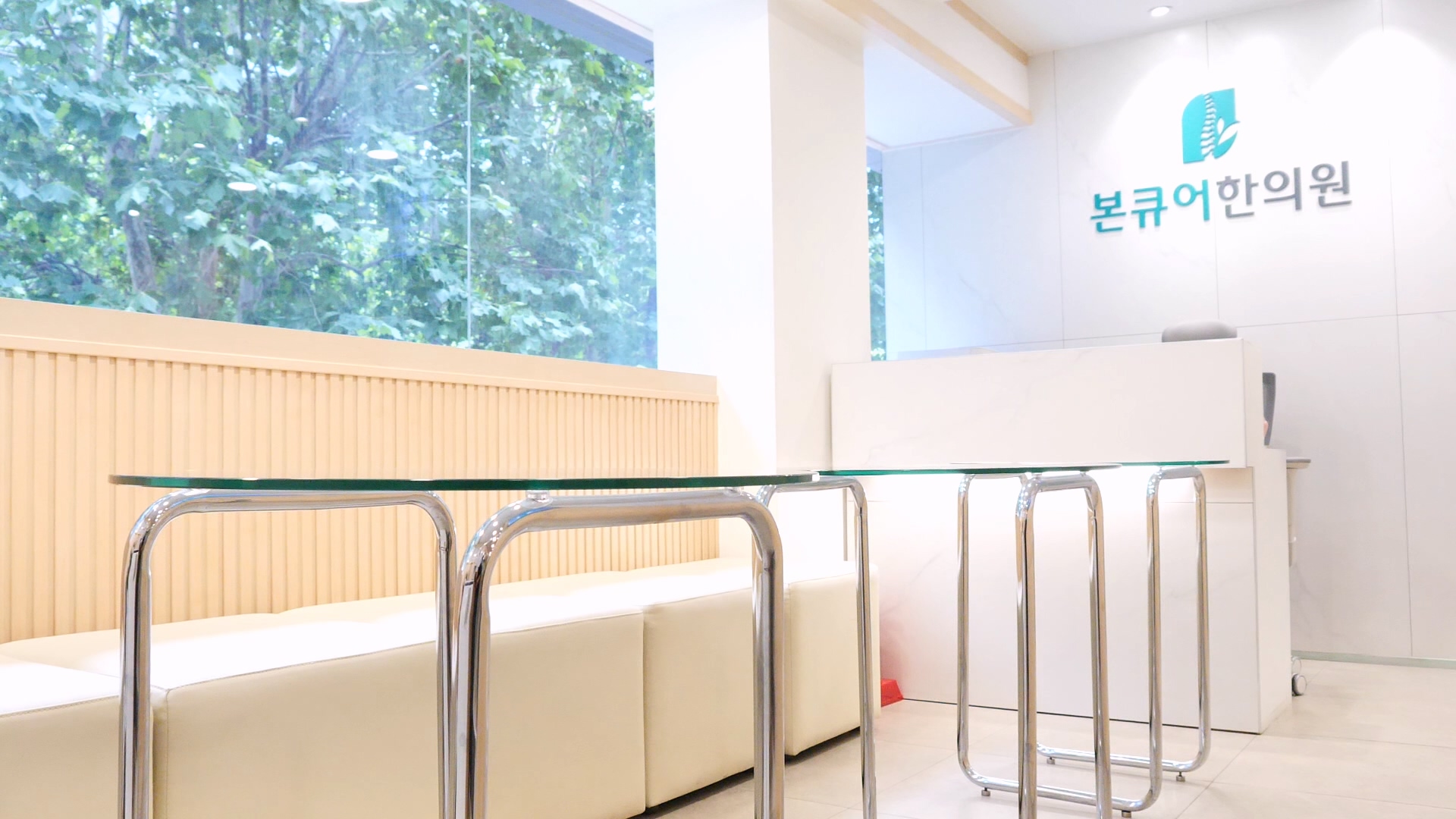
Teeth grinding is not merely a dental issue but a complex neuromuscular condition that often stems from structural imbalances within the body. In this guide, I will share clinical insights on how restoring the natural alignment of the spine and jaw can provide a sustainable path toward recovery and comfort.
What is Teeth Grinding (Bruxism) and Its Impact on Health
Teeth grinding, or bruxism, is the involuntary clenching or grinding of teeth that can occur during sleep or while awake, leading to significant wear on dental structures and facial pain. It is often a symptom of underlying physical or psychological tension that manifests through the masticatory muscles.
Defining Sleep and Awake Bruxism
Teeth grinding is categorized into two primary types based on when the activity occurs. Sleep bruxism is a sleep-related movement disorder where individuals may unconsciously exert a force of up to 250 pounds on their molars. This nocturnal activity is often rhythmic and can lead to morning headaches or jaw soreness. Awake bruxism is more frequently linked to emotional stress or periods of high concentration. Based on available data, sleep bruxism affects approximately 8 percent of the adult population, while awake bruxism has a higher prevalence of up to 31 percent. At Bonecure, we observe that both types require a detailed assessment of the autonomic nervous system. Distinguishing between these patterns is essential because the treatment approach for a sleep-related disorder differs from one triggered by daytime cognitive load. Identifying these nuances allows for a more targeted intervention that addresses the specific timing of muscle overactivity.
Common Causes: Stress, Malocclusion, and Structural Imbalance
The etiology of bruxism is multifactorial, involving a combination of psychological, physical, and genetic components. Stress is a primary catalyst, as it increases muscle sympathetic nerve activity, leading to heightened jaw tension. Malocclusion, or the misalignment of the teeth, can also trigger grinding as the body attempts to find a stable resting position for the mandible. However, structural imbalance, particularly in the cervical spine and the temporomandibular joint (TMJ), is a frequently overlooked factor. When the upper vertebrae are misaligned, they can create tension in the muscles surrounding the jaw. In my clinical experience at Bonecure, I have found that patients with chronic grinding often exhibit a forward head posture. This posture can significantly increase the workload on the masseter muscles compared to a neutral alignment. Addressing these structural discrepancies is vital for long-term teeth grinding prevention and overall musculoskeletal health.
The Hidden Danger of Ignoring Teeth Grinding
Neglecting chronic bruxism can lead to severe health complications that extend far beyond the oral cavity. Continuous grinding causes the protective enamel to wear down, increasing the risk of tooth fractures and sensitivity. Furthermore, the constant pressure on the TMJ can lead to internal derangement, such as disc displacement. This often manifests as clicking or popping sounds when opening the mouth. If left untreated, the inflammation can spread, causing chronic earaches, tinnitus, and even vertigo. In many clinical cases I have managed, patients who have suffered from chronic symptoms for a long period often find that their persistent jaw tension is closely linked to underlying spinal misalignment. Procrastination in seeking treatment can lead to long-term damage to the joint structures. Early intervention at a clinic like Bonecure can help mitigate these risks by stabilizing the jaw and reducing the cumulative force exerted on the teeth through structural correction and muscle relaxation.
Traditional and Contemporary Approaches to Teeth Grinding Prevention
Traditional and contemporary approaches to teeth grinding prevention involve a range of interventions from physical barriers to holistic lifestyle modifications aimed at reducing muscle strain. These methods focus on both protecting the teeth and addressing the systemic triggers of bruxism.
Mouthguards and Night Guards: Immediate Protection
Mouthguards and night guards are the most common first-line defenses against the damaging effects of bruxism. These oral appliances create a physical barrier between the upper and lower teeth, preventing further enamel wear and reducing the risk of tooth breakage. While effective at protecting the dental surface, they do not necessarily stop the act of grinding itself. Many patients find that while their teeth are protected, they still wake up with significant muscle fatigue or headaches. At Bonecure, we view these devices as temporary protective measures rather than a complete cure. Based on available clinical observations, while many patients report a reduction in tooth sensitivity with guards, many still require additional therapy to address the underlying muscular tension. It is important to ensure that the guard is custom-fitted, as an ill-fitting device can sometimes exacerbate jaw misalignment or cause discomfort in the gums.
Stress Management and Lifestyle Adjustments
Reducing the psychological triggers of bruxism is a cornerstone of effective management. Stress management techniques, such as mindfulness, cognitive behavioral therapy, and regular exercise, can lower the overall activation of the sympathetic nervous system. Lifestyle adjustments also play a role, including the reduction of caffeine and alcohol consumption, which are known to increase the frequency of sleep bruxism. For instance, consuming caffeine late in the day can increase muscle activity during sleep in sensitive individuals. Maintaining a regular sleep schedule and creating a relaxing bedtime routine can also help calm the nervous system. Integrating these habits with clinical care provided by Bonecure allows for a comprehensive approach to teeth grinding prevention. By addressing the daily stressors that contribute to jaw clenching, patients can experience a noticeable reduction in the intensity and frequency of their symptoms, leading to improved quality of life.
Acupuncture Clinic Seoul: Integrating Holistic Care
In the heart of Seoul, integrating traditional Korean medicine offers a unique and effective pathway for those struggling with jaw tension. Acupuncture involves the insertion of fine needles into specific points to stimulate the release of endorphins and improve blood flow to the masticatory muscles. This process helps to reset the muscle spindles and reduce the involuntary contractions that cause grinding. At Bonecure, we specialize in advanced techniques like acupotomy, which uses a specialized tool to release adhesions in the connective tissue surrounding the TMJ. This method is particularly beneficial for chronic cases as acupotomy focuses on directly stimulating and releasing areas of chronic adhesion. By combining these time-tested practices with modern diagnostic tools, we can offer a holistic treatment plan that addresses both the symptoms and the underlying structural causes. This integrated approach is increasingly sought after by patients looking for non-invasive yet powerful solutions for their chronic jaw pain.
The Role of Korean Medicine in Treating Bruxism Root Causes
Korean medicine focuses on identifying and treating the root causes of bruxism by harmonizing the body's internal balance and correcting structural deviations. This approach looks beyond the jaw to ensure the entire musculoskeletal system is functioning in unison.
Structural Alignment: Whole Spine and TMJ Connection
The relationship between the spine and the jaw is fundamental in Korean medical theory. The temporomandibular joint does not function in isolation; it is deeply influenced by the alignment of the cervical spine, particularly the C1 and C2 vertebrae. Misalignment in these areas can create a compensatory shift in the jaw, leading to chronic bruxism. At Bonecure, we utilize whole-spine X-ray analysis to identify these deviations. By applying structural corrective therapies, we aim to restore the natural curvature of the spine, which in turn alleviates the mechanical stress on the jaw. This is especially relevant for those seeking a jaw pain when opening mouth structural recovery. When the body is properly aligned, the muscles of the head and neck can function with minimal effort, significantly reducing the urge to grind. Restoring this balance is a key component of our long-term strategy for patients suffering from persistent jaw disorders.
Acupuncture for Chronic Pain and Jaw Tension
Acupuncture is a highly effective modality for managing the chronic pain associated with bruxism. By targeting points such as ST7 (Xiaguan) and ST6 (Jiache), practitioners can directly influence the masseter and temporal muscles. This stimulation promotes the relaxation of hyperactive muscle fibers and improves local microcirculation. In clinical settings, we often see significant reduction in discomfort after a series of treatments tailored to the individual. At Bonecure, our goal is to use acupuncture to not only relieve pain but also to stabilize the nervous system. This is crucial for patients who also experience symptoms of autonomic nervous system disorder recovery. While the procedure is generally safe, patients should be aware of potential minor side effects such as temporary soreness or bruising at the needle site, which usually resolve within a few days.
Physical Therapy and Circulation Management: Restoring Tissue Health
Physical therapy and targeted circulation management are essential for bruxism patients who suffer from muscle stiffness or poor circulation in the facial and cervical regions. Improving blood flow helps to dilate vessels, increasing the delivery of oxygen and nutrients to the overworked jaw muscles. At Bonecure, we integrate physical therapy to soften rigid tissues before applying more intensive structural corrections like Chuna therapy or acupotomy. This stimulation can also have a calming effect on the mind, reducing the overall stress levels that contribute to grinding. Based on our clinical approach, improving microcirculation significantly enhances muscle elasticity, making other manual therapies more effective. For residents in Seoul looking for a comprehensive recovery plan, combining structural correction with circulation management provides a layered approach that addresses both physical rigidity and systemic imbalances.
Comparative Overview of Bruxism Treatment Options
Understanding the various treatment options available for bruxism allows patients to make informed decisions about their care. The following table provides a comparison of common approaches.
| Treatment Option | Primary Focus | Mechanism | Duration of Effect | Main Limitation |
|---|---|---|---|---|
| Dental Mouthguards | Surface Protection | Physical Barrier | Temporary (while worn) | Does not stop grinding |
| Botulinum Toxin | Muscle Paralysis | Neurotoxin injection | 3–6 months | Requires repeat visits |
| Acupotomy (Bonecure) | Structural Release | Adhesion removal | Varies by individual | Mild temporary soreness |
| Physical Therapy | Muscle Training | Exercises/Stretching | Variable | Requires high compliance |
| Stress Management | Psychological | Behavioral change | Long-term | Hard to maintain alone |
Dental Splints vs. Structural Corrective Therapy
Dental splints are primarily designed to prevent the physical wear of teeth, acting as a buffer between the dental arches. While they are indispensable for preserving enamel, they do not address the musculoskeletal triggers of bruxism. In contrast, structural corrective therapy at Bonecure focuses on the underlying causes, such as spinal misalignment and TMJ dysfunction. By correcting the structural foundation, we aim to reduce the neurological drive to grind the teeth. Based on clinical experience, while splints are effective for dental protection, they may not significantly decrease the underlying muscle tension in the same way that structural correction does. Structural therapy addresses this gap by realigning the body so that the jaw can rest in a neutral, tension-free position. This approach provides a more comprehensive solution for those who find that mouthguards alone are insufficient for relieving their chronic jaw pain.
Benefits and Limitations of Non-Invasive Procedures
Non-invasive procedures, such as acupuncture and manual therapy, offer the benefit of minimal downtime and a low risk of systemic side effects. These treatments work by stimulating the body's natural healing mechanisms. However, it is important to acknowledge their limitations. For instance, chronic and severe cases of bruxism may require multiple sessions over several months to achieve stable results. At Bonecure, we emphasize that individual responses to treatment can vary. Some patients may experience immediate relief, while others with long-standing structural issues may see gradual improvement. Potential side effects like localized tenderness or minor bruising are possible but are typically mild. Furthermore, these therapies require active patient participation in lifestyle changes to be fully effective. Despite these considerations, non-invasive Korean medical treatments remain a preferred choice for those seeking to avoid surgery or long-term medication.
Comparing Long-term Outcomes of Integrated Care
Integrated care, which combines structural correction, muscle relaxation, and lifestyle management, generally yields superior long-term outcomes compared to isolated treatments. When a patient addresses only the dental symptoms, the underlying neuromuscular tension often persists, leading to a cycle of recurring pain. By contrast, patients at Bonecure who undergo integrated structural therapy often report sustained improvements in both jaw function and overall well-being. Clinical observations indicate that addressing the whole-body alignment can significantly reduce the recurrence rate of bruxism. In cases involving TMJ jaw pain structural recovery, the stabilization of the cervical spine is a key predictor of long-term success. By fostering a state of internal balance, integrated care helps the body maintain its corrective changes, leading to a sustainable reduction in the frequency and intensity of grinding episodes. This comprehensive strategy ensures that the benefits of treatment extend well into the future.
Scientific Perspective: Clinical Insights and Case Reports
Scientific inquiry into bruxism through the lens of Korean medicine provides valuable data on how structural interventions affect neurological and muscular outcomes. These clinical insights help validate the effectiveness of a holistic approach.
Traditional Medicine Clinical Notes on Jaw Disorders
Clinical notes from traditional Korean medicine emphasize the interconnectedness of the "meridian system" and the physical structure of the jaw. Tension in meridians running along the head and jaw is often linked to emotional stress and bruxism. Modern research at institutions like Bonecure translates these concepts into measurable clinical observations. By applying acupotomy to release tension in these areas, we can observe a decrease in hyperactive muscle signals. These clinical findings suggest that specialized techniques can effectively recalibrate the neuromuscular pathways involved in grinding. Furthermore, restoring vital energy flow often corresponds with a reduction in the patient's perceived stress levels, providing a foundation for the dual physical and psychological benefits of this integrated medical approach.
Case Study: Improving Jaw Alignment via Spine Correction
One of the most compelling aspects of our work involves case studies where spinal correction directly impacts jaw alignment. I have managed cases where improving cervical alignment was closely associated with the relief of chronic nocturnal bruxism. Through a course of sessions focusing on structural restoration and acupotomy at Bonecure, we have clinically observed cases where spinal alignment improved on X-ray imaging, leading to significant relief of morning jaw pain and reduced dental wear. However, results may vary depending on the individual's condition. This case demonstrates that the jaw is often the last link in a chain of structural imbalances. By fixing the foundational issues in the spine, the jaw was able to naturally realign, removing the mechanical impetus for grinding. Such cases underscore the importance of looking at the body as a whole rather than focusing solely on the site of the symptoms.
Documented Changes in Pain Scales and Muscle Tension
Measuring progress through standardized scales is a hallmark of the evidence-based approach at Bonecure. We frequently utilize the Beck Anxiety Inventory (BAI) and the Beck Depression Inventory (BDI) to monitor the psychological factors contributing to bruxism. Additionally, we track physical progress using the Visual Analogue Scale (VAS). For example, in cases of TMJ-related tinnitus, we have observed a significant reduction in the VAS for ear ringing over the course of treatment. These numbers provide concrete evidence of the efficacy of structural therapy. While these results are specific to individual cases and may not be guaranteed for everyone, they offer a clear indication of the potential for profound recovery. Documenting these changes allows us to refine our techniques and provide patients with realistic expectations for their journey toward teeth grinding prevention.
Frequently Asked Questions
Q. Can teeth grinding be completely cured with a mouthguard?
A mouthguard primarily prevents tooth wear by providing a physical barrier. While it protects the enamel and prevents fractures, it may not address the underlying musculoskeletal or stress-related triggers that cause the grinding itself. At Bonecure, we recommend combining guards with structural therapy for a more comprehensive solution.
Q. How does acupuncture help with teeth grinding?
Acupuncture for chronic pain helps relax the masseter and temporal muscles, reducing the intensity of involuntary jaw clenching. By stimulating specific points, it can calm the nervous system and address the physical tension at its source. Many patients find it significantly reduces the frequency of their grinding episodes.
Q. Are there any side effects to traditional Korean medicine for jaw pain?
Treatments like acupuncture or acupotomy may cause temporary soreness, minor bruising, or very occasional light bleeding at the site. These effects are generally mild and subside within a few days. It is important to consult with a qualified practitioner to ensure the treatment is tailored to your specific health needs.
Q. Is teeth grinding related to spinal alignment?
Yes, we often observe that cervical spine misalignment can influence jaw position. When the vertebrae are out of alignment, they can create tension in the muscles that control the jaw. Correcting the whole spine structure can help balance the temporomandibular joint (TMJ) and reduce grinding symptoms over the long term.
Q. How long does it take to see results from traditional Korean medicine?
Immediate relief of muscle tension can occur after a few sessions, but chronic bruxism often requires multiple visits for structural stabilization. Results are highly individual and depend on the severity and duration of the condition. Consistent treatment is usually necessary for lasting structural changes.
Q. Does stress really cause teeth grinding?
Stress is a primary trigger for awake bruxism as it increases muscle sympathetic nerve activity, leading to jaw clenching. High stress levels can increase nocturnal grinding as well by disrupting sleep patterns. Combining traditional medicine with stress management techniques is often the most effective approach for these patients.
Q. Can children receive treatment for teeth grinding?
Many children grind their teeth as their jaws and permanent teeth grow, which is often a temporary phase. However, if it causes significant pain or dental wear, a consultation for gentle, non-invasive care is advisable. At Bonecure, we provide supportive care that focuses on natural alignment without aggressive intervention.
Key Takeaways
- Teeth grinding often stems from a combination of stress, malocclusion, and structural imbalances in the spine.
- Mouthguards protect the teeth but may not address the root muscular or neurological causes of bruxism.
- Structural alignment, particularly of the cervical spine, is essential for long-term jaw health and teeth grinding prevention.
- Acupotomy and acupuncture offer non-invasive ways to release deep muscle tension and improve local circulation.
- Individual results from treatment can vary, and a comprehensive approach involving lifestyle changes and clinical care at Bonecure is recommended.
If you are struggling with persistent jaw pain or teeth grinding, a thorough structural assessment can be the first step toward lasting relief. For personalized consultation and treatment, please contact us.
Bonecure / Director Song Jung-hyun
FAQ
- Can teeth grinding be completely cured with a mouthguard?
- A mouthguard primarily prevents tooth wear by providing a physical barrier. While it protects the enamel and prevents fractures, it may not address the underlying musculoskeletal or stress-related triggers that cause the grinding itself. At Bonecure, we recommend combining guards with structural therapy for a more comprehensive solution.
- How does acupuncture help with teeth grinding?
- Acupuncture for chronic pain helps relax the masseter and temporal muscles, reducing the intensity of involuntary jaw clenching. By stimulating specific points, it can calm the nervous system and address the physical tension at its source. Many patients find it significantly reduces the frequency of their grinding episodes.
- Are there any side effects to traditional Korean medicine for jaw pain?
- Treatments like acupuncture or acupotomy may cause temporary soreness, minor bruising, or very occasional light bleeding at the site. These effects are generally mild and subside within a few days. It is important to consult with a qualified practitioner to ensure the treatment is tailored to your specific health needs.
- Is teeth grinding related to spinal alignment?
- Yes, we often observe that cervical spine misalignment can influence jaw position. When the vertebrae are out of alignment, they can create tension in the muscles that control the jaw. Correcting the whole spine structure can help balance the temporomandibular joint (TMJ) and reduce grinding symptoms over the long term.
- How long does it take to see results from traditional Korean medicine?
- Immediate relief of muscle tension can occur after a few sessions, but chronic bruxism often requires multiple visits for structural stabilization. Results are highly individual and depend on the severity and duration of the condition. Consistent treatment is usually necessary for lasting structural changes.
- Does stress really cause teeth grinding?
- Stress is a primary trigger for awake bruxism as it increases muscle sympathetic nerve activity, leading to jaw clenching. High stress levels can increase nocturnal grinding as well by disrupting sleep patterns. Combining traditional medicine with stress management techniques is often the most effective approach for these patients.
- Can children receive treatment for teeth grinding?
- Many children grind their teeth as their jaws and permanent teeth grow, which is often a temporary phase. However, if it causes significant pain or dental wear, a consultation for gentle, non-invasive care is advisable. At Bonecure, we provide supportive care that focuses on natural alignment without aggressive intervention.