
Post
A 2026 Clinical Guide to Managing Jaw Pain When Opening Mouth through Structural Recovery
Hello, I am Song Jung-hyun, a Korean medicine doctor specializing in acupotomy and structural restoration.
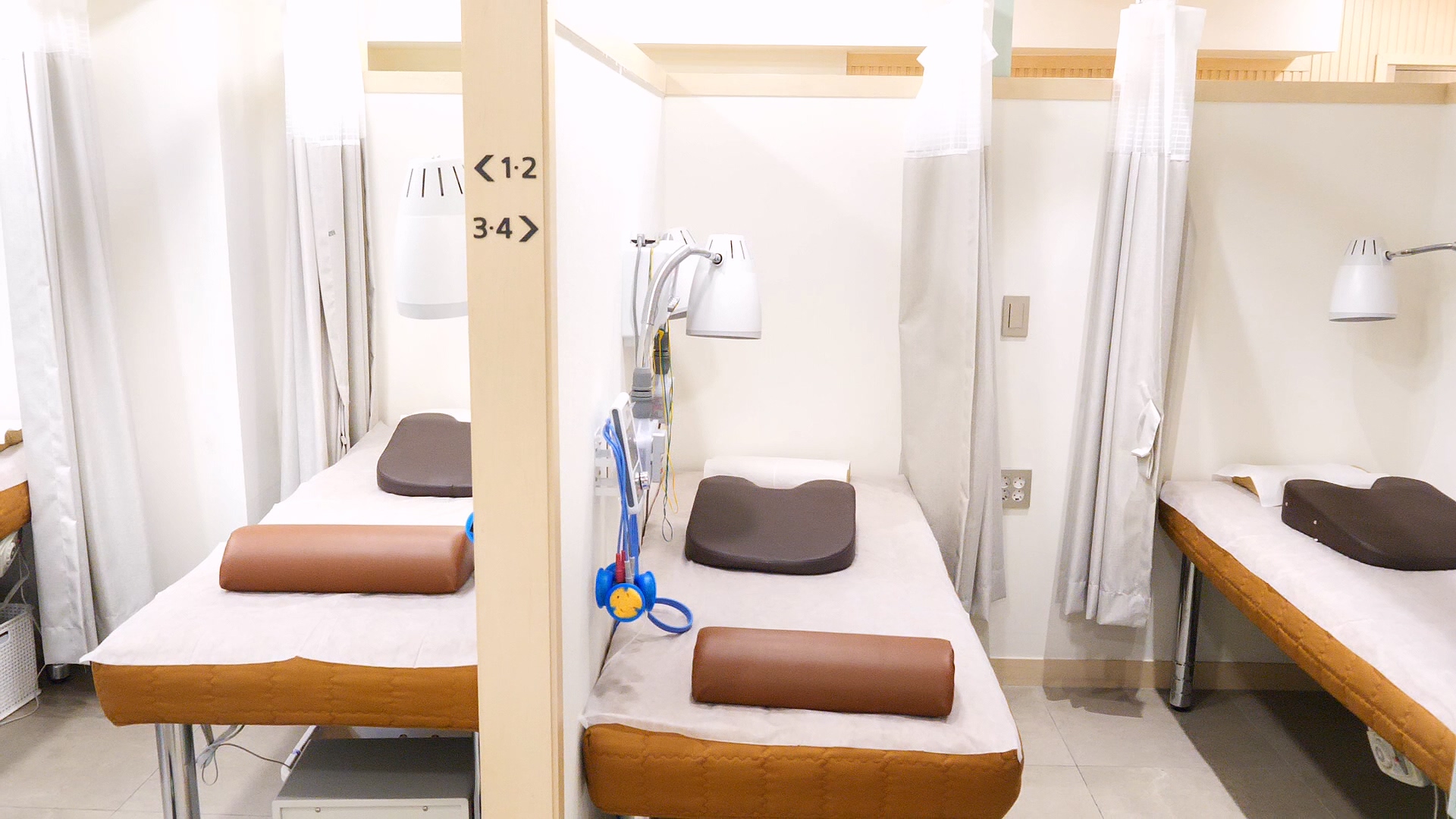
Many patients suffer from sharp jaw pain when opening mouth, often feeling frustrated by treatments that only provide temporary relief. At Bonecure, we focus on identifying the underlying structural imbalances that cause these symptoms. By addressing the root cause, we aim to restore natural movement and comfort to your daily life. This guide explores the relationship between the temporomandibular joint, spinal alignment, and the specialized techniques we use to support your recovery.
Understanding Jaw Pain When Opening Mouth and TMJ Dysfunction
Jaw pain when opening mouth is a primary symptom of temporomandibular joint (TMJ) dysfunction, a condition that affects the joint connecting your jawbone to your skull. This dysfunction can involve the bones, muscles, and the articular disc that facilitates smooth movement. When these components are out of sync, simple actions like eating, speaking, or even yawning can become agonizing. Understanding the mechanical nature of this joint is the first step toward effective management and long term structural health.
Anatomy of the Jaw: Why Movement Becomes Restricted
The temporomandibular joint is one of the most complex joints in the human body, functioning like a sliding hinge. It consists of the mandibular condyle, the articular disc, and the temporal bone. In a healthy jaw, the disc stays positioned between the bones to absorb shock and ensure smooth rotation and gliding. However, when the surrounding muscles, such as the masseter or lateral pterygoid, become chronically tight, they can pull the disc out of place. This misalignment often results in a restricted range of motion. In clinical observations at Bonecure, patients with chronic symptoms often show a jaw opening measurement of less than 35mm, compared to the normal range of 40mm to 50mm. Structural recovery focuses on loosening these tight tissues to allow the disc to return to its natural position, which may help improve the overall mobility of the joint for most individuals.
Common Causes of Painful Jaw Clicking and Locking
Clicking and locking are frequent precursors to severe jaw pain when opening mouth, often caused by the articular disc slipping forward. This phenomenon, known as internal derangement, occurs when the disc is displaced and then snaps back into place during movement, creating a clicking sound. Factors such as bruxism (teeth grinding), excessive stress, and trauma are major contributors to this mechanical failure. Statistically, some form of TMJ clicking is common in the adult population at some point in their lives. When the disc fails to snap back, the jaw may lock, significantly limiting the opening range. At Bonecure, we have frequently observed that patients presenting with jaw locking also exhibit chronic tension in the upper cervical spine. This highlights the importance of looking beyond the jaw itself. Addressing these systemic causes is essential for preventing the progression of simple clicking into debilitating chronic pain.
Integrative Approach for Chronic Jaw Pain and Facial Tension
An integrative approach for chronic jaw pain involves looking at the entire upper body structure rather than focusing solely on the facial muscles. By combining traditional acupuncture with structural realignment, we can address the tension that often radiates from the neck and shoulders into the jaw. This holistic perspective ensures that the treatment supports the body's natural ability to heal and maintain balance, reducing the likelihood of symptom recurrence and improving the quality of daily life for our patients.
Role of Acupuncture for Chronic Pain and TMJ Relief
Acupuncture plays a vital role in managing the soft tissue components of jaw dysfunction by stimulating blood flow and releasing muscular knots. When applied to specific trigger points in the masseter and temporal muscles, it can help downregulate the nervous system's pain response. Clinical observations suggest that acupuncture can lead to a significant and clinically meaningful reduction in pain scores on the Visual Analog Scale (VAS) for many patients. At Bonecure, we utilize specialized techniques to target deep tissue adhesions that traditional massage might miss. By reducing inflammation within the joint capsule, this therapy helps to alleviate the constant dull ache associated with chronic TMJ disorders. It is important to note that while many patients find relief, individual results vary. Minor bruising or temporary soreness at the treatment site may occur.
Addressing Structural Alignment: The Connection to Cervical Health
The relationship between the jaw and the cervical spine is a critical factor in treating jaw pain when opening mouth. The first and second cervical vertebrae, known as the atlas and axis, provide the structural foundation for head and jaw position. When these vertebrae are misaligned, they can create an uneven pull on the muscles surrounding the TMJ. Based on our clinical records at Bonecure, a high proportion of patients with chronic jaw pain also exhibit forward head posture or cervical stiffness. This structural imbalance puts continuous strain on the jaw joint, leading to premature wear and tear. By correcting the alignment of the neck, we can significantly reduce the mechanical load on the jaw. This structural restoration is a core component of our philosophy, as it addresses the physical environment in which the jaw functions. Without resolving these neck issues, jaw treatments may only offer short term relief, making a comprehensive cervical assessment necessary for every patient.
Specialized Korean Traditional Medicine for Jaw Recovery
Specialized Korean traditional medicine offers a robust framework for jaw recovery by using manual therapies and thermal treatments to restore balance to the musculoskeletal system. Techniques like Chuna manual therapy are designed to realign the bones and joints, while moxibustion helps to improve local circulation. This combination of physical adjustment and physiological support creates a favorable environment for the relaxation of stubborn muscle fibers that contribute to chronic discomfort.
Chuna Manual Therapy for TMJ and Spinal Health
While standard physical therapy often focuses on strengthening and stretching, Chuna manual therapy at Bonecure emphasizes the active realignment of the skeletal structure. Chuna involves specific thrusts and mobilization techniques performed by a trained practitioner to correct subluxations in the spine and jaw. In clinical practice, we have observed that correcting spinal alignment through Chuna often leads to a measurable reduction in jaw tension and postural strain. This therapy is particularly effective for those whose jaw issues are rooted in chronic postural habits. Compared to generic exercises, Chuna provides a personalized adjustment that targets the specific blockage points in the patient's unique anatomy. It is a non-invasive yet powerful tool for restoring symmetry to the face and body. While some patients experience immediate relief, follow-up sessions may be recommended to help the body maintain its new, healthy alignment.
Moxibustion Therapy Seoul: Warming the Joints for Improved Flow
Moxibustion is a traditional heat therapy that involves burning dried mugwort near specific acupuncture points to stimulate healing. For those seeking moxibustion therapy in Seoul, this method is highly effective for chronic jaw conditions where the joint feels stiff or weather-sensitive. The gentle infrared heat penetrates deep into the joint, promoting the secretion of synovial fluid and reducing the viscosity of the surrounding tissues. At Bonecure, we often use moxibustion to prepare the jaw before more intensive structural adjustments. By increasing local blood circulation, it helps to flush out inflammatory byproducts that accumulate in the joint space. This thermal stimulation can enhance the efficacy of other treatments by making the tissues more pliable. While generally safe, patients should be aware of the heat intensity, and treatments should always be administered by a professional to prevent skin irritation.
The Bonecure Method: Structural Restoration of the Jaw
The Bonecure Method is our signature approach to treating complex jaw and spinal disorders by integrating advanced acupotomy with precise structural realignment. We believe that chronic pain is often the result of physical adhesions and skeletal imbalances that require a more targeted intervention than standard care. By focusing on the structural restoration of the entire craniofacial and spinal complex, we provide a pathway for patients to achieve significant and lasting improvements in their physical health and functional mobility.
Deep Tissue Adhesion Release with Miniscalpel Acupuncture
Acupotomy, also known as miniscalpel acupuncture, is a specialized technique used at Bonecure to treat chronic jaw pain by physically releasing dense adhesions. Over time, chronic inflammation can cause muscle fibers to stick together, forming tough scar tissue that limits joint movement. Standard needles may not have the mechanical force required to break these bonds, but the miniscalpel tip of an acupotomy needle can precisely dissect these adhesions. In our clinical experience, we aim for significant tension release and immediate improvement in movement. For instance, we have treated cases with nearly two decades of symptoms, focusing on releasing deep adhesions to facilitate a return to daily comfort. As with any clinical procedure, acupotomy carries potential risks such as localized pain, temporary bleeding, or, in rare cases, infection. This deep release is often the key to unlocking progress in cases that have failed to respond to conventional treatments.
Comparing Conventional Jaw Guards and Bonecure Structural Realignment
Many patients are prescribed night guards or splints to manage TMJ symptoms, but these often act as a cushion rather than a cure. While guards can protect teeth from grinding, they do not necessarily address why the jaw is misaligned in the first place. In contrast, Bonecure focuses on structural realignment of the cervical spine and the jaw joint itself. The Bonecure approach focuses on the active release of adhesions and spinal adjustment to restore joint alignment and tissue health. Unlike passive management tools, our structural realignment targets the jaw, neck, and spine holistically to address the underlying physical environment of the joint. By focusing on the structural foundation, we aim for a more comprehensive recovery that goes beyond simple symptom management.
Immediate Improvement Case Studies: Structural Realignment Observations
At Bonecure, we have documented numerous case reports where patients experienced immediate changes in their jaw mobility following structural restoration. In our clinical observations, we focus on removing the structural barriers that restrict natural range of motion. While these results are specific to individual cases and not guaranteed for everyone, they demonstrate the potential for rapid change when physical blockages are addressed. For example, addressing structural imbalances has helped patients manage accompanying symptoms like tinnitus or ear ringing over the course of their treatment. These observations suggest that the jaw joint is highly responsive to corrective structural input. At Bonecure, we prioritize immediate results so that patients can feel the difference during their visit. While chronic conditions may benefit from follow-up stabilization to ensure the surrounding ligaments adapt to the new alignment, our goal is to provide impactful care from the start.
A 2026 Clinical Guide to TMJ Jaw Pain and Structural Recovery at Bonecure
Practical Tips for Managing Jaw Discomfort at Home
Practical tips for managing jaw discomfort at home are essential for maintaining the progress made during clinical sessions. By becoming aware of daily habits that contribute to jaw strain, patients can actively participate in their own recovery process. Simple changes in posture and the implementation of gentle corrective exercises can make a significant difference in preventing the recurrence of jaw pain.
Postural Habits That Aggravate Jaw Tension
One of the most common habits that exacerbates jaw pain is the frequent use of smartphones and computers, which often leads to "tech neck" or forward head posture. This position shifts the center of gravity of the head, forcing the jaw muscles to work much harder to keep the mouth closed against gravity. Additionally, habits such as resting your chin on your hand or clenching your teeth during stressful tasks can create a cycle of constant muscle fatigue. At Bonecure, we advise patients to keep their screens at eye level and to practice "tongue to roof of mouth" positioning to keep the jaw relaxed. Being mindful of these subconscious habits is a crucial part of structural restoration. Small adjustments throughout the day can prevent the accumulation of tension that eventually leads to painful joint locking.
Safe Jaw Exercises to Improve Opening Range
Gentle stretching can help maintain the flexibility of the TMJ without causing further injury. One effective exercise is the "Goldfish Exercise," where you place your tongue on the roof of your mouth and slowly open and close your jaw while keeping the tongue in place. Another helpful technique is the "Relaxed Jaw Stretch," where you gently place your fingers on your chin and guide your jaw down to a comfortable limit, holding for 5 seconds. In clinical practice at Bonecure, we recommend performing these exercises gently after applying a warm compress. It is important to avoid any movement that causes sharp pain or loud clicking. If you experience an increase in discomfort, it is a sign that the joint may require professional consultation. Consistent, gentle movement helps to circulate synovial fluid, which is essential for the health of the articular disc.
2026 Guide to TMJ Disorder and Immediate Structural Recovery through Acupotomy
Key Takeaways
- Structural Focus: Jaw pain when opening mouth is often a structural issue involving the joint, disc, and cervical spine alignment.
- Acupotomy Benefits: Miniscalpel acupuncture at Bonecure helps release deep tissue adhesions that limit jaw movement and cause chronic pain.
- Cervical Connection: TMJ cases are frequently linked to neck misalignment, requiring a holistic treatment approach that addresses the spine.
- Immediate Improvement Goal: At Bonecure, we aim for immediate symptom relief through targeted structural restoration and adhesion release.
- Personalized Stabilization: While immediate results are expected, chronic cases may utilize follow-up sessions to stabilize the structural changes and prevent relapse.
Frequently Asked Questions
Q. Why does my jaw hurt specifically when I open my mouth wide?
This pain is usually caused by the displacement of the articular disc or severe tightness in the muscles like the masseter. When you open wide, the joint must glide forward, and if the disc is stuck or the muscles are too tight, it creates mechanical friction and inflammation. At Bonecure, we find that releasing these muscle adhesions often helps the jaw move more freely.
Q. Can acupuncture help with jaw clicking and pain?
Yes, acupuncture is highly effective for relaxing the pterygoid and masseter muscles that control jaw movement. By reducing muscle tension and improving blood flow, it can help the articular disc slide more smoothly, which often reduces clicking sounds. We use specialized points to target the joint capsule directly for better results.
Q. How many sessions are typically required for TMJ relief at Bonecure?
Our philosophy is to provide immediate improvement that you can feel. While some patients experience significant relief in just a few visits, chronic cases involving structural misalignment may benefit from a plan of stabilization sessions to ensure the ligaments and cervical spine remain aligned. Your specific timeline depends on the severity and nature of your condition.
Q. Is jaw pain related to neck and shoulder tension?
Absolutely, the jaw and the upper cervical spine are anatomically and functionally linked. Misalignment in the neck can pull on the muscles of the jaw, leading to pain and dysfunction. This is why we always examine the neck and shoulders when treating jaw pain at Bonecure to ensure a complete recovery.
Q. What are the side effects of specialized acupuncture for the jaw?
Some patients may experience minor bruising, a dull ache, or temporary soreness at the site of treatment for a day or two. These are normal signs that the body is beginning to heal and remodel the tissue. We always advise patients on proper aftercare to ensure a smooth recovery process.
Q. Does Korean traditional medicine use medication for jaw pain?
In addition to physical therapies like Chuna and acupotomy, we may prescribe herbal medicine to reduce internal inflammation and strengthen the ligaments. These natural prescriptions help to nourish the joint tissues and improve the body's overall healing response, especially for chronic inflammation.
Q. Can I prevent jaw pain from returning after treatment?
Prevention involves maintaining good posture, especially during computer use, and avoiding habits like teeth clenching. Regular check-ups to ensure your spinal alignment is maintained are also key. At Bonecure, we provide specific exercises and ergonomic advice to help you keep your jaw and spine in healthy alignment long after treatment ends.
For more information or to schedule a consultation regarding your jaw health, please contact our clinic. We are dedicated to helping you achieve a pain-free life through the principles of structural restoration.
Bonecure / Song Jung-hyun
FAQ
- Why does my jaw hurt specifically when I open my mouth wide?
- This pain is usually caused by the displacement of the articular disc or severe tightness in the muscles like the masseter. When you open wide, the joint must glide forward, and if the disc is stuck or the muscles are too tight, it creates mechanical friction and inflammation. At Bonecure, we find that releasing these muscle adhesions often helps the jaw move more freely.
- Can acupuncture help with jaw clicking and pain?
- Yes, acupuncture is highly effective for relaxing the pterygoid and masseter muscles that control jaw movement. By reducing muscle tension and improving blood flow, it can help the articular disc slide more smoothly, which often reduces or eliminates clicking sounds. We use specialized points to target the joint capsule directly for better results.
- How many sessions are typically required for TMJ relief at Bonecure?
- Most patients begin to feel a difference within 1 to 3 sessions, but chronic cases involving structural misalignment typically require a plan of 10 or more sessions. This consistency is necessary to stabilize the ligaments and ensure the cervical spine remains aligned. Every patient's recovery timeline is unique and depends on the severity of their condition.
- Is jaw pain related to neck and shoulder tension?
- Absolutely, the jaw and the upper cervical spine are anatomically and functionally linked. Misalignment in the neck can pull on the muscles of the jaw, leading to pain and dysfunction. This is why we always examine the neck and shoulders when treating a patient for jaw pain at Bonecure to ensure a complete recovery.
- What are the side effects of specialized acupuncture for the jaw?
- Some patients may experience minor bruising, a dull ache, or temporary soreness at the site of treatment for a day or two. These are normal signs that the body is beginning to heal and remodel the tissue. Serious side effects are rare, but we always advise patients on proper aftercare to ensure a smooth recovery process.
- Does Korean traditional medicine use medication for jaw pain?
- In addition to physical therapies like Chuna and acupotomy, we may prescribe herbal medicine to reduce internal inflammation and strengthen the ligaments. These natural prescriptions help to nourish the joint tissues and improve the body's overall healing response. This is often used as a supportive measure for patients with chronic or systemic inflammation.
- Can I prevent jaw pain from returning after treatment?
- Prevention involves maintaining good posture, especially during computer use, and avoiding habits like teeth clenching or biting hard objects. Regular check-ups to ensure your spinal alignment is maintained are also key. At Bonecure, we provide specific exercises and ergonomic advice to help you keep your jaw and spine in healthy alignment long after treatment ends.