
Post
Sudden Hearing Loss and Structural Restoration: A 2026 Clinical Guide at BonCure
Hello, I am Director Song Jung-hyun, a practitioner of Korean medicine who has long focused on the application of acupotomy and structural restoration for complex sensory conditions. Sudden hearing loss is a distressing experience that requires an immediate and comprehensive clinical response. At BonCure Korean Medicine Clinic, we approach this condition by looking beyond the ears, examining the structural integrity of the neck and the functional balance of the nervous system to support the body's natural healing processes.
Defining Sudden Hearing Loss and the Importance of Immediate Care
Sudden Sensorineural Hearing Loss, often abbreviated as SSNHL, is characterized by a rapid, unexplained loss of hearing that occurs either instantaneously or over a period of a few days. This condition is generally defined by a decrease in hearing of at least 30 decibels across three contiguous frequencies, often affecting only one ear. Recognizing these signs early is paramount for a favorable prognosis.
Understanding Sudden Sensorineural Hearing Loss or SSNHL
Sudden sensorineural hearing loss, or SSNHL, occurs when the inner ear or the nerve pathways that connect the ear to the brain suffer rapid damage. Clinically, this is defined as a loss of at least 30 decibels across three contiguous frequencies within a span of 72 hours or less. Approximately 1 in 5,000 adults develop this condition annually, though the true incidence may be higher as many cases go undiagnosed. Patients often describe a popping sound followed by a profound silence or a muffled sensation, similar to having cotton wedged in the ear canal. At BonCure, we emphasize that identifying the specific sensory deficit is the first step toward recovery. While many cases are idiopathic, viral infections, circulatory issues, or structural imbalances in the neck are often suspected contributors. Understanding these nuances allows for a targeted approach that goes beyond temporary symptom suppression to address underlying physiological stressors.
Identifying Red Flags and Early Symptoms
Early identification of SSNHL involves watching for specific sensory changes that deviate from normal auditory experiences. The most common red flag is a sudden drop in hearing volume, but patients also report secondary symptoms such as a feeling of fullness in the ear, severe tinnitus, or localized dizziness. In some clinical observations, patients may experience a distorted perception of sound where certain frequencies seem metallic or jarring. It is important to note that SSNHL is rarely accompanied by pain or discharge, which distinguishes it from common middle ear infections. At BonCure, we advocate for a thorough screening when these symptoms appear, as delays can lead to permanent nerve damage. Statistics suggest that patients who seek intervention within the first few days have a significantly higher rate of partial or full recovery. Being vigilant about these subtle changes is the most effective way to ensure that the delicate structures of the inner ear are preserved against long-term degeneration.
The Critical Nature of the Golden Time Window
The "golden time" for sudden hearing loss refers to the first 72 hours following the onset of symptoms. During this critical window, the nerves are still highly reactive and the potential for reversing cellular damage is at its peak. Research indicates that approximately two-thirds of individuals who receive care within this timeframe experience some degree of recovery, whereas those who wait longer than two weeks may face a much lower success rate. At BonCure, we treat every case of sudden hearing loss as a clinical priority. The urgency arises from the fact that the cochlear hair cells and the auditory nerve are extremely sensitive to oxygen deprivation and inflammation. Restoring vascular flow and reducing neural irritation immediately can halt the progression of the loss. By prioritizing this early intervention period, we provide the best possible environment for the auditory system to stabilize. Missing this window does not mean recovery is impossible, but it typically requires a much more intensive and prolonged structural intervention strategy.
The Structural Connection: How Cervical Alignment Affects Hearing
Structural medicine at BonCure focuses on the premise that the physical alignment of the cervical spine is directly linked to the physiological health of the cranial nerves and the vascular supply to the inner ear. When the neck is misaligned, it can create mechanical tension that interferes with the delicate systems responsible for hearing.
The Influence of the Upper Cervical Spine on Auditory Nerves
The upper cervical spine, particularly the C1 and C2 vertebrae, serves as the gateway for vital neural communications between the brain and the sensory organs. Misalignment in this region can lead to mechanical pressure on the nerves and soft tissues that support the auditory system. This structural tension often results in a heightened state of the sympathetic nervous system, which may further constrict blood vessels and exacerbate hearing issues. At BonCure, we use precise manual and structural techniques to evaluate the positioning of these vertebrae. By restoring proper alignment, we aim to reduce the irritation on the nerves that transmit auditory signals. Clinical observations at our clinic suggest that addressing cervical subluxation can help stabilize auditory distress scores by promoting neurological stability. In specific cases, patients have reported significant improvements in their subjective comfort levels as structural alignment was restored. This highlights how structural integrity provides the foundation for neurological health. Ensuring the "housing" of the nerves is straight and flexible allows for clearer signaling and improved sensory processing.
Improving Vascular Flow to the Inner Ear Through Realignment
Proper circulation is the lifeblood of the inner ear, a region known for its high metabolic demand and lack of collateral blood supply. The vertebral arteries, which supply blood to the posterior brain and inner ear, pass directly through the transverse foramina of the cervical vertebrae. Any significant structural deviation or chronic muscular tension in the neck can impede this flow, leading to localized ischemia. BonCure focuses on releasing the deep myofascial adhesions and realigning the spinal column to optimize this vascular pathway. When blood flow is restored, the cochlea receives the oxygen and nutrients necessary for repair. Clinically, we have observed that patients with improved cervical mobility often show concurrent improvements in their auditory threshold tests. This vascular-structural connection is a cornerstone of our methodology. By ensuring that the plumbing of the body—its blood vessels—is not kinked or compressed by skeletal shifts, we support the internal environment needed to overcome sudden hearing loss. Our clinic monitors autonomic balance and systemic circulation changes as markers of progress in these recovery pathways.
Clinical Notes on Structural Integrated Recovery Cases
In my clinical experience at BonCure, I have seen numerous cases where integrative care led to outcomes that surpassed traditional expectations. In cases where standard protocols have not yielded the desired results, a focused series of structural restoration and nerve release sessions may be beneficial. For chronic conditions, a consistent treatment plan is often necessary to support the gradual normalization of auditory function and daily communication. It is important to state that these results are individual and may not be typical for every patient; however, they provide evidence of the potential for recovery when structural factors are addressed. We meticulously track these cases to refine our protocols and provide data-driven care. These clinical notes emphasize that the body is an interconnected unit. When the spine is aligned and the nervous system is unburdened by physical tension, the sensory organs are better equipped to heal. Such integrated recovery strategies offer a comprehensive path for those who have found little relief through isolated symptomatic care, focusing instead on the holistic revival of the patient's structural health.
Integrative Treatment Options at BonCure for Sensory Restoration
Integrative treatment at BonCure involves a synergy of traditional acupuncture, specialized acupotomy (Do-chim), and modern structural analysis to address the root causes of sensory dysfunction. This multi-layered approach ensures that both the neurological and mechanical aspects of hearing loss are addressed simultaneously.
Advanced Acupuncture Techniques for Nerve Stimulation
Advanced acupuncture at our clinic is used to stimulate specific neural pathways that influence the auditory system and the surrounding musculature. By targeting precise points near the ear and along the cervical chain, we can help modulate the autonomic nervous system and encourage the release of natural anti-inflammatory agents. This technique is particularly useful for patients who experience tinnitus alongside their hearing loss, as it helps calm hyperactive nerve signaling. At BonCure, we integrate these traditional methods with an understanding of modern anatomy to maximize their effectiveness. Acupuncture acts as a bridge, connecting the physical body with its energetic and neurological functions. While the sensation may vary from a dull ache to a slight tingling, the goal is always to restore a state of homeostasis. This stimulation is not a singular cure but a vital component of a broader restorative plan. By consistently applying these techniques, we help the brain and ear recalibrate their communication, which is essential for patients striving to regain their lost hearing frequencies in a stable and sustainable manner.
Acupotomy or Do-chim for Releasing Adhesions and Chronic Pain
Acupotomy, also known as Do-chim or the acupuncture-knife, is a specialized tool used at BonCure to treat chronic adhesions in the soft tissues of the neck and jaw. Over time, chronic tension and poor posture can cause the fascia and muscles to become "stuck," creating hard nodules that compress nerves and restrict blood flow. The Do-chim tool allows us to perform micro-adhesiolysis, physically breaking down these rigid structures to restore flexibility. This process can be slightly uncomfortable, and potential side effects include temporary soreness, minor bruising, or light bleeding at the site. In very rare cases, infection can occur, so we maintain high standards of sterilization. Despite these risks, the benefits for structural recovery are profound. By releasing these deep-seated blockages, we remove the physical barriers to nerve function. Many patients report an immediate sense of lightness in the neck and a reduction in ear pressure following treatment. This intervention is crucial for those whose hearing loss is complicated by long-standing cervical stiffness or previous muscular trauma.
Comparison of Traditional and Modern Integrative Modalities
When choosing a path for recovery, it is helpful to understand how different modalities approach the same condition. Traditional Western medicine often focuses on pharmaceutical interventions like steroids to reduce inflammation quickly. In contrast, the BonCure approach integrates these insights with structural restoration to ensure long-term stability. The following table highlights the differences between a purely symptomatic approach and our integrative structural method.
| Feature | Conventional Symptomatic Care | BonCure Integrative Care |
|---|---|---|
| Primary Focus | Pharmaceutical inflammation control | Structural alignment & nerve release |
| Mechanism | Systemic steroids/antivirals | Targeted Acupotomy & Spine restoration |
| Timeline | Typically a fixed drug course | Personalized sessions based on recovery |
| Goal | Symptom suppression | Holistic functional restoration |
| Assessment | Auditory tests primarily | Clinical evaluation & Structural analysis |
This comparison demonstrates that while both paths aim for hearing recovery, BonCure provides a more comprehensive look at the physical environment surrounding the ear. By combining the immediate action of nerve stimulation with the long-term benefits of skeletal realignment, we offer a balanced strategy that addresses both the acute crisis and the underlying structural vulnerabilities that may have contributed to the onset of hearing loss.
Comparison of Traditional and Modern Integrative Modalities (Continued)
The integration of modern structural analysis with traditional medicine allows for a more nuanced understanding of patient health. At BonCure, we do not simply apply a one-size-fits-all protocol; we adapt our techniques based on the patient's unique spinal geometry and neurological response. This synergy between old and new methodologies represents the evolution of Korean medicine in the 2026 clinical landscape. While traditional methods provide a foundation for stimulating the body's energy and healing, modern imaging and structural science provide the precision needed to target specific mechanical issues. This dual approach ensures that we are not just treating the ear in isolation, but are instead supporting the entire system that allows for healthy hearing. For those interested in more detail on these techniques, you may read our guide on BonCure Acupotomy (Dochim) Therapy: A 2026 Guide to Structural Recovery. By utilizing these integrative modalities, we aim to provide a higher level of care that respects the complexity of the human body and the delicate nature of the auditory system.
Seeking Care at a Contemporary Korean Traditional Medicine Clinic in Cheongdam
BonCure provides a contemporary clinical environment where patients can access high-level structural and sensory care. Located in the heart of Cheongdam, our clinic is designed to be a sanctuary for healing, combining advanced technology with the wisdom of traditional practices.
Modern Standards in a Contemporary Korean Medicine Clinic
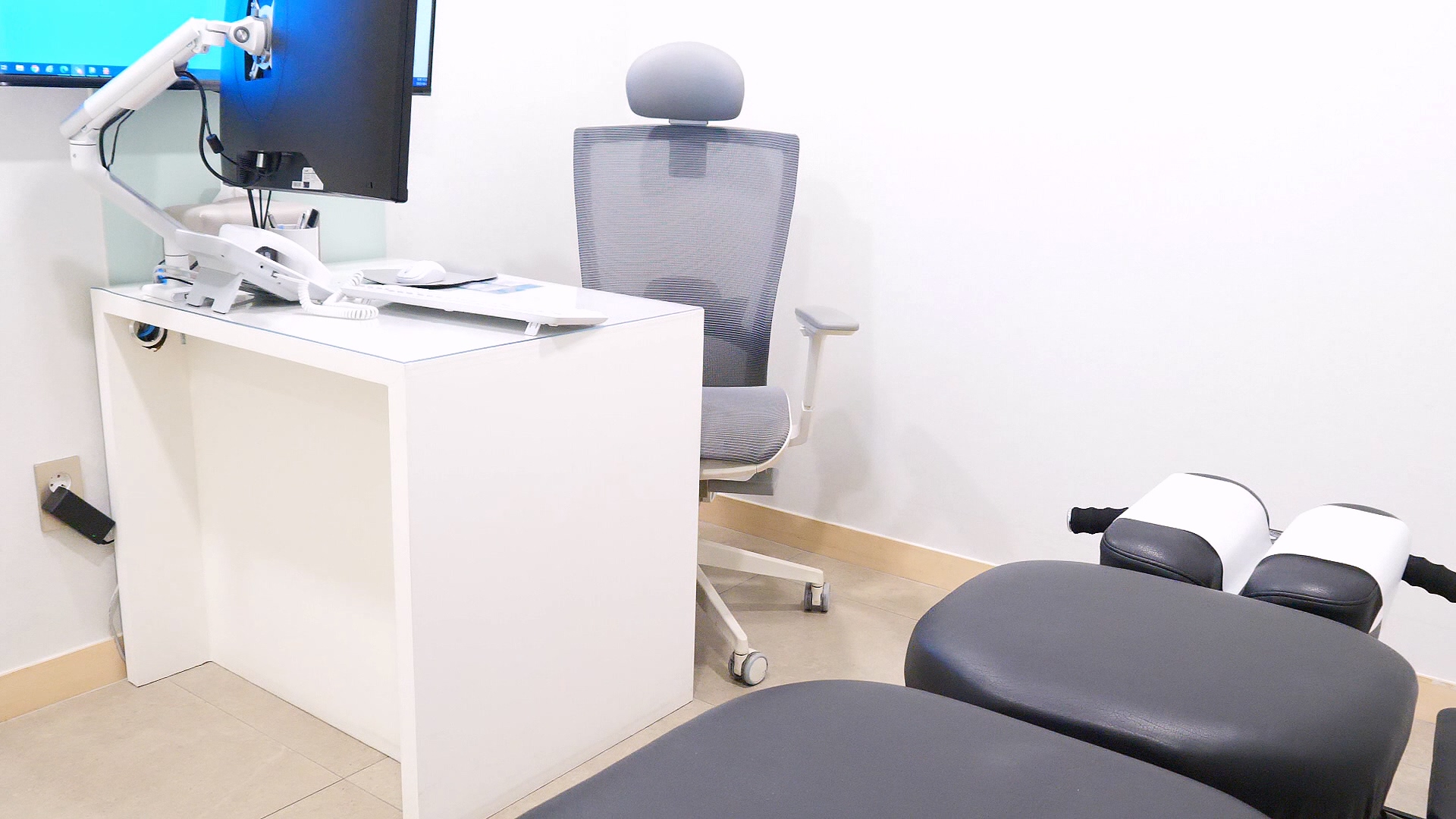
The environment at BonCure reflects a commitment to 2026 contemporary standards of clinical excellence. We have moved beyond the traditional imagery of Korean medicine, opting instead for a modern, evidence-based facility that utilizes focused diagnostics. Our clinic features clean lines, a calming atmosphere, and specialized rooms for structural restoration and acupotomy. We collaborate with affiliated imaging centers to obtain whole-spine X-rays, ensuring an objective view of each patient's skeletal alignment. This data-driven approach allows us to create personalized treatment plans that are both safe and effective. We believe that a modern clinic should be transparent and scientific, providing patients with clear explanations of their conditions and the steps needed for recovery. By maintaining these high standards, we ensure that every visitor feels confident in the quality of care they receive.
Personalized Consultation for Complex Sensory Issues
Every patient who walks into BonCure receives a focused and efficient diagnostic session tailored to their specific history and symptoms. We understand that sudden hearing loss is often accompanied by anxiety, so we prioritize a precise physical examination and impactful clinical evaluation. During the consultation, we evaluate your cervical posture, jaw alignment, and neurological status to identify any structural factors that could be impeding your recovery. This individualized attention is critical because no two cases of hearing loss are identical; our 10-to-20 minute sessions are designed to be highly concentrated and effective, ensuring we address the root causes without unnecessary delays. Based on these findings, we recommend a specific course of treatment, whether it involves Pulsatile Tinnitus Treatment: A 2026 Structural Restoration Guide at BonCure or a focus on cervical realignment. Our goal is to empower you with knowledge about your own body, giving you a clear roadmap toward sensory restoration.
Long-term Wellness and Holistic Maintenance Strategies
Recovery from sudden hearing loss is not just about the immediate return of sound; it is about maintaining a healthy environment for the nervous system to prevent future issues. At BonCure, we emphasize the importance of long-term wellness through postural correction and regular structural maintenance. Once the acute phase of treatment is over, we provide guidance on exercises and lifestyle adjustments that help keep the cervical spine in proper alignment. This holistic approach ensures that the vascular and neural pathways remain open and functional. By addressing the body as a whole, we help you build resilience against the stressors that can lead to sensory dysfunction. Our clinic is dedicated to being a partner in your health journey, providing ongoing support even after your initial symptoms have improved. We invite you to explore A 2026 Structural Guide to Ear Tinnitus Treatment through Acupotomy and Alignment to see how these maintenance strategies can benefit your overall well-being. Investing in your structural health today is the best way to ensure that your sensory systems continue to function optimally for years to come.
Key Takeaways
- Golden Time is Vital: Seeking care within the first 72 hours of sudden hearing loss significantly increases the chances of recovery.
- Structural Focus: Misalignment in the upper cervical spine can impede blood flow and nerve function, contributing to auditory issues.
- Integrative Approach: Combining Acupotomy (Do-chim) with structural restoration offers a comprehensive method for addressing the root causes of hearing loss.
- Personalized Recovery: Each patient requires a tailored plan, as results vary based on individual structural and physiological conditions.
Frequently Asked Questions
Q. What exactly is considered sudden hearing loss?
Sudden Sensorineural Hearing Loss (SSNHL) is defined as a rapid, unexplained loss of hearing that occurs all at once or over a period of 72 hours. It typically involves a loss of at least 30 decibels and is considered a clinical priority that requires prompt intervention to maximize recovery chances.
Q. Can structural restoration at BonCure help with hearing recovery?
Yes, by addressing misalignments in the cervical spine and releasing muscular tension, we aim to improve blood flow and reduce nerve irritation to the inner ear. While many patients report significant improvements, it is important to note that individual results can vary based on the underlying cause and the severity of the condition.
Q. Are there any side effects to the acupotomy or Do-chim treatment?
Acupotomy is a specialized technique that involves releasing deep adhesions, which may cause temporary soreness, minor bruising, or light bleeding at the site. In rare cases, infection can occur, so following the post-procedure care instructions provided by our clinic is essential for safety and optimal healing.
Q. How many treatment sessions will I need to see a difference?
The duration and frequency of treatment depend on the severity and chronicity of the hearing loss. While some patients show progress within a few sessions, chronic or severe cases may require a course of 20 sessions or more over several weeks to achieve stable functional restoration.
Q. Is the treatment at BonCure painful?
Patients may feel a distinct sensation or temporary discomfort during acupotomy as structural adhesions are released. However, we strive to manage patient comfort throughout the process and adjust the intensity of the treatment to ensure a positive and tolerable experience for everyone.
Q. Does my spinal posture really impact my hearing ability?
Absolutely, as the cervical spine houses the vertebral arteries and nerves that communicate with the auditory system. Misalignment or "text neck" can create mechanical stress that impairs circulation to the cochlea, making structural alignment a core part of our approach to hearing health.
Q. What makes the Korean medicine clinic in Cheongdam unique for this condition?
BonCure combines traditional wisdom with modern structural analysis, utilizing specialized tools like Do-chim to address the root causes of dysfunction rather than just masking symptoms. Our evidence-based approach in a contemporary clinical setting ensures that patients receive concentrated integrative care tailored to modern standards.
BonCure Korean Medicine Clinic / Director Song Jung-hyun
FAQ
- What exactly is considered sudden hearing loss?
- Sudden Sensorineural Hearing Loss (SSNHL) is defined as a rapid, unexplained loss of hearing that occurs all at once or over a period of 72 hours. It typically involves a loss of at least 30 decibels and is considered a medical emergency that requires prompt clinical intervention to maximize recovery chances.
- Can structural restoration at Bonecure help with hearing recovery?
- Yes, by addressing misalignments in the cervical spine and releasing muscular tension, we aim to improve blood flow and reduce nerve irritation to the inner ear. While many patients report significant improvements, it is important to note that individual results can vary based on the underlying cause and the severity of the condition.
- Are there any side effects to the acupotomy or Do-chim treatment?
- Acupotomy is a specialized technique that involves releasing deep adhesions, which may cause temporary soreness, minor bruising, or light bleeding at the site. In rare cases, infection can occur, so following the post-procedure care instructions provided by our clinic is essential for safety and optimal healing.
- How many treatment sessions will I need to see a difference?
- The duration and frequency of treatment depend on the severity and chronicity of the hearing loss. While some patients show progress within a few sessions, chronic or severe cases may require a course of 20 sessions or more over several weeks to achieve stable functional restoration.
- Is the treatment at Bonecure painful?
- Patients may feel a distinct sensation or temporary discomfort during acupotomy as structural adhesions are released. However, we strive to manage patient comfort throughout the process and adjust the intensity of the treatment to ensure a positive and tolerable experience for everyone.
- Does my spinal posture really impact my hearing ability?
- Absolutely, as the cervical spine houses the vertebral arteries and nerves that communicate with the auditory system. Misalignment or "text neck" can create mechanical stress that impairs circulation to the cochlea, making structural alignment a core part of our approach to hearing health.
- What makes the Korean medicine clinic in Cheongdam unique for this condition?
- Bonecure combines traditional wisdom with modern structural analysis, utilizing specialized tools like Do-chim to address the root causes of dysfunction rather than just masking symptoms. Our evidence-based approach in a contemporary clinical setting ensures that patients receive the most advanced integrative care available in 2026.