
Post
Pulsatile Tinnitus Treatment: A 2026 Structural Restoration Guide at Bonecure
Pulsatile tinnitus is a rhythmic noise heard in the ears that synchronizes with the heartbeat, reflecting vascular or structural changes.
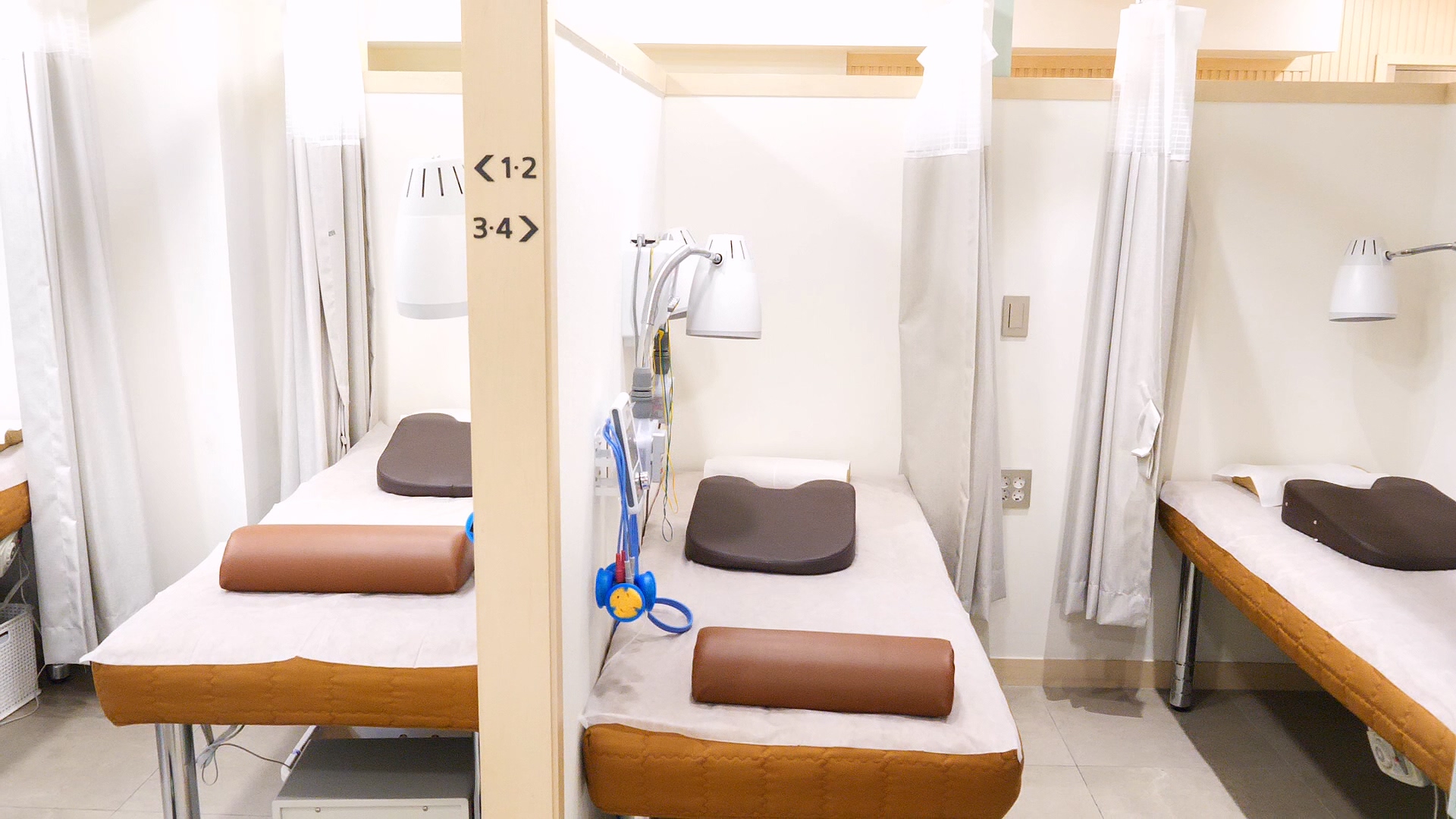
For those experiencing this persistent rhythmic sound, finding a comprehensive pulsatile tinnitus treatment approach is essential to restoring daily comfort and auditory clarity. In this guide, I will share clinical insights into how Bonecure addresses the structural foundations of this condition using advanced traditional medicine techniques.
Understanding Pulsatile Tinnitus and Its Underlying Causes
Pulsatile tinnitus is defined as the perception of a rhythmic sound in the ear that matches the patient's own heartbeat, often indicating a vascular or structural origin. Unlike the more common steady ringing, this rhythmic sensation suggests that there is a physical disruption affecting the flow of blood or the pressure within the ear and surrounding neck structures. At Bonecure, we prioritize identifying the root cause of these sounds rather than simply masking the symptoms through temporary measures.
Identifying the Rhythmic Sound of Your Heartbeat in Your Ear
Experiencing the sound of your own heartbeat in your ear can be a distressing phenomenon that disrupts concentration and sleep. Patients often describe this sensation as a whooshing, thumping, or pulsing noise that remains perfectly in time with their pulse. Clinical documentation shows that individuals may suffer from this for varying durations, including cases of long-term chronic symptoms that persisted for years before seeking structural intervention. Individual results and recovery times vary depending on the patient's condition. During a clinical assessment, we look for physical triggers such as changes in head position or neck tension that might intensify the noise. Identifying these triggers is a crucial step in developing a personalized care plan that addresses the specific mechanical causes of the pulsing. By observing how the sound fluctuates with physical movement, we can pinpoint whether the issue is primarily vascular or if it stems from structural imbalances in the upper cervical region that require targeted restoration techniques.
Distinguishing Pulsatile Tinnitus from Subjective Auditory Perceptions
It is vital to distinguish pulsatile tinnitus from subjective tinnitus, which is typically a constant ringing or buzzing without a rhythmic component. Subjective tinnitus often relates to hearing loss or nerve damage, whereas pulsatile versions frequently involve objective physical changes in blood flow or structural pressure. In my clinical experience, I have utilized standardized scales to track symptom intensity, observing cases where patients showed significant improvement in clinical indicators such as hearing test results or autonomic nerve function metrics after undergoing focused structural therapy. These results are specific to individual cases and do not guarantee the same outcome for all patients. This distinction is important because the diagnostic path for each type differs significantly. While subjective ringing might involve neurological retraining, the pulsatile form necessitates a thorough investigation of the vascular and musculoskeletal systems. Understanding these differences allows for a more accurate application of specialized techniques such as acupotomy, which focuses on releasing physical adhesions that may be obstructing normal flow or causing abnormal pressure near the auditory apparatus.
How Structural Misalignment Affects Vascular and Auditory Health
Structural misalignment, particularly in the upper cervical spine, can significantly impact both vascular and auditory health by creating physical tension on the surrounding tissues. The human neck houses major blood vessels and nerves that are sensitive to even minor shifts in spinal alignment. When the first or second cervical vertebrae are misplaced, they can exert pressure on the carotid artery or jugular vein, potentially creating the rhythmic turbulence heard as pulsatile noise. Our clinical data indicates that addressing these structural pillars is essential for long term relief. In many cases, restoring the natural curvature of the spine through specialized adjustments can alleviate the mechanical stress that contributes to ear noise. By focusing on these 3 major structural points in the cervical spine, we aim to normalize the relationship between the skeletal system and the vascular pathways. This structural perspective offers a pathway for those who have not found relief through conventional auditory treatments alone.
Acupotomy and Structural Restoration at Bonecure
Acupotomy and structural restoration at Bonecure represent a specialized clinical approach that combines the precision of modern anatomy with the wisdom of traditional medicine to release tissue adhesions. This method involves using a flat-headed needle to perform minor release of thickened or scarred tissues that may be trapping nerves or vessels. By focusing on the restoration of proper physical alignment and tissue mobility, we aim to provide a foundation for the body's natural healing processes. A 2026 Clinical Guide to the Root Causes of Tinnitus: A Structural Perspective at Bonecure
Releasing Vascular Adhesions through Specialized Acupotomy Techniques
Specialized acupotomy techniques are designed to address the microscopic adhesions that form within the soft tissues of the neck and jaw. These adhesions, often the result of chronic poor posture or previous injury, can bind muscles to vascular structures, leading to the turbulent blood flow characteristic of pulsatile tinnitus. Using a specialized precision tool, I perform targeted releases to break down these restrictive bands. This process facilitates improved blood circulation and reduces the mechanical interference that produces the whooshing sound. In our clinical observations, some patients have reported experiencing changes in their auditory perception shortly after a targeted session as the treatment progresses. However, it is important to note that chronic cases often require a series of treatments to ensure the tissues remain supple and the vascular pathways remain clear. This meticulous approach to tissue release is a cornerstone of how Bonecure manages complex cases of rhythmic ear noise.
Integrating Traditional Medicine Clinical Notes for Cervical Correction
Integrating clinical notes from traditional medicine allows us to create a comprehensive framework for cervical correction that addresses both the muscle and the bone. We utilize whole spine X-ray data to objectively measure the degree of misalignment in the cervical and thoracic regions. By cross referencing these images with traditional diagnostic methods, we can develop a highly specific map for structural restoration. This integrated approach ensures that we are not just treating the ear but the entire upper body system that supports auditory function. Clinical records from my practice suggest that consistent cervical stabilization can lead to a significant reduction in the frequency and intensity of pulsatile sounds. We focus on the relationship between the skull base and the upper neck, ensuring that the passage for nerves and vessels is unobstructed. This integration of objective imaging and traditional manual therapy provides a robust methodology for treating the underlying structural causes of tinnitus.
The Role of Acupuncture Clinic Seoul Standards in Treating Chronic Ear Noise
The standards of an advanced acupuncture clinic in Seoul involve utilizing a multi-faceted protocol that includes precise needle placement and structural analysis. At Bonecure, we adhere to these high standards by focusing on identifying structural misalignments in the skull and spine. This holistic view is necessary because chronic ear noise is rarely an isolated problem. By following established clinical protocols, we can offer a systematic treatment path that monitors progress through both subjective feedback and objective physical tests. Our facility in Cheongdam utilizes these rigorous standards to ensure that every patient receives care that is both safe and evidence-based. While individual results vary, the use of standardized clinical scales helps us track improvements and adjust treatment plans in real time. This commitment to professional standards is what allows us to effectively manage complex auditory symptoms that have resisted more conventional medical interventions.
Comparative Analysis: Traditional Approaches vs. Bonecure Integrated Therapy
Comparative analysis helps patients understand the differences between standard medical management and the integrated structural therapy offered at our clinic. While traditional medicine often focuses on medication or surgery, our approach emphasizes the restoration of physical balance and the release of soft tissue restrictions. The following table provides a neutral comparison of common approaches to managing chronic pain and auditory issues.
| Feature | Standard Medical Care | Bonecure Integrated Therapy |
|---|---|---|
| Primary Focus | Pharmacological / Symptomatic management | Structural restoration / Adhesion release |
| Tools Used | Pharmaceuticals / Sound therapy | Acupotomy / Chuna / X-ray analysis |
| Procedure Type | Non-invasive to Surgical | Minimally invasive structural release |
| Session Length | 15 - 30 minutes | 10 - 20 minutes |
| Focus Area | Auditory nerve / Inner ear | Cervical spine / Vascular pathways |
| Goal | Noise management | Restoring structural alignment |
Benefits of Moxibustion Therapy Seoul Protocols for Blood Circulation
Moxibustion therapy in Seoul protocols serves as a powerful adjunctive treatment to improve local blood circulation and promote tissue healing. This thermal therapy involves the application of indirect heat to specific points on the body, which helps to relax tense muscles and dilate blood vessels. In the context of pulsatile tinnitus, improving blood flow to the head and neck is vital for reducing the turbulence that causes rhythmic sounds. Our clinical experience shows that combining moxibustion with structural adjustments can enhance the overall effectiveness of the treatment plan. The warmth helps to soothe the nervous system, which is often sensitized in patients suffering from chronic ear noise. By incorporating these protocols, we provide a supportive environment for the more intensive structural work performed during acupotomy sessions. This combination of heat and mechanical release facilitates a more comprehensive recovery of the vascular system's natural function, although the number of sessions required will depend on individual health factors. Bonecure Acupotomy (Dochim) Therapy: A 2026 Guide to Structural Recovery
Combining Chuna Manual Therapy with Traditional Korean Medicine Treatment
Combining Chuna manual therapy with traditional Korean medicine treatment provides a synergistic effect that addresses both skeletal alignment and energetic balance. Chuna involves the practitioner using their hands to apply pressure and movement to the spine and joints, correcting the physical misalignments identified in X-ray assessments. When paired with acupotomy, this manual therapy helps to maintain the space created by tissue release, preventing the body from returning to its previous state of tension. Our clinical records indicate that the number of sessions is determined individually based on the patient's specific condition and structural assessment to stabilize chronic cervical issues that contribute to tinnitus. This integrated approach ensures that the skeletal structure supports the soft tissues, allowing for unobstructed vascular flow. By addressing the body's mechanics and its functional vitality simultaneously, we aim to achieve a state of balance that minimizes the triggers for pulsatile noise. This comprehensive methodology is designed to support the body's long term stability rather than providing a short term fix.
Clinical Recovery Process and Essential Safety Considerations
The clinical recovery process at Bonecure is a step by step journey focused on restoring structural integrity and monitoring auditory changes. We prioritize patient safety by conducting thorough initial consultations and providing clear information about the expected outcomes and potential risks. Understanding that every patient's body reacts differently to treatment is a fundamental aspect of our clinical philosophy. A 2026 Structural Guide to Ear Tinnitus Treatment through Acupotomy and Alignment
What to Expect During Your Visit to a Korean Traditional Medicine Clinic Cheongdam
When you visit our Korean traditional medicine clinic in Cheongdam, the process begins with a detailed intake focused on your medical history and specific symptoms. We utilize advanced diagnostic tools, including whole spine X-rays, to get a clear picture of your internal structure. Following this, I perform a physical palpation to identify areas of significant tension and adhesion in the neck and jaw. The initial treatment typically involves a combination of manual therapy and precision acupotomy, tailored to the findings of your structural assessment. Patients are encouraged to communicate openly about their comfort levels throughout the procedure. While some may experience immediate relief, many find that their symptoms fluctuate as the body begins to realign. We provide a clear roadmap for your care, outlining the projected number of sessions needed based on the severity of your structural imbalances. This transparent approach ensures that you are an active participant in your own recovery process.
Understanding Potential Side Effects and Individual Treatment Limitations
It is essential to understand that all clinical procedures carry potential side effects and limitations that vary by individual. Common side effects of acupotomy include temporary soreness at the site of the needle insertion, minor bruising, or localized swelling. These symptoms typically resolve within a few days as the tissues begin to heal. While rare, there is a possibility of infection, which we mitigate through strict sterilization protocols. Additionally, treatment efficacy can be limited by the duration and severity of the condition. For instance, patients with advanced vascular disease or significant permanent structural damage may find that their results are more subtle than those with recent musculoskeletal issues. We do not guarantee a 100% cure, as individual physiology plays a major role in how the body responds to structural restoration. Providing this balanced view allows our patients to make informed decisions about their health care while maintaining realistic expectations for their recovery journey.
Long Term Maintenance for Cervical Stability and Auditory Clarity
Maintaining cervical stability is the key to ensuring long term auditory clarity and preventing the recurrence of pulsatile sounds. After the initial phase of intensive treatment at Bonecure, we transition patients into a maintenance phase that focuses on posture correction and lifestyle adjustments. This might include specific exercises designed to strengthen the deep neck flexors and support the new alignment achieved during therapy. Periodic follow-up visits allow us to monitor the spine's health and address any minor misalignments before they lead to renewed symptoms. Clinical experience shows that patients who actively engage in their maintenance plan are significantly more likely to sustain their improvements over time. We emphasize the importance of ergonomic awareness in daily life, especially for those who spend long hours at a desk. By fostering a partnership between the practitioner and the patient, we aim to build a foundation of health that lasts well beyond the final treatment session. This proactive approach is vital for anyone seeking lasting relief from the burden of pulsatile tinnitus.
Key Takeaways
- Pulsatile tinnitus is a rhythmic sound matching the heartbeat, often linked to structural or vascular issues.
- Bonecure utilizes specialized acupotomy and Chuna therapy to address cervical misalignments and tissue adhesions.
- Treatment plans focus on structural alignment, utilizing X-ray diagnostics and clinical feedback to track progress.
- Individual results vary, and potential side effects like temporary soreness or bruising should be considered.
- Long term success depends on maintaining cervical stability through posture correction and periodic follow-up care.
Frequently Asked Questions
Q. What exactly is pulsatile tinnitus and how is it different from normal ringing?
Pulsatile tinnitus is a rhythmic sound that usually matches the patient's heartbeat. Unlike subjective tinnitus, which is often a steady ringing or buzzing, this condition is frequently linked to blood flow changes or structural issues near the ear. At Bonecure, I investigate whether cervical misalignment is contributing to these vascular sounds through physical and radiographic assessments.
Q. Can neck problems really cause me to hear my own heartbeat?
Yes, it is possible. Structural imbalances in the upper cervical spine can create tension in the surrounding tissues and affect blood vessels, such as the carotid artery or jugular vein. Through my experience in treating various musculoskeletal conditions, I have found that restoring proper alignment can sometimes alleviate the pressure that contributes to these auditory symptoms.
Q. What is acupotomy and how does it help with tinnitus?
Acupotomy uses a specialized, flat-headed needle to perform minor adhesion release in the soft tissues. By breaking down thickened or scarred tissues around the neck and jaw, we can improve circulation and nerve function. This procedure is a core part of my approach to resolving structural causes of pulsatile sounds, although results vary by individual case.
Q. Are there any risks or side effects associated with this treatment?
As with any clinical procedure, there are potential side effects such as temporary soreness, minor bruising, or localized swelling at the site of the acupotomy. While rare, infection is a possibility, though we maintain strict hygiene standards to prevent this. I always conduct a thorough consultation to ensure the treatment is appropriate for your specific health history and condition.
Q. How many sessions will I need before I notice a difference?
The number of sessions is determined individually based on the patient's specific condition and structural assessment, as chronic cases may require a more extended course of care for stabilization. Some patients notice a change relatively quickly, while others with significant structural issues may require a longer course of care. I typically provide a personalized plan after the initial assessment at our clinic.
Q. Does Bonecure use objective data to track my progress?
I believe in scientific substantiation and the use of objective data. We utilize tools such as whole spine X-rays to monitor structural changes and clinical indicators to track the intensity of your symptoms. My goal is to move beyond subjective improvement and document the restoration of physical balance in your body through measurable metrics.
Q. Is this treatment effective for patients with other chronic pain issues?
Many patients who come to me for pulsatile tinnitus also struggle with neck pain or headaches. Because my focus is on the body's overall structure, the techniques used for structural restoration often complement the tinnitus treatment by reducing general tension and improving systemic health. Addressing the spine can provide broad benefits across various musculoskeletal complaints.
Hello. I am Song Jung-hyun, a doctor of Korean medicine who has focused on acupotomy for a long time. I deeply understand the pain of those who have lost their daily peace due to the sound of a heartbeat in their ears. Beyond simple symptom relief, our clinic strives to offer a path to fundamental recovery through the proper alignment of bones and tissues. If you are struggling with tinnitus and dizziness, I recommend establishing a systematic treatment plan through precise diagnosis.
Bonecure Korean Medicine Clinic / Director Song Jung-hyun
FAQ
- What exactly is pulsatile tinnitus and how is it different from normal ringing?
- Pulsatile tinnitus is a rhythmic sound that usually matches the patient's heartbeat. Unlike subjective tinnitus, which is often a steady ringing or buzzing, this condition is frequently linked to blood flow changes or structural issues near the ear. At Bonecure, I investigate whether cervical misalignment is contributing to these vascular sounds through physical and radiographic assessments.
- Can neck problems really cause me to hear my own heartbeat?
- Yes, it is possible. Structural imbalances in the upper cervical spine can create tension in the surrounding tissues and affect blood vessels, such as the carotid artery or jugular vein. Through my experience in treating various musculoskeletal conditions, I have found that restoring proper alignment can sometimes alleviate the pressure that contributes to these auditory symptoms.
- What is acupotomy and how does it help with tinnitus?
- Acupotomy uses a specialized, flat-headed needle to perform minor adhesion release in the soft tissues. By breaking down thickened or scarred tissues around the neck and jaw, we can improve circulation and nerve function. This procedure is a core part of my approach to resolving structural causes of pulsatile sounds, although results vary by individual case.
- Are there any risks or side effects associated with this treatment?
- As with any clinical procedure, there are potential side effects such as temporary soreness, minor bruising, or localized swelling at the site of the acupotomy. While rare, infection is a possibility, though we maintain strict hygiene standards to prevent this. I always conduct a thorough consultation to ensure the treatment is appropriate for your specific health history and condition.
- How many sessions will I need before I notice a difference?
- The number of sessions depends on the severity and duration of your symptoms, with chronic cases often requiring around 20 sessions for stabilization. Some patients notice a change relatively quickly, while others with significant structural issues may require a longer course of care. I typically provide a personalized plan after the initial assessment at our clinic.
- Does Bonecure use objective data to track my progress?
- I believe in scientific substantiation and the use of objective data. We utilize tools such as whole spine X-rays to monitor structural changes and clinical scales to track the intensity of your symptoms. My goal is to move beyond subjective improvement and document the restoration of physical balance in your body through measurable metrics.
- Is this treatment effective for patients with other chronic pain issues?
- Many patients who come to me for pulsatile tinnitus also struggle with neck pain or headaches. Because my focus is on the body's overall structure, the techniques used for structural restoration often complement the tinnitus treatment by reducing general tension and improving systemic health. Addressing the spine can provide broad benefits across various musculoskeletal complaints.