
Post
Structural Reasons for Recurring Shoulder Impingement Syndrome: A 2026 BonCure Guide
Shoulder impingement syndrome occurs when the tendons of the rotator cuff are intermittently trapped and compressed during shoulder movements. This guide explores why symptoms often return and how addressing the underlying skeletal and soft tissue alignment can lead to sustainable recovery. At BonCure Korean Medicine Clinic, we focus on identifying the root causes of pain rather than simply masking temporary symptoms.
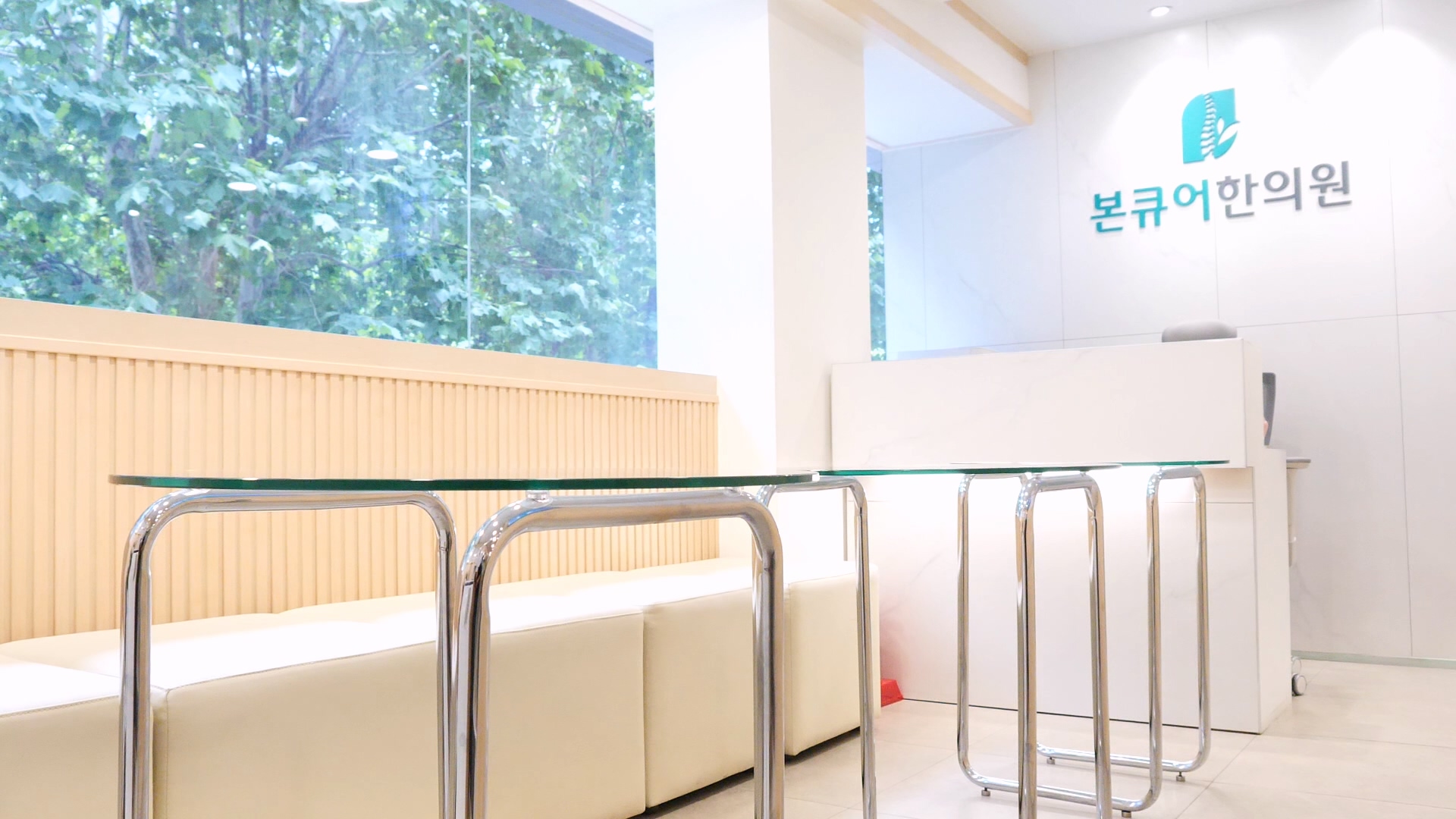
Understanding the Structural Mechanics of Recurring Shoulder Impingement
Shoulder impingement mechanics refer to the physical interference within the subacromial space during arm movement. This narrow corridor, situated between the acromion of the scapula and the head of the humerus, houses vital structures such as the supraspinatus tendon and the subacromial bursa. When this space is reduced, these soft tissues become compressed, leading to sharp pain and limited mobility. Many patients report that their discomfort intensifies when lifting their arms above 90 degrees, often describing a catching sensation. At BonCure, we observe that the anatomical clearance in this region is often less than 10 millimeters in healthy individuals. However, structural deviations can reduce this space further, causing repetitive trauma to the rotator cuff. While initial inflammation is a symptom, the underlying mechanical bottleneck remains the primary driver of persistent distress. Understanding this spatial relationship is essential for moving beyond temporary pain relief toward a more long-term structural solution for the shoulder, though individual results may vary depending on the severity of the condition.
Why Superficial Treatments Often Lead to Symptom Recurrence
While treatments focusing primarily on reducing chemical inflammation can be helpful, they may have limitations if the physical narrowing of the subacromial space is not also addressed. When a patient receives topical relief or stretching, the underlying structural collision may still occur during overhead movements in some cases. This can lead to a cycle where pain subsides temporarily but may return when regular activity levels are resumed. My clinical observations at BonCure suggest that for some patients who seek secondary care, traditional rest and medication alone may not have provided the desired long-term results. In such instances, incorporating a structural approach to help alter skeletal positioning and release deep tissue adhesions may be beneficial. By focusing on bone alignment and tissue mobility, we aim to support the natural gliding mechanism of the joint and promote structural integrity, though individual recovery paths vary. When your bones smile, life smiles, and this starts with ensuring proper anatomical clearance for movement.
The Limitations of Temporary Anti-Inflammatory Injections
Anti-inflammatory injections can provide rapid relief by suppressing the immune response, but for some patients, they may not fully address the structural factors contributing to friction. While useful for managing acute pain, relying solely on injections might not address the underlying mechanical issues. It is important to note that for some individuals, repeated injections require careful monitoring as they may affect local connective tissues over time. Clinical observations suggest that symptoms can recur if underlying structural imbalances or bony spurs are not managed alongside medical therapy. At BonCure, we emphasize a structural approach to help restore physical space in conjunction with managing inflammation. This integrated perspective aims to support the long-term integrity of the shoulder and provide a more comprehensive recovery plan. By addressing the root cause, we aim to prevent the cycle of repetitive injury and chronic inflammation.
Identifying Structural Culprits Beyond the Shoulder Joint
Functional misalignment refers to the improper movement patterns and positioning of the entire upper body kinetic chain that contributes to shoulder stress. To truly understand why an impingement persists, one must look at how the neck, thoracic spine, and shoulder blade interact during movement.
Scapular Dyskinesis and Functional Misalignment
Scapular dyskinesis describes the abnormal movement or positioning of the shoulder blade, which serves as the foundational base for the entire shoulder joint. If the scapula does not rotate upward sufficiently during arm elevation, the acromion will inevitably collide with the rotator cuff tendons. This functional failure is often the result of muscle imbalances or structural rigidity in the ribs and thoracic spine. Clinical observations suggest that a vast majority of individuals with chronic impingement exhibit some form of scapular dyskinesis. At BonCure, we emphasize the importance of realigning the scapula to ensure it provides a stable and mobile platform for the humerus. When the shoulder blade is misaligned, local shoulder treatments alone may have limited effectiveness in preventing the recurrence of symptoms for some patients. We believe that a structural approach to help restore the correct rhythm between the humerus and the scapula can be a helpful component in achieving improved range of motion and supporting long-term joint health. This comprehensive view allows us to correct the foundation before focusing on the local symptoms.
The Impact of Forward Head Posture and Thoracic Kyphosis
Forward head posture and an increased curvature of the upper back, known as thoracic kyphosis, significantly reduce the available space for shoulder movement. When the upper back hunches forward, the shoulder blades are forced to tilt anteriorly, which automatically narrows the subacromial gap. This structural shift makes it biomechanically impossible for the shoulder to function at full capacity without causing internal friction. Many office workers spend over 8 hours a day in this detrimental position, leading to chronic structural adaptation. Correcting these global postural issues is a primary focus at BonCure, as the shoulder cannot be fixed in isolation from the spine. In my experience, patients who improve their thoracic extension and cervical alignment often see a significant increase in their pain-free shoulder elevation range. Addressing these remote structural culprits is a vital step toward preventing the recurring cycle of impingement that plagues so many modern professionals. By straightening the entire kinetic chain, we create a more spacious and efficient environment for the shoulder joint to function.
Soft Tissue Adhesions and Chronic Fibrosis of the Rotator Cuff
Chronic fibrosis refers to the buildup of thick, non-elastic scar tissue within the muscles and tendons due to repetitive micro-trauma. These adhesions act like internal glue, preventing the rotator cuff from gliding smoothly under the acromion. Over time, this fibrosis makes the tendons thicker and less flexible, which further reduces the already limited space within the joint. Standard stretching may have limited results in breaking down tough fibrous bands for certain individuals, which can contribute to persistent stiffness. At BonCure, we utilize specialized techniques like Acupotomy that may help in physically releasing these adhesions to support the natural elasticity of the tissues. Addressing localized tissue thickening can be a helpful step in reducing the likelihood of reinjury by helping the joint better adapt to the stresses of movement. Precision release of these chronic adhesions is a critical step in the structural restoration process, allowing the patient to regain a fluid and effortless range of motion. Restoring tissue length and quality is essential for the long-term maintenance of a healthy and balanced daily life.
BonCure Approach for Chronic Structural Restoration
안녕하십니까. I am Dr. Song Jeong-hyeon, the representative director of BonCure Korean Medicine Clinic. I have specialized in Acupotomy and structural restoration for many years, focusing on a "Healthy Everyday Life" for every patient. At BonCure, we believe that when the bones and tissues are properly aligned, the body can heal itself effectively from even the most stubborn conditions.
Knife Needle Therapy for Precision Adhesion Release
Knife needle therapy, also known as Acupotomy, is a specialized technique that uses a micro-blade to physically release deep-seated adhesions and chronic fibrosis. Unlike traditional needles, this tool allows for the precise dissection of hardened tissues that restrict joint movement and compress local nerves. This process triggers a natural healing response, encouraging the regeneration of healthy, flexible fibers in place of the restrictive scar tissue. In my clinical case reports, I have documented patients with chronic musculoskeletal issues who experienced significant functional improvements after targeted Acupotomy sessions. For instance, in some specific cases, patients experienced a significant reduction in pain scores, although such outcomes are specific to those individuals and not guaranteed for everyone. However, it is important to note that as with any invasive procedure, there may be temporary soreness, minor bleeding, or bruising at the site. In rare cases, infection can occur, so following post-treatment hygiene is essential for every patient at BonCure to ensure a safe and effective recovery process.
Structural Alignment Through Specialized Chuna Manual Therapy
Chuna manual therapy is a sophisticated form of manipulative treatment that focuses on realigning the skeletal structure and balancing the muscular system. By applying controlled force to specific vertebral segments and joints, we can correct the thoracic kyphosis and scapular tilts that contribute to shoulder impingement. This therapy is not merely about relaxation; it is a clinical intervention designed to restore the biomechanical integrity of the entire upper body. At BonCure, we often use whole spine X-ray analysis to identify subtle deviations in alignment before beginning treatment. Correcting these bony misalignments ensures that the subacromial space remains open during daily activities, significantly reducing the likelihood of recurrence. Rather than prescribing a fixed number of visits, we focus on interventions that yield immediate structural feedback and progressive stabilization. The number of sessions required depends entirely on the patient's specific spinal condition and severity of symptoms, as we prioritize impactful, personalized care over standardized treatment packages.
Traditional Korean Medicine for Chronic Pain and Tissue Regeneration
Traditional Korean Medicine offers a holistic framework for supporting tissue regeneration and managing chronic pain through internal and external balance. In addition to physical procedures, we utilize herbal decoctions and specialized pharmacopuncture to improve blood circulation to the damaged rotator cuff. Enhanced blood flow is crucial for delivering the nutrients necessary for repairing micro-tears and thinning the fibrotic tissues within the joint. My research and clinical notes, including those for complex cases like autonomic dysfunction and various chronic pains, highlight the importance of metabolic health in structural recovery. At BonCure, we integrate these traditional insights with modern diagnostic tools to create a personalized recovery plan for every individual. While many patients experience immediate changes in symptoms, chronic cases often require a consistent course of treatment to ensure the structural results are durable. The synergy between structural correction and internal support allows us to achieve outcomes that are often difficult to reach through singular treatment modalities, ensuring a more complete health transformation.
The BonCure Approach to Structural Restoration
Structural restoration focuses on the long-term biomechanical health of the joint by addressing the underlying physical alignment. This approach aims to move beyond the immediate reduction of pain by focusing on the skeletal and tissue relationships that contribute to shoulder stress. By prioritizing the restoration of physical space and releasing deep-seated adhesions, we aim to support the body's natural gliding mechanisms. When your bones smile, life smiles, reflecting the harmony within your body's structure.
In my clinical experience at BonCure, many patients who undergo structural restoration report significant improvements in their daily comfort and joint function. For example, in standardized evaluations, we have seen patients improve their functional scores significantly, with many showing visible improvements in spinal curvature and scapular positioning as seen on X-rays. While symptomatic management can provide relief, for some patients, it may be more effective when combined with a structural approach to address underlying degenerative changes. By working to improve the relationship between the bones and soft tissues, we aim to support the shoulder's natural function. This focus on structural restoration is a key part of our philosophy at BonCure, intended to help patients return to their daily activities with greater confidence in their physical health. Acupotomy and Structural Restoration: A Guide to Precision Care at BonCure and Expert Korean Medicine Doctor Consultation: A 2026 Guide to Integrative Healing provide further insights into these specialized methods.
Frequently Asked Questions
Q. What are the primary structural reasons my shoulder impingement keeps coming back?
Recurrence is often caused by unresolved scapular misalignment, a narrowed subacromial space due to poor posture, or chronic soft tissue adhesions that restrict the natural gliding of the rotator cuff tendons. Without correcting these physical bottlenecks, the inflammation will likely return as soon as regular activity is resumed.
Q. How does BonCure address the root cause differently than other clinics?
At BonCure, we focus on identifying and treating structural root causes rather than just masking symptoms. We use Acupotomy to physically release internal adhesions and Chuna therapy to realign the spine and shoulder blade, ensuring the mechanical cause of the friction is addressed through personalized treatment plans.
Q. Are there any risks associated with knife needle therapy (Acupotomy) for shoulder pain?
As with any invasive procedure, there may be temporary soreness, minor bleeding, or bruising at the site. In rare cases, infection can occur. We provide detailed post-treatment hygiene instructions to every patient to ensure a safe and effective recovery process.
Q. Does traditional Korean medicine provide objective evidence for shoulder treatment?
Yes, my clinical case reports on spinal alignment and musculoskeletal disorders demonstrate objective improvements in range of motion and functional scales. While individual results vary, many patients show visible improvements in structural alignment through X-ray analysis and standardized pain assessments.
Q. How many sessions are typically required for chronic impingement syndrome?
We do not set a fixed number of sessions for everyone. While we target immediate structural change, the total number of visits depends on your individual condition, its chronicity, and how quickly your body stabilizes. Each plan is tailored to be efficient and impactful.
Q. Can I return to sports or exercise immediately after a BonCure treatment?
Initial rest is usually recommended to allow the released tissues and realigned joints to stabilize. I typically advise a gradual return to activity once the structural alignment has settled and the initial post-treatment soreness has subsided, which we monitor closely during follow-up visits.
Q. What is the cost of structural shoulder treatment at your clinic?
Treatment costs vary depending on the specific combination of Acupotomy, Chuna manual correction, and pharmacopuncture required for your diagnosis. We provide a detailed consultation to determine the most appropriate and efficient treatment plan for your unique structural needs.
Key Takeaways
- Recurring impingement is often driven by structural bottlenecks such as narrowed subacromial space and scapular dyskinesis.
- Standard anti-inflammatory treatments often fail because they do not address the physical friction between the bone and tendon.
- BonCure utilizes precision Acupotomy to release chronic adhesions that restrict joint movement and cause persistent pain.
- Structural alignment through Chuna therapy and spinal correction is essential for preventing the return of shoulder symptoms.
- Lasting recovery requires a comprehensive approach that considers the entire kinetic chain, including the neck and upper back.
BonCure Korean Medicine Clinic / Dr. Song Jeong-hyeon
FAQ
- What are the primary structural reasons my shoulder impingement keeps coming back?
- Recurrence is often caused by unresolved scapular misalignment, a narrowed subacromial space due to poor posture, or chronic soft tissue adhesions that restrict the natural gliding of the rotator cuff tendons. Without correcting these physical bottlenecks, the inflammation will return as soon as regular activity is resumed.
- How does Bonecure address the root cause differently than other clinics?
- At Bonecure, we focus on structural restoration rather than just masking the pain. We use knife needle therapy to physically release internal adhesions and Chuna therapy to realign the spine and shoulder blade, ensuring the mechanical cause of the friction is removed.
- Are there any risks associated with knife needle therapy for shoulder pain?
- As with any invasive procedure, there may be temporary soreness, minor bleeding, or bruising at the site of the injection. In rare cases, infection can occur, so following the post treatment hygiene instructions provided by our clinic is essential for a safe recovery.
- Does traditional Korean medicine provide scientific evidence for shoulder treatment?
- Yes, my clinical case reports on spinal alignment and musculoskeletal disorders demonstrate objective improvements in range of motion and pain scales. For instance, I have documented cases where pain scores dropped significantly, though it is important to remember that individual results can vary based on the patient's condition.
- How many sessions are typically required for chronic impingement syndrome?
- While some patients experience immediate relief, chronic and structural cases often require multiple sessions over several weeks to ensure the bones and tissues stabilize in their correct positions. A typical course of treatment at Bonecure may involve 10 to 20 sessions depending on the severity of the misalignment.
- Can I return to sports or exercise immediately after a Bonecure treatment?
- Initial rest is usually recommended to allow the released tissues and realigned joints to heal properly. I typically advise a gradual return to activity once the structural alignment has stabilized and the initial post treatment soreness has subsided, which I monitor closely during follow up visits.
- What is the cost of structural shoulder treatment at your clinic?
- Treatment costs vary depending on the specific combination of acupuncture, knife needle therapy, and Chuna manual correction required for your case. We provide a detailed consultation to determine the most effective and cost efficient path for your unique structural needs.