
Post
Structural Acupuncture for Idiopathic Facial Nerve Pain: A 2026 Functional Guide
Hello. I am Dr. Song Jeong-hyun, an oriental medicine doctor who has specialized in precision acupotomy and structural restoration for many years. Idiopathic facial nerve pain is a condition where individuals experience sharp, debilitating sensations in the face without a clear pathological cause on standard imaging. At Bonecure, we focus on the anatomical environment surrounding the nerves to provide a functional solution for those seeking relief beyond temporary medication.
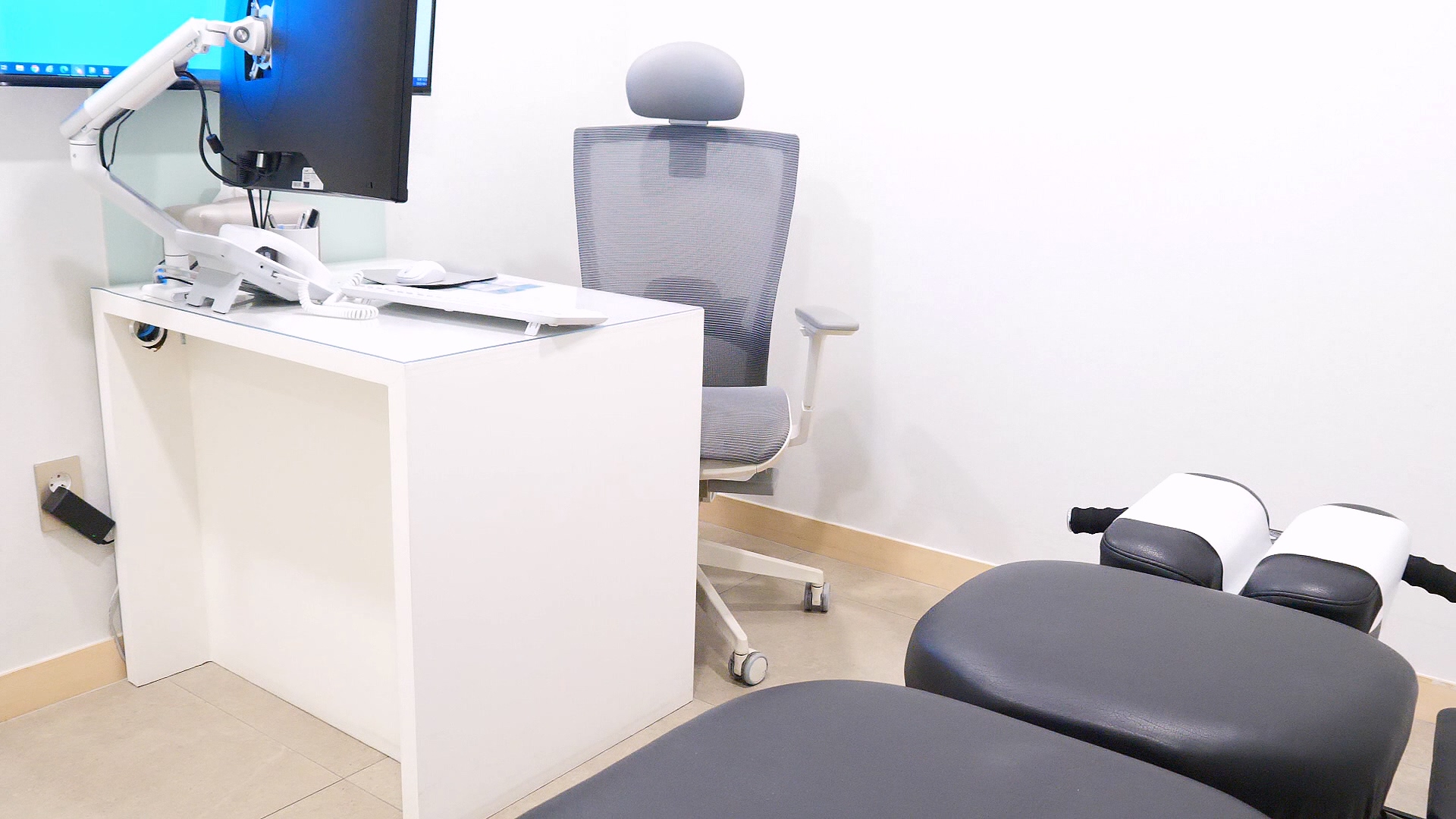
Understanding Structural Acupuncture for Idiopathic Facial Nerve Pain
Idiopathic facial nerve pain is defined as a chronic pain syndrome affecting the facial region where traditional diagnostic tools like MRIs often show no visible nerve compression by blood vessels or tumors. While many patients are told their pain has no known cause, structural medicine looks at the physical tension and micro-adhesions in the fascia and muscles that may be irritating neural pathways.
The Principles of Structural Acupuncture in Nerve Decompression
Facial pain labeled as idiopathic often masks a physical reality of tissue entrapment within the deep fascial layers of the craniofacial region. Structural acupuncture at Bonecure operates on the mechanical principle of adhesiolysis, where a specialized miniscalpel needle (acupotomy) is utilized to physically release these tight bands of tissue. This structural approach targets the anatomical bottlenecks that compress the facial nerves, focusing on the physical environment of the neural pathways. By creating microscopic space within the crowded pathways of the trigeminal nerve branches, the procedure facilitates a return to normal neural signaling. This method is designed to be highly efficient and impactful, addressing the physical pressure rather than just chemical signals. At our clinic, we focus on restoring the sliding mechanism of the fascia, which is essential for healthy nerve function. This structural release is a cornerstone of our precision care for chronic facial discomfort. While we aim for efficient progress, please note that the timing and degree of change can vary for each individual.
Why Traditional Korean Medicine Targets the Root Structural Cause
Traditional Korean Medicine has long recognized that local pain is often a symptom of systemic structural imbalance. At Bonecure, we view idiopathic facial nerve pain through the lens of holistic alignment, focusing on how the skull, jaw, and spine interact to support neural health. When the structural framework of the body is compromised, the delicate nerves of the face can become secondary victims of mechanical stress. By targeting the root structural cause, we aim to provide a stable environment where the nerves can recover without constant irritation from surrounding bone or muscle. This paradigm shift toward structural restoration is why many patients seek our specialized care when looking for alternatives or supplements to conventional management. Our approach integrates clinical wisdom with modern anatomical precision to ensure that the facial nerves are no longer subjected to the abnormal tension of a misaligned musculoskeletal system. This focus on the structural foundation ensures a more comprehensive recovery process.
The Bonecure Approach: Realigning the Cervical Spine and Facial Symmetry
The Bonecure protocol for facial pain is built on the understanding that the nerves servicing the face are deeply influenced by the alignment of the upper cervical spine and the symmetry of the cranial bones. By restoring the proper structural relationship between the neck and the face, we alleviate the mechanical stress that triggers pain episodes.
The Critical Link Between Cervical Alignment and Facial Nerve Function
The upper cervical spine, specifically the C1 and C2 vertebrae, serves as the structural housing for critical neural pathways that influence facial sensation. Misalignment in this region can create a ripple effect of tension that radiates upward into the trigeminal nerve complex. At Bonecure, we have observed that patients with chronic facial pain often exhibit significant cervical subluxations that contribute to their symptoms. By utilizing precise diagnostic assessments, we identify these structural flaws and address them through targeted interventions. Correcting the cervical curve not only improves posture but also reduces the physical tugging on the nerve sheaths. This alignment is vital because the nervous system requires a neutral, stress-free environment to function without producing pain signals. Our clinical focus remains on ensuring that the spine provides a stable base for the head, thereby preventing the recurrence of nerve entrapment. This structural harmony is essential for long-term comfort and neurological health.
Miniscalpel Acupuncture: Breaking Deep Tissue Adhesions
Miniscalpel acupuncture, also known as acupotomy, is a specialized technique used at Bonecure to address deep-seated adhesions that standard needles cannot reach. This procedure involves using a flat-headed, microscopic tool to physically detach scar tissue and fibrotic bands that have formed around facial nerve branches. In chronic cases of nerve irritation, these adhesions become a primary source of discomfort. The miniscalpel allows for high-precision release, effectively 'unsticking' the nerve from the surrounding tight muscles like the masseter or temporalis. While the sensation during the release can be brief and intense, the functional benefits are often reported shortly after the procedure. By physically altering the tissue structure, we provide a mechanical solution to a mechanical problem. This technique is part of our commitment to evidence-based structural medicine, ensuring that every intervention has a clear anatomical goal. Patients often find this approach provides a focused method of relief by addressing deep-seated structural tension.
Restoring Balance Through Chuna Manual Therapy and Structural Correction
Chuna manual therapy at Bonecure is an essential component of our facial pain treatment, focusing on the manual realignment of the musculoskeletal system. This therapy involves precise adjustments to the jaw, skull, and spine to restore symmetry and functional movement. Facial pain is frequently exacerbated by imbalances in the temporomandibular joint (TMJ) or cranial bone sutures, which create asymmetric pressure on the nerves. By manually correcting these imbalances, we help the body return to its natural state of equilibrium. Chuna therapy works in tandem with structural acupuncture to ensure that once the adhesions are released, the bones are properly positioned to prevent new tensions from forming. Our practitioners use specific techniques to mobilize restricted joints and relax hypertonic muscles that contribute to facial distortion. By addressing the body as a single structural unit, we achieve more stable results for our patients. Every procedure is performed with the goal of immediate structural improvement.
Structural Acupuncture vs. Conventional Facial Pain Treatments
Choosing between structural acupuncture and conventional treatments involves understanding the difference between chemical signal management and addressing structural factors. At Bonecure, we provide a comparative perspective to help patients make informed decisions about their long-term health.
A Comparison of Structural Acupuncture and Pharmacological Management
Conventional pharmacological management for idiopathic facial nerve pain typically involves anticonvulsants or antidepressants to dampen the nervous system's pain signals. While pharmacological management can be an important part of care, the structural approach at Bonecure focuses on identifying and addressing the physical compression of the nerve, which can be used alongside or as an alternative to medication depending on the case. By treating the anatomical environment, we aim to reduce the patient's reliance on medication over time. Clinical observations show that addressing the physical 'kink' in the nerve pathway can lead to a significant reduction in pain scales and measurable functional improvement. However, individual results may vary depending on the patient's condition. Our goal is to provide a sustainable path to recovery that prioritizes functional restoration over chemical suppression. We emphasize a treatment plan tailored to the physical reality of each case rather than a standardized one-size-fits-all package.
Long-term Benefits of Addressing Physical Compression Over Symptom Masking
Addressing physical compression through structural interventions offers long-term benefits by focusing on the underlying anatomical environment. When the structural cause of facial pain is ignored, the underlying tissue adhesions and bone misalignments can worsen, leading to more frequent and severe pain episodes. At Bonecure, we prioritize the stability of the craniofacial structure to prevent these degenerative cycles. By restoring proper alignment and tissue elasticity, we create a resilient physical framework that is less susceptible to future nerve entrapment. Patients often find that their symptoms become more manageable as their structural integrity improves. This proactive approach to health focuses on building a foundation that supports overall well-being. Investing in structural recovery means addressing the root cause today to ensure a more comfortable and active future. Our clinical experience suggests that when the physical environment of the nerve is optimized, the body’s natural recovery processes can finally take hold.
Understanding the Bonecure Structural Approach
Our approach focuses on the physical decompression of nerves through adhesiolysis and spinal alignment. By targeting the fascia, muscles, and bone structure, we provide anatomical functional support. While temporary bruising or soreness may occur, treatments are targeted as needed based on your current status to support long-term recovery.
Clinical Insights from Bonecure: Navigating the Path to Recovery
Recovery from chronic facial pain is a journey that requires precision and a clear understanding of safety protocols. At Bonecure, we guide our patients through every step to ensure the best possible functional outcomes with maximum efficiency.
Individualized Treatment Protocols for Chronic Facial Pain
Every patient who enters Bonecure receives an individualized treatment protocol based on a precise structural assessment. We recognize that no two cases of idiopathic facial nerve pain are identical, as the locations of adhesions and the degree of spinal misalignment vary. We focus on the specific needs of the patient during each visit, planning treatments individually based on your unique condition. We prioritize essential treatments that deliver the most impact in the shortest time. Our protocols integrate miniscalpel acupuncture and Chuna therapy to support structural health. By monitoring progress through objective measures, we adjust the treatment plan in real-time. This personalized approach ensures that we are addressing the mechanical triggers unique to each individual without unnecessary procedures. We are dedicated to providing an efficient and impactful recovery journey for every patient.
Managing Expectations: Typical Recovery Timelines and Individual Variation
It is important for patients to understand that nerve recovery is a process and results can vary significantly based on individual factors. At Bonecure, we strive for immediate changes that the patient can feel, though chronic structural issues may require a personalized series of interventions to stabilize. The timeline for recovery depends on the chronicity of the condition, the patient's overall health, and their adherence to post-treatment care. We do not provide a 100% guarantee of a cure, as the biological response to structural release is unique to every person. However, our focus remains on achieving significant pain reduction and functional restoration. We encourage open communication throughout the process to manage expectations. Understanding that the body needs time to adapt to a new structural alignment is crucial for long-term health. Our team is here to provide high-impact care through the healing process.
Safety Protocols and Essential Post-Treatment Care
Safety is the highest priority at Bonecure, and we maintain strict sterile protocols for all procedures. Patients should be aware that because structural acupuncture targets deep tissues, temporary side effects such as localized tenderness, minor swelling, or bruising are common. In rare instances, minor bleeding or infection at the insertion site can occur, which is why we provide detailed aftercare instructions to minimize risks. We advise patients to avoid strenuous exercise and hot baths for 24 hours following a treatment to allow the tissue to settle. If any unusual symptoms occur, our clinical team is readily available for consultation. By following these safety protocols, we ensure that the path to recovery is as secure as possible. Our commitment to patient safety is matched by our dedication to achieving real structural change. Proper post-treatment care is an active part of the healing process and helps maximize the benefits of each session.
Dr. Song Jeong-hyeon: Precision Acupotomy and Impactful Structural Recovery at Bonecure
Acupotomy and Structural Restoration: A Guide to Precision Care at Bonecure
Key Takeaways
- Root Cause Focus: Structural acupuncture targets physical nerve entrapment in the fascia rather than just masking symptoms.
- Cervical Importance: Alignment of the upper cervical spine (C1-C2) is a core focus at Bonecure for facial nerve health.
- Efficiency First: We focus on impactful, necessary treatments tailored to each patient's progress, though individual response times may vary.
- Precision Acupotomy: Miniscalpel techniques allow for the physical release of deep adhesions that contribute to idiopathic pain.
- Patient Safety: While minor bruising or soreness can occur, strict sterile protocols and proper aftercare ensure a safe clinical experience.
Frequently Asked Questions
Q. What exactly is structural acupuncture for facial pain?
Structural acupuncture involves using specialized tools, such as the miniscalpel or acupotomy needle, to release physical adhesions and tension in the muscles and fascia that may be compressing facial nerves. Unlike general acupuncture which focuses on energy flow, this method prioritizes anatomical alignment and decompression. It is a functional intervention designed to address the mechanical causes of nerve irritation.
Q. How many sessions are typically required to see results?
At Bonecure, we do not prescribe a fixed number of sessions like 10 or 20. Our goal is to achieve immediate changes in your symptoms during each session. The total frequency depends entirely on your individual condition and how your body responds to the structural realignment. We focus on providing only the necessary, impactful treatments to achieve stability.
Q. Is the procedure painful or does it involve significant downtime?
Because structural acupuncture targets deep adhesions, patients may experience a brief, intense sensation during the release of the tissue. Some temporary soreness or mild bruising may occur at the site. While many patients return to their daily activities shortly after, individual recovery needs may vary and some rest may be required. It is an impactful functional intervention aimed at long-term structural relief.
Q. Can structural acupuncture guarantee a complete cure for facial pain?
In medical practice, guarantees of a 100% cure are not possible as individual responses to treatment vary. However, by addressing the structural causes and nerve entrapment, many patients experience significant functional improvement and pain reduction that was not achieved through medication alone. Our goal is the most efficient functional restoration possible for each individual.
Q. Are there any side effects I should be aware of?
Common side effects include localized tenderness, minor swelling, or temporary bruising at the site of the intervention. In rare cases, minor bleeding or infection can occur, which is why Bonecure maintains strict sterile protocols. These effects are generally mild and resolve within a few days as the tissue heals.
Q. How does Bonecure differ from a standard acupuncture clinic in Seoul?
Bonecure focuses on a high-impact, efficient approach to structural health. Dr. Song Jeong-hyun utilizes advanced techniques like miniscalpel acupuncture and Chuna therapy to realign the spine and skull, addressing the physical environment of the nerves. We prioritize effective treatments and avoid unnecessary long-term packages, ensuring each visit is impactful.
Q. What is the cost of structural acupuncture for facial nerve conditions?
The cost depends on the specific combination of acupotomy, Chuna therapy, and necessary prescriptions tailored to your needs. We focus on an efficient treatment model, providing only what is essential for your recovery. We recommend a consultation to determine the most impactful and transparent treatment plan for your specific case.
If you are struggling with persistent facial pain and seeking a structural solution, please contact us for an impactful consultation.
Bonecure / Dr. Song Jeong-hyun
FAQ
- What exactly is structural acupuncture for facial pain?
- Structural acupuncture involves using specialized tools, such as the miniscalpel or knife-point needle, to release physical adhesions and tension in the muscles and fascia that may be compressing facial nerves. Unlike general acupuncture which focuses on energy flow, this method prioritizes the anatomical alignment and decompression of the nervous system. It is a functional intervention designed to address the mechanical causes of nerve irritation.
- How many sessions are typically required to see results?
- The number of sessions varies significantly depending on the chronicity and severity of the nerve compression. While some patients notice improved comfort after a few sessions, chronic cases of idiopathic facial nerve pain may require a consistent course of 10 to 20 treatments to achieve structural stability. Each plan is customized to the patient's specific anatomical needs and healing progress.
- Is the procedure painful or does it involve significant downtime?
- Because structural acupuncture targets deep adhesions, patients may experience a brief, intense sensation during the release of the tissue. Some temporary soreness or mild bruising may occur at the site, but most patients return to their daily activities immediately. It is not a 'painless' procedure, but rather a functional intervention aimed at long-term structural relief.
- Can structural acupuncture guarantee a complete cure for facial pain?
- In medical practice, guarantees of a 100% cure are not possible as individual responses to treatment vary based on various health factors. However, by addressing the structural causes and nerve entrapment, many patients experience significant functional improvement and pain reduction that was not achieved through medication alone. Our goal is the best possible functional restoration for every individual.
- Are there any side effects I should be aware of?
- Common side effects include localized tenderness, minor swelling, or temporary bruising at the site of the intervention. In rare cases, minor bleeding or infection can occur, which is why Bonecure maintains strict sterile protocols and provides detailed post-treatment care instructions. These effects are generally mild and resolve within a few days as the tissue heals.
- How does Bonecure differ from a standard acupuncture clinic in Seoul?
- Bonecure focuses specifically on the 'structural' aspect of health through the integration of advanced techniques like miniscalpel acupuncture and Chuna therapy. Dr. Song Jeong-hyun utilizes these methods to realign the spine and skull, addressing the physical environment of the nerves rather than just treating the surface symptoms. This focus on anatomical restoration sets our specialized clinic apart.
- What is the cost of structural acupuncture for facial nerve conditions?
- The cost of treatment depends on the specific combination of structural acupuncture, Chuna therapy, and any necessary herbal prescriptions required for your case. We recommend a comprehensive initial consultation with Dr. Song Jeong-hyun to determine the most effective and transparent treatment plan for your needs. This allows us to provide a cost estimate tailored to your specific clinical requirements.