
Post
A 2026 Clinical Guide to Structural Alignment and Acupotomy at BonCure
Hello. I am Director Song Jeong-hyeon, a practitioner dedicated to restoring structural health through specialized acupotomy and personalized alignment therapy. When your bones smile, life smiles, and at BonCure, we believe that true recovery begins with identifying the root causes of pain through a comprehensive assessment of the body's structural balance.
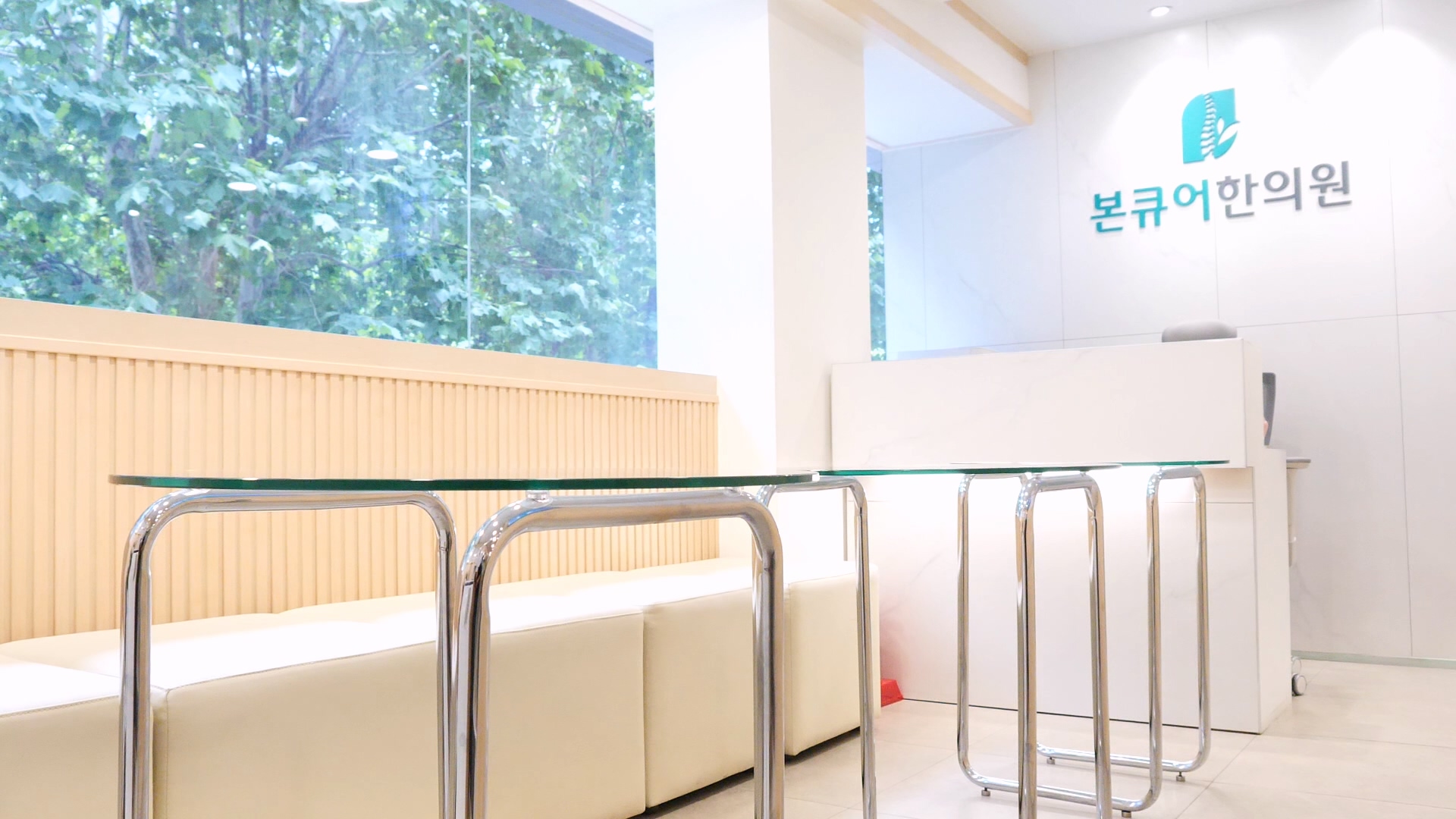
Rather than simply relieving symptoms, our cornerstone approach focuses on correcting skull and spine misalignments and restoring functional equilibrium.
The Importance of Structural Alignment for Total Health
In our clinical practice, we focus on the structural arrangement of the body, specifically the skull and spine. Misalignments in these areas often lead to chronic pain and functional disorders that persist despite conventional treatments. By identifying how structural issues create tension and blockages, we develop targeted strategies to restore the body’s natural balance and improve overall vitality.
Comprehensive Physical Assessment at BonCure
At BonCure, the first step toward recovery is a detailed evaluation of each patient's physical state. This includes assessing body posture, movement patterns, and internal organ functions. We understand that every individual carries physical stress differently. For some, structural problems manifest as neck and shoulder tension, while for others, they lead to lower back pain or complex neurological discomfort. By analyzing these unique patterns, we can design a precise treatment plan that addresses the specific needs of your body. Our goal is to move beyond superficial care and implement corrective measures that support long-term stability. This individualized approach ensures that every intervention is tailored to your skeletal and muscular realities, leading to sustainable improvements in mobility.
Why Structural Integrity Affects Systemic Wellness
Structural integrity is deeply intertwined with the function of the nervous system and internal organs. When the skeletal framework is misaligned, it creates chronic tension and adhesions in the soft tissues. This can lead to persistent discomfort and impede the body’s ability to heal itself. By focusing on structural restoration, we aim to alleviate the physical burdens that prevent optimal function. We analyze how your body interacts with movement and gravity to identify the root causes of persistent pain. This perspective ensures that we are not just treating an isolated symptom but are considering how the entire musculoskeletal system supports your systemic health. By correcting the structural foundation, we help the body regain its natural capacity for recovery.
Advanced Diagnostic Process at BonCure
Our diagnostic process is a rigorous integration of physical evaluation and modern clinical data designed to provide an accurate profile of your health. This multi-dimensional assessment ensures that we capture both the patient's subjective symptoms and objective findings to formulate the most effective recovery path.
Personalized Evaluation of Movement and Function
At BonCure, I personally conduct detailed assessments of body alignment and movement efficiency. Unlike automated or generalized methods, this involves a hands-on evaluation of muscle tension, joint mobility, and visceral function. By observing how you move and identifying areas of structural compression, I gain a deeper understanding of your autonomic nervous system balance. This direct evaluation is crucial for determining the appropriate intensity of acupotomy sessions and the specific therapeutic techniques required. The goal is to create a holistic picture that respects your unique biology, ensuring that no subtle structural nuance is overlooked. This allows for a highly efficient and impactful treatment that targets the precise source of dysfunction.
Integrating X-ray Data for Structural Mapping
To ensure objective accuracy, we collaborate with specialized imaging centers to analyze Whole Spine X-ray data. This allows us to visualize the physical manifestations of structural imbalances that may not be apparent through external observation. We use these imaging results to map the exact curvature of the spine and the alignment of the pelvis. By correlating X-ray findings with our clinical assessment, we can identify recurring patterns of structural decay. This data serves as a baseline for measuring progress and allows us to plan precise points for acupotomy to release deep-seated adhesions. This structural approach is particularly effective for patients with chronic pain where cervical or lumbar alignment plays a significant role. We focus on a "structural smile," where bones are properly aligned to support the body's natural functions.
Personalized Acupotomy Protocols for Structural Restoration
Acupotomy at BonCure involves the use of a specialized blade-like needle to release pathological adhesions in muscles and ligaments. This technique is specifically designed for chronic pain and structural disorders that have not responded to conventional therapies. By tailoring the application to your specific structural needs, we achieve efficient results while minimizing unnecessary stress on the body.
Targeted Adhesion Release and Functional Recovery
Targeted adhesion release via acupotomy focuses on breaking down hardened tissues that restrict blood flow and nerve conduction. These adhesions are often physical blockages caused by long-term structural misalignments. At BonCure, we apply acupotomy to these specific zones to restore the "internal space" the body needs to function properly. The procedure involves identifying the exact depth of the adhesion and using the micro-blade to separate the stuck layers. This process not only relieves pain but also improves the systemic environment for the nerves and organs. Many patients experience a sense of immediate lightness as chronic tension is released. However, as this is a clinical intervention, it is important to note that minor soreness, temporary bruising, or localized pain may occur. These effects are generally short-lived, while the structural benefits provide long-term functional improvement.
The Core Philosophy of Structural Therapy at BonCure
The primary focus of our therapy lies in the depth of the intervention and the emphasis on identifying underlying imbalances. Our approach treats localized discomfort as a symptom of a broader structural misalignment. By correcting the structural foundation, we provide comprehensive guidance on posture and movement to support long-term wellness. This perspective is essential for managing chronic conditions and supporting autonomic function. Our personalized acupotomy protocols aim for a fundamental shift in how the body maintains its own alignment, fostering sustainable health through expert care. We focus on root cause analysis, utilizing objective data to ensure long-term systemic recovery.
Dr. Song Jung-hyun Korean Medicine: A Guide to Structural Restoration at BonCure
Clinical Insights and Patient Safety
Clinical outcomes at BonCure are documented through rigorous case reports, ensuring that our methods are grounded in observable results. While we strive for the highest level of care, we emphasize that individual results vary and that patient safety is our priority throughout the recovery journey.
Evidence-Based Insights from Clinical Practice
My clinical experience shows that addressing spinal alignment and structural balance can have a positive impact on complex, chronic conditions. Case reports have documented instances where patients with long-term structural pain or neurological discomfort experienced functional improvements following a structured course of acupotomy and Chuna therapy. These observations suggest that restoring structural alignment can support the body's natural recovery processes for the nervous system. We also utilize objective measures like spinal curvature changes in X-rays to track progress. It is important to emphasize that these insights illustrate the possibilities of our approach and do not guarantee the same outcome for every person. Chronic or severe cases typically require multiple treatment sessions to achieve a stable and lasting state of health.
Understanding Potential Side Effects and Timelines
Acupotomy is a specialized procedure that involves the mechanical release of tissue, which can lead to temporary localized pain, minor bleeding, or bruising. In some cases, patients may feel temporary fatigue as the body begins to adjust to structural changes. At BonCure, we provide detailed aftercare instructions to support the healing process. The timeline for recovery depends on the chronicity of the condition. While many feel a difference after a single session, others with deep-seated issues may require 10 to 20 sessions for significant, lasting changes. We prioritize a transparent dialogue to ensure you are informed and empowered. Maintaining results requires active participation in recommended posture and lifestyle adjustments to maximize the benefits of structural restoration.
A 2026 Clinical Guide to Acupotomy and Structural Recovery for Chronic Disorders at BonCure
Frequently Asked Questions
Q. What is the main focus of treatment at BonCure?
We focus on identifying and correcting the root causes of pain through structural alignment of the skull and spine. We use Chuna therapy and Acupotomy to release adhesions and restore the body’s physical balance.
Q. How is a diagnosis determined at your clinic?
Diagnosis involves a personal, hands-on physical assessment of your posture, movement, and organ function, complemented by Whole Spine X-ray analysis from our partner imaging centers to visualize structural misalignments.
Q. Is Acupotomy therapy painful?
The procedure involves releasing hardened tissue adhesions, which can cause temporary discomfort or a sharp sensation. However, most patients find it manageable and experience an immediate improvement in mobility after the session.
Q. What are the common side effects of Acupotomy?
Potential side effects include temporary localized soreness, minor bruising, or slight bleeding at the treatment site. Some patients may feel temporary fatigue. These symptoms are generally mild and resolve within a few days.
Q. How many sessions will I need to see results?
While many patients experience immediate changes, chronic or severe structural issues often require a series of 10 to 20 sessions to achieve lasting stability and significant functional recovery.
Q. Does this treatment guarantee a 100% cure?
While we focus on addressing root causes through structural alignment, results vary by individual. We do not guarantee a 100% cure, as severe conditions often require lifestyle changes and multiple sessions for lasting improvement.
Q. Are these methods backed by clinical evidence?
Director Song Jeong-hyeon has documented various clinical case reports on conditions like spinal misalignment and tinnitus. These provide evidence of potential benefits, though results remain specific to each individual case.
Key Takeaways
- Root Cause Analysis: We focus on the structural alignment of the skull and spine to address the source of pain, not just symptoms.
- Personalized Assessment: Every treatment plan is based on a detailed physical and movement evaluation tailored to the individual.
- Acupotomy for Adhesion Release: Specialized therapy targets hardened tissues to restore mobility and systemic nerve function.
- Objective Monitoring: We use clinical assessments and X-ray data to track progress and ensure treatment precision.
- Patient-Centered Safety: We prioritize safety by disclosing potential side effects and establishing realistic recovery expectations.
For personalized structural restoration and professional care, please contact us to schedule a consultation.
BonCure Korean Medicine Clinic / Director Song Jeong-hyeon
FAQ
- What exactly is Sasang Constitution Analysis?
- It is a personalized medical system originating from Korea that categorizes individuals into four distinct types—So-yang, So-eum, Tae-yang, and Tae-eum—based on their physiological and psychological characteristics. By identifying these types, practitioners can optimize health outcomes by tailoring treatments to the specific metabolic and structural needs of the individual.
- How does Bonecure determine my specific body type?
- We utilize a comprehensive combination of traditional pulse diagnosis, facial feature analysis, and modern structural assessments like Whole Spine X-rays. This multi-layered approach ensures high diagnostic accuracy by cross-referencing ancient diagnostic markers with objective clinical data for every patient.
- Is Acupotomy therapy painful during the treatment?
- While the treatment involves the release of hardened tissue adhesions which can cause temporary discomfort or a sharp sensation, most patients find it manageable. The goal is to provide immediate relief in mobility and a reduction in chronic pain, and we adjust the intensity based on each patient's tolerance.
- What are the common side effects of constitutional treatments?
- Potential side effects may include temporary soreness at the site of Acupotomy, minor bruising, or light bleeding. In some cases, patients may feel temporary fatigue as the body adjusts to structural changes. These are generally mild and resolve within a few days, though individual experiences may vary.
- How much does a Sasang Constitution Analysis cost at Bonecure?
- The cost varies depending on the depth of the diagnostic tests required and the number of treatment sessions in a personalized plan. Because each patient's needs are unique, we recommend a private consultation to receive a detailed cost breakdown tailored to your specific health goals and condition.
- Can I expect a 100% cure for my chronic condition through this analysis?
- While our protocols focus on addressing the root cause through structural alignment and constitutional care, results vary by individual. We do not guarantee a 100% cure for all conditions, as chronic or severe issues often require multiple sessions and lifestyle changes for significant and lasting improvement.
- Are the results of these treatments scientifically backed?
- Director Song Jeong-hyeon has published various case reports documenting outcomes for conditions like tinnitus, spinal misalignment, and sudden hearing loss. These reports provide evidence of the potential benefits of our methods, although they serve as individual case studies and do not guarantee identical results for every person.