
Post
A 2026 Clinical Guide to Postpartum Recovery and Korean Medicine at Bonecure
Postpartum recovery in Korean medicine is defined as a specialized clinical approach to restoring a mother's physical and hormonal balance after childbirth.
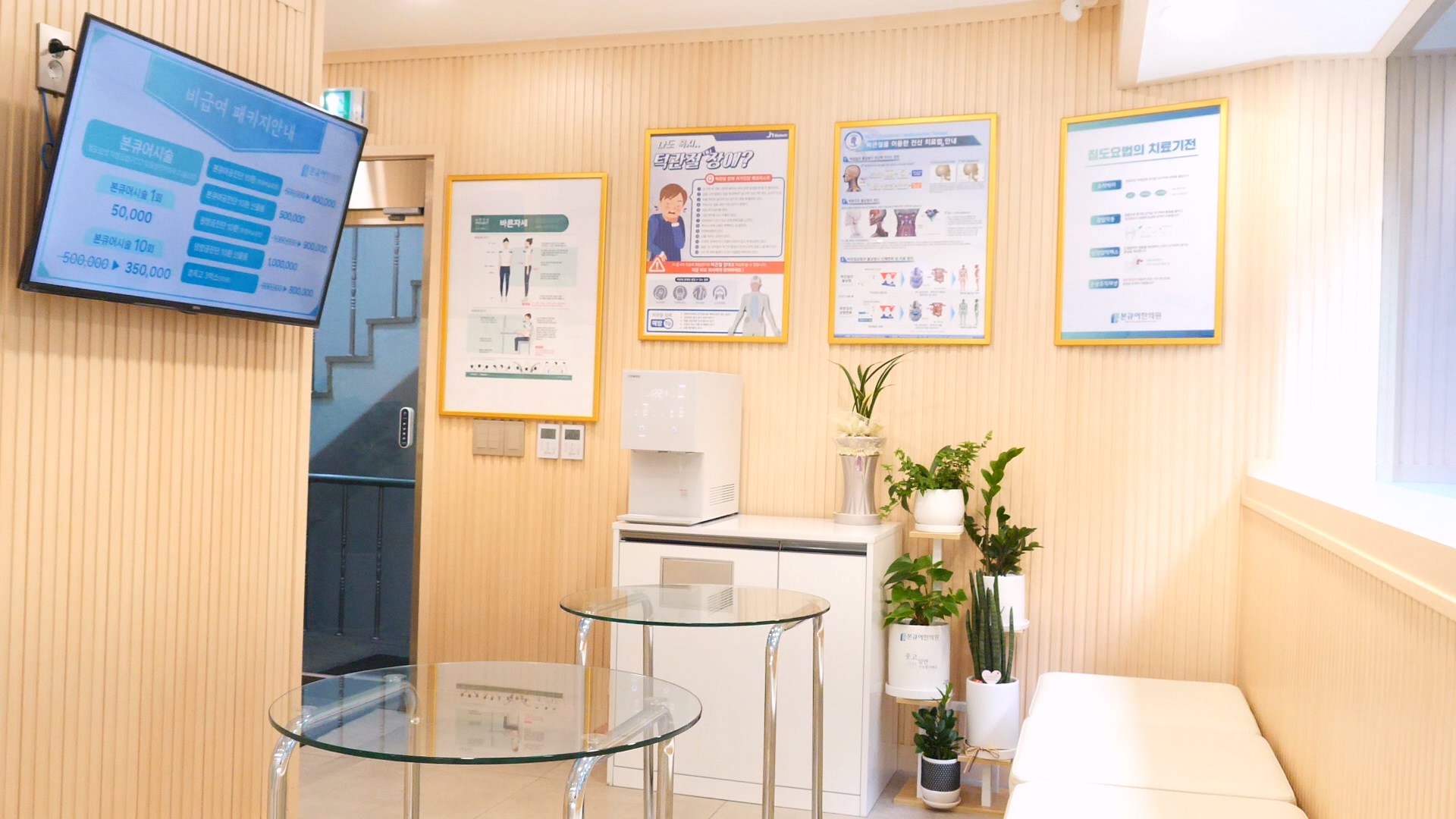
Hello, I am Dr. Song Jeong-hyun, an oriental medical doctor who has focused on structural alignment and acupotomy for many years. This guide provides an evidence-based perspective on how holistic care can support your vitality during the first 100 days following delivery.
Understanding Postpartum Recovery in Korean Medicine
Postpartum recovery, traditionally known as Sanhujori, is the systemic process of restoring a mother’s body to its pre-pregnancy state through functional and structural therapies. This phase is critical because the physical strain of labor combined with rapid hormonal fluctuations can leave the body vulnerable to chronic pain if not managed correctly. At Bonecure, we view the postpartum period as a vital opportunity to address not only current discomfort but also to build a foundation for long-term health. The recovery process involves discharging residual waste, reducing inflammation, and replenishing the body's energy stores. By focusing on both internal medicine and external alignment, we ensure that the transition into motherhood is supported by a strong and healthy body. This holistic view recognizes that physical health and emotional stability are deeply interconnected during this sensitive time.
The Concept of Sanhujori and Holistic Restoration
The traditional Korean concept of Sanhujori is far more than simple bed rest, as it encompasses a strategic therapeutic period designed to rejuvenate the musculoskeletal and internal systems. During pregnancy, the body undergoes significant physical changes, including the shifting of internal organs and the widening of the pelvic structure. At Bonecure, we utilize this window to implement holistic restoration techniques that harmonize the internal qi while physically realigning the skeletal frame. This comprehensive approach is essential for preventing future chronic ailments such as persistent joint pain or digestive issues that often follow labor. We emphasize the discharge of lochia and the reduction of edema to ensure the body returns to its natural weight and shape efficiently. By prioritizing the replenishment of blood and vital energy, our protocols provide the strength needed for infant care. This foundational care is a cornerstone for every new mother seeking lasting vitality after the rigorous process of giving birth.
Why the First 100 Days Matter for Long-term Vitality
The first 100 days after delivery represent a golden period for recovery because the body remains highly adaptable during this time. Scientific observations suggest that the ligaments and joints, softened by the hormone relaxin, are still malleable, making it an ideal time for structural correction. If misalignments in the spine or pelvis are ignored during these initial months, they can solidify into permanent postural defects or chronic pain syndromes. At Bonecure, we recommend a focused recovery map that prioritizes stability and strengthening within this specific timeframe. Addressing these issues early can prevent the development of "postpartum wind" or Sanhupung, characterized by localized pain and sensitivity to cold. Our clinical experience shows that mothers who engage in active recovery during these 100 days report higher levels of energy and fewer musculoskeletal complaints later in life. Consistent care during this interval ensures the body heals correctly and regains its full functional capacity for the years ahead.
Addressing the Root Cause of Post-delivery Bodily Changes
Addressing the root cause of bodily changes after delivery requires a deep understanding of how pregnancy alters the center of gravity and spinal curvature. The structural stress of carrying a child often leads to an anterior pelvic tilt and increased lumbar lordosis, which do not always resolve naturally after birth. By identifying these specific structural imbalances, we can target the underlying reasons for chronic back and hip pain. Traditional medicine at Bonecure focuses on releasing the tension in the soft tissues that have been overextended for nine months. We look beyond the symptoms to understand how the nervous system and hormonal balance have been affected by the transition. This root-cause analysis is essential for creating a personalized treatment plan that goes beyond temporary pain relief. By restoring the body's natural alignment and internal flow, we facilitate a comprehensive healing process that addresses the physiological foundations of health. This ensures that the mother’s body is not just surviving but truly thriving in its new role.
Core Treatments for Structural and Functional Restoration
Core treatments for structural restoration involve the use of manual therapies and specialized acupuncture to correct imbalances caused by the mechanics of pregnancy and labor. These interventions are designed to realign the spine and pelvis, which are often the primary sources of postpartum discomfort. By focusing on the structural integrity of the frame, we can alleviate pressure on the nerves and improve overall circulation. Below is a comparison of common recovery options available to new mothers seeking restoration.
| Feature | Traditional Bed Rest | Standard Physical Therapy | Bonecure Structural Care |
|---|---|---|---|
| Focus | Passive Recovery | Symptom Management | Structural & Internal Alignment |
| Primary Goal | Fatigue Reduction | Muscle Strengthening | Pelvic Realignment & Detox |
| Method | Rest and Nutrition | Targeted Exercise | Chuna, Acupotomy & Herbs |
| Long-term Effect | Focus on Rest | Focus on Exercise | Focus on Structural Stability |
| Side Effects | Deconditioning Risk | Minimal | Potential soreness/bruising |
Acupuncture for Postpartum Back Pain and Pelvic Alignment
Acupuncture is a highly effective, non-pharmacological tool for managing the musculoskeletal pain that frequently follows the intensity of childbirth. For new mothers, the strain of breastfeeding and carrying an infant often exacerbates existing pelvic misalignments and spinal tension. At Bonecure, we apply precise acupuncture techniques to stimulate blood flow and release myofascial trigger points that have become chronically tight. This treatment is particularly beneficial because it does not interfere with breastfeeding and provides a safe alternative to pain medications. By targeting specific meridians and local pain points, we can reduce inflammation in the lower back and sacroiliac joints. While the rate of improvement varies significantly depending on the individual's physical condition, our goal is to provide treatments that yield noticeable results early in the process. This therapy helps to reset the nervous system, allowing the mother's body to move more freely and without the constant burden of physical pain.
The Role of Chuna Therapy in Correcting Spinal Imbalance
Chuna therapy is a manual manipulation technique that plays a pivotal role in correcting the spinal and pelvic imbalances that occur during pregnancy. This therapy involves the gentle mobilization of joints and soft tissues to restore the body’s natural symmetry and range of motion. Because the ligaments are often lax postpartum, our approach at Bonecure is carefully calibrated to be restorative rather than aggressive. We focus on correcting the compensatory patterns that develop as the body adjusts to a changing center of gravity. Proper alignment of the cervical and lumbar spine is essential for relieving the tension headaches and backaches commonly reported by new mothers. By restoring the proper curvature of the spine, Chuna therapy facilitates better nerve communication throughout the body. This structural adjustment is a critical component of our comprehensive recovery program, ensuring that the physical foundation is secure. Rather than repetitive sessions without change, we focus on efficient, high-impact sessions where mothers can feel the improvement in their posture and comfort.
Scientific Approach to Herbal Medicine and Detoxification
Scientific herbal medicine in the postpartum context refers to the use of customized botanical prescriptions to accelerate the discharge of waste and promote tissue regeneration. This approach utilizes traditional wisdom validated by clinical observation to address edema, inflammation, and hormonal fluctuations. By focusing on the body's metabolic efficiency, herbal detoxification programs help restore the internal environment to a healthy state. This process is crucial for mothers who experience significant swelling or a slow return to their pre-pregnancy physiological baseline.
Traditional Korean Detox Program for Edema and Inflammation
The Traditional Korean Detox Program is specifically designed to eliminate pregnancy-induced edema and residual lochia that can hinder the recovery process. After birth, the body often retains excess fluids and waste products that can lead to joint pressure and a feeling of heavy lethargy. At Bonecure, our detox protocols focus on improving microcirculation and supporting the kidneys and lymphatic system. This natural detoxification process is intended to reduce systemic inflammation and allow the tissues to heal properly. By clearing these metabolic byproducts, we help mothers regain their physical lightness and improve their energy levels. The program is tailored to the individual's constitution, ensuring that the detoxification is gentle yet effective. This stage of care is vital for transitioning the body from a state of pregnancy-related stress to one of balanced health. Successful detoxification can lead to a more rapid recovery of physical strength and a reduction in postpartum discomfort.
Customized Herbal Medicine Consultation for Nursing Mothers
Customized herbal medicine is prepared following a detailed pulse diagnosis to ensure the safety and efficacy of the treatment for both the mother and the nursing infant. Many mothers are concerned about the impact of herbs on breast milk, which is why a professional consultation is paramount. At Bonecure, we prescribe high-quality, standardized herbs that focus on tonifying the blood and supporting lactation while addressing specific symptoms like fatigue or night sweats. These formulas are designed to be easily digestible and free from harmful additives or contaminants. The consultation process allows us to adjust the dosage and ingredients based on the mother’s evolving needs throughout the first year. Clinical experience suggests that personalized herbal therapy can support the quality of recovery by helping to balance the autonomic nervous system. By providing the body with the specific nutrients it needs, we facilitate a smoother and more resilient recovery journey.
Strategic Care at a Wellness Clinic in Cheongdam
Strategic care at our wellness clinic involves an integrated approach that combines precise diagnosis with advanced Korean medical interventions. We prioritize a patient-centered experience where every aspect of the recovery journey is monitored and adjusted for optimal results. For more information on structural health, you may review A Clinical Guide to Chuna Manual Therapy for Posture Correction in 2026 or explore the Bone Smiles philosophy regarding physical alignment.
Integrated Chronic Pain Management for New Mothers
Integrated chronic pain management for new mothers at Bonecure addresses the complex intersection of structural, metabolic, and emotional health. We recognize that postpartum pain is rarely just a physical issue but is often linked to the stress and exhaustion of new parenthood. Our clinical approach focuses on efficient, highly impactful treatments where we aim for patients to feel immediate improvement rather than adhering to rigid, long-term programs. We combine acupotomy to release rigid ligaments with Chuna therapy to maintain spinal alignment. This multifaceted approach ensures that every layer of the body's dysfunction is addressed simultaneously. Acupotomy and structural treatments may cause temporary localized pain, minor bleeding, or bruising at the site, and in rare cases, infection may occur. As results vary by individual, a thorough consultation with a medical professional is required to understand the potential risks and benefits. We provide constant monitoring and support to ensure that every mother feels empowered and comfortable during her recovery. Our goal is to move beyond simple pain relief toward a state of complete wellness and vitality. This strategic care allows mothers to focus on the joy of their new child without being hindered by physical limitations.
When your bones smile, life smiles. At Bonecure, we are dedicated to ensuring that your postpartum journey is one of restoration and health.
Key Takeaways:
- Postpartum recovery should ideally begin within the first 4 to 6 weeks for optimal pelvic realignment.
- The first 100 days are a critical window for long-term musculoskeletal and hormonal health.
- Holistic treatments including Chuna, acupuncture, and herbal medicine provide a safe path to recovery.
- Personalized care at Bonecure focuses on providing immediate, efficient results for structural integrity.
Frequently Asked Questions
Q. When is the best time to start postpartum Korean medicine treatment?
Ideally, treatment should begin immediately after delivery or once you return home. The first 4 to 6 weeks are critical for pelvic alignment and the proper discharge of lochia. However, recovery programs remain highly effective throughout the first year postpartum.
Q. Can I receive acupuncture if I am breastfeeding?
Yes, acupuncture is a safe, non-pharmacological treatment for nursing mothers. It helps regulate the nervous system and relieves the physical pain caused by infant care without affecting breast milk. It is an excellent way to manage stress and physical strain naturally.
Q. How does the Traditional Korean Detox Program help after childbirth?
The detox program focuses on improving circulation to eliminate pregnancy-induced edema and residual metabolic waste. This supports natural weight management and reduces joint pressure across the entire body. It facilitates a faster return to your pre-pregnancy physical state.
Q. Is Chuna therapy safe for a body weakened by labor?
At Bonecure, we use gentle and specialized techniques to realign the pelvis and spine safely. We carefully assess each patient's ligament laxity to ensure the pressure applied is restorative rather than stressful. It is a controlled method to correct structural imbalances.
Q. What are the common side effects of postpartum herbal medicine?
Side effects of herbal medicine can include digestive discomfort or allergic reactions depending on the individual's constitution. It is essential to consult with a practitioner to ensure the prescription is appropriate for your specific health status and to monitor for any adverse reactions.
Q. How many sessions are typically required for back pain management?
Treatment duration depends on your unique structural needs and health history. At Bonecure, we prioritize efficient sessions aimed at providing immediate relief and noticeable changes from the very first visit, avoiding unnecessary long-term packages.
Q. Does Korean medicine help with postpartum depression or anxiety?
By balancing the autonomic nervous system through acupuncture and herbal medicine, Korean medicine supports emotional stability. It helps manage the physical exhaustion and hormonal shifts that often trigger postpartum mood changes. Holistic care promotes a sense of overall well-being.
Bonecure / Dr. Song Jeong-hyun
FAQ
- When is the best time to start postpartum Korean medicine treatment?
- Ideally, treatment should begin immediately after delivery or once you return home. The first 4 to 6 weeks are critical for pelvic alignment and the proper discharge of lochia. However, recovery programs remain highly effective throughout the first year postpartum.
- Can I receive acupuncture if I am breastfeeding?
- Yes, acupuncture is a safe, non-pharmacological treatment for nursing mothers. It helps regulate the nervous system and relieves the physical pain caused by infant care without affecting breast milk. It is an excellent way to manage stress and physical strain naturally.
- How does the Traditional Korean Detox Program help after childbirth?
- The detox program focuses on improving circulation to eliminate pregnancy-induced edema and residual metabolic waste. This supports natural weight management and reduces joint pressure across the entire body. It facilitates a faster return to your pre-pregnancy physical state.
- Is Chuna therapy safe for a body weakened by labor?
- At Bonecure, we use gentle and specialized techniques to realign the pelvis and spine safely. We carefully assess each patient's ligament laxity to ensure the pressure applied is restorative rather than stressful. It is a controlled method to correct structural imbalances.
- What are the common side effects of postpartum herbal medicine?
- When prescribed after a professional pulse diagnosis, side effects are very rare. Some individuals may experience temporary digestive changes or minor bowel adjustments as the body detoxifies. This is why a personalized consultation is essential for every mother.
- How many sessions are typically required for back pain management?
- While some patients experience immediate relief after just 1 or 2 sessions, chronic structural issues usually require a structured 5 to 10-session program. This ensures long-term stability and prevents the relapse of pain during daily activities. Consistency is key for lasting results.
- Does Korean medicine help with postpartum depression or anxiety?
- By balancing the autonomic nervous system through acupuncture and herbal medicine, Korean medicine supports emotional stability. It helps manage the physical exhaustion and hormonal shifts that often trigger postpartum mood changes. Holistic care promotes a sense of overall well-being.