
Post
A 2026 Clinical Guide to Postpartum Care Korean Medicine at Bonecure
Hello, I am Song Jung-hyun, a practitioner of Korean medicine who has focused on acupotomy and structural restoration for many years. Postpartum recovery is a critical window for a mother's long-term health, as the physical changes during pregnancy and labor can lead to lasting structural shifts. At Bonecure, we prioritize restoring the skeletal and ligamentous balance to ensure a pain-free transition into motherhood.
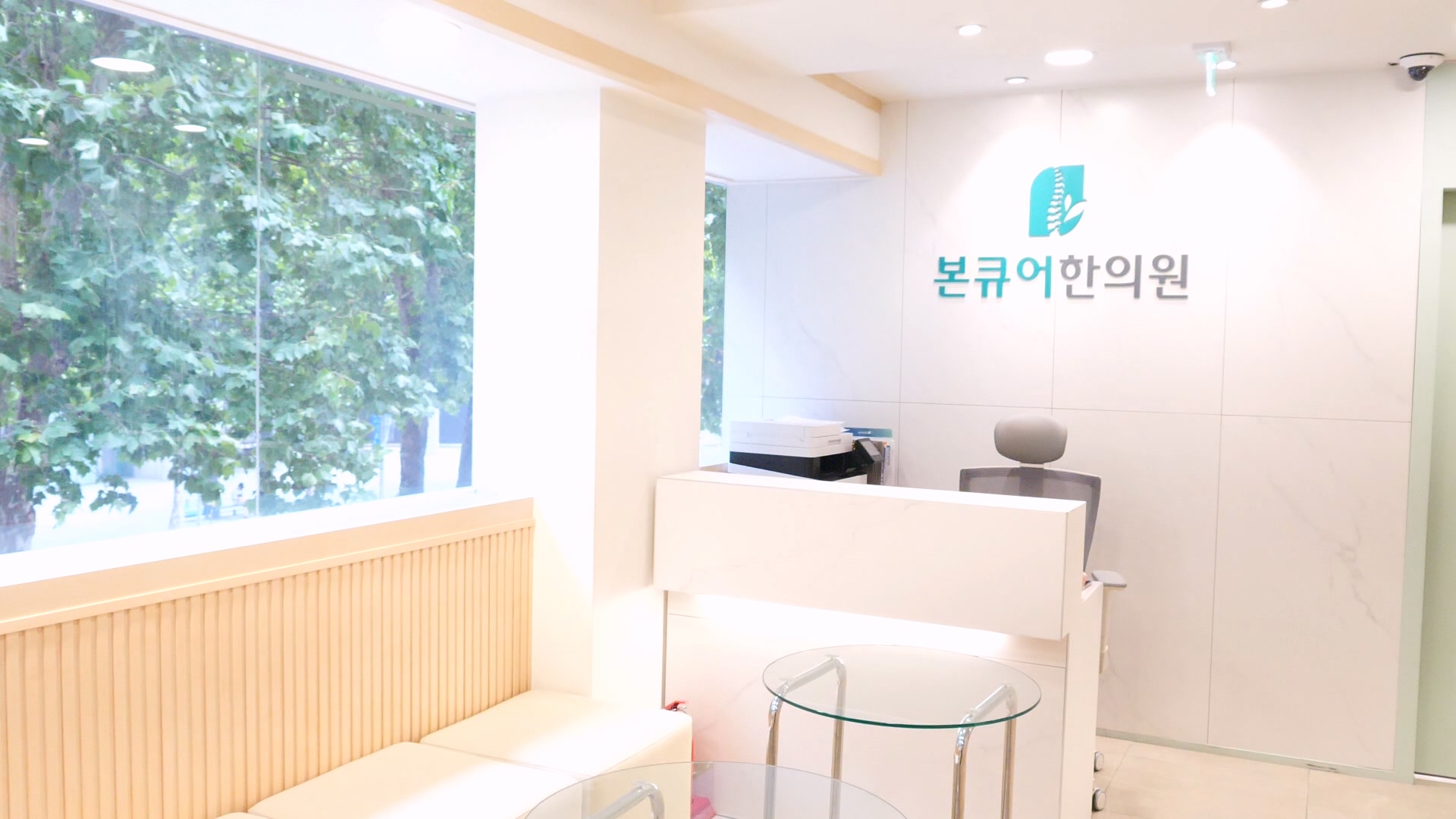
When your bones smile, life smiles, and we are dedicated to identifying the root causes of pain rather than just treating temporary symptoms. This guide explains how our structural approach helps prevent chronic conditions through objective diagnostic methods and specialized treatment protocols, helping you regain a healthy and balanced daily life.
Understanding Postpartum Care in Korean Medicine at Bonecure
Postpartum care at Bonecure involves a comprehensive strategy to restore the structural integrity of the skeletal system and soft tissues following the physical strain of labor and the hormonal changes of pregnancy. Our philosophy focuses on the fundamental restoration of the body, ensuring that the joints, ligaments, and spine return to their optimal alignment. By using objective assessments, we move beyond simple rest to provide active recovery solutions that address the root causes of musculoskeletal discomfort that many mothers face after delivery. We specialize in treating functional impairments caused by misalignments in the skull and spine, ensuring that the body's internal environment is conducive to healing and long-term vitality.
What is Postpartum Recovery and Why is Bonecure's Approach Different?
Postpartum recovery at Bonecure is not merely about rest; it is about restoring the skeletal structure to its pre-pregnancy state. During pregnancy, the body releases relaxin, a hormone that softens ligaments and joints to facilitate childbirth. While necessary, this hormonal shift can lead to significant pelvic misalignment and spinal curvature changes. If the body does not return to its original alignment, chronic pain in the lower back, hips, and neck often develops months or even years later. Unlike traditional methods that focus solely on nutritional supplementation, we utilize objective diagnostic data. To ensure accuracy, we collaborate with specialized medical institutions like Harrison Hospital to obtain precise whole spine X-ray imaging and other diagnostic scans. By addressing these deviations early through expert manual therapy and acupotomy, we help mothers regain their physical vitality. Our programs are tailored to each individual, ensuring that the recovery process respects the unique physiological changes experienced during labor. We avoid unnecessary packages, focusing strictly on high-impact treatments that yield immediate structural changes.
The Principle of Restoring Body Balance and Structural Alignment
The principle of structural alignment at Bonecure rests on the understanding that a balanced spine and pelvis are essential for nervous system health and physical stability. When the pelvis tilts or the spine loses its natural curvature during the 40 weeks of pregnancy, it creates abnormal tension in the surrounding muscles and fascia. Our approach uses specialized techniques to release these adhesions and guide the bones back into their proper positions. We do not just treat the symptom of pain; we look at the entire kinetic chain. By restoring the balance between the left and right sides of the body, we improve circulation and facilitate the natural healing processes. This structural focus is particularly important for mothers who experience persistent discomfort that does not resolve with standard postpartum care. We aim to provide a foundation of health that supports the mother's body as it takes on the new physical demands of caring for an infant. We prioritize treatments that allow patients to feel an immediate improvement in their movement and comfort levels.
Key Benefits of Bonecure Postpartum Care for New Mothers
Choosing Bonecure for postpartum care offers several distinct advantages, primarily focused on the prevention of chronic pain syndromes that often arise from unresolved structural issues. One of the most significant benefits is the restoration of pelvic stability, which reduces the risk of future lower back and hip problems. Additionally, our treatments help in the recovery of the pelvic floor and abdominal muscles by ensuring the underlying skeletal structure is correctly aligned. Many mothers report improved energy levels and a faster return to their pre-pregnancy range of motion. We also emphasize the importance of autonomic nervous system balance, which can be disrupted by the stress of labor and lack of sleep. By aligning the spine, we support the healthy function of the nerves that regulate everything from digestion to mood. This holistic yet structurally focused care ensures that the mother's body is not just surviving the postpartum period but is actively thriving. Our methodology is highly efficient, designed to minimize the time spent in the clinic while maximizing the therapeutic impact on the body’s core structural integrity.
Comprehensive Comparison: Traditional Recovery vs. Bonecure Structural Recovery
A systematic comparison involves evaluating the differences between standard rest-based recovery and the active structural correction offered through integrated Korean medicine at our facility. While traditional postpartum care often emphasizes thermal therapy and herbal tonics to replenish energy, Bonecure adds a critical layer of mechanical correction. This ensures that the physical frame of the mother is capable of supporting her health in the long term. Our methods are grounded in clinical observations that suggest structural neglect during the postpartum period is a primary contributor to chronic pain in later life stages. We focus on providing medical interventions that are both impactful and grounded in anatomical evidence.
Core Differences in Recovery Methods and Long-term Structural Health
The primary difference between standard care and the Bonecure approach lies in the emphasis on structural correction versus passive recovery. Traditional postpartum care in many cultures focuses on the "golden period" of the first 21 to 100 days, prioritizing warmth and nutrient-dense foods. While these are valuable, they often ignore the fact that the pelvic bones and spinal column have undergone significant mechanical stress. At Bonecure, we believe that if the structural foundation is crooked, the body cannot fully heal regardless of how much rest it receives. We integrate acupotomy to address tissue adhesions that form during the rapid physical changes of pregnancy. This active intervention prevents the "freezing" of joints in misaligned positions. Rather than requiring long-term treatment plans of 10 or 20 sessions before seeing results, our patients often experience immediate changes. By focusing on the mechanical aspects of recovery, we provide a more robust defense against chronic aches. Our goal is to ensure long-term structural health that persists well beyond the immediate postpartum weeks, utilizing high-precision techniques to restore functionality.
| Feature | Traditional Recovery | Bonecure Structural Recovery |
|---|---|---|
| Primary Focus | General rest and nutritional replenishment | Structural alignment and joint restoration |
| Diagnostic Method | Subjective symptoms and pulse diagnosis | X-ray via partner hospitals and objective analysis |
| Technique | Thermal therapy and herbal tonics | Acupotomy, Chuna, and targeted alignment |
| Pain Management | Supportive relief through rest | Active release of adhesions and immediate correction |
| Long-term Goal | Immediate recovery of energy | Prevention of chronic musculoskeletal disorders |
Why Focusing on Joint Alignment Prevents Chronic Postpartum Pain
Focusing on joint alignment is crucial because pregnancy-induced laxity can lead to joints settling into incorrect positions once the hormone levels stabilize. If a mother returns to her daily activities with a misaligned pelvis, every step and movement reinforces an imbalanced pattern. This often leads to compensatory pain, where a hip issue eventually manifests as neck pain or chronic headaches. At Bonecure, we analyze these patterns using diagnostic data from our medical partners to see exactly where the imbalances lie. By correcting the alignment of the sacroiliac joints and the lumbar spine, we alleviate the uneven pressure on intervertebral discs and soft tissues. This proactive approach is much more effective than waiting for pain to become severe. We have observed that mothers who undergo structural correction shortly after the initial healing phase report significantly fewer instances of chronic back pain in the years following their delivery. We do not believe in long, repetitive cycles; instead, we aim for immediate, perceptible improvements in structural balance. Preventing these issues early is the key to maintaining a high quality of life as a parent.
The Role of Special Acupuncture and Bonecure Treatments
Special acupuncture at Bonecure refers to the use of targeted needle techniques, including acupotomy, designed to release tissue adhesions and improve the mobility of joints strained during pregnancy. These treatments are not standard acupuncture; they involve a deeper understanding of the anatomical changes that occur during labor. We use these methods to physically break down the stiffened tissues that prevent the body from returning to its natural state. By combining these advanced techniques with traditional wisdom, we offer a specialized form of care that is uniquely suited to the needs of new mothers seeking functional recovery. Each session is designed to be highly impactful, focusing on immediate restoration of movement.
Acupuncture Techniques for Relieving Adhesion and Joint Stiffness
The acupuncture techniques we employ, particularly acupotomy, are designed to address the "stuck" feeling many mothers describe in their hips and lower back. During labor, the soft tissues around the pelvis can experience micro-trauma, leading to the formation of adhesions or internal scar tissue as they heal. These adhesions act like glue, restricting the natural glide of muscles and tendons. At Bonecure, we use a specialized acupotomy needle to delicately release these points of tension. This process involves stripping away adhesions to normalize muscle length and tension. While individual experiences vary, patients often notice an immediate improvement in their range of motion and a reduction in the "heaviness" of their limbs. We have found that releasing these mechanical blocks is often the missing piece in postpartum recovery. Even if a mother exercises, she may not be able to overcome these internal restrictions without intervention. Our clinical experience shows that these targeted interventions provide a physical liberation that is essential for a mother's daily mobility and infant care.
Restoring Spinal Curvature and Pelvic Stability After Delivery
Restoring the natural curvature of the spine is a primary objective at Bonecure, as the "S-curve" is often flattened or exaggerated during pregnancy to compensate for the growing abdomen. This shift puts immense pressure on the facet joints of the spine and can lead to nerve irritation. We utilize a combination of Chuna manual therapy and specialized acupotomy to guide the vertebrae back into their healthy positions. Pelvic stability is equally important, as the sacroiliac joints must support the entire weight of the upper body. When these joints are unstable, the surrounding muscles, such as the piriformis and psoas, become chronically tight and painful. Our treatments focus on balancing the tension in these muscle groups to allow the pelvis to stabilize. A 2026 Clinical Guide to Chuna Manual Therapy for Structural Balance at Bonecure provides more detail on how these manual techniques complement our structural goals. By addressing both the bones and the supporting soft tissues through precise peeling of adhesions, we ensure a comprehensive restoration of the mother's physical framework without requiring prolonged, unnecessary treatment cycles.
Individualized Recovery Plans Based on Objective Body Assessments
Every mother's experience of pregnancy and labor is unique, which is why we do not believe in a one-size-fits-all approach. At Bonecure, each recovery plan begins with a detailed objective assessment, involving functional movement tests and X-rays conducted through our partner hospitals. We look at specific metrics, such as the degree of pelvic tilt or the symmetry of the shoulders, to create a roadmap for treatment. We do not prescribe a fixed number of sessions, such as 10 or 20 visits; instead, we prioritize efficient treatments where patients can feel immediate results. These individualized plans also take into account the mother's current lifestyle and breastfeeding status, ensuring that the treatments are safe and supportive. By grounding our care in data rather than guesswork, we can track progress accurately and adjust the protocol as the body heals. This evidence-based approach gives mothers confidence that their recovery is on the right track, providing clear milestones for their journey back to health and optimal structural performance.
Clinical Observations and Structural Recovery Case Insights
Clinical observations involve the systematic assessment of patient outcomes using objective measures like X-ray imaging and functional pain scales to track recovery progress. In my practice, I have documented numerous cases where structural intervention led to significant improvements in quality of life. While individual results vary, the data gathered from these clinical experiences provides a foundation for our treatment protocols. We prioritize transparency and safety, ensuring that every patient understands the goals and potential outcomes of their specific recovery plan. Our focus remains on the effective release of neural and muscular entrapments to restore long-term health.
Improving Spinal Alignment for Postpartum Mothers: Case Observations
In our clinical observations, we have seen remarkable changes in the spinal alignment of mothers who sought care at Bonecure. For example, in a specific case of a mother suffering from severe postpartum neck pain and headaches, diagnostic imaging revealed a significant loss of the cervical lordosis. In cases of postpartum neck pain, we focus on the gradual restoration of the cervical curve to help reduce pain levels. It is important to note that treatment goals are individualized and results vary depending on the patient's condition. However, such cases illustrate the potential of structural restoration to address symptoms that are often dismissed as mere fatigue. We also monitor the lumbar spine, where many mothers experience a lingering swayback posture. By correcting this alignment through intensive acupotomy and manual therapy, we reduce the mechanical strain on the lower back discs. These observations reinforce our commitment to using objective data to guide each mother's recovery journey, ensuring that we address the underlying structural deviations effectively and immediately.
Managing Postpartum Pelvic Pain and Movement Recovery
Managing pelvic pain is one of the most common reasons mothers visit Bonecure. Many experience a condition known as symphysis pubis dysfunction or general sacroiliac joint instability. For mothers experiencing limited mobility, our goal is to improve functional movement through acupotomy and pelvic alignment. By addressing adhesions in the pelvic ligaments, we aim to help joints function more smoothly. The number of sessions required is not predetermined but depends entirely on the patient's immediate response to structural correction. While chronic cases may require more extensive care, the goal is always to return the patient to a state of functional movement as quickly as possible. We have noted that movement recovery is not just about reducing pain; it is about restoring the confidence of the mother in her own body's strength. Being able to lift and carry her child without the fear of sudden, sharp pain is a vital part of the postpartum experience. Our focus on movement ensures that the benefits of treatment translate directly into the mother's daily life.
Safety Guidelines and Individual Variation in Postpartum Recovery Times
Safety is our paramount concern at Bonecure, and we adhere to strict guidelines to ensure that all postpartum treatments are appropriate for the mother's current state of healing. It is essential to recognize that postpartum recovery times vary significantly between individuals. While some may feel ready for structural correction within a few weeks of delivery, others may need to wait longer, especially following a cesarean section. We generally recommend an initial consultation to determine the optimal timing. Potential side effects of our specialized acupotomy can include temporary soreness, minor bruising, or a feeling of fatigue immediately following a session. In rare cases, localized infection or temporary nerve irritation may occur. These are usually mild and resolve quickly. Furthermore, while many patients see immediate and significant improvement, individual results may vary based on health status and complexity of the condition. We always emphasize that our care is a partnership, and we encourage open communication regarding any discomfort. For more information on our integrative approach, you may read about A 2026 Clinical Guide to Postpartum Recovery and Korean Medicine at Bonecure.
Key Takeaways
- Postpartum care at Bonecure focuses on structural restoration to prevent chronic pain.
- Specialized acupotomy is used to release tissue adhesions and improve joint mobility immediately.
- Objective assessments utilize X-rays from partner hospitals to guide efficient treatment plans.
- We do not use fixed session counts; treatment is compressed and result-oriented.
- Restoring pelvic and spinal alignment is crucial for long-term maternal health.
Frequently Asked Questions
Q. When is the best time to start postpartum care at Bonecure?
We generally recommend beginning a structural assessment after the initial physical healing phase, which is typically around 4 to 6 weeks postpartum. However, every mother is different, and an individualized consultation is necessary to determine the safest and most effective time for you to start treatment based on your delivery experience.
Q. How does specialized acupuncture differ from regular acupuncture for postpartum mothers?
At Bonecure, we utilize specialized techniques like acupotomy, which involves a blade-like needle to physically release tissue adhesions and stiffness caused by the mechanical stress of pregnancy. This is a more targeted and efficient approach for structural issues compared to traditional acupuncture, which may focus more generally on energy flow.
Q. Is the treatment safe if I had a C-section?
Yes, but the timing and approach may be adjusted to ensure the surgical site has sufficiently healed. We perform a thorough assessment to ensure that any manual therapy or acupotomy does not interfere with your recovery from surgery. We prioritize your comfort and safety throughout the entire process.
Q. Can structural recovery help with the swayback posture common after pregnancy?
Yes, restoring the natural curvature of the spine is one of our primary goals. By addressing the pelvic tilt and the imbalances in the lumbar muscles, we can help your body return to a more neutral and healthy alignment, which reduces strain on the lower back and improves your overall posture. Individual results may vary.
Q. What are the potential side effects of these treatments?
Patients may experience temporary soreness at the site of treatment, minor bruising, or a general sense of tiredness for a day or two as the body responds to the structural changes. Rare risks include localized infection or nerve irritation. We monitor each patient closely to ensure the treatment is well-tolerated and effective.
Q. How many sessions will I need to see results?
We do not follow a fixed rule like 'ten sessions are required.' At Bonecure, we focus on treatments that produce immediate structural changes that you can feel. The total number of sessions depends on your specific condition and how quickly your body responds, but our goal is to provide highly efficient care without unnecessary visits.
Q. Will these treatments help with pain during breastfeeding?
Many mothers experience neck and shoulder pain due to the posture held during breastfeeding. By aligning the cervical and thoracic spine, Bonecure can help alleviate the tension in these areas. We also provide guidance on ergonomic adjustments to help you maintain better alignment while caring for your baby.
I encourage you to prioritize your structural health during this transformative time. A healthy mother is the foundation of a healthy family. If you are experiencing persistent discomfort, please reach out for a professional consultation.
Bonecure / Song Jung-hyun
FAQ
- When is the best time to start postpartum care at Bonecure?
- We generally recommend beginning a structural assessment after the initial physical healing phase, which is typically around 4 to 6 weeks postpartum. However, every mother is different, and an individualized consultation is necessary to determine the safest and most effective time for you to start treatment based on your delivery experience.
- How does specialized acupuncture differ from regular acupuncture for postpartum mothers?
- At Bonecure, we utilize specialized techniques like acupotomy, which involves a blade-like needle to physically release tissue adhesions and stiffness caused by the mechanical stress of pregnancy. This is a more targeted approach for structural issues compared to traditional acupuncture, which may focus more generally on energy flow and relaxation.
- Is the treatment safe if I had a C-section?
- Yes, but the timing and approach may be adjusted to ensure the surgical site has sufficiently healed. We perform a thorough assessment to ensure that any manual therapy or acupuncture does not interfere with your recovery from surgery. We prioritize your comfort and safety throughout the entire process.
- Can structural recovery help with the "swayback" posture common after pregnancy?
- Yes, restoring the natural curvature of the spine is one of our primary goals. By addressing the pelvic tilt and the imbalances in the lumbar muscles, we can help your body return to a more neutral and healthy alignment, which reduces strain on the lower back and improves your overall posture.
- What are the potential side effects of these treatments?
- Patients may experience temporary soreness at the site of treatment, minor bruising, or a general sense of tiredness for a day or two as the body responds to the structural changes. These are normal reactions, but we monitor each patient closely to ensure the treatment is well-tolerated and effective.
- How many sessions will I need to see results?
- The number of sessions depends on the severity of the structural misalignment and your body's response to treatment. Some mothers see improvement in 5 to 10 sessions, while more chronic or complex cases might require 20 sessions or more. We provide a clear treatment plan after your initial objective assessment.
- Will these treatments help with pain during breastfeeding?
- Many mothers experience neck and shoulder pain due to the posture held during breastfeeding. By aligning the cervical and thoracic spine, Bonecure can help alleviate the tension in these areas. We also provide guidance on ergonomic adjustments to help you maintain better alignment while caring for your baby.