
Post
A 2026 Guide to Panic Disorder and Korean Medicine: A Structural Approach to Lasting Relief
Hello, I am Song Jeong-hyeon, a practitioner of Korean medicine who has long focused on the application of specialized acupuncture for structural restoration. Panic disorder is a condition characterized by sudden, intense fear accompanied by physical symptoms like heart palpitations and shortness of breath. While often viewed solely as a mental health issue, our approach at Bonecure involves addressing the physical structural imbalances that may exacerbate autonomic nervous system dysfunction.
Understanding Panic Disorder from the Perspective of Korean Medicine
Panic disorder in Korean medicine is defined as a systemic imbalance where the body's vital energy, or Qi, becomes trapped or misdirected due to emotional and physical stressors. This state often involves a disharmony between the heart and the gallbladder, leading to the characteristic feelings of impending doom and physical agitation. By viewing the mind and body as an integrated whole, we seek to identify the physical roots of these psychological manifestations in a clinical setting.
Defining Panic Disorder and the Mind-Body Connection
Traditional Korean Medicine defines panic disorder as a state of extreme agitation where the body's internal equilibrium is disrupted, often manifesting as a misalignment between the heart and the gallbladder energy centers. In the clinical environment of Bonecure, we recognize that psychological distress is rarely an isolated phenomenon but is deeply intertwined with physical posture and internal flow. By utilizing 2026 clinical methodologies, we focus on identifying how chronic tension in the neck and upper back may be signaling the brain to remain in a state of high alert. This holistic view ensures that we do not merely treat the surface anxiety but address the underlying systemic instability that allows panic to take root. Understanding this connection is essential for patients seeking a comprehensive recovery path that honors both their emotional and physical well-being through traditionally recognized practices adapted for modern neurological understanding, although results may vary by individual case.
Traditional Korean Medicine Clinical Notes on Anxiety and Physical Symptoms
Clinical observations at Bonecure suggest that physical symptoms such as heart palpitations, chest tightness, and hyperventilation are often the primary concerns for patients seeking Korean medicine for panic disorder. These symptoms are not merely side effects of anxiety but are indicators of blocked energy and structural strain. In my clinical experience, a significant majority of patients presenting with panic-like symptoms also exhibit significant muscle tension in the suboccipital region and the thoracic spine. By addressing these physical symptoms through specialized acupuncture techniques, we aim to provide the body with a sense of safety and relief. This approach is particularly helpful for those who feel that their physical distress reinforces their mental anxiety, creating a vicious cycle. We focus on calming the nervous system through targeted points that have been used for centuries to regulate heart rhythm and breathing, providing a stabilizing foundation for long term mental health recovery and systemic balance.
The Role of the Autonomic Nervous System in Mental Health
The autonomic nervous system, or ANS, plays a critical role in how the body responds to stress, and its dysfunction is a hallmark of panic disorder. In Korean medicine, the ANS corresponds closely to the concept of the triple energizer and the balance of Yin and Yang. When the sympathetic nervous system becomes overactive, the body enters a permanent fight-or-flight mode. At Bonecure, we use objective measures such as autonomic nervous system testing to quantify this imbalance, often seeing high cortisol levels and low heart rate variability in chronic cases. By focusing on the structural alignment of the upper cervical spine, we can reduce the mechanical irritation that often triggers these heightened states of arousal. This structural perspective allows us to work directly with the physical hardware of the nervous system. By restoring balance to the ANS, patients may experience a significant reduction in the frequency and intensity of their panic episodes over several sessions.
Core Approaches in Traditional Korean Medicine Treatment for Panic
Core approaches in Korean medicine for panic involve the use of acupotomy, herbal medicine, and structural correction to stabilize the patient's internal and external environment. These treatments are designed to regulate the flow of energy while physically releasing the tension that traps the body in a state of high stress. Each session is tailored to the individual's specific symptoms and physical structure to ensure the most effective path toward stability and calmness.
Acupuncture for Chronic Pain and Stress Regulation
Acupuncture serves as a powerful tool for regulating the body's stress response by stimulating specific neurovascular points that trigger the release of endorphins and serotonin. In my practice at Bonecure, I have observed that patients often report a measurable sense of relaxation during efficient 10 to 20 minute sessions, which can help lower the body's baseline anxiety levels. This technique is especially effective for addressing the chronic pain and muscle guarding that often accompany long term panic disorder. By reducing physical pain, we decrease the overall burden on the nervous system, making it less likely to trigger a panic response. We utilize specific points on the limbs and trunk that are documented in traditional texts for their ability to settle the spirit and harmonize the internal organs. This dual action of pain relief and emotional stabilization is a cornerstone of our integrative approach to mental well-being, though patients should be aware that minor bruising or temporary fatigue can occur.
Acupuncture Clinic Seoul: Specialized Techniques for Panic Relief
As a specialized clinic in Seoul, we employ advanced techniques such as acupotomy to release deep-seated adhesions in the soft tissues surrounding the spine. These adhesions can cause chronic irritation to the nerves that regulate the heart and lungs, potentially triggering the physical symptoms of panic. At Bonecure, we focus on treatments where patients can feel an immediate change in their symptoms; we do not demand a fixed number of sessions to see results. This procedure involves a slightly thicker, specialized needle that allows for the precise release of tension that standard acupuncture might not reach. By clearing these physical obstructions, we facilitate a more natural and fluid communication between the brain and the rest of the body. This specialized focus on structural release is what distinguishes our clinical approach in the heart of Seoul, providing a unique option for those seeking deeper physical and mental relief.
Synergy of Acupotomy and Herbal Interventions
The combination of acupotomy and customized herbal prescriptions creates a synergistic effect that restores the body’s structural integrity and nourishes the nervous system. By releasing physical adhesions that cause nerve entrapment, we complement the internal chemical balance provided by herbal formulas. At Bonecure, we prescribe herbal formulas that are designed to stabilize the heart Qi and soothe the liver, which are often the primary meridians involved in anxiety disorders. These natural interventions provide the necessary biochemical support to complement the physical structural work we do. For instance, in clinical observations, the introduction of targeted herbal support alongside acupuncture helped facilitate a breakthrough in the recovery process for chronic symptoms. This comprehensive internal and external approach ensures that the body has the resources it needs to maintain stability even when faced with external stressors, though individual results may vary.
Structural Balance and Psychological Stability at Bonecure
Structural balance is a fundamental pillar of psychological stability because the spine houses the primary pathways for the nervous system. When the spine is misaligned, it can create a constant source of low-level stress that the brain interprets as a threat, eventually leading to panic symptoms. Addressing these physical misalignments is a key strategy for long term recovery and mental resilience.
Whole Spine Alignment and the Nervous System
Whole spine alignment is critical for ensuring that the nervous system functions without mechanical interference. At Bonecure, we utilize whole spine X-ray analysis to identify specific areas where the vertebrae may be putting pressure on the autonomic nerves. A common finding in panic disorder patients is a loss of the natural cervical curve, often referred to as straight neck or turtle neck. This structural abnormality can increase tension on the spinal cord and affect blood flow to the brain, contributing to feelings of lightheadedness and disorientation common in panic attacks. By gently correcting these misalignments, we help the body return to a neutral state where the parasympathetic nervous system can function properly. This structural restoration is not just about posture; it is about creating a stable physical environment where the mind can feel safe and grounded, which is a vital part of the recovery journey for many of our patients.
Acupuncture for Back Pain: Addressing the Physical Manifestations of Stress
Applying acupuncture for back pain is a direct way to address the physical manifestations of stress that often fuel the fires of panic disorder. Chronic tension in the mid-back, or thoracic spine, is frequently associated with breathing difficulties and chest pressure, two of the most distressing symptoms of a panic attack. In the 2026 clinical environment of Bonecure, we treat these areas to ensure that the rib cage can expand fully and the diaphragm can move freely. When a patient can breathe deeply and without pain, their brain receives a powerful signal that they are not in immediate danger. We have found that releasing the muscles between the shoulder blades can have an immediate calming effect on a patient's heart rate. This focus on the physical structure of the torso is essential for breaking the feedback loop between physical discomfort and mental fear, providing a tangible sense of relief that patients can feel almost immediately after a targeted session.
Structural Correction and Symptom Management at Bonecure
In our clinical practice, we focus on how structural correction can complement traditional symptom management to support panic disorder patients. While symptom management often focuses on stabilizing the immediate anxiety response, our approach at Bonecure aims to address the physical structural imbalances that may contribute to that response. We utilize objective measures to track progress, ensuring that each patient's treatment plan is tailored to their specific structural needs. By addressing cervical alignment and spinal tension, we provide a comprehensive foundation for those seeking to improve their overall resilience. Our methodology emphasizes the restoration of systemic balance through specialized acupuncture and spinal correction, aiming for long-term stability rather than just temporary relief. This integrative approach allows us to monitor improvements in autonomic nervous system function and physical alignment throughout the recovery process.
The Bonecure Advantage: Integrative Healing Strategies
The advantage of choosing Bonecure lies in our commitment to integrative healing strategies that combine the best of traditional wisdom with modern structural science. We provide a space where patients are understood as whole individuals, and their physical pain is given as much attention as their psychological distress. This comprehensive approach is designed to foster a deep and lasting recovery from the roots upward.
Why Bonecure Focuses on Spinal Structure for Mental Well-being
At Bonecure, our focus on spinal structure for mental well-being is born from the observation that the body cannot be calm if its physical foundation is under constant strain. The spine is the bridge between the brain and the rest of the body, and any turbulence on that bridge will manifest as systemic instability. We believe that by aligning the 24 vertebrae of the spine, we are literally straightening the pathways for mental clarity and emotional peace. Our clinical protocols in 2026 emphasize the importance of the 1st cervical vertebra, which is in close proximity to the brainstem and plays a huge role in regulating vital functions. By ensuring this area is free from obstruction, we give the body the best possible chance to regulate its own stress response naturally. This philosophy of structural integrity is at the heart of everything we do, providing a unique and effective pathway for those who seek to regain control over their lives and their health.
Korean Medicine Doctor Blog: Insights into Patient Recovery Journeys
Through my Korean medicine doctor blog, I aim to share the insights and recovery journeys of patients who have overcome panic disorder through structural recovery. These stories are not just about the disappearance of symptoms, but about the restoration of life and vitality. For instance, we focus on helping patients who experience limitations in their daily lives or travel due to sudden panic symptoms, aiming to restore their functional mobility and confidence through structural care. These case reports, though individual and not a guarantee of results for everyone, illustrate the powerful connection between a healthy spine and a healthy mind. My goal is to educate the public on the physical possibilities of recovery, showing that panic disorder does not have to be a lifelong sentence. By documenting these journeys, we provide hope and evidence-based guidance for others who are just beginning their own path toward wellness and structural stability.
Korean Traditional Medicine Clinic Cheongdam: A Holistic Environment
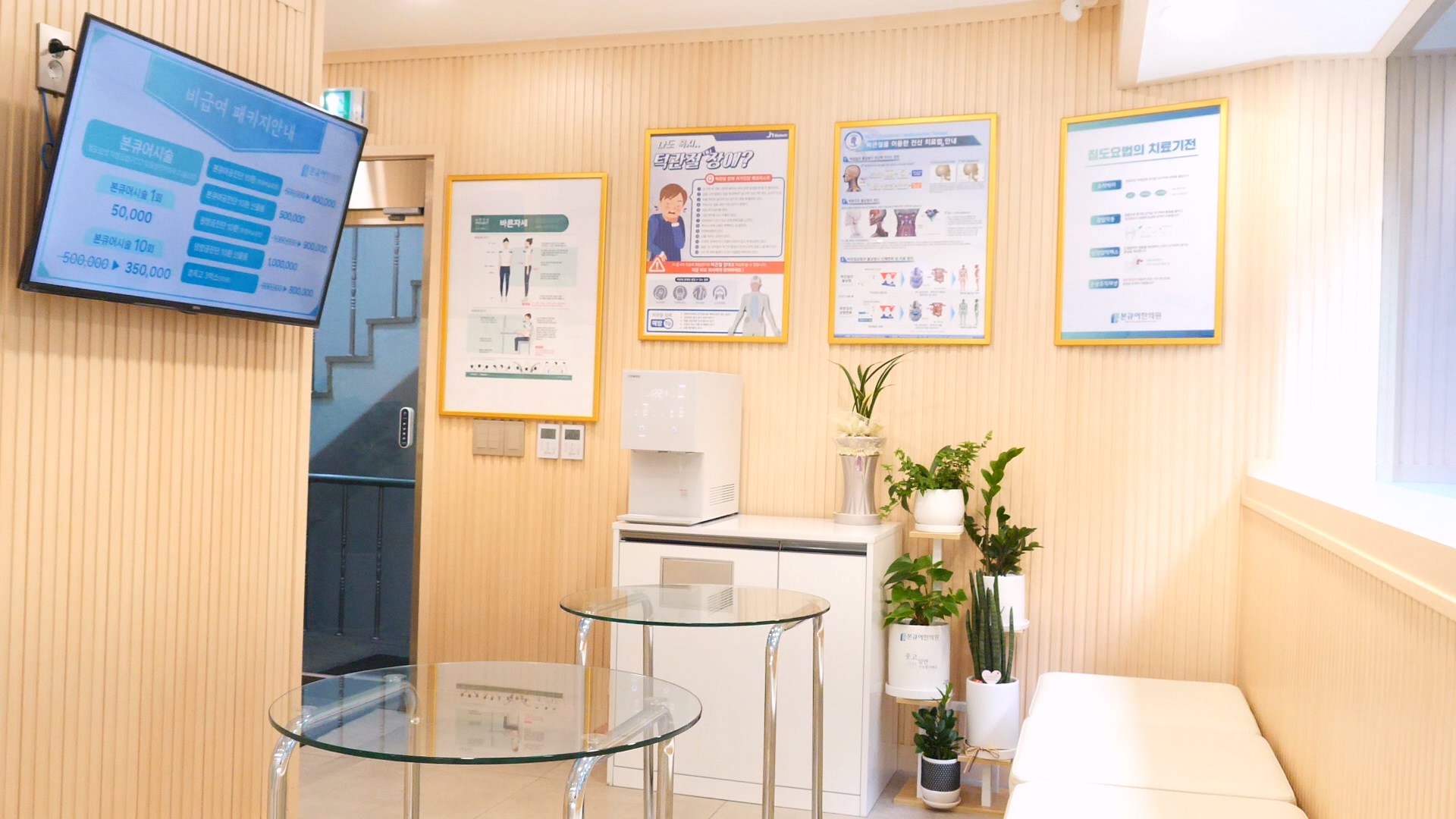
Our Korean traditional medicine clinic in Cheongdam offers a holistic environment designed to facilitate the deep relaxation and healing necessary for panic disorder recovery. We understand that the environment plays a significant role in the healing process, and we have created a space that is calm, clean, and modern. From the moment a patient walks into Bonecure, the focus is on their comfort and safety. We utilize soft lighting and natural materials to create a soothing atmosphere that complements our clinical treatments. This environment allows the nervous system to begin downregulating even before the treatment starts. Our team in Cheongdam is dedicated to providing personalized care that respects each patient's unique journey, ensuring that every visit is a step toward greater balance and health. By combining this peaceful setting with our advanced structural techniques, we offer a truly comprehensive healing experience for the mind, body, and spirit in the heart of the city.
For more information on these topics, you may find the following guides helpful:
- A 2026 Guide to Managing Autonomic Dysfunction and Anxiety through Structural Realignment at Bonecure
- A 2026 Clinical Guide to Autonomic Dysfunction and Structural Recovery in Korean Medicine
Frequently Asked Questions
Q. How does Korean medicine define panic disorder compared to Western psychiatry?
Korean medicine views panic disorder as an imbalance in the body's vital energy and structural alignment, often involving the heart and gallbladder meridians. Western psychiatry tends to focus primarily on neurotransmitters and brain chemistry. At Bonecure, we integrate these views by looking at how structural issues affect the nervous system's chemical balance.
Q. Can acupuncture really help with the physical symptoms of a panic attack?
Acupuncture can help regulate the autonomic nervous system and lower cortisol levels, which are often elevated during panic episodes. In specific cases observed at Bonecure, patients reported a calming effect on heart palpitations and shortness of breath almost immediately after treatment. By relaxing the physical body, the mind often follows suit.
Q. What is the typical duration of treatment for panic disorder at Bonecure?
At Bonecure, we do not require a fixed number of sessions. We focus on providing visible improvement from the very first treatment. While chronic cases may benefit from continued care to maintain structural stability, your treatment plan is entirely customized based on your immediate response and long-term health goals.
Q. Are there any side effects to the acupotomy or herbal treatments used for panic?
Acupotomy is generally safe when performed by a specialist but can occasionally cause minor bruising, temporary soreness, or localized pain at the site. We customize herbal prescriptions to minimize any potential digestive discomfort. We always conduct a thorough initial assessment to ensure that the chosen treatments are appropriate for your specific health profile.
Q. How does spinal alignment affect my anxiety levels?
Misalignment in the cervical or thoracic spine can irritate the nerves that regulate the fight-or-flight response, keeping the body in a state of high alert. Correcting these structural issues often helps the body remain in a more relaxed state by removing mechanical stress from the nervous system. This physical ease directly contributes to a calmer mental state.
Q. Is it possible to combine Korean medicine with my current panic disorder medication?
Yes, many patients use an integrative approach by combining traditional medicine with their current prescriptions. At Bonecure, we work to support your body's resilience and structural health so that you may eventually discuss medication adjustments with your primary physician. We do not advise stopping any medication without professional medical guidance.
Q. Does Bonecure provide scientific evidence for these traditional treatments?
We utilize objective measures such as autonomic nervous system testing and whole spine X-ray analysis to monitor progress. Our methods are supported by clinical observations and documented case reports that demonstrate the link between structural alignment and symptomatic relief. We strive to provide transparent and evidence-based care for every patient.
Key Takeaways
- Panic disorder is viewed as a mind-body imbalance that can be effectively managed through structural and energetic realignment in Korean medicine.
- Bonecure focuses on the relationship between spinal alignment and the autonomic nervous system to address the physical triggers of panic.
- Specialized acupotomy and herbal medicine provide a synergistic approach to calming the nervous system and restoring internal harmony.
- Objective testing, including X-rays and ANS analysis, is used to track progress and ensure that treatments are effective for each individual.
- A holistic approach that addresses the physical structure of the body offers a unique and promising path for those seeking immediate and long-term relief from panic symptoms.
Bonecure / Song Jeong-hyeon
FAQ
- How does Korean medicine define panic disorder compared to Western psychiatry?
- Korean medicine views panic disorder as an imbalance in the body's vital energy and structural alignment, often involving the heart and gallbladder meridians. Western psychiatry tends to focus primarily on neurotransmitters and brain chemistry. At Bonecure, we integrate these views by looking at how structural issues affect the nervous system's chemical balance.
- Can acupuncture really help with the physical symptoms of a panic attack?
- Acupuncture can help regulate the autonomic nervous system and lower cortisol levels, which are often elevated during panic episodes. In specific cases I have observed at Bonecure, patients reported a calming effect on heart palpitations and shortness of breath. By relaxing the physical body, the mind often follows suit.
- What is the typical duration of treatment for panic disorder at Bonecure?
- Treatment duration varies significantly based on the individual's condition and history. While some may notice changes within a few sessions, chronic cases often require consistent care over several months for lasting stability. We typically recommend a course of 10 to 20 sessions to see significant structural and symptomatic changes.
- Are there any side effects to the acupuncture or herbal treatments used for panic?
- Acupuncture is generally safe but can occasionally cause minor bruising, temporary soreness, or fatigue. At Bonecure, we customize herbal prescriptions to minimize any potential digestive discomfort or other reactions. We always conduct a thorough initial assessment to ensure that the chosen treatments are appropriate for your specific health profile.
- How does spinal alignment affect my anxiety levels?
- Misalignment in the cervical or thoracic spine can irritate the nerves that regulate the fight-or-flight response, keeping the body in a state of high alert. Correcting these structural issues often helps the body remain in a more relaxed state by removing mechanical stress from the nervous system. This physical ease directly contributes to a calmer mental state.
- Is it possible to combine Korean medicine with my current panic disorder medication?
- Yes, many patients use an integrative approach by combining traditional medicine with their current prescriptions. At Bonecure, we work to support your body's resilience and structural health so that you may eventually discuss medication adjustments with your primary physician. We do not advise stopping any medication without professional medical guidance.
- Does Bonecure provide scientific evidence for these traditional treatments?
- We utilize objective measures such as autonomic nervous system testing and whole spine X-ray analysis to monitor progress throughout the treatment process. Our methods are backed by clinical observations and documented case reports that demonstrate the link between structural alignment and symptomatic relief. We strive to provide transparent and evidence-based care for every patient.