
Post
A 2026 Clinical Guide to Oriental Medicine Medical Notes: Ensuring Structural Restoration and Scientific Precision at BonCure
Hello, I am Dr. Song Jung-hyun, a practitioner who has dedicated my career to mastering acupotomy and structural restoration. Oriental medicine medical notes represent a systematic and scientific recording of a patient’s unique physiological landscape, guiding each step of the healing process. At BonCure, we believe that when your bones smile, your life smiles, and this philosophy begins with the meticulous documentation of your clinical progress.
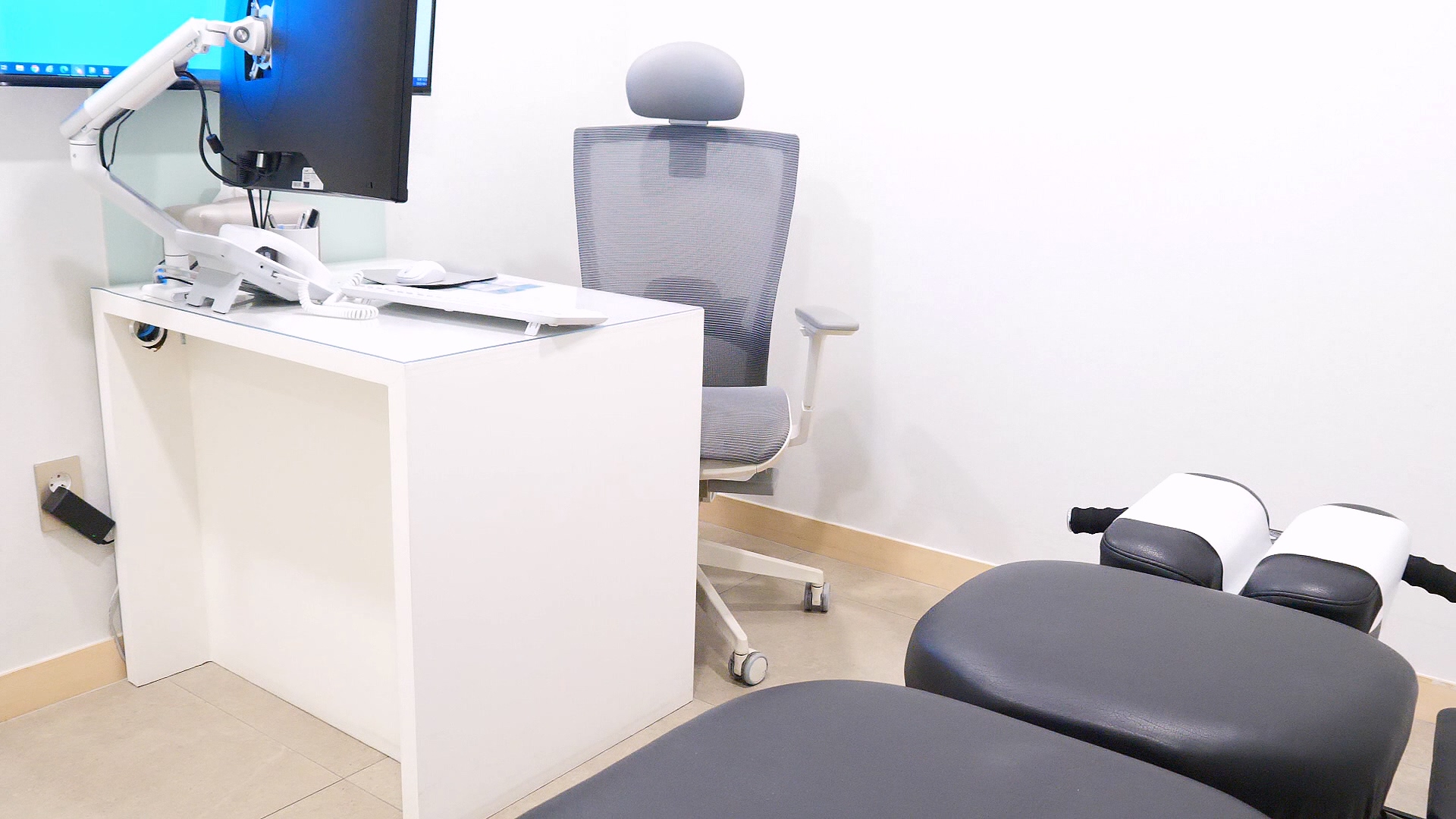
By integrating traditional diagnostic wisdom with modern structural analysis, we provide a roadmap for recovery that is both personalized and verifiable. This guide explores how these medical records serve as a bridge between ancient wisdom and contemporary clinical standards, ensuring that every patient receives care that is safe, consistent, and focused on long-term wellness.
Understanding Oriental Medicine Medical Notes and Clinical Documentation
Oriental medicine medical notes are formal clinical records that document a patient’s symptoms, diagnosis, and the specific interventions provided during a treatment session. Unlike basic intake forms, these notes serve as a legal and clinical ledger that details the evolution of a patient’s health over time.
What Are Medical Notes in Traditional Korean Medicine?
Traditional Korean Medicine medical notes serve as the foundational narrative of a patient’s health journey. These documents transcend simple checklists, functioning as a comprehensive ledger of physiological changes and structural responses to treatment. At BonCure, we define these notes as an integrative record that captures not just the chief complaint, but the underlying constitutional imbalances. By documenting through traditional diagnostic methods, including inspection, listening, inquiry, and palpation, we create a roadmap for recovery. Each entry provides a snapshot of the patient’s physical observations such as tongue characteristics and pulse quality. This systematic approach ensures that every session builds upon the last, allowing for a longitudinal view of the patient’s progress. Whether dealing with chronic pain or complex autonomic disorders, these medical notes provide the scientific and clinical evidence required to justify specific therapeutic interventions and adjust treatment strategies in real-time for optimal patient safety and care.
The Importance of Systematic Records for Patient Recovery
Systematic record-keeping is essential for ensuring the continuity of care and the safety of the patient. While some clinics suggest a set number of sessions, BonCure focuses on immediate structural changes where patients can feel the difference from the very first treatment. Having a detailed history of how the body responded to previous needle placements or herbal prescriptions is vital to this process. These records allow practitioners to identify patterns that might otherwise be missed in a single consultation. In accordance with medical law, we maintain these patient records securely to facilitate long-term monitoring. This historical data is particularly useful when patients return after a long hiatus or when their condition shifts due to lifestyle changes. By maintaining rigorous documentation standards, we can objectively evaluate the efficacy of our methods, such as the dehesion of adhesions through acupotomy. This evidence-based approach minimizes trial and error, leading to a more efficient and predictable recovery process for every individual who enters our clinic.
Key Elements Included in a BonCure Clinical Chart
A BonCure clinical chart is a specialized document designed to capture both internal health markers and external structural alignment. It includes the patient’s medical history, current pain levels measured via objective indicators, and specific anatomical locations targeted during acupotomy. We also record the findings from Whole Spine X-ray analysis, focusing on spinal curvature and joint spacing to identify the root causes of pain. These objective measurements are combined with traditional diagnostics, such as pulse and tongue analysis. By documenting the exact depth and angle of needle insertion, we ensure that treatments are reproducible and safe. These notes also include a section for the patient’s subjective feedback, allowing us to align clinical findings with the patient’s lived experience. This comprehensive data set provides a 360-degree view of the patient’s health, ensuring that every adjustment is based on solid clinical reasoning and observable structural data gathered through rigorous diagnostic protocols.
How Oriental Medicine Medical Notes Differ from Western Records
Oriental medicine medical notes are distinct in their focus on constitutional balance and holistic interconnections, whereas Western records often emphasize isolated pathological markers and symptom-specific data.
Holistic Diagnosis: Beyond Simple Symptom Tracking
Holistic diagnosis in Traditional Korean Medicine involves looking at the body as an interconnected system rather than a collection of independent organs. Medical notes in this field reflect this by documenting how a digestive issue might be related to spinal misalignment or autonomic nervous system dysfunction. While Western records might focus on a blood test showing high glucose, a TKM chart would record the physiological patterns influencing that metabolic state. We utilize standardized clinical scales, such as the Beck Anxiety Inventory or objective pain scores, to bridge the gap between subjective feelings and objective data. This documentation style allows us to track the root cause of a disease rather than just suppressing the symptoms. By recording the patient’s emotional state and environmental factors, we create a more nuanced portrait of health. This ensures that the treatment plan addresses the whole person, leading to a more sustainable and balanced recovery that respects the body’s natural rhythm.
| Feature | Western Clinical Notes | Oriental Medical Notes (BonCure) |
|---|---|---|
| Diagnostic Focus | Pathogens and isolated symptoms | Patterns and constitutional balance |
| Primary Data | Lab results, imaging, and vitals | Pulse, tongue, and structural alignment |
| Record Type | Quantitative and linear | Integrative, qualitative, and quantitative |
| Treatment Goal | Eliminating specific disease | Restoring overall homeostasis and flow |
| Documentation | Symptom-based coding | Syndrome-based (Pattern Identification) |
Integrating Spinal Alignment and Structural Data
In our practice, integrating structural data into medical notes is paramount for achieving lasting results. We record precise measurements of the spine’s curvature, identifying specific areas of misalignment and postural deviations. This information is critical because structural imbalances often lead to chronic tension and internal organ dysfunction. By documenting these physical measurements alongside traditional acupuncture points, we can see how correcting the skeleton improves the flow of energy and blood. Our notes track the progress of structural restoration, showing how the body gradually returns to its natural alignment. For example, a patient with a lateral shift in the lumbar spine will have their progress tracked until they reach a more neutral position. This data-driven approach allows us to provide patients with clear evidence of their improvement. For more on how we apply this, see A 2026 Clinical Guide to Dr. Song Jung-hyun's BonCure Acupuncture: Restoring Structural Balance.
Scientific Documentation of BonCure’s Specialized Treatments
Scientific documentation at BonCure focuses on providing evidence for the efficacy of specialized procedures like acupotomy, using both modern imaging and standardized clinical assessment tools.
Recording the Dehesion Process in Acupotomy Therapy
Recording the dehesion process during acupotomy is essential for tracking the physical restoration of soft tissues. Acupotomy involves the use of a specialized blade-shaped needle designed to release adhesions in the fascia and muscles. In our medical notes, we document the specific locations where this dehesion occurs and the tactile feedback received during the procedure. This helps in understanding how much of the fibrotic tissue has been released. Unlike treatments that require dozens of sessions, we focus on treatments that are impactful and efficient, aiming for immediate relief. It is important to note that acupotomy may cause temporary soreness, minor localized bleeding, or in rare cases, infection. Effectiveness varies based on individual pathology, and chronic conditions may require tailored follow-up treatments to achieve desired changes. By carefully documenting each session's parameters, we refine the intensity of subsequent treatments to ensure the dehesion process is safe and leads to improved mobility through precise tissue regeneration.
Objective Measurement: Utilizing Clinical Scales and Imaging
To move beyond subjective reporting, we utilize objective clinical scales and imaging results within our medical records. We incorporate pre-treatment and post-treatment scores from scales like the Beck Depression Inventory or Beck Anxiety Inventory to monitor psychological improvements related to physical recovery. Imaging results, such as X-rays, are summarized in the notes to provide a visual and mathematical baseline for structural health. For instance, documenting a change in the cervical curve towards a more natural lordosis provides tangible proof of progress. We also use objective pain indicators to quantify intensity, aiming for a consistent reduction. By grounding our records in these measurable metrics, we provide a transparent and scientific basis for our clinical decisions. This level of detail is particularly helpful when collaborating with other healthcare providers, as it offers a clear language for describing the patient’s status and the efficacy of the interventions applied.
The Role of Case Reports in Validating Treatment Efficacy
Case reports play a vital role in validating the efficacy of our specialized treatments by providing detailed evidence of successful outcomes. These reports are compiled from anonymized medical notes, focusing on specific conditions like chronic tinnitus, scoliosis, or autonomic dysfunction. For example, a case report might detail a patient who experienced a significant reduction in symptoms after targeted acupotomy sessions. These findings are used to contribute to the broader body of knowledge in Korean Medicine. It is crucial to understand that these reports reflect individual cases, and results may not be typical for every patient. However, they provide a scientific foundation for the therapies we offer. By documenting the exact protocols used, these reports allow for clinical validation. This commitment to research ensures that our clinic stays at the forefront of evidence-based TKM. You can read more about this in our Korean Medicine Clinical Case Studies: A 2026 Guide to Evidence-Based Restoration.
Ensuring Accuracy and Compliance in Medical Record Management
Accuracy and compliance are the twin pillars of professional medical record management, ensuring that patient data is handled with the highest level of integrity and legal scrutiny.
Strict Adherence to Patient Privacy and HIPAA Standards
Adhering to strict privacy standards is a non-negotiable aspect of our clinical operations. We ensure that all medical notes are stored in secure, encrypted systems that only authorized medical personnel can access. Every patient’s personal information, including their medical history, is treated with the utmost confidentiality. We do not share these records with third parties without the patient’s explicit consent. Our documentation process includes clear logging of access, providing a transparent audit trail. This commitment to privacy builds trust between the practitioner and the patient, creating a safe environment for healing. We understand that medical records contain sensitive information, and we take every precaution to prevent unauthorized disclosure. By following these professional standards, we ensure that our patients' data is protected, whether they are local residents or international visitors seeking care at our facility in Seoul.
How Clear Documentation Supports Continuity of Care
Clear documentation is the backbone of continuity of care, especially in a long-term treatment environment. When medical notes are structured and detailed, they allow for a seamless transition between different stages of treatment. For example, if a patient initially comes in for acute pain and later transitions to maintenance care, the notes provide a clear history of what worked best. This avoids the need for the patient to repeat their history and ensures that the practitioner has all the information to provide safe care. Furthermore, if a patient needs to be referred to a different specialist, clear medical summaries can be provided to ensure the next provider is fully informed. This collaborative approach is important in integrative medicine, where multiple perspectives are often brought to bear. By maintaining high-quality records, we ensure that the patient’s recovery journey remains focused and efficient, reducing the risk of redundant diagnostic errors.
The Process of Sharing Medical Summaries with Patients
The process of sharing medical summaries with patients is designed to empower them with knowledge about their own health. We believe that patients should have easy access to their clinical records, whether for personal interest, insurance claims, or follow-up care elsewhere. Upon request and proper identity verification, we provide summarized notes that explain the diagnosis, the treatments performed, and the recommended follow-up steps. We also offer formal medical certificates that are recognized for legal and insurance purposes. This transparency helps patients feel more involved in their treatment plan and encourages them to take an active role in their recovery. We take the time to explain the terminology used, ensuring that the information is accessible. By fostering open communication through shared documentation, we strengthen the therapeutic relationship and ensure that our patients have the tools they need for long-term health. For international patients, see A 2026 Clinical Guide to Your English-Speaking Korean Medicine Doctor in Seoul: Structural Restoration at BonCure.
Key Takeaways
- Comprehensive Documentation: Medical notes at BonCure integrate traditional pulse and tongue diagnostics with modern structural and X-ray data for a complete health overview.
- Immediate Results Focus: Documentation tracks structural restoration with a focus on immediate symptom changes and efficient, impactful treatment.
- Safety and Compliance: Strict adherence to privacy laws and statutory storage requirements guarantees that patient data is secure and available for long-term care.
- Empowered Patients: Providing clear medical summaries helps patients understand their recovery journey and supports the continuity of care across different providers.
Frequently Asked Questions
Q. What information is typically recorded in Oriental medicine medical notes?
These notes include a comprehensive patient history, current symptom logs, and results from traditional diagnostics like pulse and tongue analysis. We also record specific details about acupuncture or acupotomy points used and the patient's reaction to the treatment. This data helps us tailor each session to your immediate needs while tracking structural recovery goals.
Q. Can I request a copy of my medical records at BonCure?
Yes, all patients have the right to access their clinical documentation. We can provide summarized notes, formal medical certificates, or a copy of your chart upon request, following identity verification. This transparency ensures you have all the information necessary for insurance claims or personal health records.
Q. How does Dr. Song Jung-hyun use these notes for treatment?
I use these detailed records to track structural changes in the spine and monitor the progress of tissue regeneration. By reviewing previous notes, I can adjust the protocol based on which interventions were most effective, ensuring every session is as efficient and targeted as possible for immediate improvement.
Q. Are Oriental medicine medical notes legally recognized for insurance?
Yes, medical records generated in a licensed Korean Medicine clinic are official legal documents. They are accepted for health insurance claims, disability evaluations, and as substantiation of treatment in legal contexts. We ensure our notes meet professional and legal standards to facilitate these processes for our patients.
Q. How long are my medical notes stored at the clinic?
In accordance with medical laws and regulations, we maintain all patient records for the required statutory periods. This long-term storage allows us to provide consistent follow-up care even if you return to the clinic after many years, ensuring your medical history is available for future health evaluations.
Q. Does BonCure record objective data like X-ray results in the notes?
Absolutely, we integrate objective data such as Whole Spine X-ray analysis, spinal curvature measurements, and joint spacing into our clinical charts. This information provides a scientific baseline against which we measure structural improvements. Combining modern imaging with traditional diagnostics allows for a truly integrative approach.
Q. Is my personal information safe within these medical records?
We prioritize data security and comply with relevant privacy regulations. Your information is stored in encrypted digital systems accessible only by authorized medical personnel involved in your treatment. We take every possible measure to ensure your sensitive health data remains confidential and secure.
Hello. I am Dr. Song Jung-hyun, a practitioner who has long specialized in acupotomy. This article is for informational purposes, and treatment effects may vary depending on individual conditions. We recommend consulting with a specialist before undergoing any procedure.
BonCure / Song Jung-hyun
FAQ
- What information is typically recorded in Oriental medicine medical notes?
- These notes include a comprehensive patient history, current symptom logs, and results from traditional diagnostics like pulse and tongue analysis. We also record specific details about acupuncture or acupotomy points used, the depth of insertion, and the patient's reaction to the treatment. This data helps us tailor each session to the patient's immediate needs while keeping an eye on long-term recovery goals.
- Can I request a copy of my medical records at Bonecure?
- Yes, all patients have the legal right to access their clinical documentation at any time. We can provide summarized notes, formal medical certificates, or a complete copy of your chart upon request, following a standard identity verification process. This transparency ensures that you have all the information necessary for insurance claims or for your personal health records.
- How does Dr. Song Jung-hyun use these notes for treatment?
- I use these detailed records to track structural changes in the spine and monitor the progress of tissue regeneration over multiple sessions. By reviewing previous notes, I can adjust the treatment protocol based on which points were most effective and how your body responded to specific interventions. This ensures that every subsequent session is as efficient and targeted as possible.
- Are Oriental medicine medical notes legally recognized for insurance?
- Yes, medical records generated in a licensed Korean Medicine clinic are official legal documents used for a variety of purposes. They are commonly accepted for health insurance claims, disability evaluations, and as substantiation of treatment in legal contexts. We ensure that our notes meet all professional and legal standards to facilitate these processes for our patients.
- How long are my medical notes stored at the clinic?
- In accordance with current medical laws and regulations, we maintain all patient records for a minimum of 10 years. This long-term storage allows us to provide consistent follow-up care even if you return to the clinic after many years. It also ensures that your medical history is available should you require it for future health evaluations or legal documentation.
- Does Bonecure record objective data like X-ray results in the notes?
- Absolutely, we integrate objective data such as Whole Spine X-ray analysis, spinal curvature measurements, and joint spacing into our clinical charts. This information provides a scientific baseline against which we can measure structural improvements over time. By combining these modern imaging results with traditional diagnostics, we offer a truly integrative and evidence-based approach to care.
- Is my personal information safe within these medical records?
- We prioritize data security and strictly comply with all relevant privacy regulations, including standards equivalent to HIPAA. Your information is stored in encrypted digital systems and is only accessible by authorized medical personnel directly involved in your treatment. We take every possible measure to ensure that your sensitive health data remains confidential and secure.