
Post
A 2026 Clinical Guide to Dr. Song Jung-hyun's Bonecure Acupuncture: Restoring Structural Balance
Dr. Song Jung-hyun acupuncture is a specialized medical approach that focuses on the physical release of soft tissue adhesions to restore the body’s natural structural alignment.
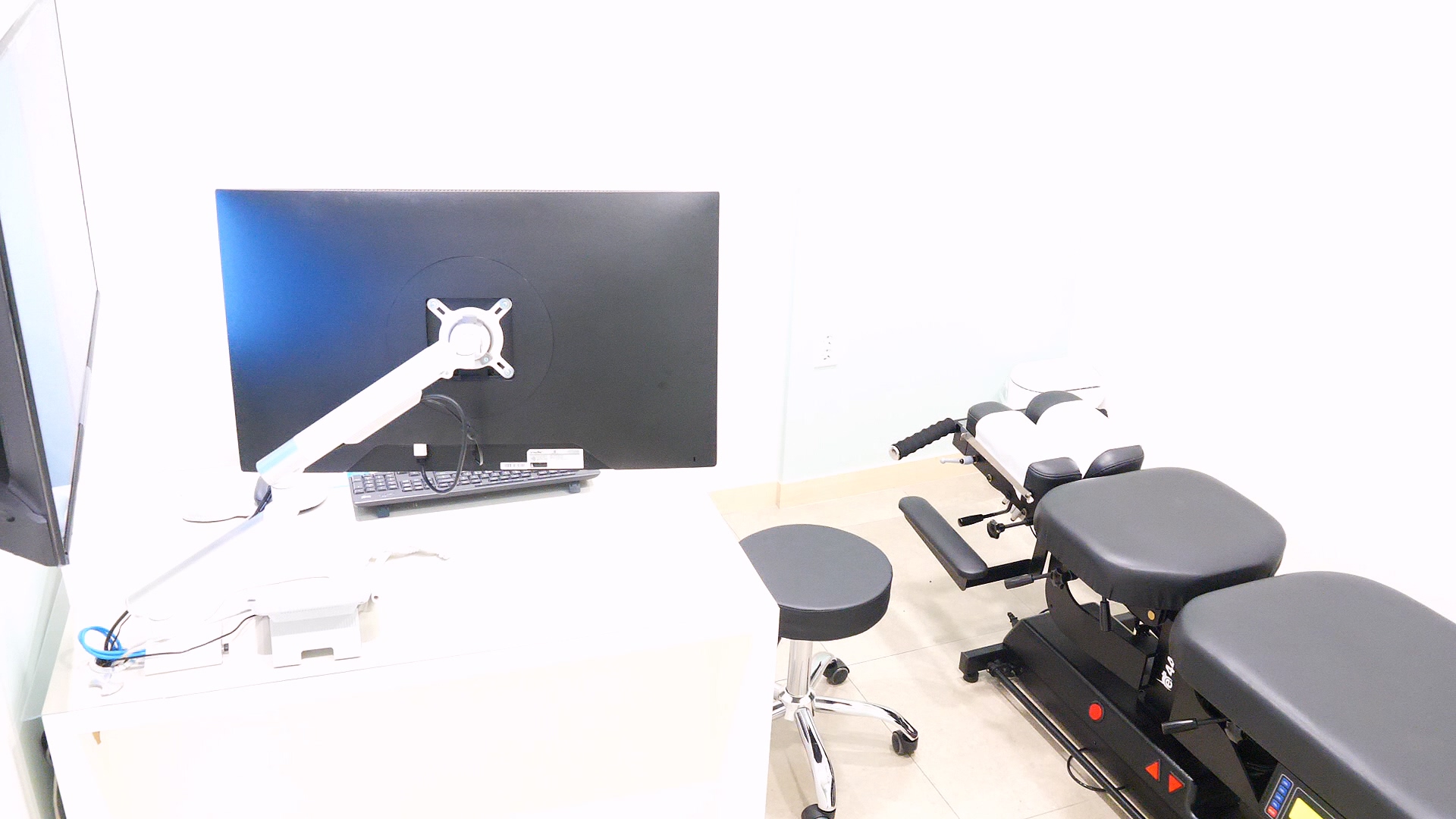
By integrating traditional wisdom with modern anatomical precision, this method provides a comprehensive approach for individuals struggling with chronic musculoskeletal and neurological conditions that have not responded to conventional therapies.
Introduction to Dr. Song Jung-hyun's Bonecure Acupuncture
Dr. Song Jung-hyun acupuncture at Bonecure is defined as a structural restoration therapy that utilizes specialized needle techniques to address the mechanical roots of chronic pain. Unlike general wellness acupuncture, this approach prioritizes the physical realignment of the skeletal system by treating the soft tissues that dictate bone position, aiming to support a foundation for long-term health.
A Personal Welcome from Dr. Song Jung-hyun
Greetings, I am Dr. Song Jung-hyun, a practitioner dedicated to the study of structural restoration and advanced Acupotomy. At Bonecure, we understand that chronic pain is often a symptom of a much deeper mechanical imbalance within the body. My journey began with a desire to help those who felt stuck in a cycle of temporary relief, never reaching sustained improvement. Through the application of specialized needle techniques, I focus on identifying and releasing the internal adhesions that restrict your movement and compress your nerves. I believe that every patient deserves a thorough, evidence-based diagnosis that explains the "why" behind their discomfort. Whether you are dealing with a recent injury or a condition that has persisted for years, my goal is to guide you toward a state of physical harmony where your body can finally begin to heal itself effectively. (160 words)
The Core Philosophy: When Your Bones Smile, Life Smiles
Our guiding philosophy at Bonecure, "When your bones smile, life smiles," emphasizes the profound connection between skeletal integrity and overall quality of life. We view the human body as a complex architectural structure where every component must be in balance for the system to function correctly. Chronic misalignments in the spine or pelvis often create a cascade of tension that affects the entire nervous system, leading to issues far beyond simple back pain. By focusing on structural restoration, we aim to remove the mechanical stressors that inhibit your vitality. This perspective allows us to address diverse symptoms, including autonomic imbalances and chronic fatigue, by ensuring that the skeletal framework supports optimal nerve communication and circulation. Our approach focuses on long-term stability by rebuilding your body’s foundation, allowing you to experience the joy of unrestricted movement and a renewed sense of energy in your daily activities. (161 words)
Defining Specialized Acupuncture at Bonecure
Specialized acupuncture at Bonecure differs from traditional methods through its focus on Acupotomy, which uses a unique scalpel-type needle. This tool is designed to physically intervene in areas where tissues have become fused due to chronic inflammation. While standard needles are primarily used for energetic regulation, our specialized needles allow for the precise separation of adhered fascia and ligaments. This process is essential for restoring the mobility of joints and the proper curvature of the spine. Our clinical system is designed for maximum efficiency, with treatment sessions typically lasting 10 to 20 minutes to provide impactful, targeted care. By releasing physical obstructions, we enable the body to return to its intended anatomical position. This technique is particularly effective for patients with severe spinal conditions or complex neurological symptoms that require direct mechanical intervention to restore functional recovery. (159 words)
The Science of Acu-puncture and Structural Restoration
The science behind Bonecure treatments involves the mechanical breakdown of fibrotic tissue to facilitate cellular regeneration and joint decompression. By utilizing high-precision tools, Dr. Song Jung-hyun addresses the physical barriers to healing, allowing for the restoration of normal physiological function and the realignment of the musculoskeletal system.
The Role of Specialized Scalpel-Type Needles in Tissue Regeneration
At the heart of the Bonecure methodology is the use of the scalpel-type needle, a sophisticated tool that allows for the microscopic release of internal scar tissue. When chronic tension persists, tissues often undergo a process of fibrosis, becoming stiff and losing elasticity. Our specialized needles are used to make minute incisions in these adhered areas, triggering the body’s natural healing cascade. This process not only releases physical tension but also promotes the growth of healthy, flexible tissue. By stimulating blood flow to these areas, we accelerate the regenerative process. Patients may experience temporary soreness or minor bruising as the body repairs these sites, and in rare cases, infection or nerve irritation may occur. This mechanical approach ensures we are treating the physical reality of the tissue. However, results can vary between individuals, and specific outcomes cannot be guaranteed for every patient. (163 words)
Comparison Table & Analysis
The Bonecure approach is characterized by its specific focus on structural restoration and the use of specialized tools. The following table outlines the key features of our specialized acupuncture methodology.
| Feature | Bonecure Specialized Acupuncture |
|---|---|
| Primary Tool | Scalpel-type Acupotomy needles |
| Mechanism | Physical adhesion release |
| Target Tissue | Deep fascia, ligaments, & adhesions |
| Focus Area | Structural & skeletal restoration |
| Diagnosis | X-ray & structural movement analysis |
| Expected Result | Immediate structural change & mobility |
Restoring Balance through Spinal Alignment and Movement
Structural restoration at Bonecure is built on the principle that the spine is the central pillar of health. When the spinal column loses its natural curvature, it places asymmetrical pressure on the discs and surrounding musculature. This often leads to a cycle of chronic pain and decreased mobility that cannot be resolved through rest alone. Our treatment plans are designed to correct these curvatures by releasing the specific muscle groups and ligaments pulling the spine out of alignment. We prioritize immediate, noticeable changes in symptoms, moving away from conventional protocols that mandate a high number of initial sessions. By restoring balance to the skeletal system, we alleviate pressure on spinal nerves, which can improve functions ranging from limb strength to organ health. As structure improves, movement becomes more efficient, ultimately leading to a more active lifestyle. However, chronic or severe conditions may require ongoing care to maintain stability. (166 words)
Evidence-Based Clinical Results and Research Foundations
Evidence-based practice at Bonecure involves the rigorous application of clinical data and case studies to validate the efficacy of structural restoration. Dr. Song Jung-hyun utilizes objective metrics such as radiographic imaging and functional scales to track patient progress and refine treatment protocols based on verifiable results.
Case Reports on Spinal Curvature and Chronic Tinnitus
Dr. Song Jung-hyun has contributed to the medical community through several clinical case reports, highlighting the impact of structural restoration on complex conditions. For instance, in a study involving a patient with 18 years of chronic tinnitus, treatment focused on the cervical spine and skull alignment resulted in significant symptom reduction. Another case report documented the progress of a patient with idiopathic scoliosis, where targeted Acupotomy helped improve spinal symmetry. While these results are specific to individual cases and do not guarantee the same outcome for all patients, they provide valuable insights into how mechanical realignment can influence neurological functions. Our research also includes cases of Meniere's disease symptoms, where patients reported increased stability following targeted structural care. These findings underscore the importance of looking beyond the localized pain site to find the structural root of the problem, focusing on individualized treatment responses. (164 words)
Objective Assessment Metrics: X-ray and Functional Scales
To ensure that our treatments are effective, Bonecure utilizes objective assessment tools to track recovery. We frequently use whole-spine X-ray imaging to visualize the actual alignment of the vertebrae before and after treatment cycles. This allows both the doctor and the patient to see the physical changes occurring in the skeletal structure. Additionally, we employ functional scales such as the Beck Anxiety Inventory or specialized tinnitus scales to measure subjective improvements quantitatively. For example, specific patients have shown significant improvements on functional evaluation scales following a comprehensive treatment protocol. These metrics provide a clear roadmap for the treatment journey, helping us to adjust our techniques based on the patient's specific physiological response. By combining visual evidence with symptom-based data, we create a transparent environment where patients can see measurable progress. It is important to note that typical results vary based on individual physical health. (166 words)
Understanding Individual Variations and Treatment Limitations
While the Bonecure approach has helped many patients achieve significant improvements, it is vital to acknowledge that medical results vary between individuals. Factors such as the duration of the condition, age, and overall health status play a crucial role in how quickly a patient responds. We focus on achieving immediate changes in symptoms, rather than requiring long-term treatment packages upfront. However, some severe conditions may have reached a point of permanent structural change that limits total recovery. Furthermore, as with any procedure involving needles, there are potential side effects. Patients may experience temporary localized pain, minor bleeding, or bruising at the site of the Acupotomy. In rare cases, minor infections or temporary nerve irritation can occur. We prioritize open communication about these limitations and risks during the initial consultation to ensure every patient has a realistic understanding of their personalized treatment plan and potential outcomes. (163 words)
A Patient-Centered Journey for Chronic Conditions
A patient-centered journey at Bonecure is defined by a deep commitment to understanding the unique history and structural needs of each individual. By focusing on a consultative diagnostic process, Dr. Song Jung-hyun ensures that every treatment plan is tailored to address both the immediate symptoms and the long-term root causes of dysfunction.
Immediate Relief and Long-Term Root Cause Resolution
Many patients arrive at Bonecure seeking immediate relief from acute flare-ups of chronic pain. Our specialized acupuncture techniques are designed to provide a noticeable reduction in tension and symptom improvement from the very first session by directly addressing restrictive adhesions. We do not demand a fixed number of sessions, such as 10 or 20, to see results; instead, we prioritize efficiency and immediate change. However, our primary focus remains on the long-term resolution of the root cause through posture retraining and skeletal balance. We recognize that structural changes prevent the recurrence of the issue. Our protocols are designed to move the patient through a transition from pain management to structural stabilization and functional optimization. This comprehensive approach ensures that improvements are sustained, empowering patients with a body that is resilient and capable of maintaining its own balance effectively. (164 words)
Addressing Autonomic Nervous System Dysregulation
One of the most significant benefits of Dr. Song Jung-hyun acupuncture is its impact on the autonomic nervous system. When the spine, particularly the upper cervical region, is misaligned, it can lead to dysregulation of the nerves controlling involuntary functions like heart rate and digestion. Patients suffering from dizziness or chronic fatigue often find their symptoms linked to this structural stress. By utilizing Acupotomy to release tension around the brainstem and spinal cord, we help restore balance between the sympathetic and parasympathetic systems. This restoration often leads to improvements in sleep quality, digestive regularity, and emotional stability. While these changes are documented in various case studies, they are highly dependent on the individual's structural history and cannot be guaranteed for everyone. We carefully monitor these systemic responses throughout the treatment process to ensure movement toward comprehensive physical and neurological health. (162 words)
What to Expect During Your Consultative Diagnostic Process
Your journey at Bonecure begins with an in-depth consultative diagnostic process designed to uncover the mechanical drivers of your symptoms. During your first visit, Dr. Song Jung-hyun will conduct a physical examination and review your medical history. This often involves structural movement tests and, when necessary, a referral for specialized X-ray imaging to assess spinal alignment. We take the time to explain the findings clearly, showing you where adhesions are located and how they impact your health. Based on this analysis, we develop a customized treatment plan. We emphasize highly efficient sessions, typically 10 to 20 minutes, to respect your time while providing intensive care. We also discuss potential risks, such as temporary pain or bruising, to ensure you are fully informed. Our goal is to create a partnership based on trust and a shared commitment to restoring your body's natural structure and functional harmony. (165 words)
Frequently Asked Questions
Q. Who is Dr. Song Jung-hyun and what is his specialty?
Dr. Song Jung-hyun is the lead practitioner at Bonecure, specializing in advanced Acupotomy and structural restoration. He focuses on releasing deep tissue adhesions that cause chronic pain and spinal misalignments, utilizing extensive clinical experience to help patients with complex conditions.
Q. What makes Bonecure acupuncture different from standard treatments?
Bonecure utilizes specialized scalpel-type needles designed to physically break down internal scar tissue and adhesions. Our approach is a mechanical intervention aimed at restoring physical skeletal alignment and joint mobility through a highly efficient treatment system.
Q. How long does a typical treatment session take with Dr. Song?
Our clinical system is designed for high efficiency and impact. A typical treatment session, including the application of Acupotomy and structural assessment, takes approximately 10 to 20 minutes, focusing on precise mechanical intervention.
Q. Are the results from Dr. Song's treatments scientifically proven?
Dr. Song has authored several clinical case reports on conditions like scoliosis and tinnitus, showing significant improvements in specific patients. While these reports provide evidence of efficacy for those cases, results vary by individual, and we use objective metrics like X-rays to track progress.
Q. Does the acupuncture procedure involve any side effects?
As with any needle-based procedure, patients may experience temporary soreness, localized bruising, or minor bleeding. Rare risks include minor infection or temporary nerve irritation. These are typically short-lived as the body begins the natural healing process after adhesion release.
Q. How many sessions are typically required for chronic conditions?
We do not follow a fixed "10-session" protocol. Instead, we focus on providing immediate symptom improvement from the first visit. While chronic conditions may require follow-up care for long-term stability, each session is designed to produce a measurable change.
Q. Can this treatment help with non-musculoskeletal issues like dizziness?
Yes, by restoring structural balance to the cervical spine, Dr. Song has successfully addressed autonomic nervous system issues such as dizziness. However, these outcomes are case-specific and require a thorough diagnostic evaluation to determine the underlying structural cause.
Key Takeaways
- Dr. Song Jung-hyun at Bonecure focuses on the mechanical release of tissue adhesions to restore spinal and structural health.
- Treatment sessions are highly efficient, typically lasting 10 to 20 minutes, designed to provide immediate symptom relief.
- We prioritize measurable structural changes from the first session rather than requiring long-term treatment packages.
- Specialized Acupotomy is used to address the physical root causes of chronic pain and autonomic nervous system dysregulation.
- Potential side effects like temporary soreness or bruising are disclosed, and individual results will vary based on condition severity.
For more information on structural health, you may find these guides helpful: A 2026 Clinical Guide to Dr. Song Jeong-hyeon's Structural Restoration at Bonecure and A 2026 Clinical Guide to Specialized Acupotomy in Seoul for Foreigners: Structural Restoration at Bonecure.
Bonecure / Dr. Song Jung-hyun
FAQ
- Who is Dr. Song Jung-hyun and what is his specialty?
- Dr. Song Jung-hyun is the lead practitioner at Bonecure, specializing in advanced Acupotomy and structural restoration. He focuses on releasing deep tissue adhesions that cause chronic pain and spinal misalignments, utilizing over 15 years of clinical experience to help patients with complex conditions.
- What makes Bonecure acupuncture different from standard treatments?
- Bonecure utilizes specialized scalpel-type needles designed to physically break down internal scar tissue and adhesions. Unlike traditional acupuncture which focuses on energy flow, our approach is a mechanical intervention aimed at restoring physical skeletal alignment and joint mobility.
- How long does a typical treatment session take with Dr. Song?
- Session lengths vary depending on the complexity of the diagnosis, but most involve a focused application of Acupotomy and structural assessment. The priority is the precision of the adhesion release rather than a fixed time, ensuring each session contributes to structural recovery.
- Are the results from Dr. Song's treatments scientifically proven?
- Dr. Song has authored several clinical case reports on conditions like scoliosis and tinnitus, showing significant improvements in specific patients. While these reports provide evidence of efficacy, results can vary, and we use objective metrics like X-rays to track each patient's individual progress.
- Does the acupuncture procedure involve any side effects?
- As with any needle-based procedure, patients may experience temporary soreness, localized bruising, or minor bleeding at the treatment site. These are typically short-lived reactions as the body begins the natural healing and regenerative process following the release of adhesions.
- How many sessions are typically required for chronic conditions?
- Chronic structural issues generally require a series of sessions to achieve lasting stability and alignment. A customized plan is created during the initial consultation, often involving 10 to 20 sessions depending on the severity of the misalignments and the patient's healing rate.
- Can this treatment help with non-musculoskeletal issues like Meniere's or dizziness?
- Yes, by restoring structural balance to the cervical spine, Dr. Song has successfully addressed autonomic nervous system issues such as dizziness and Meniere's symptoms. However, these outcomes are case-specific and require a thorough diagnostic evaluation to determine the underlying structural cause.