
Post
A 2026 Clinical Guide to Structural Restoration and Neurological Case Studies in Korean Medicine
Hello, I am Dr. Song Jung-hyun, a Korean medicine doctor specializing in Acuknife therapy and structural restoration.
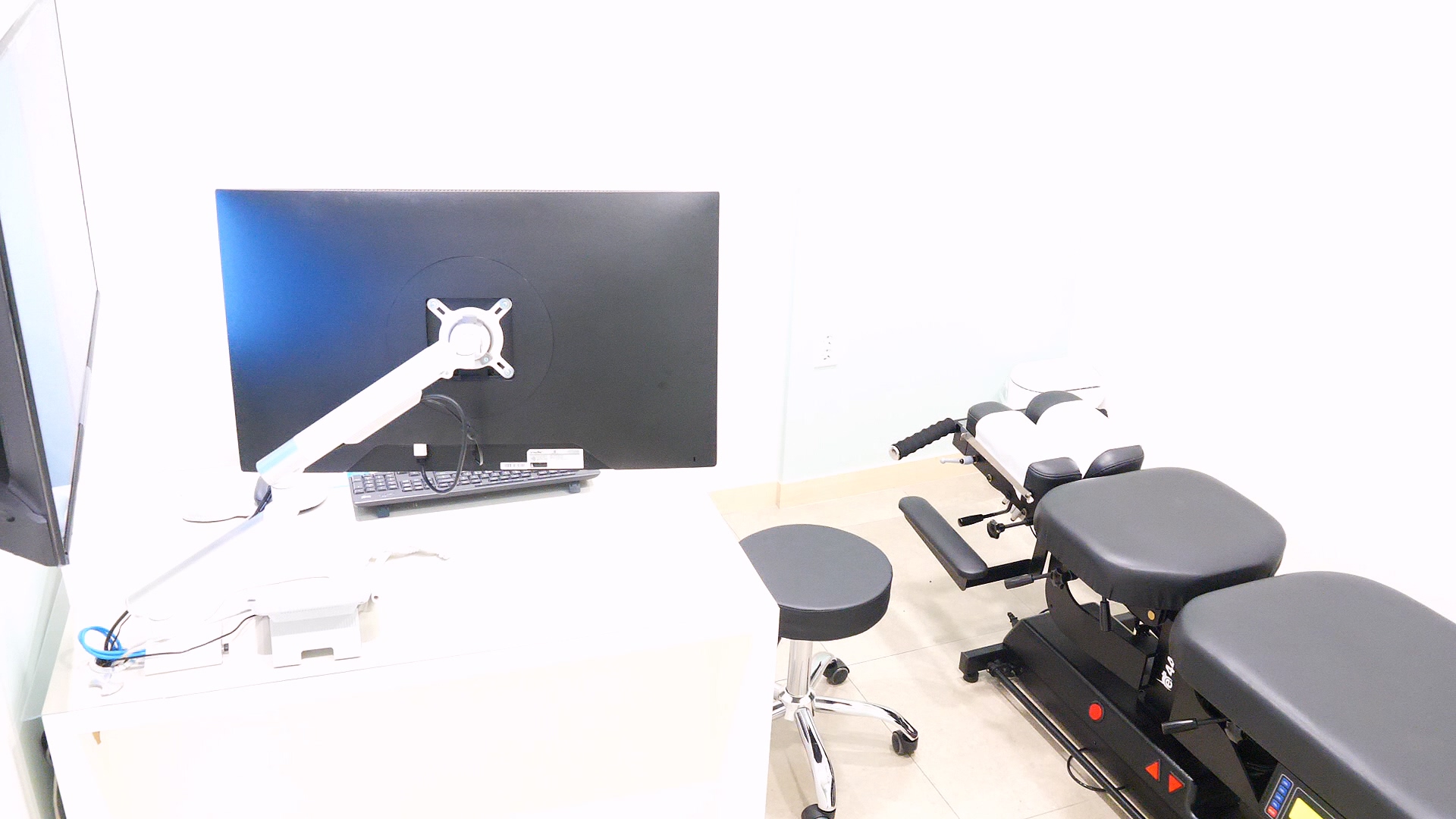
Oriental medicine doctor treatment case studies represent the intersection of historical wisdom and modern clinical validation, offering a roadmap for patients seeking long-term relief from chronic conditions through evidence-based Traditional Korean Medicine (TKM). In this guide, I will share insights into how we document and analyze structural recovery and autonomic dysfunction to provide the most effective care for our patients.
What are Oriental Medicine Doctor Treatment Case Studies?
Oriental medicine doctor treatment case studies are systematic documentations of a patient's clinical journey, covering the initial diagnosis, the specific interventions applied, and the resulting physiological changes. These records serve as critical evidence for the efficacy of TKM, moving beyond anecdotal claims to provide a structured look at how specific therapies like Acuknife (Chimdo) or herbal prescriptions influence health outcomes. By tracking variables such as pain levels, spinal alignment via X-ray, and autonomic balance, these studies allow practitioners to refine their methodologies and provide predictive insights for new patients with similar profiles. It is important to note that while these studies demonstrate potential, results are individual and may not be typical for every patient.
Defining Evidence-Based Traditional Korean Medicine
Evidence-based Traditional Korean Medicine is a clinical approach that integrates individual practitioner expertise with external clinical evidence from research and case reports. In the modern era, Oriental medicine is a rigorous scientific field where interventions are validated through objective metrics. At Bonecure, we utilize clinical notes to ensure that every needle insertion or herbal formula is backed by documented success stories and physiological logic. This methodology ensures that patient care is not only rooted in tradition but is also continuously evolving through data-driven observations. By analyzing trends across hundreds of cases, we can identify which specific structural misalignments—such as cranial or spinal imbalances—respond best to targeted Acuknife therapy.
The Role of Clinical Notes in Modern Practice
Clinical notes are the vital lifeblood of modern TKM practice, serving as a detailed archive of a patient's unique physiological responses to therapy over time. In a modern clinical setting, these records allow for better data analysis and the identification of long-term wellness patterns. For instance, when treating structural issues, clinical notes help track the subtle shifts in spinal alignment or joint mobility that are crucial for permanent restoration. Bonecure emphasizes the meticulous recording of diagnostic findings, from structural palpation to X-ray interpretations, to build a comprehensive picture of the healing process. This transparency helps refine treatment protocols and ensures that each session is focused and impactful.
Why Specific Patient Case Records Matter
Specific patient case records provide the granular detail necessary to understand individualized healing. Unlike broad trials, case records highlight unique factors—such as lifestyle, body composition, and specific injury history—that influence recovery. These records often document improvements in complex conditions; for example, my clinical reports include cases where patients with long-standing tinnitus or Parkinsonism saw meaningful symptom relief through structural restoration and upper cervical correction. However, chronic cases typically require multiple sessions to achieve stable progress. Furthermore, case studies act as a bridge of trust, providing real-world examples of what is possible through dedicated structural restoration. Bonecure uses these histories to educate patients, helping them understand that their path to recovery is a documented journey.
Core Methodologies in Traditional Korean Medicine Clinical Notes
Core methodologies refer to the high-level therapeutic techniques analyzed to determine their impact on health. These encompass specialized acupuncture, thermal therapies, and natural pharmacology. By standardizing documentation, we create a replicable framework for success, ensuring high-quality care is delivered consistently.
Acuknife (Chimdo) for Structural and Chronic Pain Management
Acuknife therapy for chronic pain is a cornerstone of our practice, showing significant improvements in mobility and pain reduction. Clinical notes in this area focus on the mechanical release of adhesions in the soft tissue that cause chronic tension. At Bonecure, we use the Acuknife to physically decompress nerve pathways and restore the normal length of muscles that have become fibrotic over time. Clinical observations indicate that patients with severe lower back pain or scapular burning often see a reduction in VAS pain scores. While many experience immediate relief, the degree of improvement depends on the individual. It is essential to disclose that Acuknife therapy can cause temporary pain, minor bleeding, or, in rare cases, infection at the site of insertion.
Autonomic Dysfunction and Back Heat (Baeyeoljeung) Management
Clinical notes frequently address autonomic nervous system imbalances, such as "Back Heat" syndrome (Baeyeoljeung). Patients often describe a burning sensation in the back despite normal skin temperatures. In my clinical experience, this is often linked to thoracic spine tension or nerve entrapment (such as the dorsal scapular nerve). Documentation at Bonecure indicates that releasing these entrapments via Acuknife, combined with autonomic-stabilizing herbal medicine, can effectively manage these distressing "burning" sensations. These cases highlight the necessity of looking beyond superficial symptoms to the underlying structural and nervous system triggers.
Differentiating Parkinson's Disease and Parkinsonism
Integrating detailed diagnostics into clinical notes is essential for managing neurological conditions. For example, differentiating between Parkinson’s Disease and Parkinsonism (Atypical Parkinsonism) is a key clinical focus. While Parkinson’s disease is a progressive condition requiring symptom management, functional Parkinsonism often shows a more dramatic response to structural correction of the upper cervical spine. My clinical case studies record instances where correcting C1/C2 alignment led to noticeable improvements in bradykinesia (slowness of movement). While TKM does not claim to "cure" progressive neurological diseases, it serves as a vital tool for slowing progression and improving quality of life.
Comparing Conventional Care and Traditional Korean Medicine Approaches
| Feature | Conventional Medical Care | TKM Structural Restoration (Bonecure) |
|---|---|---|
| Primary Goal | Symptom management/acute relief | Restoring structural & internal balance |
| Mechanism | Pharmacological or surgical | Structural alignment & tissue release |
| Treatment Focus | Targeted at specific pathology | Holistic, focusing on body structure |
| Long-term Outlook | Focus on immediate stabilization | Aims for long-term structural stability |
| Diagnostics | Imaging and laboratory testing | X-ray, structural analysis, & palpation |
Integrating Modern Diagnostics with Traditional Therapy
Integrating Western diagnostics with traditional therapy represent the modern frontier of Oriental medicine. We use X-rays to inform Acuknife and Chuna manual treatments. This hybrid approach allows for precise diagnosis, as imaging can pinpoint exact structural deviations. Case studies at Bonecure frequently highlight how pre-treatment X-rays identify specific vertebral misalignments, which are then corrected over a series of treatments, with post-treatment imaging providing objective data to monitor structural changes. This synergy is particularly beneficial for patients seeking a complementary way to resolve persistent health issues through structural restoration.
Evidence-Based Outcomes in Oriental Medicine for Chronic Pain
Evidence-based outcomes are the quantifiable results that prove effectiveness. By utilizing standardized tools, we demonstrate how therapies lead to measurable improvements in quality of life.
Analyzing Patient Recovery Data and Structural Improvements
Clinical notes include structural diagrams or X-ray comparisons showing physical correction of spinal curves. For example, case reports from my practice include patients who experienced significant improvement in chronic dorsal burning or tinnitus, with objective scale indicators showing recovery following targeted structural treatment. These results are specific to the individual case. Bonecure maintains a database of these outcomes to provide a benchmark for patient expectations, though multiple sessions are often required to reach a stable state.
Objective Assessment Scales for Pain and Neurological Function
Objective assessment scales, such as the Visual Analog Scale (VAS) and autonomic function markers, are used to track recovery. Data often shows a correlation between structural improvement and a reduction in neurological distress. In several cases at Bonecure, patients reported a decrease in "burning" sensations as thoracic and cervical tension was addressed. While the goal is significant improvement, individual responses can be influenced by external stress factors, which are managed within the comprehensive treatment plan.
Accessing Specialized Care at Bonecure Clinic in Cheongdam
What to Expect During Your Efficient Clinical Consultation
At Bonecure, we prioritize high-impact, efficient consultations designed for busy patients. Your first session involves a direct and meticulous structural evaluation, gait assessment, and a review of diagnostic images. Rather than prolonged discussion, we focus on identifying the root cause of your pain through hands-on evaluation. Dr. Song Jung-hyun personally performs the physical assessment and moves quickly into the necessary structural correction or Acuknife therapy. This impactful approach ensures that each 10-to-20-minute session is dedicated to tangible physiological change and structural restoration.
Long-term Wellness and Structural Alignment Goals
Long-term wellness focuses on maintaining the gains achieved during therapy. Maintenance protocols often include periodic check-ups to support corrected alignment. The philosophy at Bonecure is that when the bones are smiling, the rest of the body follows. Case studies show that patients who adhere to a maintenance plan report higher levels of vitality. By focusing on the long-term, we help patients commit to structural balance, ensuring a pain-free and active lifestyle for years to come.
A 2026 Guide to English-Speaking Korean Medicine Doctors: Global Care at Bonecure
Traditional Korean Medicine for Chronic Pain: A 2026 Guide to Structural Recovery at BonCure
Frequently Asked Questions
Q. What is the focus of a case study at Bonecure?
A case study at Bonecure focuses on the patient's structural diagnostic findings (via X-ray and palpation) and the specific impact of Acuknife and Chuna therapy on their symptoms, such as chronic pain or autonomic dysfunction. These records help track progress objectively.
Q. Is there clinical evidence for treating "Back Heat" (burning sensations)?
Yes, clinical evidence suggests that burning sensations in the back (Baeyeoljeung) are often related to nerve entrapment or thoracic misalignment. By documenting the release of these structural obstructions, we can show measurable relief in patient discomfort.
Q. What are the potential side effects of Acuknife (Chimdo) therapy?
Acuknife therapy is a specialized procedure that may cause temporary soreness at the site, minor localized bleeding, or bruising. While rare, there is a risk of infection. These effects are typically short-lived as the body begins to realign.
Q. How long does a typical consultation take?
At Bonecure, we value efficiency. A typical session lasts between 10 to 20 minutes, focusing on an impactful physical evaluation by Dr. Song followed by immediate structural treatment. This ensures high-quality care without unnecessary delays.
Q. How many sessions are needed for chronic structural issues?
While some patients feel immediate relief, chronic or neurological conditions typically require a structured course of treatment, often involving 20 or more sessions, to achieve and stabilize structural alignment.
Key Takeaways
- Structural Focus: Bonecure specializes in identifying and correcting misalignments of the spine and cranium to treat the root cause of pain.
- Evidence-Based Neurological Care: Case studies demonstrate the impact of TKM on conditions like Parkinsonism and Back Heat syndrome.
- Efficient Delivery: Consultations are designed to be high-impact and efficient, focusing on immediate clinical intervention.
- Objective Metrics: We use X-ray and standardized pain scales to ensure all recovery is documented and verifiable.
If you are ready to address the root cause of your chronic pain through evidence-based care, we invite you to consult with us.
Bonecure / Dr. Song Jung-hyun
FAQ
- What is included in a typical oriental medicine doctor treatment case study?
- A typical Oriental medicine treatment case study includes the patient's initial diagnostic findings, such as pulse analysis and structural imaging, along with a detailed record of the specific treatments applied. It also documents the objective outcomes, including changes in pain scales (VAS) and physiological markers, to provide a clear picture of the recovery process. These records are essential for validating the efficacy of Traditional Korean Medicine in a modern clinical context.
- Is acupuncture for back pain supported by clinical evidence?
- Yes, there is a vast amount of clinical evidence, including numerous case reports and studies, showing that acupuncture is highly effective for managing back pain. At Bonecure, we utilize specialized techniques like the Acuknife to address deep-seated structural issues and soft tissue adhesions. While most patients see significant improvement, it is important to remember that individual results vary and some temporary soreness may occur.
- Can international patients receive traditional Korean medicine in Seoul clinics?
- Absolutely, Seoul is a global hub for traditional medicine, and many specialized clinics in districts like Cheongdam offer services specifically for international patients. These clinics provide English consultations and condensed treatment plans that are ideal for medical tourists. Bonecure frequently treats patients from around the world, ensuring they receive high-quality, evidence-based care tailored to their travel schedules.
- How do doctors measure the effectiveness of traditional medicine for chronic pain?
- Doctors use a combination of subjective and objective metrics, such as the Visual Analog Scale (VAS) for pain and physical function tests, to measure effectiveness. In structural restoration, imaging tools like X-rays are also used to verify that the skeletal alignment has improved. These measurements allow both the doctor and the patient to track progress and adjust the treatment plan as needed for optimal results.
- Are there any side effects to traditional treatments like cupping or acupuncture?
- While Traditional Korean Medicine is generally very safe when performed by a licensed professional, some minor, temporary side effects can occur. These include localized bruising from cupping, mild soreness at acupuncture sites, or temporary fatigue as the body adjusts to structural changes. These reactions are typically short-lived and are considered part of the body's natural healing response to the therapy.
- How long does a typical course of traditional Korean medicine treatment take?
- The duration of treatment varies widely depending on whether the condition is acute or chronic and the severity of the structural issues. Acute conditions might resolve in just a few sessions, whereas chronic cases, such as an 18-year history of tinnitus, may require 20 or more sessions to achieve significant, lasting improvement. Your doctor will provide an estimated timeline during your initial consultation based on your specific needs.
- Does oriental medicine focus only on physical symptoms?
- No, Oriental medicine takes a holistic approach that considers the entire person, including their emotional and internal health. Case studies often show that treatments for physical pain also lead to improvements in sleep quality, digestion, and stress levels. By restoring the body's internal and structural balance, we aim to improve your overall quality of life rather than just suppressing isolated symptoms.