
Post
Korean Medicine Digestive Health: A Structural Approach at BonCure 2026
Korean medicine digestive health is a specialized field that focuses on the intricate balance between internal organ function and the physical structure of the human body.
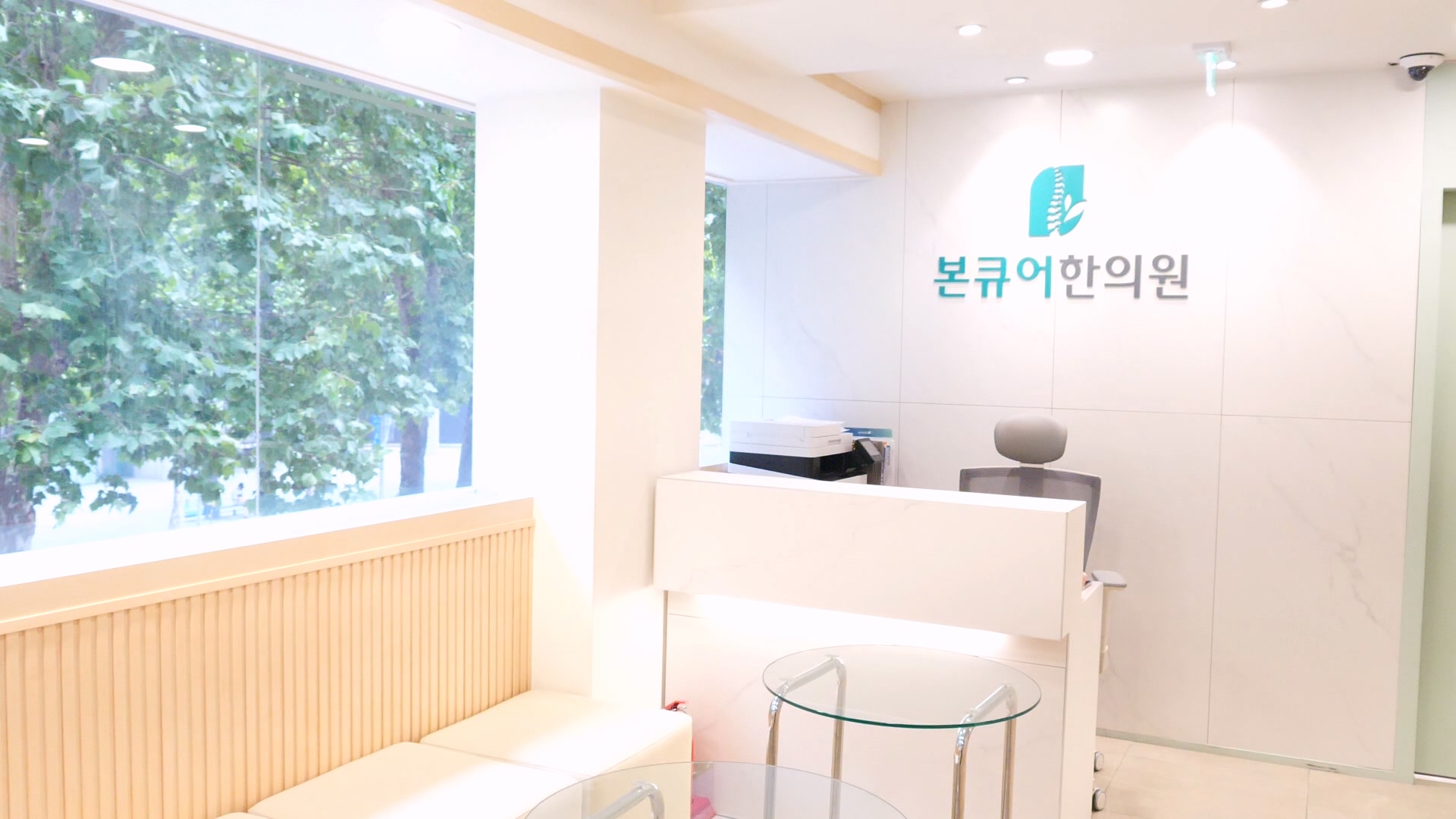
By prioritizing the relationship between the spine and the autonomic nervous system, this approach offers a unique pathway for those struggling with chronic indigestion, reflux, and gastric motility issues that have not responded to conventional treatments.
Understanding Korean Medicine for Digestive Health and Structural Balance
Korean medicine digestive health refers to a comprehensive therapeutic approach that views the gastrointestinal system not as an isolated organ, but as a functional network deeply connected to the body's structural integrity and autonomic balance. This perspective suggests that the health of the stomach is inseparable from the health of the spine and the nerves that facilitate communication between the brain and the digestive tract.
The Relationship Between Spinal Alignment and Digestive Function
Spinal alignment serves as the physical framework that houses the central nervous system, which directly governs all digestive processes through the autonomic nerve branches. When the thoracic vertebrae undergo structural misalignment or subluxation, the resulting mechanical pressure can impede the signal flow to the stomach and intestines. This disruption often leads to decreased gastric motility, acid imbalances, and chronic indigestion that resists standard pharmacological interventions. At BonCure, we analyze these structural deviations using advanced whole-spine X-ray imaging to identify precise areas of nerve compression. By addressing these 12 thoracic vertebrae and their associated soft tissues, clinicians can work to restore the natural communication between the brain and the gut. This structural perspective shift allows for a more holistic management of digestive health, focusing on the hardware of the body to improve the software of biological function. While individual results vary, restoring this alignment is a critical step in long-term wellness. Unlike traditional approaches that require lengthy initial phases, patients at BonCure can often feel a shift in their physical structure and symptoms shortly after the intervention.
How Acupotomy (Bonedo-yobeop) Addresses Chronic Gut Issues
Bonedo-yobeop, or acupotomy, is a specialized treatment at BonCure that utilizes a micro-blade needle to release physical adhesions in the soft tissues surrounding the spine. These adhesions, which are essentially stiffened connective tissues, often trap nerves that control the enteric nervous system, leading to chronic functional dyspepsia. By performing precise detachment of these rigid structures, the treatment facilitates improved blood circulation and nerve signal transmission to the stomach lining and intestinal muscles. This process does not merely mask symptoms but aims to restore the original regenerative capacity of the digestive tissues. During the procedure, which is compressed and highly efficient, typically lasting between 10 to 20 minutes, the practitioner targets specific acupuncture points and musculoskeletal junctions to decompress the autonomic pathways. Patients often experience an immediate change in sensation as the chronic tension is lifted, though minor soreness or localized swelling can occur for 2 to 3 days following the session. This technique bridges traditional wisdom with modern anatomical precision to provide a structural solution for internal dysfunction.
Comparing Traditional Digestive Treatments vs. Acupotomy Structural Correction
While conventional symptom management often focuses on modulating stomach acidity or gastric emptying, the structural approach at BonCure focuses on the neurological environment of the gut. By addressing the physical environment in which the digestive system operates, we provide a complementary pathway for patients seeking to support their systemic health through structural alignment.
Conventional Symptom Management vs. Root Cause Resolution
Standard medical treatments for digestive health often center on proton pump inhibitors or prokinetic agents that modulate the chemical environment of the stomach. While these are effective for short-term relief, they rarely address why the stomach became dysfunctional in the first place, such as a compressed nerve signal from the thoracic area. Root cause resolution at BonCure involves identifying the specific musculoskeletal imbalances that are triggering autonomic dysfunction. This approach recognizes that chronic stress and poor posture lead to structural shifts that can alter how the gut functions. By resolving these structural 'kinks' in the nervous system, we allow the body to return to its natural homeostatic state. This shift toward proactive structural restoration is a key consideration for patients who have suffered from digestive distress for years. Every treatment plan is tailored to the individual's unique spinal topography to ensure the most effective and safe application of these principles.
Why Structural Adhesion Release is Vital for Gastric Motility
Gastric motility is the rhythmic contraction of the stomach muscles required to move food through the digestive tract, a process highly sensitive to autonomic input. When the fascia and muscles along the spine become chronically tight, they form adhesions that act like physical clamps on the vagus and sympathetic nerves. Releasing these adhesions is vital because it removes the physical resistance preventing the nerves from firing correctly, thereby restoring the natural peristaltic rhythm. Without addressing these physical barriers, even the best diet or medication may fail to produce lasting improvements in digestion. At BonCure, the release of these deep-seated adhesions is performed with precision, targeting the specific areas where nerve entrapment is most likely to occur. This micro-release can lead to an immediate sensation of warmth and lightness in the abdominal area as blood flow returns to the gastrointestinal organs. We focus on necessary treatments only, ensuring that each intervention is impactful enough for the patient to feel an immediate improvement during the visit.
Each treatment modality offers different benefits. While conventional medications focus on chemical modulation of the stomach environment, acupotomy and structural realignment focus on the physical release of soft tissue adhesions and spinal alignment. Patients are encouraged to consult with their healthcare providers to determine the most appropriate approach for their specific needs.
Clinical Evidence and Case Reports on Structural Digestive Recovery
Evidence-based practice in Korean medicine digestive health relies on the careful observation of objective metrics, such as spinal curvature degrees and validated clinical scales for gastric function. At BonCure, we prioritize the collection of data to ensure that every patient's progress is documented with scientific rigor, allowing for adjustments to the treatment protocol based on real-time feedback.
Analyzing Case Reports: Improvements in Autonomic Function and Gastric Scores
Clinical observations at BonCure have documented significant shifts in patient-reported outcomes when structural correction is combined with traditional meridian therapy. In clinical observations at BonCure, we have documented cases where patients reported significant improvements in their gastric symptom scores immediately following treatment. These scores, which track bloating and discomfort, often reflect a positive shift in the patient's quality of life. Furthermore, autonomic function testing in these specific cases has shown a move toward a more balanced state. For instance, individuals with long-standing chronic digestive histories have shown improvements in their subjective comfort. However, these are individual case reports; results are not typical, and individual outcomes will vary based on the patient's unique health status. Patients at BonCure often report that their symptoms change instantly as the structure is corrected, rather than through a long, drawn-out process. It is important to note that these case reports are individual examples, and similar results cannot be guaranteed for every patient due to variations in chronicity and overall health status.
Changes in Spine X-ray Alignment and Its Effect on the Digestive Tract
Whole-spine X-ray analysis is a cornerstone of the diagnostic process at BonCure, providing a clear map of how spinal deviations correlate with digestive complaints. We look for specific markers, such as a loss of the natural thoracic kyphosis or a lateral deviation of the mid-spine, which are often present in chronic dyspepsia patients. When these structural abnormalities are addressed through acupotomy and specialized spinal manipulation, we often observe a corresponding normalization of digestive symptoms. The physical space within the thoracic and abdominal cavities is influenced by the alignment of the 12 thoracic vertebrae. By restoring the spine to a more neutral and balanced position, we effectively create the physical room necessary for the stomach and intestines to expand and contract without restriction. This objective evidence helps patients understand the mechanical basis of their internal health and provides a clear benchmark for the success of the therapeutic intervention throughout the recovery process.
Individual Recovery Variations and the Importance of Efficient Treatment
Recovery in Korean medicine digestive health is a process where the body relearns proper structural alignment. At BonCure, we avoid standardized long-term protocols like 'you must come 10 times to see results'; instead, we focus on providing highly effective, compressed treatments that allow patients to feel immediate changes. The chronicity of the condition plays a role in how the tissues respond to adhesion release, but our goal is to achieve results that the patient can feel right away. A series of treatments may be beneficial because the body often requires time to adapt to new structural patterns, but each session is designed to be impactful on its own. Please note that acupotomy may cause temporary side effects such as localized pain, minor bleeding, or rare instances of infection, and results vary by individual. By providing precise structural input, we encourage the muscles and fascia to remodel in a healthier configuration. Patients are guided through a personalized plan that respects their time and physical needs, ensuring that every visit produces tangible progress.
A 2026 Clinical Guide to Structural and Functional Recovery: Personalized Care at BonCure A 2026 Clinical Guide to Korean Medicine for Chronic Pain: The BonCure Approach
The BonCure Approach: Immediate Relief and Fundamental Regeneration
Maintaining the balance between immediate relief and fundamental regeneration is the hallmark of the BonCure philosophy for digestive health. By utilizing the latest advancements in acupotomy, we provide a treatment experience that is both scientifically grounded and deeply restorative for the patient's entire system.
The Science of Adhesion Detachment and Tissue Regeneration
The science behind our approach involves the controlled detachment of micro-adhesions that restrict the movement of spinal segments and the surrounding nerves. When an acupotomy tool is used to release these fibers, it triggers a localized healing response that promotes the regeneration of healthy, elastic tissue. This process involves the recruitment of fibroblasts and the synthesis of new collagen, which replaces the stiff, scar-like tissue that was causing the dysfunction. At BonCure, this regenerative aspect is what allows for long-term recovery rather than just temporary symptom masking. By physically changing the quality of the musculoskeletal system, we provide the digestive organs with a renewed environment in which to thrive. This biological remodeling is supported by the body's natural innate intelligence, which we simply facilitate through precise structural intervention. It is a sophisticated interplay between modern mechanical physics and the timeless principles of Korean medicine, designed to produce a more resilient and functional gastrointestinal tract.
Safe Application of Acupotomy for Sensitive Chronic Patients
Safety is our highest priority, especially when treating chronic patients who may have sensitive nervous systems. The application of acupotomy at BonCure is conducted with extreme precision, following strict sterile protocols to minimize any risk of infection. We carefully assess each patient's pain tolerance and structural sensitivity before beginning the procedure, ensuring that the intensity of the treatment is appropriate for their specific condition. While acupotomy is generally well-tolerated, some patients may experience mild, temporary side effects such as localized bruising, soreness, or a brief increase in digestive sensations as the nerves begin to fire more effectively. These typically subside within 48 to 72 hours. Our practitioners are highly trained in identifying the exact anatomical landmarks necessary to avoid major blood vessels and organs, making this a safe alternative for those who cannot tolerate standard medications. We maintain a patient-centered environment where communication and comfort are at the forefront of every session.
Managing Expectations: Post-Treatment Sensation and Immediate Feedback
Managing expectations is a vital part of the therapeutic journey at BonCure. Immediately following a treatment, many patients report a feeling of abdominal warmth or a 'lighter' spine, which are positive indicators of improved circulation and nerve decompression. Because we focus on immediate results, you won't hear us say 'you need at least 10 sessions to feel better'; we want you to feel the difference starting from the very first visit. However, it is also normal to feel a sense of fatigue or 'treatment soreness' similar to that felt after an intense workout, as the body begins the work of structural remodeling. The recovery timeline for chronic digestive issues typically spans several weeks, with individual plans tailored to each patient's progress. We encourage patients to track their progress through a daily journal of digestive symptoms and overall energy levels. Ultimately, the goal is to reach a state where the digestive system can maintain its own balance without the need for constant intervention, allowing you to enjoy a life free from the constraints of chronic gut distress.
Frequently Asked Questions
Q. What is the primary focus of BonCure for digestive health?
BonCure focuses on restoring the structural balance of the spine and nervous system. By using Acupotomy to release physical adhesions that interfere with the autonomic nervous system, we aim to improve gastric motility and overall digestive function from the root. This structural approach addresses the mechanical causes of nerve interference rather than just treating symptoms.
Q. Is Acupotomy (Bonedo-yobeop) painful for digestive patients?
While there may be a brief sensation during the release of rigid adhesions, many patients report a feeling of immediate lightness and comfort afterward. We customize the intensity based on individual tolerance. Most patients find that the significant relief they feel post-treatment far outweighs any temporary discomfort during the 10 to 20-minute procedure.
Q. How many sessions are typically required to see digestive improvements?
At BonCure, we focus on immediate results rather than mandatory long-term protocols. While chronic cases may benefit from multiple visits to stabilize structural alignment, many patients notice and feel changes in their symptoms during their very first visit. Each treatment plan is uniquely designed for the individual patient's condition.
Q. Are there any side effects to these structural digestive treatments?
Minor side effects may include temporary soreness at the site of treatment, slight bruising, or localized swelling. These are generally mild and subside within a few days. We provide detailed post-care instructions to ensure safety and minimize any potential discomfort after your visit.
Q. Can structural treatment help with symptoms like bloating and reflux?
Yes, in many cases, digestive issues like bloating and reflux are linked to compression of the nerves that regulate the stomach. Improving spinal alignment can help normalize these signals, though results depend on individual patient factors. By releasing the pressure on the autonomic nerves, the stomach is better able to regulate acid and move food efficiently.
Q. Does BonCure provide a guarantee for complete recovery from digestive disorders?
In medical practice, individual responses to treatment vary, and results are not typical for every patient. We focus on evidence-based structural correction and clinical experience rather than absolute guarantees of a cure. Our priority is to provide the best possible environment for your body to heal itself through scientific structural restoration.
Q. How does BonCure verify the effectiveness of the treatment?
We utilize objective measures such as whole-spine X-ray analysis to track structural changes, alongside clinical assessments of gastric function. This allows us to see the physical improvement in spinal alignment and correlate it with the immediate reduction in the patient's reported symptoms.
Key Takeaways
- Structural Connection: Chronic digestive issues are often linked to thoracic spinal misalignments that compress autonomic nerves.
- Immediate Change: BonCure focuses on immediate symptom improvement that patients can feel, rather than enforcing mandatory 10+ session packages.
- Efficient Care: Treatments are highly compressed and impactful, typically lasting between 10 to 20 minutes.
- Acupotomy Benefits: The BonCure approach uses specialized tools to release deep-seated adhesions, restoring nerve flow and gastric motility.
- Objective Evidence: We track progress using whole-spine X-rays and symptom scales to ensure evidence-based, structural recovery.
Hello, I am Dr. Song Jung-hyun, a practitioner at BonCure who has long focused on the clinical application of acupotomy for systemic health. If you are struggling with chronic digestive issues that have not responded to typical care, I invite you to explore the possibility of structural restoration.
BonCure Korean Medicine Clinic / Dr. Song Jung-hyun
FAQ
- What is the primary focus of Bonecure for digestive health?
- Bonecure focuses on restoring the structural balance of the spine and nervous system. By using Acupotomy to release physical adhesions that interfere with the autonomic nervous system, we aim to improve gastric motility and overall digestive function from the root. This structural approach differs from traditional medicine by addressing the mechanical causes of nerve interference.
- Is Acupotomy (Bonedo-yobeop) painful for digestive patients?
- While there may be a brief, sharp sensation during the release of rigid adhesions, many patients report a feeling of immediate lightness and comfort afterward. We customize the intensity based on individual tolerance to ensure the experience is as comfortable as possible. Most patients find that the significant relief they feel post-treatment far outweighs any temporary discomfort during the procedure.
- How many sessions are typically required to see digestive improvements?
- Typical results vary based on the chronicity of the condition, though many patients start noticing changes within the first 5 to 10 sessions. Chronic cases often require a full series of 20 sessions to achieve stable structural realignment and consistent nerve function restoration. The goal is to create a lasting change in the body's physical structure that prevents the return of symptoms.
- Are there any side effects to these structural digestive treatments?
- Minor side effects may include temporary soreness at the site of treatment, slight bruising, or localized swelling. These are generally mild and subside within a few days as the body heals and adapts to the structural changes. We provide detailed post-care instructions to ensure safety and minimize any potential discomfort after your visit.
- Can structural treatment help with symptoms like bloating and reflux?
- Yes, in many cases, digestive issues like bloating and reflux are linked to compression of the nerves that regulate the stomach. Improving spinal alignment can help normalize these signals, though results depend on individual patient factors and the severity of the structural deviation. By releasing the pressure on the autonomic nerves, the stomach is better able to regulate acid and move food efficiently.
- Does Bonecure provide a guarantee for complete recovery from digestive disorders?
- In medical practice, individual responses to treatment vary, and results are not typical for every patient. We focus on evidence-based structural correction and clinical experience rather than absolute guarantees of a cure. Our priority is to provide the best possible environment for your body to heal itself through scientific structural restoration.
- How does Bonecure verify the effectiveness of the treatment?
- We utilize objective measures such as whole-spine X-ray analysis to track structural changes, alongside validated clinical scales for gastric function and autonomic symptoms to monitor the patient's progress scientifically. This allows us to see the physical improvement in spinal alignment and correlate it with the reduction in the patient's reported symptoms.