
Post
A 2026 Clinical Guide to Korean Medicine for Chronic Pain: The Bonecure Approach
Hello. I am Director Song Jung-hyun, a practitioner who has long focused on the clinical application of Acupotomy and structural restoration. At Bonecure, we believe that when your bones are in their rightful place, your life gains its natural vitality.
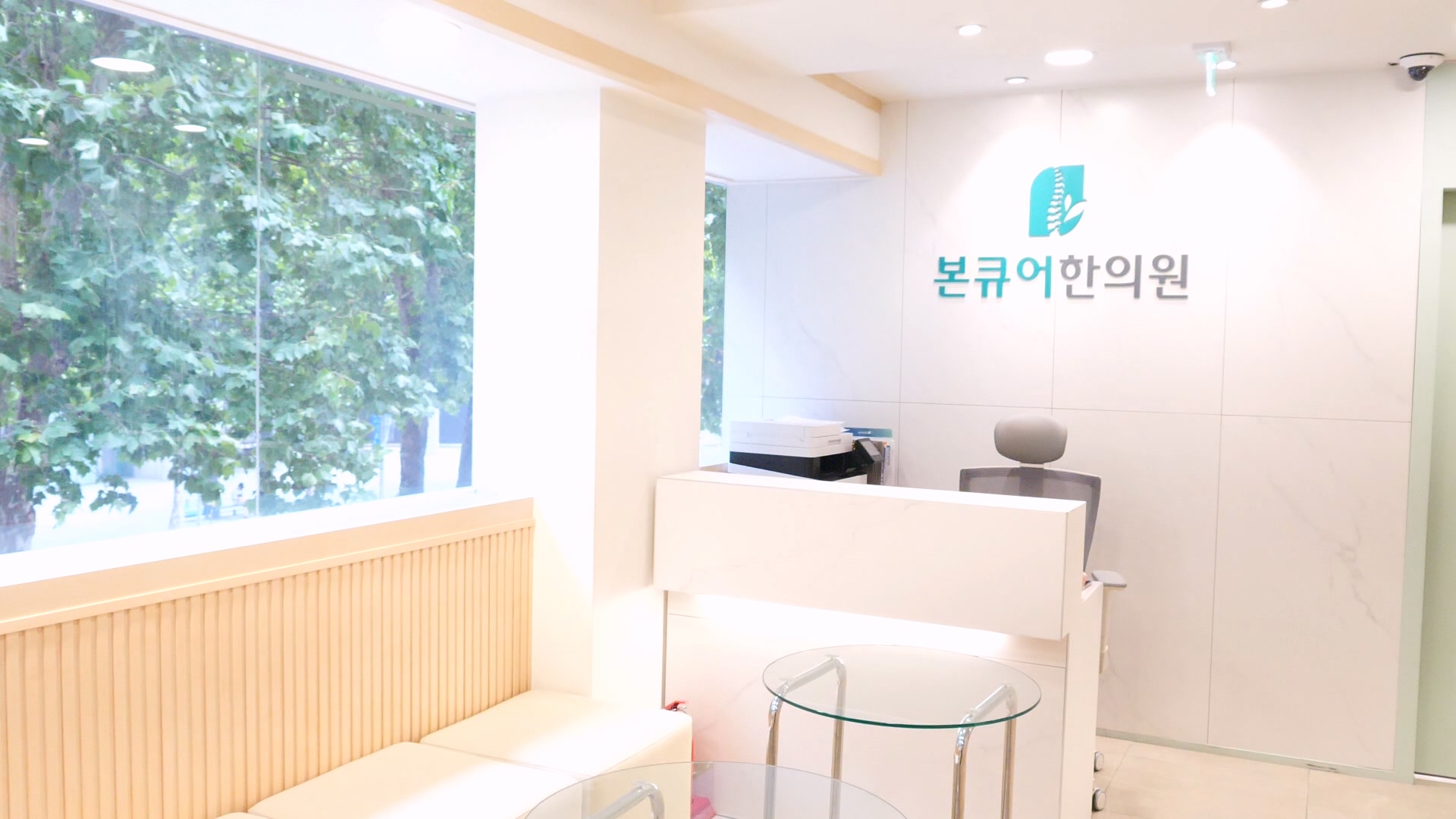
Chronic pain is often more than a persistent ache. It is frequently a sign of structural imbalances and tissue adhesions that require a scientific and mechanical intervention to resolve. This guide outlines how we integrate traditional wisdom with structural science to help you regain comfort and movement.
Understanding Korean Medicine for Chronic Pain: A Structural Approach
Korean medicine for chronic pain, as practiced at our clinic, is defined as a holistic system that identifies structural misalignment and tissue adhesion as the primary drivers of persistent physical discomfort. We do not merely look at the site of pain but analyze the entire musculoskeletal architecture to find the root cause. By focusing on the relationship between the spine, joints, and soft tissues, we aim to restore the body to its original, healthy state through non-surgical means.
Defining Chronic Pain Through the Lens of Bonecure
Chronic pain at Bonecure is viewed as a systemic failure of structural harmony rather than an isolated incident of injury. In 2026, our clinical focus remains on the identification of hardened soft tissues that have developed into restrictive adhesions. These adhesions physically bind muscles and nerves, leading to decreased mobility and constant irritation. In clinical practice, addressing the mechanical rigidity of the body is essential for long-term relief. For instance, when managing long-standing symptoms like chronic tinnitus, identifying underlying structural tension in the cervical region can be a major factor in recovery. While individual results vary, focusing on structural restoration aims to significantly reduce discomfort and improve quality of life for those with chronic conditions. Our diagnostic process utilizes detailed structural analysis, often incorporating whole-spine X-ray imaging performed through our partner medical institutions, to pinpoint these deviations. This ensures that every treatment plan is based on objective structural data rather than subjective guesswork or temporary symptom relief.
The Principle of Adhesion Release and Tissue Regeneration
The fundamental principle of our treatment lies in the physical release of internal adhesions to stimulate natural tissue regeneration. When tissues are chronically inflamed, they become fibrous and lose their elasticity, creating a cycle of pain and stiffness. At Bonecure, we utilize specialized tools to physically break these microscopic bonds, allowing fresh blood flow to reach the affected area. This process is not just about reducing immediate pain but about creating the right environment for the body to repair itself. Our clinical approach aims to help patients who find daily activities difficult due to severe pain. By focusing on structural improvement, we work to restore the mobility necessary for patients to return to their regular routines, including travel and work, though the number of sessions required depends on the individual's condition. By precisely targeting the areas where the fascia has become stuck to the bone or muscle, we can restore the gliding motion necessary for pain-free movement. This structural release is a vital step in ensuring that the recovery is sustained rather than just a fleeting moment of comfort.
Why Structural Alignment Matters for Long-Term Relief
Structural alignment is the cornerstone of lasting health because a body out of balance will inevitably create new areas of tension and wear. If the spine or pelvis is tilted, the surrounding muscles must work twice as hard to keep the body upright, leading to chronic exhaustion and recurring pain. Through our integrated protocols, we emphasize the importance of the vertical axis of the body. Data from our clinical observations shows that correcting the spinal curve leads to improved neurological function and autonomic balance. For instance, in cases of idiopathic scoliosis, we focus on restoring the natural curvature of the spine to prevent the progression of secondary symptoms. Without structural correction, even the most advanced pain medications only provide a temporary mask for a mechanical problem. Bonecure prioritizes this alignment to ensure that the skeletal system can support the weight of the body efficiently. This focus on the skeletal foundation is why we often say that a smiling bone leads to a smiling life.
The Bonecure Method: Integration of Acupuncture and Acupotomy
The Bonecure Method is defined as a synergistic treatment protocol that combines traditional acupuncture techniques with the mechanical precision of Acupotomy to address both energetic flow and physical structure. While general acupuncture is excellent for neurological stimulation, Acupotomy provides the physical force necessary to decompress trapped nerves and release deep-seated muscular knots. This dual approach ensures that we are treating the patient on multiple physiological levels simultaneously.
Acupotomy: Precision Release of Deep Tissue Adhesions
Acupotomy is a specialized technique involving a blade-like needle designed to perform micro-surgeries on the soft tissue without large incisions. This method is particularly effective for chronic conditions where standard therapies have failed to reach the deeper layers of the fascia. At Bonecure, we use this precision tool to gently separate the adhered tissues that are strangling nerve endings. While the sensation can be intense, the release is often immediate, providing a sense of lightness that many patients describe as transformative. It is important to note that Acupotomy may cause temporary soreness, minor bruising, or localized swelling at the treatment site. These are standard responses as the body begins the healing and realignment process. In severe chronic cases, multiple sessions are often required to fully clear the years of accumulated structural stress. Our clinical data indicates that patients who undergo a full course of precision release show significantly higher levels of functional mobility compared to those receiving only superficial treatments.
Chuna Manual Therapy for Neurological Balance
Chuna manual therapy at Bonecure is a hands-on structural correction method used to realign the joints and relax the musculature to restore neurological balance. This therapy is essential for patients whose pain is rooted in joint displacement or spinal subluxation. By applying controlled pressure and specific movements, I work to guide the bones back into their proper orientation. This not only relieves physical pressure on the discs but also calms the nervous system, which is often in a state of hyper-arousal due to chronic pain. We have seen significant improvements in secondary symptoms like dizziness and headaches once the upper cervical alignment is restored. For example, in patients suffering from post-concussion syndrome, Chuna therapy has been a critical component in stabilizing the autonomic nervous system. The goal is to create a stable structural foundation so that the benefits of Acupotomy are not lost to poor postural habits or misaligned skeletal structures that would otherwise pull the body back into pain.
Synergy Between Traditional Wisdom and Structural Science
The synergy between traditional East Asian medical wisdom and modern structural science allows us to provide a comprehensive care model that is unique to Bonecure. We utilize objective metrics, such as the Beck Anxiety and Depression scales, to track how physical structural recovery impacts mental well-being. Chronic pain is rarely just physical; it affects the mind and the spirit. By utilizing external diagnostic data, such as X-ray images, to visualize the spine and using pain scales to measure progress, we bring a level of scientific rigor to traditional healing. Our clinical reports, including those published on sudden sensorineural hearing loss, demonstrate that structural restoration can have far-reaching effects on internal health. Our clinical observations suggest that a consistent course of treatment can lead to improvements in complex auditory symptoms. The specific number of sessions is determined by the patient's unique structural needs, as individual responses to hearing threshold recovery can vary. This evidence-based approach ensures that every patient understands the 'why' and 'how' of their recovery. We are committed to using the best of both worlds to provide a path toward a life free from the limitations of chronic pain.
Comparative Analysis: Traditional vs. Bonecure Structural Treatment
A comparative analysis in this context is defined as an evaluation of the differences between general symptomatic care and the Bonecure structural restoration protocol. Our protocol focuses on the physical reconstruction of the musculoskeletal environment. By utilizing deep adhesion release and structural analysis, we aim for long-term functional recovery. This approach differs from general care by prioritizing targeted precision release and autonomic balance through objective diagnostic aids like X-ray imaging referred to external specialists.
Focusing on Root Cause Instead of Temporary Symptom Suppression
Choosing to focus on the root cause is a decision to invest in long-term health rather than settling for a temporary fix. At Bonecure, we believe that suppressing symptoms with medication can sometimes be counterproductive if the underlying structural issue is allowed to worsen. For instance, if a misaligned hip is causing knee pain, treating the knee alone will never solve the problem. Our protocol involves a focused structural review to ensure we are not chasing the shadow of the pain but rather the source. We utilize clinical evidence from various case studies, such as those involving 18 years of chronic pain, to prove that even long-standing issues can be improved when the mechanical root is addressed. This philosophy requires patience and a commitment to the process, but the results are a more resilient body. By restoring the natural alignment, we reduce the wear and tear on the joints, which is a proactive way to prevent future degenerative conditions.
Safety Considerations and Potential Side Effects
Transparency regarding safety is a priority at Bonecure to ensure that every patient can make an informed decision about their care. While our methods are non-surgical and minimally invasive, they are not without minor risks that patients should understand. Acupotomy involves deep tissue intervention, which can naturally lead to localized soreness or small bruises that typically resolve within a few days. In very rare cases, localized infection can occur if the treatment area is not kept clean, although we follow strict sterile protocols to mitigate this. It is also common to experience a temporary 'healing crisis' where the pain may slightly intensify as the body begins to realign. This is often a sign that the chronic adhesions are being successfully challenged. We conduct thorough assessments of bone density and overall health, particularly for our elderly patients, to ensure the therapy is appropriate. Every patient's journey is unique, and we adjust our techniques to match the specific sensitivity and physical condition of the individual.
Clinical Evidence and Patient-Centered Care Protocols
Clinical evidence at Bonecure is defined as the collection of objective data and case reports that validate the effectiveness of our structural restoration methods. We do not rely on testimonials alone; we use measurable changes in spinal curvature and standardized pain metrics to track success. This evidence-based approach allows us to refine our patient-centered care protocols, ensuring that every individual receives a treatment plan tailored to their specific structural needs.
Case Study Analysis: Improving Quality of Life in Chronic Cases
Our case study analysis involves the detailed documentation of patients who have found relief after years of searching for answers elsewhere. In cases of chronic dizziness and neck pain that have persisted for years, we utilize a combination of Acupotomy and Chuna therapy to address cervical alignment and suboccipital adhesions. This structural approach is designed to help patients regain their ability to participate in social and professional activities by improving overall functional metrics. As with all medical treatments, the degree of improvement is specific to each patient's health status. These cases are not just numbers; they represent the restoration of a person's ability to live fully. Dr. Song Jung-hyun Korean Medicine: A Guide to Structural Restoration at Bonecure provides further insights into how these methodologies are applied to complex disorders. Each case study serves as a learning tool for our clinical team to further improve the precision and efficacy of our treatments for all future patients.
Objective Measurement: Utilizing Pain Scales and Imaging Data
To move beyond subjective reporting, we incorporate objective measurements into every stage of the treatment process at Bonecure. We use the Visual Analog Scale (VAS) and other standardized tools to quantify pain levels before and after each session. Furthermore, external whole-spine X-ray imaging allows us to observe physical changes in the skeletal structure. This data is crucial for showing patients the tangible progress they are making, even when the pain relief is gradual. For instance, observing objective structural changes in spinal curvature through X-ray imaging provides a powerful motivation for patients to continue with their corrective exercises and follow-up treatments. These visual indicators help track the progress of the realignment process. These metrics also allow me, as a clinician, to adjust the intensity of the Acupotomy or the direction of the Chuna adjustments based on the physical evidence. By relying on these scientific indicators, we ensure that our care remains focused on measurable health outcomes rather than just temporary sensations of well-being. This commitment to data is what sets our structural approach apart in the field of Korean medicine.
Individualized Treatment Plans for Sustained Recovery
No two bodies are the same, which is why Bonecure focuses on developing highly individualized treatment plans for every patient. During the initial consultation, we perform an efficient and impactful assessment of the patient's structural history and physical alignment. A plan for someone suffering from acute disc herniation will look very different from a plan for an elderly patient with chronic osteoarthritis. A 2026 Clinical Guide to Chuna Manual Therapy for Structural Balance at Bonecure explains how we adapt our manual techniques to fit these varying needs. A typical plan might involve an initial phase of frequent Acupotomy sessions to break down adhesions, followed by a stabilization phase using Chuna therapy and corrective exercises. We also provide guidance on ergonomics to prevent the recurrence of structural stress. Our goal is to empower the patient to take charge of their recovery, providing them with the tools and the structural foundation needed for a lifetime of movement. This comprehensive, patient-centered approach ensures that once a patient finds relief, they have the knowledge to maintain it.
Key Takeaways
- Structural Focus: Bonecure treats chronic pain by addressing underlying skeletal misalignment and soft tissue adhesions.
- Advanced Techniques: The integration of Acupotomy and Chuna therapy provides a deep, mechanical release that general acupuncture may not achieve.
- Evidence-Based: We utilize objective data, including referred X-rays and standardized pain scales, to track and prove recovery progress.
- Safe and Personalized: Every treatment is tailored to the individual, with clear communication regarding potential side effects like temporary soreness.
- Root Restoration: Our primary goal is long-term functional recovery rather than short-term symptom suppression.
Frequently Asked Questions
Q. What is the primary difference between general acupuncture and Acupotomy?
Acupotomy uses a specialized, blade-like needle to physically release hardened adhesions in the soft tissues, whereas general acupuncture focuses primarily on energy flow and nervous system stimulation. Acupotomy is more of a micro-surgical approach for structural rigidity, while traditional acupuncture is used for regulation and mild pain. At Bonecure, we use Acupotomy specifically for chronic, deep-seated tissue problems that have not responded to lighter treatments.
Q. How many sessions are typically required to see results for chronic pain?
While some patients experience immediate relief after the first session, chronic and severe conditions often require a series of treatments to achieve stable results. A customized plan is developed after an efficient consultation and structural analysis. Typically, a course may range from 5 to 20 sessions depending on the chronicity and severity of the structural misalignment. Consistency is key to allowing the tissues to regenerate properly.
Q. Is Korean Medicine for chronic pain safe for elderly patients?
Yes, our treatments are non-surgical and minimally invasive, making them suitable for many elderly patients. We conduct a detailed assessment of bone density and overall health before proceeding with any structural correction. We adjust the intensity of Chuna therapy and Acupotomy to ensure the safety and comfort of our older patients. Our goal is to improve mobility and quality of life without the risks associated with major surgery.
Q. Does Bonecure provide objective data to track my recovery progress?
We utilize various metrics, such as standardized pain scales and whole-spine postural imaging obtained from our partner clinics, to provide a clear, scientific view of your recovery. Seeing the physical changes in your X-ray can be very encouraging and helps validate the internal improvements you are feeling. This data-driven approach ensures that we are making measurable progress toward your structural health goals. We believe in transparency and share all these findings with our patients.
Q. Are there any side effects associated with Acupotomy or Chuna therapy?
Temporary soreness, minor bruising, or localized swelling may occur at the treatment site after a session. These are normal responses as the tissue begins to heal and the body adjusts to a new alignment. These symptoms usually resolve within two to three days. We provide post-treatment care instructions to minimize discomfort and ensure the best possible healing environment. While rare, infection is a risk that we mitigate with strict sterile procedures.
Q. Can structural Korean Medicine help with neurological symptoms like dizziness?
Yes, by correcting cervical alignment and releasing tension in the upper neck, we can often address secondary symptoms such as dizziness and headaches. These symptoms are frequently linked to chronic tension and misalignment in the neck that affects blood flow and nerve signals. Many patients find that their cognitive clarity and balance improve once their structural foundation is stabilized. We look at the body as an integrated system where structure governs function.
Q. What should I expect during my first visit to Bonecure?
Your first visit includes a focused structural analysis, an efficient interview regarding your pain history, and a physical assessment by Director Song Jung-hyun. To ensure an objective diagnosis, we request whole-spine X-ray imaging through our partner medical institutions. Based on this information, we will design an initial treatment plan that targets your specific needs. It is a collaborative process where we listen to your concerns and set realistic goals for your recovery journey.
If you are struggling with persistent pain that hasn't responded to conventional treatments, we invite you to explore the structural restoration path. When your bones are aligned and your tissues are free from restriction, your body can finally begin to heal.
Bonecure / Director Song Jung-hyun
FAQ
- What is the primary difference between general acupuncture and Acupotomy?
- Acupotomy uses a specialized, blade-like needle to physically release hardened adhesions in the soft tissues, whereas general acupuncture focuses primarily on energy flow and nervous system stimulation. Acupotomy is more of a micro-surgical approach for structural rigidity, while traditional acupuncture is used for regulation and mild pain. At Bonecure, we use Acupotomy specifically for chronic, deep-seated tissue problems that have not responded to lighter treatments.
- How many sessions are typically required to see results for chronic pain?
- While some patients experience immediate relief after the first session, chronic and severe conditions often require a series of treatments to achieve stable results. A customized plan is developed after a thorough consultation and structural analysis. Typically, a course may range from 5 to 20 sessions depending on the chronicity and severity of the structural misalignment. Consistency is key to allowing the tissues to regenerate properly.
- Is Korean Medicine for chronic pain safe for elderly patients?
- Yes, our treatments are non-surgical and minimally invasive, making them suitable for many elderly patients. We conduct a detailed assessment of bone density and overall health before proceeding with any structural correction. We adjust the intensity of Chuna therapy and Acupotomy to ensure the safety and comfort of our older patients. Our goal is to improve mobility and quality of life without the risks associated with major surgery.
- Does Bonecure provide objective data to track my recovery progress?
- We utilize various metrics, such as standardized pain scales and whole spine postural imaging, to provide a clear, scientific view of your recovery. Seeing the physical changes in your X-ray can be very encouraging and helps validate the internal improvements you are feeling. This data-driven approach ensures that we are making measurable progress toward your structural health goals. We believe in transparency and share all these findings with our patients.
- Are there any side effects associated with Acupotomy or Chuna therapy?
- Temporary soreness, minor bruising, or localized swelling may occur at the treatment site after a session. These are normal responses as the tissue begins to heal and the body adjusts to a new alignment. These symptoms usually resolve within two to three days. We provide post-treatment care instructions to minimize discomfort and ensure the best possible healing environment. While rare, infection is a risk that we mitigate with strict sterile procedures.
- Can structural Korean Medicine help with neurological symptoms like dizziness?
- Yes, by correcting cervical alignment and releasing tension in the upper neck, we can often address secondary symptoms such as dizziness and headaches. These symptoms are frequently linked to chronic tension and misalignment in the neck that affects blood flow and nerve signals. Many patients find that their cognitive clarity and balance improve once their structural foundation is stabilized. We look at the body as an integrated system where structure governs function.
- What should I expect during my first visit to Bonecure?
- Your first visit includes a comprehensive structural analysis, a detailed interview regarding your pain history, and a physical assessment by Director Song Jung-hyun. We often perform X-ray imaging to get a clear picture of your skeletal alignment. Based on this information, we will design an initial treatment plan that targets your specific needs. It is a collaborative process where we listen to your concerns and set realistic goals for your recovery journey.