
Post
A Clinical Guide to Non-surgical Spinal Correction Korea: Structural Recovery at Bonecure
Greetings. I am Dr. Song Jung-hyun, a practitioner of Korean medicine who has long specialized in advanced Acupotomy therapy. Non-surgical spinal correction Korea refers to a comprehensive medical approach that restores the natural alignment and function of the musculoskeletal system without invasive surgical procedures. This discipline focuses on the relationship between structural integrity and systemic health, offering a path for those seeking relief from chronic discomfort. At Bonecure, we believe that when your bones are in their proper place, your entire life regains its smile through restored mobility and neurological balance.
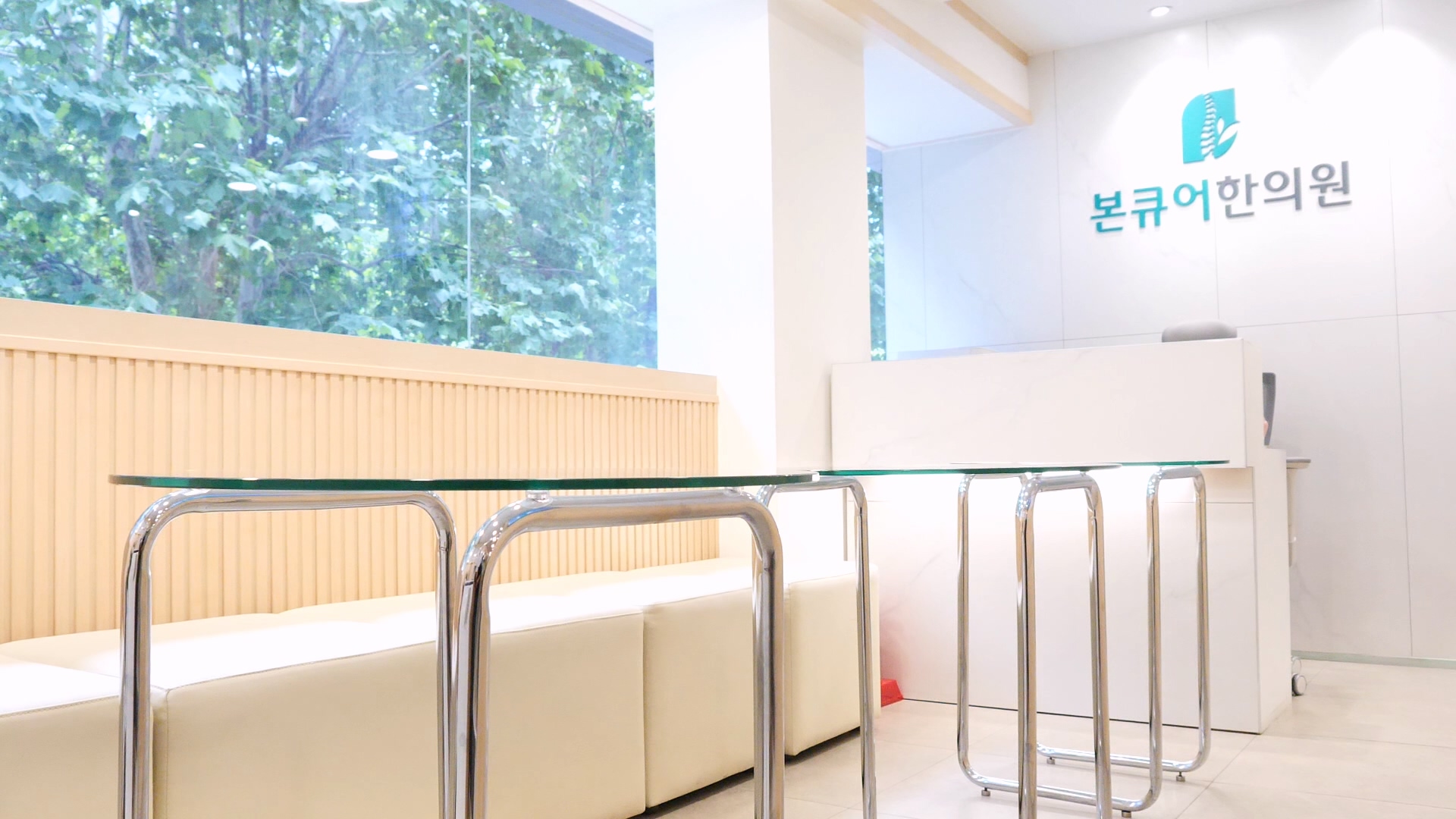
Understanding Non-surgical Spinal Correction in Korea
Non-surgical spinal correction Korea is defined as a therapeutic intervention designed to realign the vertebrae and pelvis using specialized manual and instrumental techniques. This approach prioritizes the body's innate healing capacity by removing physical obstructions that hinder nerve flow and blood circulation. Unlike temporary pain management, this field aims to address the underlying structural deviations that contribute to recurring pain and functional limitations in the human body.
Why Modern Professionals in Korea Seek Spinal Rejuvenation
Modern professionals in Korea frequently face prolonged sedentary periods, leading to a significant increase in postural imbalances and chronic pain syndromes. The high-stress environment and heavy reliance on digital devices often result in 'tech-neck' and lumbar strain, which affect productivity and quality of life. Many of these individuals seek non-surgical spinal correction Korea because it offers a way to address structural issues without the lengthy recovery times associated with surgery. Clinical observations suggest that early intervention can prevent the progression of degenerative changes in the spine. For instance, in my practice at Bonecure, I have observed that patients with long-standing chronic symptoms can often find a path toward structural stability through consistent, targeted care, although chronic conditions typically require a long-term management plan. The demand for these services reflects a broader societal shift toward proactive, functional health management. By focusing on alignment, professionals can maintain the physical resilience necessary for their demanding lifestyles while minimizing the risk of long-term disability.
The Core Philosophy of Bonecure: Structural Balance and Healing
The fundamental philosophy of Bonecure revolves around the concept of structural restoration as the cornerstone of holistic health. We posit that the human frame must be balanced for the internal organs and nervous system to function at their peak efficiency. When the spine is misaligned, it can lead to a cascade of issues, including autonomic nervous system dysfunction and localized inflammation. My approach involves using Acupotomy and Chuna therapy to release internal adhesions and restore natural curvature. We emphasize that a healthy spine is not just about the absence of pain but the presence of vitality. By integrating traditional wisdom with modern diagnostic tools like the Whole Spine X-ray, we provide a clear roadmap for recovery. This patient-centered approach ensures that each treatment plan is tailored to the individual's unique anatomical needs. Ultimately, our goal is to help every patient achieve a state where their physical structure supports a vibrant and active life, embodying the motto that healthy bones lead to a happy life.
Innovative Approaches to Non-surgical Spinal Alignment
Innovative non-surgical spinal alignment involves the integration of specialized tools and manual therapies to correct physical deformities and tissue adhesions. These methods are characterized by their ability to reach deep-seated structural issues that conventional physical therapy may not fully address. By focusing on the regeneration of hardened tissues into healthy ones, these approaches provide a functional alternative to invasive measures for patients with chronic musculoskeletal disorders.
Acupotomy Therapy for Adhesion Release and Tissue Regeneration
Acupotomy therapy is a specialized technique that uses a blade-shaped needle to release chronic adhesions within the soft tissues surrounding the spine. These adhesions often form as a result of long-term inflammation or injury, effectively 'locking' the joints in a misaligned position. By precisely targeting these points, Bonecure facilitates the regeneration of hardened, dysfunctional tissue into healthy, flexible structures. In various clinical reports, this method has shown efficacy in releasing tissue adhesions; for example, in my clinical experience, I have observed cases where patients with severe tinnitus experienced significant relief on evaluation scales following targeted treatment. However, results are not typical and may vary depending on the individual's condition. While the procedure can involve intense sensations during the release of deep adhesions, the subsequent relief is often significant. It is important to note that minor side effects such as temporary swelling, bruising, or localized soreness may occur, but these generally resolve within a few days. This technique serves as a powerful tool for restoring the micro-environment of the spine, allowing for better blood flow and neurological communication throughout the body.
Spinal Chuna Manipulation for Global Alignment
Spinal Chuna manipulation is a hands-on therapeutic approach used to realign the joints, muscles, and fascia to improve overall structural balance. This technique involves the practitioner applying controlled force to specific areas of the spine to correct subluxations and improve the range of motion. Unlike standard massage, Chuna is a medical procedure that considers the biomechanical relationship between the skull, spine, and pelvis. At Bonecure, we use Chuna to complement Acupotomy, ensuring that once the soft tissue adhesions are released, the skeletal structure is guided back into its optimal position. This dual approach is essential for long-term stability, as it addresses both the 'container' and the 'contents' of the musculoskeletal system. Patients often report an immediate sense of lightness and improved posture following a session. While Chuna is generally safe, its effectiveness depends heavily on the practitioner's skill and the patient's specific condition. Regular sessions are often necessary to overcome years of postural compensation and to retrain the body's muscular memory for a healthier alignment.
Scientific Assessment: Whole Spine X-ray and Structural Analysis
To ensure that every treatment is grounded in objective data, we utilize comprehensive scientific assessments, including the Whole Spine X-ray. This diagnostic tool allows us to visualize the entire spinal column from the cervical region down to the pelvis, identifying subtle deviations that might be missed in localized scans. Structural analysis provides measurable data points, such as the degree of spinal curvature or pelvic tilt, which are crucial for tracking progress over time. At Bonecure, we do not rely solely on subjective reports of pain; we look for tangible evidence of structural improvement. For instance, we monitor changes in the cervical curve to ensure it is moving toward a healthy lordotic shape. This evidence-based approach allows us to refine our techniques for each patient, ensuring the highest standards of care. By comparing X-rays taken before and after a treatment series, we can provide patients with visual proof of their recovery. This scientific rigor not only builds trust but also ensures that the interventions are safe and targeted precisely where they are most needed for optimal functional recovery.
Structural Restoration: The Patient-Centered Approach of BonCure Korean Medicine Clinic
Comparison: Non-surgical Correction vs. Conventional Options
Comparing spinal correction options is essential for understanding the different therapeutic pathways available for back and neck health. Conventional options range from conservative physical therapy to invasive surgeries, each with varying levels of intensity and recovery requirements. Non-surgical correction occupies a unique middle ground, focusing on structural restoration through specialized manual and instrumental interventions that aim for long-term functional improvement.
| Feature | Acupotomy (Bonecure) | Chuna Therapy | Physical Therapy | Spinal Surgery |
|---|---|---|---|---|
| Primary Goal | Adhesion release & regeneration | Joint realignment | Muscle strengthening | Structural stabilization |
| Invasiveness | Minimally invasive (needle) | Non-invasive (manual) | Non-invasive | Highly invasive |
| Recovery Time | Minimal (1-3 days soreness) | None | None | Long (weeks to months) |
| Tissue Impact | Breaks down deep adhesions | Adjusts joint mechanics | Superficial muscle work | Alters anatomy / Hardware |
| Pain Type | Brief, intense during release | Mild pressure | Minimal | High postoperative pain |
| Frequency | Variable based on severity | Weekly sessions | Multiple weekly sessions | One-time procedure |
Clinical Observations and Real-World Outcomes
Clinical observations in the field of non-surgical spinal correction Korea provide valuable insights into how structural alignment affects diverse physiological symptoms. These observations are based on individual case reports and standardized assessment scales used to measure functional recovery. By documenting real-world outcomes, practitioners can better understand the potential of these therapies to improve patient well-being across multiple health dimensions.
Individual Case Study: Improvement in Cervical Curvature
In my clinical experience at Bonecure, I have observed numerous cases where correcting the cervical spine led to significant improvements in both posture and systemic symptoms. Clinical observations suggest that correcting cervical alignment can lead to improvements in both posture and systemic symptoms. By utilizing Acupotomy to release tight suboccipital muscles and Chuna to support curvature, it is possible to observe a measurable improvement in the cervical angle over several months in many cases. While results vary by patient, this case demonstrated that structural correction could lead to improved neurological function. The patient reported a substantial reduction in headache frequency and an overall increase in daily energy levels. Such cases highlight the importance of looking at the spine as a single integrated unit. It is important to emphasize that chronic conditions often require multiple sessions to achieve stable results, and individual outcomes are dependent on the patient's adherence to post-treatment recommendations and lifestyle adjustments.
Functional Recovery in Patients with Chronic Spinal Distress
Functional recovery involves not just the reduction of pain but the restoration of the patient's ability to perform daily activities without limitation. At Bonecure, we use standardized scales to track these changes, ensuring a scientific basis for our observations. For instance, patients with chronic lumbar issues often show improvement in their range of motion and weight-bearing capacity following structural realignment. In my clinical experience, patients who have struggled with mobility for extended periods may achieve functional milestones through a consistent treatment course, though the number of sessions required varies by individual. These outcomes are not guaranteed for everyone, but they suggest that addressing structural adhesions can unlock the body's latent potential for recovery. We also monitor psychological factors, as chronic physical distress is often linked to anxiety and depression. By improving physical comfort, we frequently observe a corresponding improvement in the patient's mental outlook. This comprehensive view of recovery ensures that we are treating the person, not just the symptom, fostering a more sustainable path to long-term health and vitality.
Dr. Song Jung-hyun Korean Medicine: A Guide to Structural Restoration at Bonecure
A Sustainable Journey to Long-term Spinal Vitality
Achieving long-term spinal vitality is a collaborative journey between the practitioner and the patient that extends beyond the clinic walls. Sustainability in spinal health requires a commitment to maintaining the structural corrections achieved during therapy through proper ergonomics and active self-care. This final stage of the recovery process ensures that the benefits of non-surgical spinal correction Korea are preserved for years to come.
Post-Treatment Care and Posture Maintenance
Post-treatment care is vital for ensuring that the body adapts correctly to its new alignment after a session at Bonecure. I advise patients to avoid strenuous activities for the first 24 to 48 hours following Acupotomy to allow the tissues to begin the regeneration process. Maintaining proper posture is equally critical; even the best clinical correction can be undone by poor ergonomics at work or at home. We provide specific exercises designed to strengthen the core and supporting musculature, which helps hold the spine in its correct position. Consistency in these habits is the key to preventing the recurrence of adhesions and misalignments. Patients are encouraged to be mindful of their body mechanics during everyday tasks, such as lifting or sitting at a computer. While the treatment provides the necessary structural foundation, the patient's daily choices determine the longevity of those results. By taking an active role in their health, patients can ensure that their spine remains a source of strength rather than a source of pain.
Frequency and Duration: What to Expect During the Process
The frequency and duration of a treatment plan for non-surgical spinal correction Korea depend heavily on the chronicity and severity of the individual's condition. For acute issues, a short series of treatments might suffice, but chronic cases—especially those involving long-standing adhesions—often require a more extended commitment. At Bonecure, I typically suggest an initial intensive phase to address major misalignments, followed by a maintenance phase to stabilize the results. For example, some complex cases involving multiple spinal levels may require 10 to 20 sessions to reach a stable state of recovery. Each session builds upon the last, gradually retraining the body's tissues and nervous system. We use regular re-evaluations, including follow-up X-rays and functional tests, to adjust the treatment plan as needed. It is essential for patients to have realistic expectations; structural change is a biological process that takes time. However, for those who remain dedicated to the process, the reward is a fundamental improvement in health that can significantly enhance their quality of life.
Key Takeaways
- Non-surgical spinal correction focuses on restoring structural alignment through minimally invasive techniques like Acupotomy and Chuna.
- Bonecure emphasizes the release of deep-seated tissue adhesions to promote natural regeneration and nerve function.
- Objective diagnostic tools, such as Whole Spine X-rays, are used to scientifically track progress and ensure targeted care.
- Long-term success depends on a combination of clinical intervention and patient commitment to proper posture and post-treatment exercises.
- While highly effective for many, individual results vary, and potential risks like temporary soreness or bruising should be understood.
Frequently Asked Questions
Q. What exactly is non-surgical spinal correction at Bonecure?
It is a specialized approach using Acupotomy and Chuna therapy to release internal adhesions and restore the natural alignment of the spine without invasive surgery. At Bonecure, I focus on regenerating hardened tissues into healthy, functional ones. This method addresses the root cause of pain by focusing on the body's structural integrity.
Q. Is the treatment painful or does it require downtime?
While the release of deep-seated adhesions during Acupotomy can cause brief, intense sensations, many patients report immediate relief afterward. The recovery period following the procedure is generally brief, though minor soreness, temporary bruising, or localized swelling may occur depending on the individual's physical state. Most patients can return to their daily routines shortly after the procedure.
Q. How many sessions are typically required for noticeable results?
The duration of treatment varies significantly depending on the severity and chronicity of the spinal issue. While some patients experience rapid improvement within a few sessions, chronic cases often require a series of 10 to 20 sessions to achieve stable structural correction. Each plan is customized based on initial diagnostic findings.
Q. Are the results of non-surgical correction permanent?
The goal is to support structural recovery and functional improvement by restoring structural integrity and tissue health. However, maintaining results depends on individual lifestyle habits and consistent post-treatment posture management. Regular check-ups are often recommended to ensure the spine remains in optimal alignment over the long term.
Q. Can spinal correction help with non-musculoskeletal symptoms like dizziness?
Yes, spinal misalignment, especially in the cervical region, can affect the autonomic nervous system. I have observed clinical cases where correcting the cervical spine helped alleviate related symptoms like dizziness and tinnitus, though results vary by patient. Improving structural balance can often lead to broader systemic health benefits.
Q. Is non-surgical spinal correction safe for everyone?
It is generally safe when performed by a qualified specialist who understands the complex anatomy of the spine. However, potential risks like temporary swelling or infection at the insertion site exist, albeit rarely. A thorough consultation and medical history review are necessary to determine if you are a suitable candidate for these procedures.
Q. How is the progress of the spinal correction measured?
We use objective data such as Whole Spine X-rays to track changes in spinal curvature and alignment over time. We also utilize standardized scales for pain and functional assessment to ensure the treatment is scientifically substantiated. This allows both the practitioner and the patient to see tangible evidence of improvement.
For personalized structural assessment and advanced spinal care, please consult with us directly.
Bonecure / Song Jung-hyun
FAQ
- What exactly is non-surgical spinal correction at Bonecure?
- It is a specialized approach using Acupotomy and Chuna therapy to release internal adhesions and restore the natural alignment of the spine without invasive surgery. At Bonecure, I focus on regenerating hardened tissues into healthy, functional ones. This method addresses the root cause of pain by focusing on the body's structural integrity.
- Is the treatment painful or does it require downtime?
- While the release of deep-seated adhesions during Acupotomy can cause brief, intense sensations, many patients report immediate relief afterward. There is no significant downtime, though minor soreness or temporary bruising may occur in some individual cases. Most patients can return to their daily routines shortly after the procedure.
- How many sessions are typically required for noticeable results?
- The duration of treatment varies significantly depending on the severity and chronicity of the spinal issue. While some patients experience rapid improvement within a few sessions, chronic cases often require a series of 10 to 20 sessions to achieve stable structural correction. Each plan is customized based on initial diagnostic findings.
- Are the results of non-surgical correction permanent?
- The goal is to provide a fundamental cure by restoring structural integrity and tissue health. However, maintaining results depends on individual lifestyle habits and consistent post-treatment posture management. Regular check-ups are often recommended to ensure the spine remains in optimal alignment over the long term.
- Can spinal correction help with non-musculoskeletal symptoms like dizziness?
- Yes, spinal misalignment, especially in the cervical region, can affect the autonomic nervous system. I have observed clinical cases where correcting the cervical spine helped alleviate related symptoms like dizziness and tinnitus, though results vary by patient. Improving structural balance can often lead to broader systemic health benefits.
- Is non-surgical spinal correction safe for everyone?
- It is generally safe when performed by a qualified specialist who understands the complex anatomy of the spine. However, potential risks like temporary swelling or infection at the insertion site exist, albeit rarely. A thorough consultation and medical history review are necessary to determine if you are a suitable candidate for these procedures.
- How is the progress of the spinal correction measured?
- We use objective data such as Whole Spine X-rays to track changes in spinal curvature and alignment over time. We also utilize standardized scales for pain and functional assessment to ensure the treatment is scientifically substantiated. This allows both the practitioner and the patient to see tangible evidence of improvement.