
Post
A 2026 Guide to Integrative Acupotomy and Thermal Protocols: Restoring Structural Harmony
Hello. I am Oriental Medical Doctor Song Jeong-hyeon, and I have focused primarily on acupotomy and structural restorative procedures for many years. When individuals experience persistent physical discomfort, they often look for options that address both localized tissue tightness and the underlying systemic imbalances. At BonCure Clinic, our core identity centers on correcting structural misalignments of the skull and spine through advanced acupotomy (도침요법) and Chuna therapy.
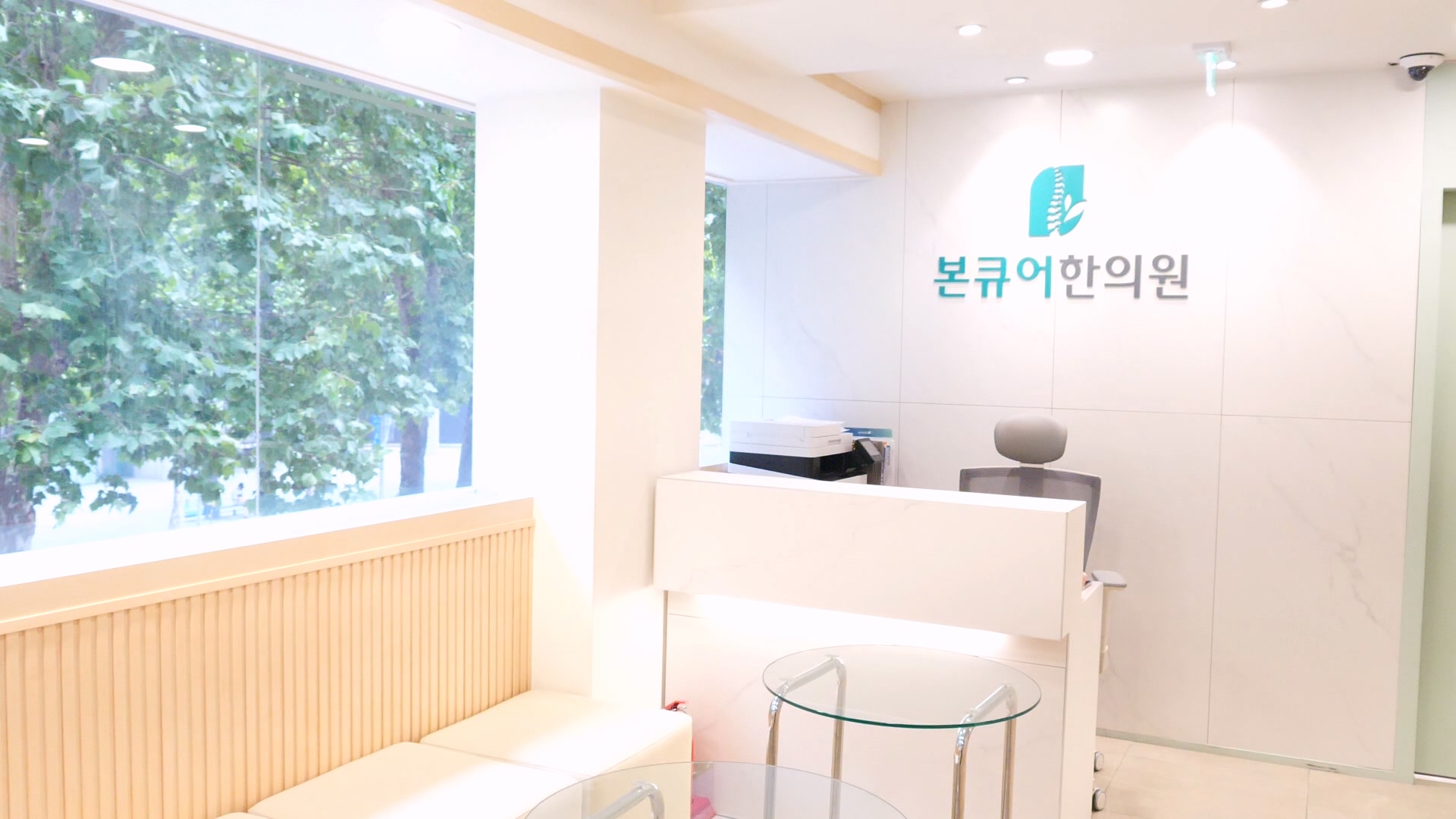
Moxibustion therapy techniques represent an optional, supportive warming modality within traditional Eastern medicine that applies controlled thermal stimulation to specific bodily regions to encourage physiological regulation and facilitate initial soft tissue relaxation.
At BonCure, we understand that structural alignment and internal energetic balance are intimately connected. The strategic application of thermal stimulation works as a preliminary step in tandem with our primary structural therapies to help ease persistent tension, improve local microcirculation, and support the body's innate healing mechanisms. Our clinical approach is built entirely on providing evidence-first care that prioritizes patient safety and measurable structural improvements, aligning closely with our core philosophy that when your bones smile, life smiles. Let us examine how these refined thermal methods can complement your journey toward lasting physical comfort and structural alignment.
A Clinical Guide to Natural Anti-Inflammatory Treatments and Structural Restoration
The Role of Supportive Thermal Stimulation in Structural Care
The Foundational Principles of Thermal Stimulation in Eastern Medicine
Moxibustion and supportive warming protocols are traditional therapeutic procedures that utilize thermal energy to stimulate distinct anatomical points on the body. This targeted thermal application aims to increase local skin temperature, dilate microscopic blood vessels, and accelerate regional blood flow, which in turn helps alleviate persistent muscular tension and prepares tissues for deeper structural intervention. By delivering controlled heat to precise locations, this approach assists in modulating the autonomic nervous system and easing deep-seated physical discomfort. Patients frequently note a soothing, deep-penetrating warmth that helps reduce localized stiffness and enhances overall mobility. While the therapy is widely appreciated for its comforting nature, individual responses to thermal stimulation can vary significantly based on baseline physiological conditions and skin sensitivity. At BonCure Clinic, these warming procedures are strictly utilized as pre-treatments rather than independent cures.
How Formulated Mugwort Interacts with Body Energetics
The specialized herbal material utilized in traditional warming therapy consists primarily of processed, aged mugwort leaves, known scientifically as Artemisia vulgaris, which possess unique burning properties. When this formulated material is ignited, it produces a specific spectrum of infrared radiation that penetrates into the subcutaneous tissue layers far more effectively than standard surface heating elements. This deep thermal penetration interacts gently with the body's neural pathways and vascular networks, stimulating local thermoreceptors and triggering a mild, beneficial response that encourages natural cellular repair mechanisms. The distinct aromatic compounds released during the slow combustion process also provide a subtle, calming effect on the central nervous system, helping to reduce overall stress levels. It is important to realize that the quality, age, and processing method of the herbal material play a critical role in determining the intensity and therapeutic depth of the heat generated.
The BonCure Approach to Structurally Anchored Thermal Protocols
At BonCure, we integrate these traditional thermal protocols directly with structural assessments as an optional preparation for our core interventions. Our methodology acknowledges that structural imbalances, such as pelvic tilts or spinal misalignments, are almost always accompanied by chronic, deeply entrenched muscular spasms that resist standard manual therapies. By applying precise warming protocols to the specific anchor points of these shortened, ischemic muscle groups, we can effectively soften the tight soft tissues prior to performing our primary treatments: acupotomy (도침요법) and structural adjustments like Chuna therapy. This sequential approach enhances the ease with which structural corrections and micro-adhesion releases can be made, helping the surrounding musculature maintain the newly achieved alignment over time. Every thermal application at BonCure is carefully customized to match the patient's structural configuration and individual thermal tolerance, ensuring a highly controlled and supportive treatment environment.
A Acupuncture Treatment Benefits: A 2026 Clinical Guide to Acupotomy and Structural Restoration
Primary Warming Techniques and Methods of Application
Direct Application: Classic Targeted Techniques
Direct application involves placing small, hand-shaped cones of the refined herbal material directly onto the skin's surface at specific anatomical points before ignition. In modern clinical settings, this classic technique is typically performed using a non-scarring methodology where the burning cone is extinguished or removed the exact moment the patient perceives a sharp, intense heat sensation. This method delivers a concentrated, high-temperature stimulus to a highly localized area, which can be particularly beneficial for addressing stubborn, chronic nodules and localized joint stiffness before core acupotomy is performed. Because the material makes direct contact with the epidermis, this technique demands exceptional precision and continuous monitoring by a trained practitioner to minimize the risk of accidental burns. It is common for mild, temporary redness to develop at the application site, and the technique may require multiple sessions to achieve optimal preparatory tissue relaxation.
Indirect Application: Utilizing Barriers for Gentle Thermal Flow
Indirect methods utilize an insulating medium placed between the burning herbal material and the patient's skin to modulate the heat and provide a gentler, more diffused thermal flow. Common traditional barriers include thin slices of raw ginger, garlic, or specialized herbal pastes, each adding distinct aromatic and biochemical elements to the warming treatment. Alternatively, modern practitioners frequently employ insulated moxa sticks held at a fixed distance from the skin or utilize specialized protective boxes that distribute the thermal energy evenly over larger anatomical regions like the lower back or abdomen. This approach is highly favored by individuals who prefer a milder, steady warming sensation without any direct dermal contact, making it excellent for generalized muscle tension and systemic relaxation. While highly comfortable, individual outcomes remain subject to personal physiological factors, and chronic structural conditions generally require our structured, main acupotomy treatments.
Modern Innovations: Smokeless and Device-Assisted Options
Modern technological innovations have led to the development of smokeless alternatives and electronic, device-assisted delivery systems designed to enhance patient comfort and clinical utility. Traditional burning processes generate a significant volume of dense, pungent smoke that may be irritating to individuals with sensitive respiratory systems or asthma. Smokeless varieties utilize pre-carbonized herbal materials that emit virtually no smoke or strong odor while still providing the essential infrared spectrum and deep thermal penetration of classic methods. Furthermore, advanced electronic warming devices allow practitioners to program precise temperature ranges and exact treatment durations, eliminating the unpredictability of manual combustion. These contemporary innovations ensure that patients can experience the therapeutic benefits of traditional thermal care within a clean, modern, and highly controlled clinical environment, though individual therapeutic responses will always vary.
Comparing Supportive Thermal Modalities with Core Structural Interventions
Supportive Heat Versus Conventional Infrared Light Therapy
When managing chronic discomfort, selecting the most appropriate thermal intervention involves evaluating how different modalities interact with human tissue. Traditional thermal techniques and modern infrared lamps both utilize heat to stimulate healing, but their clinical characteristics and modes of delivery differ considerably.
| Feature | Specialized Warming Techniques | Conventional Infrared Light Therapy |
|---|---|---|
| Heat Source | Slow combustion of refined herbal mugwort | Electronic incandescent or LED bulbs |
| Thermal Profile | Variable, deep-penetrating infrared spectrum with aromatic compounds | Constant, uniform superficial electromagnetic radiation |
| Application Style | Highly localized or barrier-insulated targeted placement | Broad-spectrum projection over wide body surface areas |
| Primary Sensational Effect | Deep, localized internal warming and tissue softening | Generalized, gentle surface warming and superficial relaxation |
| Clinical Focus | Combines biochemical herbal properties with targeted heat | Provides non-contact, uniform superficial heat application |
| Potential Limitations | Requires close monitoring to manage skin sensitivity | Limited localized tissue penetration for deep joint structures |
Synergistic Integration: Combining Pre-Warming with Acupotomy and Chuna
Integrating targeted thermal methods with our core structural therapies—acupotomy (도침요법) and Chuna—creates a comprehensive treatment strategy that addresses both deep tissue restriction and skeletal alignment. When specialized thermal protocols are applied to chronically tight areas before manual manipulation or micro-adhesion release, the deep heat significantly reduces muscle guarding and increases the elasticity of rigid tendons and ligaments. This preliminary tissue softening allows the practitioner to perform acupotomy to dissect adhesions and release trapped nerves, or perform Chuna corrections with greater ease and less force, minimizing post-treatment soreness for the patient. Combining these modalities helps restore optimal joint mobility and reinforces proper posture by balancing the tension across opposing muscle groups. While this integrative approach provides multi-level support, the overall treatment plan must be carefully adapted to individual structural needs, and chronic spinal conditions typically involve several systematic visits.
Safety Protocols, Potential Side Effects, and Patient Considerations
Essential Safety Guidelines to Prevent Blisters and Mild Burns
Maintaining patient safety is the single most critical component when administering any form of thermal therapy involving active combustion. Because these techniques rely on generating therapeutic heat close to or directly on the epidermis, strict adherence to professional safety protocols is mandatory to prevent adverse events such as blisters or mild skin burns. Practitioners must continuously assess the patient's skin color and temperature throughout the procedure while maintaining open verbal communication regarding the intensity of the heat. Special care must be taken when treating individuals with compromised peripheral circulation, reduced nerve sensitivity, or thin, fragile skin, as their ability to perceive or react to intense thermal stimuli may be diminished. Utilizing protective barriers and modern electronic devices can significantly reduce these risks, ensuring a secure and therapeutic experience.
Understanding Individual Variation and Clinical Limitations in Therapy
Every individual possesses a unique physiological profile, meaning that the therapeutic outcomes and overall responses to thermal and structural care can vary from person to person. While many patients experience a notable reduction in muscular stiffness and an improvement in overall comfort, these techniques are supportive interventions rather than instant permanent cures for complex, long-standing musculoskeletal diseases. Potential risks or side effects of our main acupotomy procedures include localized soreness, temporary minor bleeding, or rare bruising at the treatment site. Chronic structural degenerative conditions, severe spinal misalignments, or advanced joint decay typically require a comprehensive approach that combines supportive thermal care with our core structural acupotomy and Chuna therapy over an extended period. It is also essential to recognize that certain acute inflammatory conditions or open skin wounds may be contraindicated for thermal applications, necessitating a thorough initial clinical evaluation.
What to Expect During and Immediately After Your Session
During a standard session, patients are positioned comfortably while the practitioner carefully prepares the selected target areas using either direct or indirect application methods. As the herbal material burns or the electronic device activates, a deep, radiating warmth will begin to spread through the localized tissues, which most individuals find highly relaxing and soothing. A typical warming application lasts between fifteen and thirty minutes, depending entirely on the specific technique selected and the patient's personal heat tolerance, followed immediately by our core structural therapies. Immediately following the session, it is perfectly normal to observe mild, temporary redness or localized warmth at the treatment site, which usually dissipates within a few hours. Patients are advised to keep the treated areas protected from extreme cold or direct drafts immediately after care to allow the therapeutic warmth to settle completely.
Key Takeaways
- BonCure Clinic's primary treatments are acupotomy (도침요법) and structural Chuna adjustments; moxibustion serves strictly as an optional, supportive pre-treatment modality.
- Supportive thermal protocols utilize controlled thermal energy to relieve deep muscular tension, improve blood circulation, and soften rigid soft tissues.
- Softening tight tissues with pre-warming methods facilitates safer, more efficient, and more impactful structural corrections during core treatments.
- Patient safety is maintained through strict clinical protocols, continuous monitoring, and clear communication to minimize risks such as temporary skin redness or mild blisters.
- Therapeutic outcomes vary based on individual physiological factors, and chronic structural imbalances or complex conditions generally require multiple systematic sessions of core treatments as part of a personalized care plan.
Frequently Asked Questions
Q. Is moxibustion the main treatment at BonCure Clinic?
No. At BonCure Clinic, our core clinical identity and primary treatments are structural corrections (Chuna, jaw joint alignment) and advanced acupotomy (도침요법) to treat misalignments and nerve entrapment. Moxibustion and thermal therapies are utilized strictly as optional, supportive pre-treatment modalities to soften rigid tissues.
Q. How does supportive thermal therapy assist in structural alignment and pain relief?
The targeted application of deep-penetrating heat helps relax deeply tight musculature, improves localized circulation, and reduces joint stiffness. By softening chronic tissue contractions prior to our core manual adjustments and acupotomy, these thermal protocols complement structural corrections, aligning with our philosophy that when your bones smile, life smiles.
Q. Are there any side effects or risks involved with these procedures?
With thermal pre-treatments, mild skin redness, temporary localized warmth, or minor blisters can occasionally occur due to individual heat sensitivity. For our primary acupotomy treatments, temporary localized soreness, minor bleeding, or bruising may occur. Professional practitioners follow strict safety monitoring protocols to minimize these risks. Individual clinical outcomes vary, and chronic structural issues may require multiple systematic sessions to achieve optimal results.
Q. How long does a typical supportive warming session take at BonCure Clinic?
A standard warming application generally lasts between fifteen and thirty minutes as a preparatory step. The total duration is carefully adjusted by the practitioner based on the specific application technique used, the size of the target anatomical region, and your unique physiological tolerance before proceeding to core structural adjustments.
Q. What is the cost of receiving specialized integrative structural treatments?
The total financial investment depends entirely on the complexity, duration, and specific combination of primary modalities—such as acupotomy and Chuna—included in your customized treatment plan. We provide detailed financial breakdowns and discuss all available options during your personalized initial consultation so you can make an informed decision.
Q. Can thermal therapies completely cure chronic musculoskeletal diseases?
No, we do not claim permanent or immediate cures for complex, chronic conditions through thermal therapy alone. It serves strictly as a valuable supportive, preparatory therapy to soften tissues and improve structural balance alongside our core acupotomy and comprehensive clinical guidance.
Q. Is the treatment painful or uncomfortable for the patient?
Patients generally feel a soothing, deep warming sensation during the preparatory thermal phase. While our primary acupotomy procedure can cause a brief, sharp or heavy sensation as it releases deep tissue adhesions, our clinical protocols are continuously calibrated and monitored to minimize irritation while optimizing the therapeutic benefits.
To learn more about how our core acupotomy, structural care, and supportive thermal protocols can be customized to support your long-term health and physical comfort, please contact us to schedule a personalized consultation.
BonCure Clinic / Oriental Medical Doctor Song Jeong-hyeon
FAQ
- What are the primary moxibustion therapy techniques utilized today?
- Modern practices utilize both direct and indirect methods to deliver therapeutic heat. Direct techniques place small cones of refined moxa material directly on specific anatomical points and are removed before causing burns, while indirect methods use a protective barrier like ginger, garlic, or specialized insulated devices to deliver gentle heat without direct skin contact. Modern clinics also frequently utilize smokeless or electronic devices to enhance patient comfort.
- How does moxibustion therapy support structural alignment and pain relief?
- The targeted application of deep-penetrating heat helps relax deeply tight musculature, improves localized circulation, and reduces joint stiffness. By softening chronic tissue contractions prior to manual adjustments, these thermal protocols complement structural corrections, aligning with our philosophy that when your bones smile, life smiles.
- Are there any side effects or risks involved with moxibustion?
- Mild skin redness, temporary localized warmth, or minor blisters can occasionally occur due to heat sensitivity or individual variations in skin fragility. Professional practitioners follow strict safety monitoring protocols to minimize these risks. Individual clinical outcomes vary, and chronic structural issues may require multiple systematic sessions to achieve optimal results.
- How long does a typical moxibustion session take at Bonecure?
- A standard session generally lasts between fifteen and thirty minutes. The total duration is carefully adjusted by the practitioner based on the specific application technique used, the size of the target anatomical region, and your unique physiological tolerance. It is designed to be a relaxing, comfortable experience.
- What is the cost of receiving specialized moxibustion therapy techniques?
- The total financial investment depends entirely on the complexity, duration, and specific combination of modalities included in your customized treatment plan. We provide detailed financial breakdowns and discuss all available options during your personalized initial consultation so you can make an informed decision.
- Can moxibustion therapy completely cure chronic musculoskeletal diseases?
- While it is highly effective at relieving deep muscular tension and boosting regional circulation, we do not claim permanent or immediate cures for complex, chronic conditions. It serves as a valuable supportive therapy to improve structural balance and relieve discomfort alongside comprehensive medical guidance and rehabilitation.
- Is moxibustion therapy painful or uncomfortable for the patient?
- Patients generally feel a soothing, deep warming sensation that promotes overall relaxation. While some direct or intense thermal techniques can cause a brief, sharp heat sensation, our clinical protocols are continuously calibrated and monitored to minimize irritation while optimizing the therapeutic benefits.