
Post
Choosing an Integrative Medicine Practitioner Cheongdam-dong: A 2026 Structural Restorative Perspective
Hello. I am Dr. Song Jung-hyun, an oriental medical doctor who has focused on acupotomy for a long time. Finding a skilled integrative medicine practitioner Cheongdam-dong is essential for individuals seeking to resolve chronic, deep-seated pain by addressing structural imbalances rather than merely masking superficial symptoms.
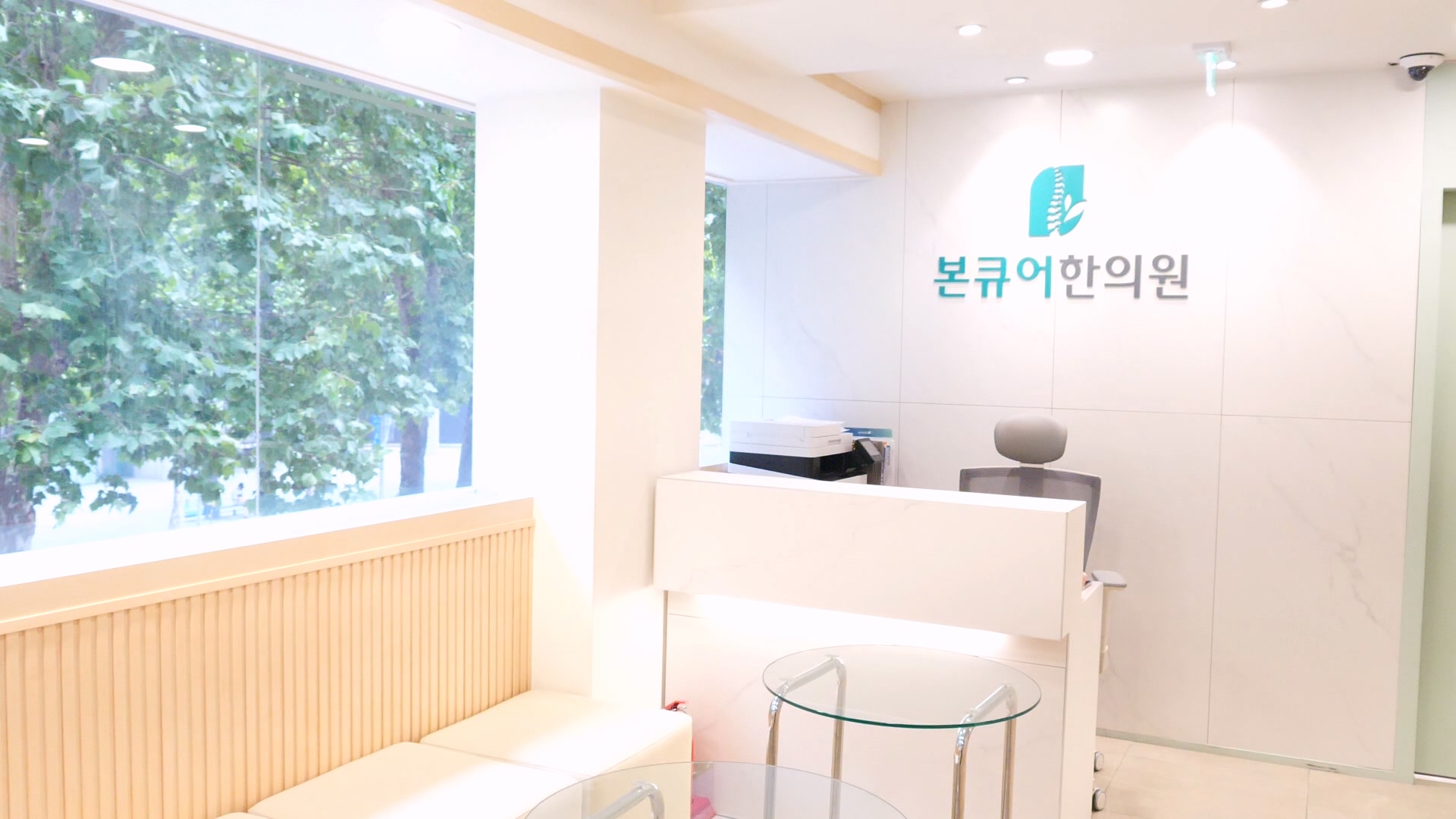
This comprehensive 2026 clinical overview explores how aligning the spine and treating deep tissue adhesions can restore your physical vitality and long-term functional health, helping you reclaim a balanced life at Bonecure where your bones can truly smile.
1. Understanding Integrative Medicine in Cheongdam-dong
Integrative medicine in Cheongdam-dong represents an advanced healthcare model that synthesizes traditional anatomical alignment philosophies with contemporary clinical diagnostic tools to address complex chronic pain and structural disorders. This therapeutic framework goes beyond surface-level interventions, prioritizing the patient's comprehensive structural integrity, neuro-muscular balance, and internal homeostatic function.
Defining the Role of an Integrative Medicine Practitioner
An integrative medicine practitioner serves as a specialized clinician dedicated to diagnosing and correcting hidden biomechanical dysfunctions that disrupt systemic equilibrium. By evaluating the body as an interconnected matrix, these practitioners look past isolated symptoms to discover how spinal misalignments alter neurological and vascular pathways. In the bustling district of Cheongdam-dong, patients frequently present with multi-faceted complaints, such as persistent headaches, cervicogenic dizziness, or digestive issues tied to postural decay. An integrative clinician utilizes sophisticated assessments, including full-spine radiographic analysis and standardized autonomic functional scales, to map out precise individualized therapeutic strategies. This thorough diagnostic methodology clarifies the complex relationships between chronic tension, joint stress, and secondary internal dysfunctions. Ultimately, the practitioner guides individuals through structured rehabilitation, aiming to systematically reverse prolonged structural degeneration and facilitate natural recovery processes while focusing heavily on evidence-based protocols that respect the unique physiological profile of every single patient.
The Bonecure Approach: Balancing Structural Alignment and Holistic Recovery
The clinical philosophy at Bonecure centers on the core understanding that comprehensive internal wellness depends directly upon the precise alignment of the physical framework. When structural imbalances occur within the pelvic girdle or the cervical spine, they create abnormal mechanical tension that compromises both localized muscle groups and distant autonomic nervous system pathways. To address these complex dysfunctions, our clinical protocols integrate deep tissue mobilization with specialized structural restoration techniques designed to eliminate structural tension. By restoring balance to the primary skeletal framework, this approach helps alleviate the deep-seated structural stressors that often drive persistent physical fatigue, chronic spinal discomfort, and complex neurological sensitivities. This meticulous balancing process is designed to optimize internal communication channels, support individual circulatory efficiency, and promote natural self-regulatory mechanisms. Patients receive specialized care targeted at the root biomechanical issues, establishing a foundation for sustained vitality and enduring comfort across their entire bodily systems.
2. Core Healing Modalities: Acupotomy and Structural Realignment
Acupotomy and structural realignment are specialized non-surgical interventions designed to release pathological soft tissue adhesions and restore anatomical symmetry to the human spine and joint systems. These clinical modalities target chronic micro-structural restrictions that impede normal mobility, disrupt nerve conduction, and maintain persistent pain loops within the body.
Acupotomy for Resection of Adhesions and Tissue Regeneration
Acupotomy stands as a specialized non-surgical modality utilizing a specialized flat-bladed therapeutic needle designed to release stubborn, deep-seated soft tissue adhesions. Over months or years of chronic structural strain or post-traumatic injury, muscle layers and fascial sheaths often become pathologically bound together, forming dense scar tissue that constricts local neurovascular bundles. By precisely targeting these microscopic mechanical obstructions, the procedure performs a localized releasing of the rigid adhesions, instantly relieving trapped nerves and restoring restricted vascular pathways. This precise micro-mechanical stimulation triggers the body's natural healing cascade, encouraging local circulation and promoting healthy tissue regeneration in the affected zones. While the treatment can cause mild temporary soreness or localized bruising, it directly targets and addresses deep-seated rigid structural barriers. This targeted release provides an essential step toward restoring normal tissue elasticity, decreasing chronic localized tension, and establishing the groundwork for proper long-term spinal mobility.
Whole-Spine Alignment and Chuna Manual Therapy
Achieving long-term relief from complex chronic musculoskeletal conditions requires a comprehensive focus on whole-spine structural alignment rather than treating isolated joints. Chuna manual therapy serves as a core therapeutic method at Bonecure, employing controlled, hand-applied biomechanical forces to correct deep skeletal subluxations and restore articular harmony. When individual vertebral segments lose their optimal positioning, they generate asymmetric mechanical loads that accelerate degenerative changes in adjacent discs and supporting ligaments. Through systematic adjustments of the pelvic foundation, thoracic curvature, and cervical spine, Chuna therapy balances abnormal weight distribution and reduces pathological shear stress. For comprehensive rehabilitation, this care can be seamlessly integrated with advanced protocols outlined in A 2026 Clinical Guide to Spine and Joint Rehabilitation: The Bonecure Structural Approach. This dual focus on joint mobility and structural symmetry helps re-establish balanced postural dynamics, minimizes secondary muscular compensation patterns, and reinforces the spine's natural shock-absorbing capabilities during daily movements.
Tracking Recovery with Objective Clinical Evaluation Metrics
An evidence-first clinical approach demands the utilization of objective evaluation metrics to monitor a patient's structural and physiological recovery trajectory over time. Rather than relying solely on subjective feedback, clinicians utilize standardized diagnostic scales, including the Visual Analog Scale ranging from 0 to 10 points, the Beck Depression Inventory, and the Beck Anxiety Inventory. For instance, tracking changes through structured autonomic evaluation metrics helps document systemic improvements in patients with chronic tinnitus and cervical strain. Furthermore, pre-treatment and post-treatment whole-spine X-ray imaging provides measurable evidence of structural alignment variations, mapping adjustments in spinal curvature degrees and pelvic tilt angles. Consistently tracking these objective parameters ensures that therapeutic protocols remain highly responsive to each patient's unique rate of healing. This systematic measurement framework provides clarity, confirms functional progress, and maintains a transparent, evidence-based pathway toward complete structural rehabilitation.
3. Comparing Conventional Treatments and Integrative Structural Medicine
The comparison between conventional treatments and integrative structural medicine highlights the fundamental differences between localized symptom suppression and comprehensive, root-cause structural restoration. While standard protocols often manage immediate pain signals, integrative structural care focuses on correcting the underlying biomechanical and fascial distortions that cause those signals.
| Clinical Criterion | Integrative Structural Medicine Protocol (Bonecure) |
|---|---|
| Primary Therapeutic Focus | Root-cause structural alignment and deep adhesion release |
| Primary Modalities Used | Acupotomy, Chuna manual therapy, and structural alignment |
| Target Tissue Layers | Deep fascial adhesions, rigid scar tissue, and spinal segments |
| Diagnostic Approach | Whole-spine radiographic analysis and objective functional scales |
| Expected Care Duration | Structured multi-session series for long-term stabilization |
| Potential Clinical Risks | Minor temporary soreness, bruising, or transient swelling |
Symptomatic Relief Versus Structural Root-Cause Care
Conventional pain management approaches frequently rely on temporary pharmacological interventions or localized physical therapies to suppress acute inflammatory responses and dull immediate pain signals. While these methods offer valuable short-term relief, they rarely resolve the underlying structural misalignments or deep tissue adhesions that continue to stress the musculoskeletal system. In contrast, integrative structural medicine focuses entirely on identifying and correcting the root mechanical causes of chronic physical dysfunction at Bonecure. By systematically releasing restricted fascial layers and correcting spinal imbalances, this comprehensive approach targets the structural deficits driving the recurring painful symptoms. To learn more about managing complex conditions through integrated protocols, patients often consult resources like Integrated Pain Management Seoul: A 2026 Guide to Structural Restoration at BonCure. Resolving these deep structural issues reduces the frequency of symptom flare-ups, stabilizes joint dynamics, and promotes true long-term functional recovery.
Why Discerning Patients Seek Integrative Practitioners in Cheongdam-dong
Individuals seeking an integrative medicine practitioner Cheongdam-dong generally expect an exceptional standard of evidence-based, highly personalized healthcare that addresses their long-standing physical challenges. Many of these discerning patients have already exhausted conventional treatment options without achieving lasting structural stability or systemic relief from their chronic discomfort. They value a sophisticated clinical environment that seamlessly combines advanced diagnostic tools with time-tested manual and micro-surgical interventions like acupotomy. Furthermore, patients frequently look for specialized guidance, such as insights found in A 2026 Clinical Guide to Holistic Wellness Clinic Cheongdam: The Bonecure Approach to Structural Restoration, to understand their complex conditions. This comprehensive approach ensures that every aspect of their postural decay, neurovascular entrapment, and autonomic imbalance is thoroughly evaluated. By focusing on root-cause structural restoration, practitioners provide these individuals with a reliable, transparent framework for regaining physical independence, improving long-term health outcomes, and restoring daily structural comfort.
4. Clinical Protocols, Potential Risks, and Patient Safety Measures
Clinical protocols and safety measures in integrative structural medicine establish a systematic, multi-phase framework designed to deliver personalized therapeutic interventions while maintaining strict patient safety standards. This balanced approach ensures that advanced structural corrections are performed with careful consideration of individual physiological limits and potential clinical risks.
The Step-by-Step Personalized Treatment Journey at Bonecure
The clinical journey at Bonecure begins with an exhaustive baseline diagnostic consultation, incorporating detailed structural assessments and whole-spine radiographic evaluations to pinpoint specific misalignments. Following this initial analysis, a personalized treatment plan is developed, combining targeted acupotomy sessions to release deep tissue adhesions with precise Chuna manual adjustments to correct skeletal subluxations. Each phase of care is carefully timed to match the patient's individual physiological recovery rate, ensuring optimal healing transitions between structural interventions. As treatment progresses, clinicians continuously re-evaluate mobility patterns and update functional metrics to document objective improvements in spinal alignment and joint flexibility. This structured, step-by-step methodology ensures that therapy remains closely aligned with the patient's evolving physical needs, preventing premature strain on recovering tissues. By maintaining this methodical approach, the clinical team helps patients systematically rebuild structural core stability, restore natural movement dynamics, and achieve long-term functional comfort safely.
Understanding Medical Limitations, Temporary Discomfort, and Care Precautions
While advanced structural therapies provide significant support for chronic pain recovery, patients must understand that individual clinical outcomes can vary based on personal health status. Specialized micro-needle procedures like acupotomy carry inherent medical limitations and potential temporary side effects, including localized soreness, mild bruising, or transient swelling near the treatment site. Rare risks such as localized infection are minimized through the strict application of sterile clinical protocols and meticulous post-procedure care. Additionally, chronic or severe spinal misalignments typically require a structured series of multiple therapeutic sessions to achieve lasting structural stabilization. It is essential for patients to follow all post-treatment care precautions, avoid strenuous physical exertion immediately after sessions, and maintain open communication regarding their recovery. Acknowledging these practical boundaries ensures a safe, well-regulated therapeutic experience, allowing patients to navigate their structural alignment journey with realistic expectations and maximum clinical safety.
Key Takeaways
- Root-Cause Structural Focus: Addressing deep-seated tissue adhesions and spinal misalignments helps resolve chronic pain at its biological source rather than temporarily masking symptoms.
- Advanced Acupotomy Modality: The precise utilization of a flat-bladed micro-needle releases rigid fascial restrictions, encouraging natural tissue regeneration and local circulation.
- Objective Recovery Tracking: Utilizing standardized clinical scales and whole-spine X-ray metrics ensures measurable, evidence-first tracking of structural progress.
- Safety and Clinical Awareness: Patient care balances therapeutic benefits with clear awareness of individual recovery timelines and mild, temporary procedural side effects.
Frequently Asked Questions
Q. What exactly does an integrative medicine practitioner do at Bonecure?
An integrative medicine practitioner combines traditional structural therapies with contemporary scientific principles to identify and treat the root causes of musculoskeletal and neurological imbalances. The main focus centers on restoring optimal spinal alignment and foundational bodily functions rather than providing brief, superficial symptom relief.
Q. What is acupotomy and how does it assist in chronic pain recovery?
Acupotomy is a specialized micro-surgical treatment utilizing a unique flat-bladed therapeutic needle. It works by precisely releasing microscopic tissue adhesions and deep scar tissue, which stimulates local circulation and facilitates natural tissue regeneration within structural layers.
Q. Are there any temporary side effects or risks associated with acupotomy treatments?
As with any specialized micro-needle procedure, mild and temporary side effects may include local soreness, minor bruising, or transient swelling near the site. Serious risks like infection are minimized through strict sterile protocols, and individual recovery responses always vary based on personal health status.
Q. How much do integrative treatments and structural therapies at Bonecure cost?
The total financial investment varies significantly depending on the complexity of your structural condition, chronicity, and the exact combination of therapies required. Precise cost breakdowns are customized for each individual and provided during a comprehensive in-office diagnostic consultation.
Q. How many sessions are typically required to experience noticeable structural improvement?
While some individuals report positive structural changes early in their care, chronic or severe spinal imbalances often require a structured series of multiple treatments. Every patient's physiological timeline differs, and outcomes cannot be universally standardized.
Q. What is the core focus of structural integrative care at Bonecure?
Integrative care at Bonecure emphasizes whole-body structural alignment, deep tissue adhesion release via acupotomy, and long-term functional restoration.
Q. Who is the ideal candidate for an integrative medical consultation in Cheongdam-dong?
Ideal candidates include individuals suffering from chronic spinal misalignments, persistent neck or back discomfort, post-traumatic syndromes, or complex autonomic imbalances. It is highly appropriate for those who have not responded adequately to superficial therapeutic interventions.
For personalized consultation and comprehensive clinical evaluation: Bonecure / Dr. Song Jung-hyun
FAQ
- What exactly does an integrative medicine practitioner do at Bonecure?
- An integrative medicine practitioner combines traditional structural therapies with contemporary scientific principles to identify and treat the root causes of musculoskeletal and neurological imbalances. The main focus centers on restoring optimal spinal alignment and foundational bodily functions rather than providing brief, superficial symptom relief.
- What is acupotomy and how does it assist in chronic pain recovery?
- Acupotomy is a specialized micro-surgical treatment utilizing a unique flat-bladed therapeutic needle. It works by precisely releasing microscopic tissue adhesions and deep scar tissue, which stimulates local circulation and facilitates natural tissue regeneration within structural layers.
- Are there any temporary side effects or risks associated with acupotomy treatments?
- As with any specialized micro-needle procedure, mild and temporary side effects may include local soreness, minor bruising, or transient swelling near the site. Serious risks like infection are minimized through strict sterile protocols, and individual recovery responses always vary based on personal health status.
- How much do integrative treatments and structural therapies at Bonecure cost?
- The total financial investment varies significantly depending on the complexity of your structural condition, chronicity, and the exact combination of therapies required. Precise cost breakdowns are customized for each individual and provided during a comprehensive in-office diagnostic consultation.
- How many sessions are typically required to experience noticeable structural improvement?
- While some individuals report positive structural changes early in their care, chronic or severe spinal imbalances often require a structured series of multiple treatments. Every patient's physiological timeline differs, and outcomes cannot be universally standardized.
- How does structural integrative care differ from general physical therapy?
- General physical therapy frequently focuses on localized muscle strengthening and symptomatic pain management. In contrast, integrative care at Bonecure emphasizes whole-body structural alignment, deep tissue adhesion release via acupotomy, and long-term functional restoration.
- Who is the ideal candidate for an integrative medical consultation in Cheongdam-dong?
- Ideal candidates include individuals suffering from chronic spinal misalignments, persistent neck or back discomfort, post-traumatic syndromes, or complex autonomic imbalances. It is highly appropriate for those who have not responded adequately to superficial therapeutic interventions.